Archives 2025

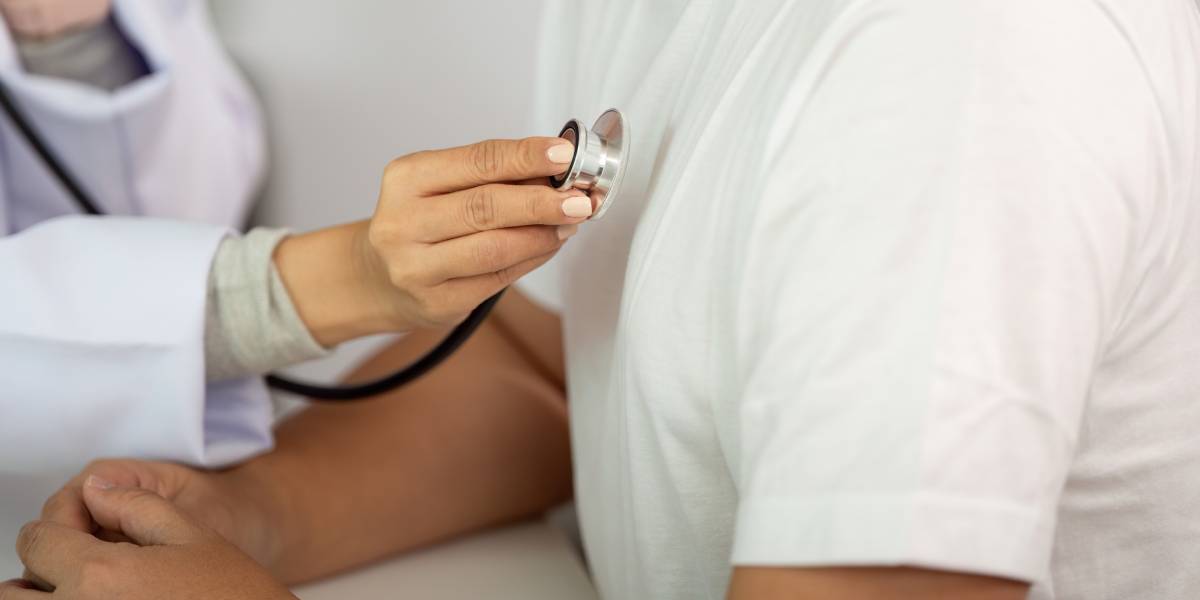
Doctor using stethoscope for patient examination.

Preparing for Your Echocardiogram

An echocardiogram is a type of sonogram that uses sound waves to create an image of the heart’s function. In this way, echocardiograms are life-saving, medical marvels. This type of sonogram allows doctors to recognize how the heart is beating and pumping blood.

Using echocardiographic technology, doctors can better diagnose and treat patients with cardiovascular or heart-related conditions. Echocardiogram providers can assess the severity of your condition by examining the heart closely with an echocardiogram.

What Patients Should Know Before an Echocardiogram

Before receiving an echocardiogram, patients should know that there are a multitude of echocardiogram tests. Depending on your cardiovascular health and symptoms you exhibit, doctors will determine which echocardiogram test is best for you to undergo.

In addition, patients should understand that receiving an echocardiogram is helpful for early intervention. When caught early, doctors can help reduce the effects of cardiovascular issues. This can prove to be life-saving.

How to Prepare for Your Echocardiogram

Although you may feel nervous or anxious about your echocardiogram test, understanding how echocardiograms work will put you at ease. While tests may differ, each focuses on the heart, detecting any cardiovascular problems along the way.

To prepare for an echocardiogram, consider:

  • Providing a list of symptoms you experience to your doctor
  • Following your doctor’s instructions for eating and drinking before your procedure
  • Arranging a ride home if the procedure requires sedation
  • Avoiding wearing jewelry such as necklaces or rings
  • Wearing loose-fitting or comfortable clothes

According to the National Library of Medicine, preparations are minimal. On the day of the procedure, once you arrive at the designated location, you will be asked to remove clothing covering your chest. You may also receive cardiac monitoring stickers so doctors can monitor your heart.

Types of Echocardiogram Tests

Not all cardiovascular issues are the same. Heart-related problems vary from person to person. Thankfully, echocardiograms are available for a number of tests.

In fact, the following tests are offered to candidates:

  • Stress echocardiogram – A type of test performed after the heart is stressed. This typically involves the patient performing exercises or receiving a medication to make the heart beat more rapidly. This echocardiogram can help patients learn if they have issues with blood flow or coronary artery disease.
  • Doppler echocardiogram – A type of test examining the way blood flows through the heart, blood vessels, and heart valves.
  • Transesophageal echocardiogram – This type of test involves a probe passing down the esophagus instead of moving across the outside of the chest. As a result, patients receive higher-resolution photos of the heart.
  • Transthoracic echocardiogram – This type of echocardiogram procedure uses the heart rate obtained by moving the transducer to different locations on your chest.

The type of test your doctor assigns to you will depend on your condition and the cardiovascular symptoms, if any, you experience.

Why Echocardiograms Work

Echocardiograms are a non-invasive method for examining cardiac anatomy. Although there are different types of echocardiograms, the echocardiographic process provides thin cross-sections of cardiac structures, including the left and right atria, the left and right ventricles, and any other structures associated with heart valves.

Assessing cardiac muscles during contractions is a form of stress test. More invasive procedures may be needed if patients score poorly on the stress test. Thankfully, echocardiograms allow doctors to visualize the heart chambers and detect potential health concerns.

Schedule an Echocardiogram

At Apex Cardiology, our cardiologists provide high-quality care. We focus on every activity and treatment to offer quality care.

We have a long history of treating heart conditions. Whether you struggle with stress or an underlying condition, our team of experts can provide you with the healthcare you deserve.

For those experiencing cardiovascular issues, contact us today to speak with our cardiologists and learn about your treatment options.
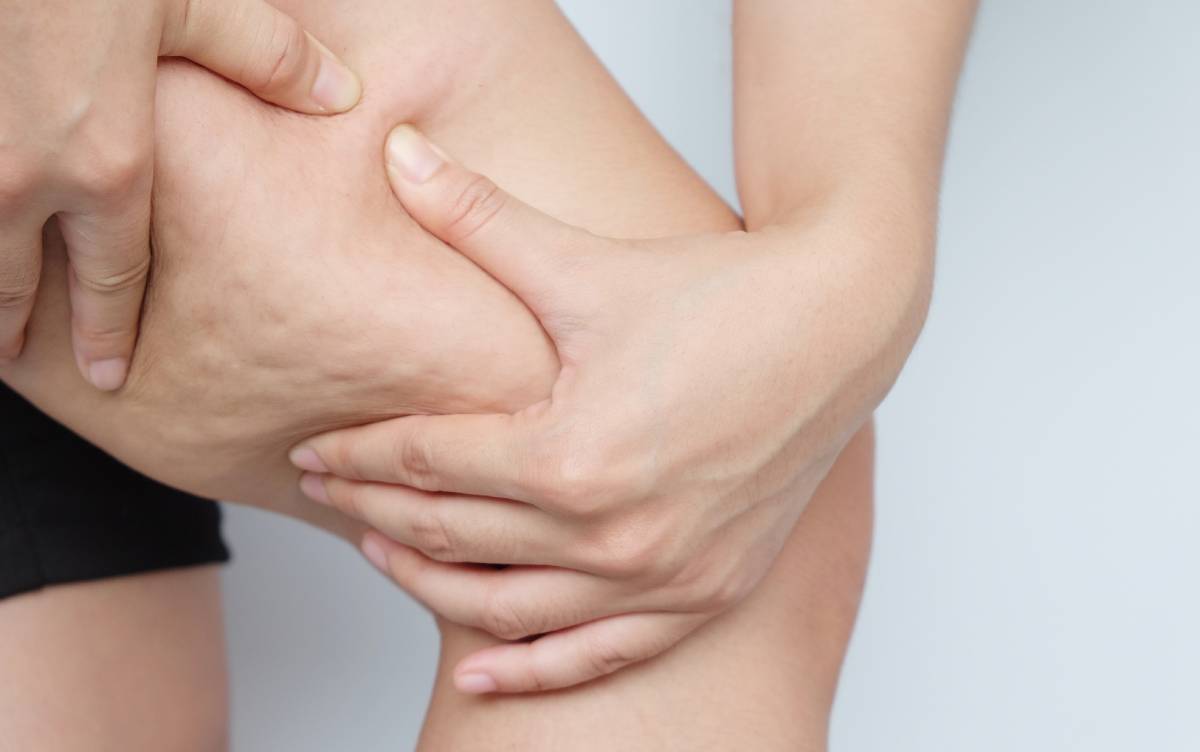
Female thighs with cellulite.

Do Genetics Play a Role in Cellulite Formation?

Cellulite can appear on the body when fibrous connective tissue tugs on fatty deposits beneath the skin. This creates irregular skin patterns and a textured appearance. The lumpy and dimpled skin texture is commonly seen on the buttocks, abdomen, and thighs.

Genetics plays an important role in the development of body cellulite. Several factors can exacerbate the visibility and severity of cellulite, including a family history of cellulite.

The Role of Genetics in Cellulite Formation

Some individuals may have a genetic predisposition to cellulite. There are variants in genes related to tissue function, collagen metabolism, and inflammation.

Common genetic variants are associated with insulin resistance, obesity, and inflammation. These variants may contribute to the development of cellulite. When cellulite develops and skin texture changes, many seek treatment to help smooth the skin.

Risk Factors for Cellulite

Cellulite has a significant genetic component. Although family history plays an important role, other factors also contribute to cellulite development.

Some of these factors include:

  • Connective tissue or fibrous band weakness
  • Reduced antioxidant capacity
  • Inflammation
  • Weight gain
  • Poor circulation

In addition to this, other risk factors consist of the following:

  • Race
  • Age
  • Pregnancy
  • Increased subcutaneous fat
  • Gender
  • Diet
  • Sedentary lifestyle

Those who belong to any of the above categories may see an increase in cellulite development.

How Cellulite Develops Due to Genetics

The National Library of Medicine states that genetic predisposition is a significant factor in the development of cellulite. Individuals with a family history are more likely to develop cellulite due to how genetics influence the following:

  • Skin structure
  • Metabolic rate
  • Fat distribution

All of the above contribute to the formation of cellulite. The severity of cellulite present depends on the many variations in genes related to connective tissue and cellulite formation.

The higher prevalence of cellulite in women compared to men can be attributed to the variations in connective tissue structure, fat distribution, and hormonal variables.

Cellulite Removal Treatment Options

Health risks are not linked to cellulite, as it is not a severe medical condition. However, cellulite can be a significant aesthetic concern for people, affecting body image and self-esteem.

While treatment is not necessary for those with cellulite, if you are concerned about the appearance of your skin, consider speaking with a doctor or dermatologist to rule out any skin conditions or diseases.

Some of the cellulite removal treatment options include:

  • Injections to balance out the uneven texture of the skin
  • Ultrasound therapy to break down the fibrous bands that are a leading cause of cellulite
  • Radiofrequency therapy to provide skin tightening and collagen induction, creating youthful skin

If you are interested in having cellulite removed, any of the above treatments can be helpful. Results from treatment last months to years.

The Link Between Metabolic Syndrome and Cellulite

Just as with cellulite, genetics plays a significant role in metabolic syndrome, influencing factors such as lipid metabolism, fat distribution, and insulin sensitivity. Those with a family history of hypertension, cardiovascular diseases, or type 2 diabetes are more likely to develop cellulite.

Specific genetic variants are associated with metabolic syndrome and affect the body’s ability to manage energy, fat, and blood sugar. The severity of cellulite can vary due to differences in genes related to connective tissue structure and function.

Find Treatment at Epione

At Epione Beverly Hills, we provide clients with a state-of-the-art facility that offers a comfortable and safe experience. Our team of fully trained professionals can help you focus on your individual goals and tailor any treatment to your preferences.

Dr. Simon Ourian is the most sought-after, A-list, and aesthetic specialist in the world. Ourian is a cosmetic dermatology expert who can remove cellulite, helping you achieve the results you want. Reach out to us today to speak with one of our professionals and schedule a consultation to learn more about your options.

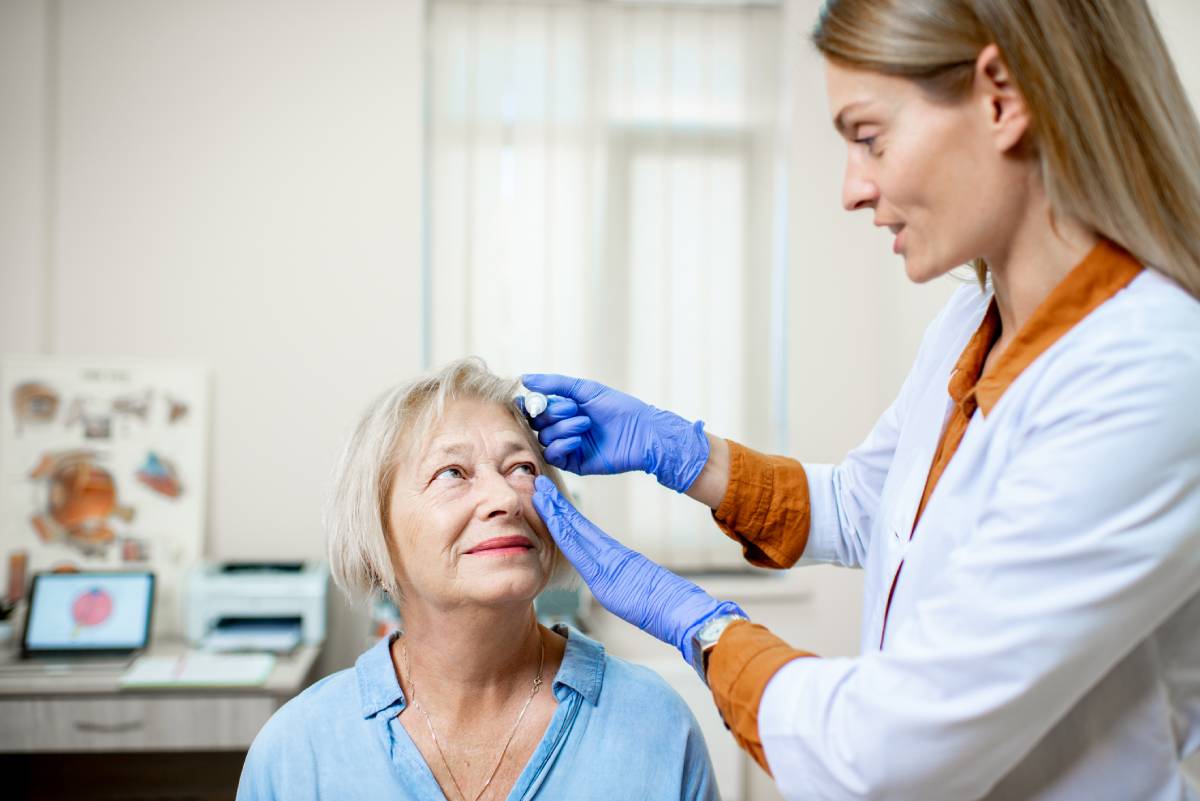
Female doctor examining eyes of a senior patient.

How Age Impacts Eyelid Surgery Results

Eyelid surgery can give you a refreshed appearance. It opens the eyes and leaves you looking years younger. Eyelid surgery provides long-lasting, highly effective results. However, it cannot stop the aging process entirely. It also cannot stop damage caused by poor lifestyle factors. Some of the most common causes of skin damage include sun exposure, poor sleep, chronic stress, and poor overall health. It is critical to live a healthy lifestyle and adopt habits that support the integrity of your skin. Below, you will find how aging impacts the look of your eyelids after surgery.

How Age Impacts Eyelid Surgery Results

Understanding how aging affects the eyelids after surgery is important. It can help manage your expectations about how long the results last. It can also help you engage in habits that protect your eyelid surgery results. Below are some common ways aging affects your surgical results.

Skin Elasticity Changes

The natural aging process reduces the production of collagen and elastin. This begins as early as your 20s. The reduction in key proteins affects skin firmness and elasticity. This impacts the skin around your eyes, as it is thinner and much more delicate. After eyelid surgery, the eyelids remain affected by reduced collagen and elastin. This does not mean that the surgery failed. It is just a natural part of the aging process. If you notice this after surgery, several skin treatments can boost collagen and elastin.

Muscle Tone and Support Changes

Eyelid surgery at the top plastic surgery center tightens up loose skin and removes excess fat. However, it also tightens the muscle that supports the upper eyelid. This leaves your eyes looking smooth and firm. However, the muscles that support the eyelids continue to weaken as you age. This does not stop just because you had surgery. Protecting your skin from damage can help reduce the impact of aging on the tissues and muscles around your eyes.

Fat Redistribution Over Time

Aging causes fat to redistribute or diminish. The area around your eyes is not immune to this. Changes in fat around the eyes can impact your results. Eyelid surgery reshapes the area during the procedure. However, changes in fat can occur after surgery. A skilled surgical approach is necessary to reduce the risk. Working with a plastic surgeon with experience in eyelid surgery is a top priority.

Effective Ways to Maintain Your Surgical Results

The surgery and the surgeon you choose are two very important decisions when it comes to eyelid surgery. Additionally, caring for your skin and health afterwards is just as important. Your daily habits can maintain your results for years, despite the natural aging process. Consider the following ways you can ensure your results last.

Protect Your Skin

Sun damage is one of the leading causes of premature aging. It especially affects the area around the eyes, where the skin is thinner and much more delicate. Harmful sun rays break down the collagen in the skin. This ultimately weakens your skin’s structure. The best way to combat this is to wear SPF 30 or higher daily. This is true even if you do not go outdoors. Avoid the sun during peak hours. If you do go outdoors, wear protective eyewear and a wide-brimmed hat for added protection.

Avoid Smoking

Smoking is one of the easiest ways to damage your skin. It reduces blood flow and damages collagen. This speeds up the aging process and impacts the results of your eyelid surgery. Avoid smoking altogether. If you cannot stop smoking on your own, consult with a medical professional. Quitting has so many benefits, including your long-term skin and overall health.

Healthy Sleep Routine

Sleep has a major impact on cell repair. Poor sleep or an inconsistent sleep routine can cause serious health issues. It can also impact the appearance of your skin. People who are sleep-deprived often have dull, saggy skin. Dark circles are also common, which can make you look tired and much older than you are. Aim for at least seven to nine hours of sleep each night. If you have been struggling with sleep for more than 2 weeks, consult a medical professional. There are serious long-term consequences to your health and appearance.

Top Plastic Surgery Center

The natural aging process can impact the look of your eyes. If you are unhappy with the way you look, contact Dr. Brent’s team today to schedule your consultation!

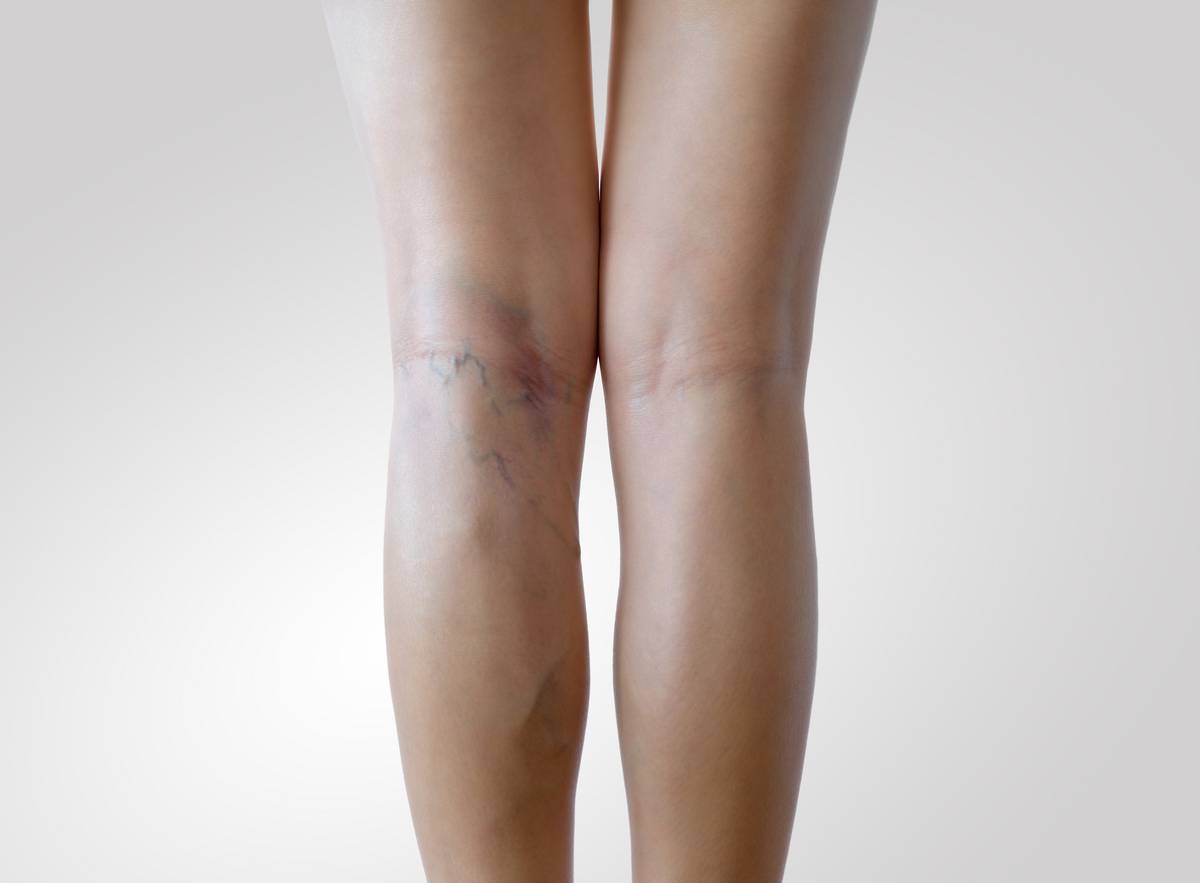
Sign of varicose veins symptoms on a legs.

How to Lower Your Risk of Arterial and Venous Ulcers

Arterial and venous ulcers affect millions of people every year, causing pain, mobility complications, and serious health difficulties when left untreated. Many seek help from a vascular treatment center only after ulcers have already developed. While you should definitely seek medical care when these types of ulcers present themselves, prevention is a far more effective approach than treatment after the fact. Consulting an ulcer and wound care specialist can help you determine your risk factors and intervene before wounds appear. You can significantly reduce your risk of developing arterial and venous ulcers by arming yourself with some knowledge and taking proactive steps to protect your vascular health.

What Are Arterial and Venous Ulcers?

Arterial and venous ulcers share many similarities, making identification tricky. Venous ulcers typically develop on the inner lower leg and are often shallow but large with irregular edges. Surrounding tissue may appear shiny, warm, or scaly. Wound care dressings are often necessary due to moderate to heavy discharge. Many patients report experiencing a dull, aching pain.

Arterial ulcers are caused by insufficient blood flow and most often occur on the foot, between or at the tips of the toes, at pressure points, and on the heels.  They can vary in size and have well-defined edges. The wound appears “punched out” and is often yellow, brown, or black in color. These wounds are often deep, but when caught early on, they can appear shallow. In contrast to venous ulcers, arterial ulcers have minimal drainage. Patients also report that these ulcers are excruciating, and elevation can increase discomfort.

Etiology & Risk Factors

When leg nerves sustain damage, it can lead to leg ulcers. Venous ulcers are caused by inadequate blood flow, which can pool in an area of your body. This can damage the vein and cause leakage of blood cells and fluid. Edema, or swelling, is often present, leading to poor blood circulation in leg tissue and, over time, the formation of an ulcer as the tissue dies. Common risk factors of venous ulcers:

  • Disorders involving blood clotting.
  • Varicose veins
  • Obesity
  • Heart failure
  • High blood pressure
  • Deep vein thrombosis
  • Injuries or trauma
  • Pregnancy

Arterial ulcers develop when blood flow to your lower extremities is impaired. This is commonly caused by peripheral artery disease. Passages narrow, restricting oxygen-rich blood from reaching leg tissues as fatty plaque builds inside arterial walls. Without oxygen-rich blood properly circulating to your lower extremities, fluid is secreted that drains into the surrounding tissues, triggering skin breakdown. Common risk factors of arterial ulcers:

  • Smoking
  • Diabetes
  • High cholesterol
  • High blood pressure
  • Age
  • Vasculitis thickening of the arteries
  • Kidney failure

Arterial and venous arteries may seem like they are the same, and in a lot of ways, they share great similarities. The difference lies in the direction of bloodflow. Arterial ulcers involve difficulties with blood delivery, while venous complications arise from issues with blood return.

Lowering Your Risk

Your greatest advantage in reducing your risk of developing both ulcer types is to be proactive with preventive measures. Attention to circulation and overall health is a good first step to achieving better outcomes. Regular exercise, such as walking, builds strength and supports healthy blood flow. Quitting tobacco use is beneficial to your health in every way, including protecting your arteries from damage that can restrict blood flow.

If you have conditions like diabetes, blood pressure issues, or high cholesterol levels, effective management will go a long way in reducing your risk and preventing leg ulcers. Keeping a healthy weight reduces strain on both arteries and veins. Always be mindful of prevention and daily inspection of high-risk areas to spot early warning signs.

Protect Your Vascular Health

Arterial and venous ulcers cause significant pain and complications, but in most cases, they are preventable with the right steps. You can protect your vascular health by staying active, managing any underlying conditions, maintaining a healthy weight, and quitting tobacco use. Taking small steps leads to reaching significant milestones when you are consistent and sets you up for the best possible prevention.

Woman Sitting on Couch with Hot Water Bottle for Menstrual Pain Relief.

Recovery After Uterine Artery Embolization

Uterine Artery Embolization (UAE)—also commonly called Uterine Fibroid Embolization (UFE)—is a minimally invasive treatment that offers significant relief from fibroid symptoms without the need for major surgery. One of the biggest advantages of UAE is the relatively fast recovery time. Most patients return to their regular routines within a week, but that first week is an important window for rest, healing, and symptom management.

If you’re preparing for UAE or have recently had the procedure, understanding what to expect and how to care for yourself can make your recovery more comfortable. Here’s a helpful guide to navigating your first week after UAE with confidence.

What to Expect Right After UAE

Most patients go home the same day of the procedure. Because UAE works by blocking the blood supply to fibroids, it’s normal to experience some temporary symptoms as your body adjusts. These may include:

  • Cramping
  • Fatigue
  • Mild nausea
  • Low-grade fever
  • Pelvic pressure

These symptoms, known as post-embolization syndrome, are expected and typically improve over a few days.

Tips for a Smooth, Comfortable Recovery Week

1. Prioritize Rest the First 48 Hours

Although the procedure is minimally invasive, your body still needs time to recover. For the first couple of days, try to take it easy and avoid:

  • strenuous exercise
  • heavy lifting
  • keep your schedule light
  • rest as needed, even if you feel well

Most people start feeling more like themselves by day three or four, but adequate rest early on helps reduce discomfort and supports a smoother recovery.

2. Stay Ahead of Pain and Cramping

Cramping is very common after UAE, especially on the first day or two. Your provider will typically prescribe pain medication to help you stay comfortable.

  • Take pain medication on a schedule rather than waiting until discomfort peaks
  • Use a heating pad on the lower abdomen for additional relief
  • Stay hydrated to help minimize cramping

Managing discomfort proactively makes a big difference in how you feel throughout the week.

3. Keep Hydrated and Nourished

Good hydration and balanced meals support your body’s healing process. Try to:

  • Drink plenty of water
  • Choose easy-to-digest foods if you feel slightly nauseated
  • Incorporate fruits, vegetables, and protein for steady energy

Some people notice a slight decrease in appetite right after the procedure—this is normal and usually short-lived.

4. Use Gentle Movement to Promote Healing

While heavy exercise is discouraged during the first week, light movement is actually beneficial.

  • Short walks around your home or neighborhood
  • Gentle stretching
  • Avoid sitting or lying in one position too long
  • Movement helps stimulate circulation, reduce stiffness, and support a quicker return to normal activity.

5. Know What Symptoms Are Normal—and What Aren’t

Most side effects improve within several days, but it’s important to know what’s expected versus what requires medical attention. Normal symptoms include:

  • Fatigue
  • Pelvic pressure
  • Mild spotting
  • Cramping
  • Low-grade fever during the first 48 hours

Contact your provider if you have:

  • A fever above 101°F
  • Intense pain that is not reduced by pain medication
  • Heavy vaginal bleeding
  • Persistent nausea or vomiting
  • Signs of infection at the catheter insertion site

UAE has a strong safety record, and complications are rare, but staying aware helps ensure a healthy recovery.

6. Know When You Can Resume Normal Activities

Depending on how you feel, you can usually return to your daily routine within a couple of days, if not sooner. General guidelines to follow:

  • Driving: As long as you’re not taking narcotic pain medication, you can drive within 24-48 hours
  • Work: You can typically return to work within 3 days
  • Exercise: Wait at least one week before reintroducing workouts, starting gently
  • Sexual activity: Typically after 1–2 weeks, or as advised by your provider

It is best to follow your providers’ instructions for the safest recovery timeline.

Consult with a Specialist

A smooth first week of recovery after UAE can set the stage for excellent long-term results. With rest, good symptom management, and a little preparation, most patients recover quickly and begin noticing improvements in their fibroid symptoms within weeks.

Schedule a consultation with ProFibroid MD to learn more about UAE and get personalized guidance for a safe, comfortable recovery.

Woman taking sanitary pad from table, suffering from menstrual pain, closeup.

How Fibroids Affect Your Menstrual Cycle and Daily Life

Fibroids are a common condition that impacts women. They are noncancerous tumors that form in or around the uterus. The impact of fibroids can range from mild to major, depending on the person. Understanding fibroid symptoms is important so you can seek help from a specialist. You may notice symptoms impacting your daily life, including your energy levels and monthly cycle. Below you will find how fibroids affect your menstrual cycle and daily life.

How Fibroids Affect Your Menstrual Cycle and Daily Life

Fibroids often develop during the reproductive years. This is often why many people notice symptoms of fibroids during the menstrual cycle. Fibroids can vary in size and location. Both factors play major roles in how the condition affects your period and daily life.

Impact on Menstrual Cycle

There are several ways fibroids can impact your menstrual cycle. If you experience any of the following, it is important to consult with a medical professional.

Heavy or Longer Periods

Fibroids can put pressure on the uterine lining. This can increase bleeding during your menstrual cycle. Periods may also last longer than usual. Both of these issues can impact your daily life. You may notice large clots and bleeding that lasts more than one week. The frequency at which you change your pads or tampons may increase substantially. These are signs that it is time to consult with a fibroid specialist. They can assess your symptoms, run labs, and determine the best course of action.

Severe Cramping

Pressure from fibroids can make cramps unbearable. Many people experience stronger and more intense cramping before and during their cycle. This can make sleep and daily life difficult. If you have severe cramping during your cycle, you should be evaluated. A skilled fibroid specialist can provide you with options to improve your quality of life.

Irregular Bleeding

Fibroids can cause irregular bleeding. This includes spotting between periods and unpredictable cycles. This can make it challenging to track your cycle. Many patients with fibroids experience such painful cycles that they need to plan their daily life around them. Irregular bleeding can make this exceptionally difficult. If your cycle has been irregular for more than two to three months, consult with a medical professional right away.

Impact on Daily Life

You may notice several ways that fibroids impact your daily life. If fibroids lead you to experience one or more of the following, consult with the top fibroid specialist for support.

Pelvic Pressure

Many women report feeling pelvic pressure or fullness in the lower abdomen. It is often described as feeling bloated. This occurs even if you have not eaten yet. The pressure can make sitting for long periods extremely uncomfortable. It can also make it difficult to find clothes that fit and feel comfortable.

Frequent Urination

Fibroids can press against the bladder. This reduces the volume of the bladder. The pressure can lead to frequent urination throughout the day and night. This can disrupt your daily life and sleep. This can lead to a vicious cycle of sleeplessness and daytime fatigue. It is important to consult with a medical professional due to the impact on your life.

Fatigue and Lower Energy

Heavy menstrual bleeding caused by fibroids may lead to low iron levels. Lower iron levels make you feel tired, short of breath, or lightheaded. Fatigue can impact your daily life, including work, school, and relationships. Feeling tired all the time can make even the smallest tasks difficult.

Top Fibroid Specialist

Fibroids can impact your health and daily life. If you need treatment, contact the team at ProFibroid MD today to schedule your consultation!

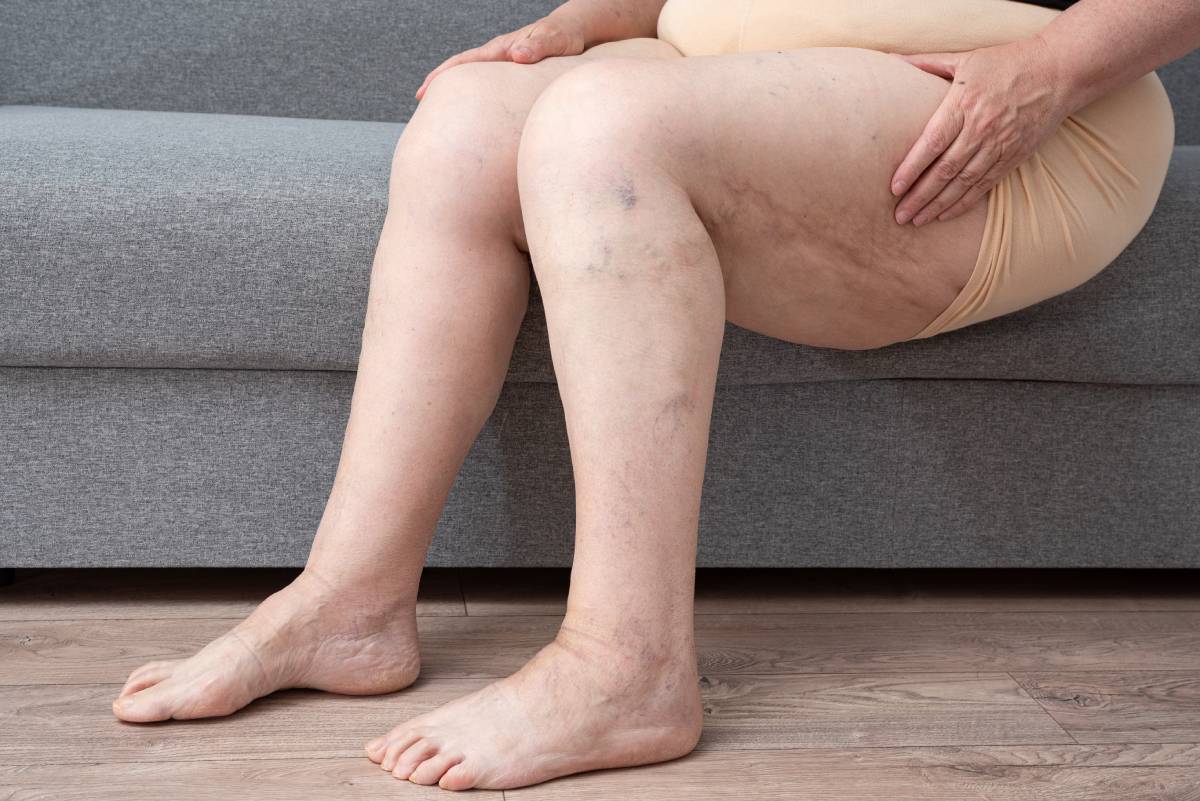
Legs of an anonymous elderly woman with vascular dilation. Veins on the legs of an overweight person, health problems.

Early Signs of Venous Insufficiency

Venous insufficiency is often dismissed by millions worldwide as normal signs of aging or fatigue. Categorized as a progressive vascular condition, it occurs when leg veins have difficulty efficiently pumping blood back to the heart. The result is pooling of blood in the lower extremities. Early intervention is always your best chance to slow the progression of any condition, including venous insufficiency. Consulting with a vascular & vein center can help you prevent serious complications and improve symptoms related to this ailment.

What is Venous Insufficiency?

Damage to your leg veins causes them to work improperly; when this happens, it is referred to as venous insufficiency. Damage to the valves in your legs causes blood to pool rather than flow back to your heart as it should. The buildup and increase in pressure can cause swelling and ulcers.

Causes

Venous insufficiency is the result of damage to the veins in your legs. This can be due to:

  • Malformations in your legs from birth.
  • Changes in your leg veins prevent them from functioning correctly.
  • Other conditions that cause damage to leg veins include deep vein thrombosis.

Early Warning Signs

The earliest noticeable symptoms of venous insufficiency often appear on the skin’s surface. Spider veins, varicose veins, swelling, discoloration, and aches are all indicators of this vascular condition. If you experience any of these early signs, consider scheduling a visit with your physician.

Progressive Symptoms

As venous insufficiency progressively worsens, symptoms become more pronounced and life-affecting. Advanced stages bring more intense swelling, with your legs feeling tired and heavy, severely limiting your daily movement. Skin changes are more prominent and concerning. Pain increases from mild to persistent, and leg ulcers develop. Ulcers are a sign that you are experiencing severe venous insufficiency, which needs medical attention immediately. Minor injuries can lead to infection requiring aggressive vascular intervention.

Risk Factors and Prevention

The risk of venous insufficiency has several contributing factors. Anyone over the age of 50, of female gender, who is pregnant, or has a family history of venous insufficiency, is at an elevated risk of developing this condition. Obesity is another factor to consider, as it puts added pressure on your leg veins. Making relevant lifestyle modifications can help significantly reduce your risk and slow progression.

Treatment

The earlier venous insufficiency is detected, the less aggressive the treatment necessary. Immediately consult with a specialist if you begin to notice persistent leg swelling, varicose veins, discoloration in your legs, or chronic leg pain and heaviness. Modern vascular and vein centers offer diagnostic testing and can help you get appropriate treatment. Treatment can be as simple as lifestyle modifications and compression therapy, or as complex as phlebectomy.

Getting Ahead of Venous Insufficiency

Catching venous insufficiency early means less invasive treatment options and a greater chance of slowing its progression. This condition is highly treatable with modern medicine offering a wide range of minimally invasive options that help alleviate the symptoms by restoring proper blood flow in your leg veins. Persistent leg symptoms should never be ignored. If you are experiencing any of the early signs of venous insufficiency, schedule an appointment with an experienced vascular specialist for testing. Early intervention can help prevent complications and improve overall outcomes. Act early on warning signs and be sure to seek medical professionals with the credentials necessary to properly diagnose and treat venous insufficiency. It is never a good idea to gamble with your health, and gambling with venous insufficiency could leave you physically, mentally, and financially hurting.

Catch venous insufficiency early; consult with a vascular and vein center today.

Older couple working out together.

What’s the Safest Way to Lose Weight With a Heart Condition?

Losing unnecessary weight is vital to a person’s well-being. It can improve overall health, boost confidence, and reduce the strain on vital organs. But if you have a heart condition, you need a plan tailored to your unique needs and situation. Many cardiologists emphasize that the answer to “What is the safest way to lose weight with a heart condition?” is a medically supervised and gradual approach that both protects cardiac function and supports sustainable change.

What Is the Safest Way to Lose Weight with a Heart Condition?

Start with a Medical Assessment

A visit to your cardiologist is important before starting anything or making any changes. There are varied heart conditions, and unfortunately, what is safe for one person may be dangerous to another. Your doctor will review medications, current vital signs, exercise limits, and whether it will be safe for you to enroll in cardiac rehabilitation or to seek the help of a registered dietitian.

Aim for Slow, Steady Weight Loss

Stay away from rapid weight-loss methods, such as extreme calorie restriction, unmonitored fasting, or products containing stimulants. These can alter electrolyte levels, blood pressure, and heart rhythm, which can be dangerous for people with heart problems. A more sustainable and safer goal is .5-1kg per week, adjusted to the patient’s circumstances. Slow loss is gentler on the metabolism and is easier to maintain.

Follow a Heart-Healthy Eating Pattern

Avoid fad diets. Opt for eating patterns known to support heart health:

  • Mediterranean-Style Eating
  • Vegetables, fruits, whole grains, fish, nuts, and olive oil may reduce inflammation and support healthier lipids.
  • DASH (Dietary Approaches to Stop Hypertension): DASH is designed to lower blood pressure by emphasizing lean proteins, whole grains, low-fat dairy, and abundant produce.

General Guidelines

  • Choose whole foods over processed ones
  • Limit your intake of sodium
  • Reduce added sugars and refined carbohydrates
  • Choose unsaturated fats and avoid saturated and trans fats
  • Eat plenty of vegetables and drink plenty of water

Choose Safe, Low-Impact Activity with Clearance

Physical activity is essential, but it must be tailored to your particular needs and condition. It is also important that you get a medical clearance from your doctor before starting anything. Then you may start low-impact, steady exercises that would boost your cardiovascular fitness without undue strain.

  • Brisk walking guided by a doctor-recommended exertion scale
  • Stationery cycling
  • Swimming
  • Light resistance work with bands
  • Low-impact yoga or flexibility routines

Ask your cardiologist how to properly monitor intensity if you are taking medications for heart rate or if you have a pacemaker. If you experience chest pain, fainting, severe breathlessness, or new dizziness, stop and seek immediate medical attention.

Manage Sleep and Stress

Sleep and stress influence weight and cardiovascular health. Ensure that you are getting 7-9 hours of quality sleep each night. Stress-reduction techniques like deep breathing, meditation, counseling, and other activities that help you slow down may be beneficial. Chronic stress may cause an increase in blood pressure and may make you gain even more weight.

Monitor Progress Closely

Track weight, blood pressure, resting heart rate, and any symptoms during activity. Regular follow-ups with your cardiologist will ensure that a professional monitors your progress. They can track your lipid and glucose levels or adjust your medications as you lose weight.

Avoid Unproven Supplements and Stimulants

Many fat burners are available over the counter, and certain supplements have stimulants that may raise your heart rate and blood pressure, and may cause arrhythmias. It is always wise to check with your cardiologist before taking any medications or supplements, including prescription weight-loss drugs, which require medical supervision.

Start Your Medical Weight Management Today

The safest way to lose weight when you have a heart condition is a balance of medical weight management, a nutritious, heart-healthy diet, gentle movement, and quality sleep. Your cardiologist can customize a plan to reduce risks and support long-term success. Work with a heart expert to help you lose weight. Book a consultation with us today.

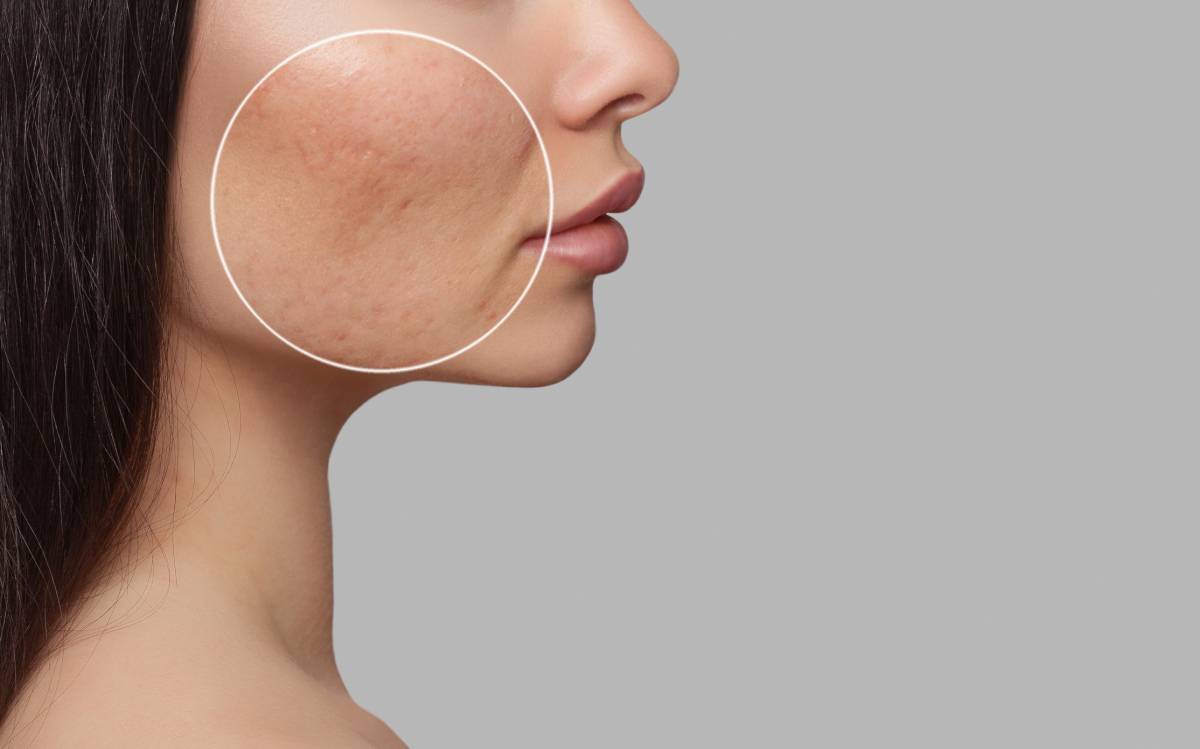
Woman showing before and after treatment for acne.

How Does Laser Acne Scar Removal Work?

It’s very common for people to have struggled with acne in their youth. Unfortunately, acne scars can leave marks on the skin, and these marks can last long after the breakouts have healed. The good news is that, with advancements in dermatology, these marks can now be reduced through laser treatments. But how does laser acne scar removal work? A cosmetic dermatologist can walk you through the process, explain how it helps your skin heal, and the results you can expect.

How Does Laser Acne Scar Removal Work?

Before examining how this procedure works, it is beneficial to first understand what acne scars are. When inflamed blemishes damage the skin tissue beneath the surface, acne scars are formed. As the skin tries to repair itself, it may produce too much or too little collagen. This leads to uneven texture or depressions, or raised and thickened scars called hypertrophic scars.

While dark spots or redness may fade over time, acne scars can affect the skin’s structure. This is why topical creams and home remedies are generally ineffective for this problem.

Laser Acne Scar Removal

To encourage the growth of new and smoother skin, the cosmetic dermatologist uses focused beams of light to target damaged skin layers. These lasers either remove the top layers of scarred skin or stimulate collagen production beneath the surface.

The cosmetic dermatologist will assess the severity of the patient’s scars, skin tone, and the skin’s healing capacity, then customize the laser treatment accordingly. The goal is not only to improve texture but also to even out the pigmentation and restore a more youthful and healthy glow.

Types of Lasers Used

It is important to note that there is no one-size-fits-all laser treatment. Specific types of acne scars usually require different technologies.

Fractional CO₂ Laser

Considered one of the most powerful lasers for treating acne scars, it creates microscopic columns in the skin, removing tiny sections of tissue. At the same time, surrounding areas are left intact for faster healing. Collagen production increases while the skin heals itself, filling in pitted scars and improving skin texture.

Erbium: YAG Laser

This is best for superficial scars. Compared to CO₂ lasers, it causes less redness and requires less downtime. It gently removes the top layer of the skin and stimulates the remodeling of collagen beneath.

Fractional Non-Abrasive Lasers

Without removing skin layers, this type of laser penetrates deeper into the skin to trigger natural healing and collagen regeneration from within. Patients looking for milder treatments and minimal recovery time should consider this option.

Pulse-Dye Laser (PDL)

Often used for red or raised scars, PDL targets blood vessels under the skin. The results are reduced discoloration and a smoother skin surface.

What Happens During the Procedure

The cosmetic dermatologist cleans the skin. To minimize discomfort, a topical anesthetic may be applied. During treatment, patients may experience bursts of heat or mild stinging sensations as the laser passes over the skin. Depending on the treatment area and the type of laser used, the treatment typically takes 30 minutes to an hour.

After the treatment, the skin may appear red, swollen, and feel sensitive, but these side effects usually subside within a few days.

Healing and Results

The results of laser acne scar removal are not instantly visible. The skin heals and regenerates new collagen over the next few weeks. Gradual improvements in texture, tone, and firmness will be observed during this time of healing and regeneration. To achieve optimal results, many patients need multiple sessions spaced several weeks apart.

When combined with proper skincare and sun protection, certain laser treatments can yield long-lasting results.

Heal Your Skin and Boost Your Confidence

Laser acne scar removal is a true game-changer, not only healing your skin but also boosting your self-confidence. However, although they are safe and effective, they are not always suitable for everybody. Patients with very dark skin tones, active acne, or those with certain medical conditions may need to seek an alternative solution. This is where a consultation with a qualified cosmetic dermatologist is essential. They are the ones who can assess your skin, explain realistic outcomes, and design a treatment plan tailored specifically to your unique needs.

If you cannot wait to face the world with smoother, more radiant skin, book a consultation with us today.

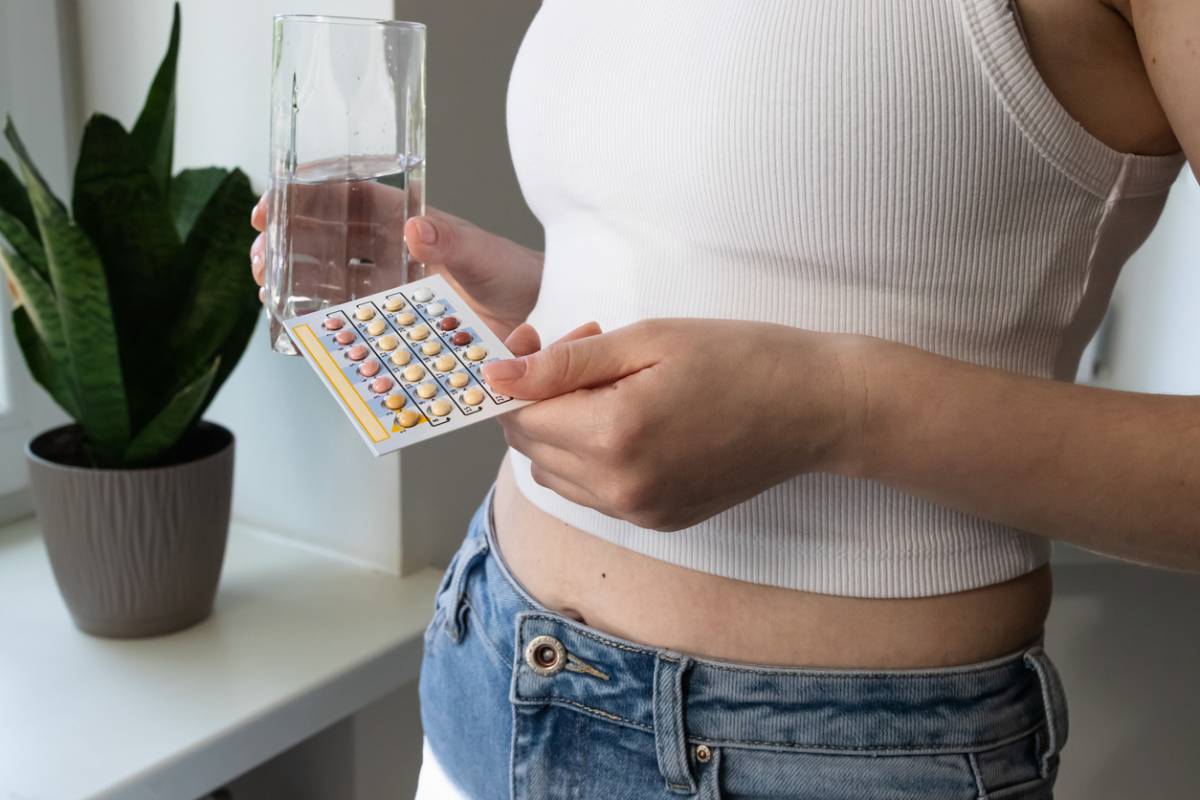
Woman taking oral contraceptive, holding birth control pills and glass of water.

Non-Surgical Fibroid Treatment Options

Uterine fibroids are extremely common, but many women are unaware of the range of effective treatments available—especially those that don’t involve surgery. For individuals seeking symptom relief without long recovery times or invasive procedures, non-surgical options can be a safe and highly effective alternative.

Below, we break down the most widely used non-surgical fibroid treatment options and what to expect from each.

Why Consider Non-Surgical Fibroid Treatment?

Uterine fibroids can cause heavy bleeding, frequent urination, and fertility challenges, among other symptoms. Although surgeries like myomectomy or hysterectomy are standard options, especially for more extreme symptoms, they are not the only options available.

Many patients today opt for non-surgical treatments because they:

  • Avoid general anesthesia
  • Require little to no downtime
  • Preserve the uterus
  • Offer relief from symptoms without incisions
  • Reduce the risks associated with major surgery

Uterine Fibroid Embolization (UFE)

Uterine Fibroid Embolization is one of the most effective non-surgical treatments and is recommended for individuals who want to avoid invasive procedures. This procedure cuts off the blood supply to fibroids, causing them to shrink over time, and is minimally invasive.

How UFE Works

During UFE, a specialist inserts a small catheter into the radial (wrist) or femoral (leg) artery and guides it to the uterine arteries. Tiny particles are released to block blood flow to the fibroids, leading them to shrink and die.

Benefits of UFE

  • Minimally invasive
  • Outpatient procedure
  • Preserves the uterus
  • Effective for multiple fibroids of varying sizes
  • Fast recovery (usually a few days)

Most patients experience an improvement in symptoms after a UFE, making it one of the most successful non-surgical options.

Medication-Based Treatments

Medications alone will not eliminate fibroids, but they are able to help manage symptoms or temporarily shrink fibroids in some instances. These treatments are often used for symptom reduction, short-term relief, or pre-surgical planning.

Hormonal Therapies

Hormonal medications work by adjusting estrogen and progesterone levels – two hormones that play a role in fibroid growth.
Common options include:

  • Gonadotropin-releasing hormone (GnRH) agonists: temporarily shrinks the size of fibroids by stimulating menopausal-like state that is reversible.
  • Progestin-releasing IUD: used to contro heavy menstrual bleeding and cramps, does not reduce fibroid size
  • Birth control pills or hormonal patches: regulates menstrual flow and reduce painful periods, does not reduce fibroid size

Non-Hormonal Medications

  • Tranexamic acid: Reduces heavy menstrual bleeding without altering hormone levels.
  • NSAIDs (e.g., ibuprofen): Pain medication for mild symptoms
  • Medication-based treatment is most useful for those with mild symptoms or those seeking temporary relief.

MRI-Guided Focused Ultrasound (MRgFUS)

MRI-guided focused ultrasound is a targeted non-invasive treatment that uses high-intensity ultrasound waves to heat and destroy fibroid tissue. This helps relieve heavy bleeding and pain.

Treatment Overview

  • Performed inside an MRI machine
  • Uses focused soundwaves to target fibroids precisely
  • No incisions or hospital stay
  • Suitable for certain fibroid types and sizes

Who Is a Good Candidate?

MRgFUS is typically recommended for individuals with a limited number of accessible fibroids who want a non-invasive option with a quick recovery. It may not be suitable for deep, large, or numerous fibroids.

Radiofrequency Ablation (Minimally Invasive, But Still Non-Surgical)

Radiofrequency ablation uses heat energy to shrink fibroids and is performed through a small needle-like device inserted through the abdomen or through the vagina (depending on the technique).

Advantages

  • Minimally invasive
  • Quick recovery
  • Preserves uterus
  • Can reduce fibroid volume significantly over time

Although it’s minimally invasive rather than completely non-invasive, many patients choose RFA as an alternative to traditional surgery.

Choosing the Right Non-Surgical Treatment

Selecting a treatment depends on several factors:

  • Symptoms (bleeding, pain, pressure, fertility issues)
  • Fibroid size, number, and location
  • Desire to preserve fertility
  • Personal health history
  • Recovery time preferences

A fibroid specialist can help determine which option is most effective based on your unique needs. In many cases, non-surgical options like UFE offer long-lasting relief with less downtime and fewer risks than traditional surgeries.

Knowing Your Options

Non-surgical fibroid treatments have helped countless people feel more comfortable, energized, and confident—without needing major surgery.

Schedule a consultation with ProFibroid MD to learn more about non-surgical fibroid treatment options and find the right care plan for your needs.