
Archives August 2025

featured image for blog on what happens if you fail a stress test

What Happens If You Fail a Stress Test?

A stress test is an important tool used by a cardiologist to assess how your heart functions under physical activity. But that being said, what happens if you fail a stress test? Failing such a test can be pretty scary, but understanding the process and what comes next can help ease concerns and prepare you for the right steps forward.

At Apex Cardiology, we provide thorough and compassionate care through advanced stress testing designed to uncover any hidden heart issues and guide effective treatment. Let’s dive right in and discuss what comes after your stress test.

Understanding What a Stress Test Measures

While knowing why you failed a stress test matters, it can also be helpful to know what it was measuring in the first place. Stress testing evaluates how well your heart works when it’s pushed to beat faster and harder. This helps reveal problems that might not show up when your body is at rest.

What the test checks for:

  • Blood flow to the heart muscle during exertion
  • Heart rate and rhythm under stress
  • Exercise capacity and endurance
  • Symptoms like chest pain, shortness of breath, or dizziness during activity

By comparing your heart’s response during exercise to your resting state, your cardiologist gains valuable insights into potential heart disease or other cardiac concerns.

What Happens If You Fail a Stress Test?

When a stress test shows abnormal results, or in everyday terms, when you “fail” a stress test, it means your heart may not be getting enough blood flow during exertion. This can be a sign of coronary artery disease, irregular heart rhythms, or other cardiovascular problems.

Failing a stress test doesn’t automatically mean you have a severe heart condition. Instead, it signals the need for further evaluation. Your cardiologist will carefully review your results along with your symptoms, medical history, and risk factors to determine the best next steps.

Common Follow-Up Actions After a Failed Stress Test

If your stress test indicates potential issues, your cardiologist may recommend one or more of the following:

  • Additional diagnostic tests, such as echocardiograms, nuclear imaging, or coronary angiography, may be performed to get a clearer picture of your heart’s health.
  • Lifestyle modifications like diet changes, quitting smoking, or increasing physical activity tailored to your condition.
  • Medications to manage symptoms or reduce risks, such as blood thinners, cholesterol-lowering drugs, or beta blockers.
  • Procedures or interventions, including angioplasty or stent placement if blockages are detected.
  • Each patient’s plan is unique, designed to address their specific needs and improve heart function safely.

What To Expect After Failing a Stress Test

  • Learning you failed a stress test can be unsettling. However, it’s important to remember that the test is only one piece of the puzzle. Your cardiologist at Apex Cardiology will work closely with you to:
  • Explain your test results in clear, understandable terms
  • Answer your questions and discuss any symptoms you may be experiencing
  • Develop a step-by-step care plan based on the findings
  • Schedule further tests or follow-ups as needed

This personalized approach helps make sure that you get the care you need with as little worry as possible.

How Stress Testing Supports Long-Term Heart Health

Even if you pass your stress test with flying colors, this test is a valuable tool for monitoring your heart health over time. For those who fail, it provides critical information that can prevent serious complications through early detection and intervention.
Regular check-ins and follow-up stress tests may be recommended based on your risk factors and heart condition.

Taking the Next Step Toward Heart Wellness

Failing a stress test is not the end of the road—it’s an opportunity to take charge of your heart health with the guidance of skilled professionals. At Apex Cardiology, our team of expert cardiologists is ready to support you through every step of diagnosis and treatment. Contact us today to schedule a consultation and get the answers and care you deserve.
Featured image for How Does Jawline Contouring Work?

How Does Jawline Contouring Work?

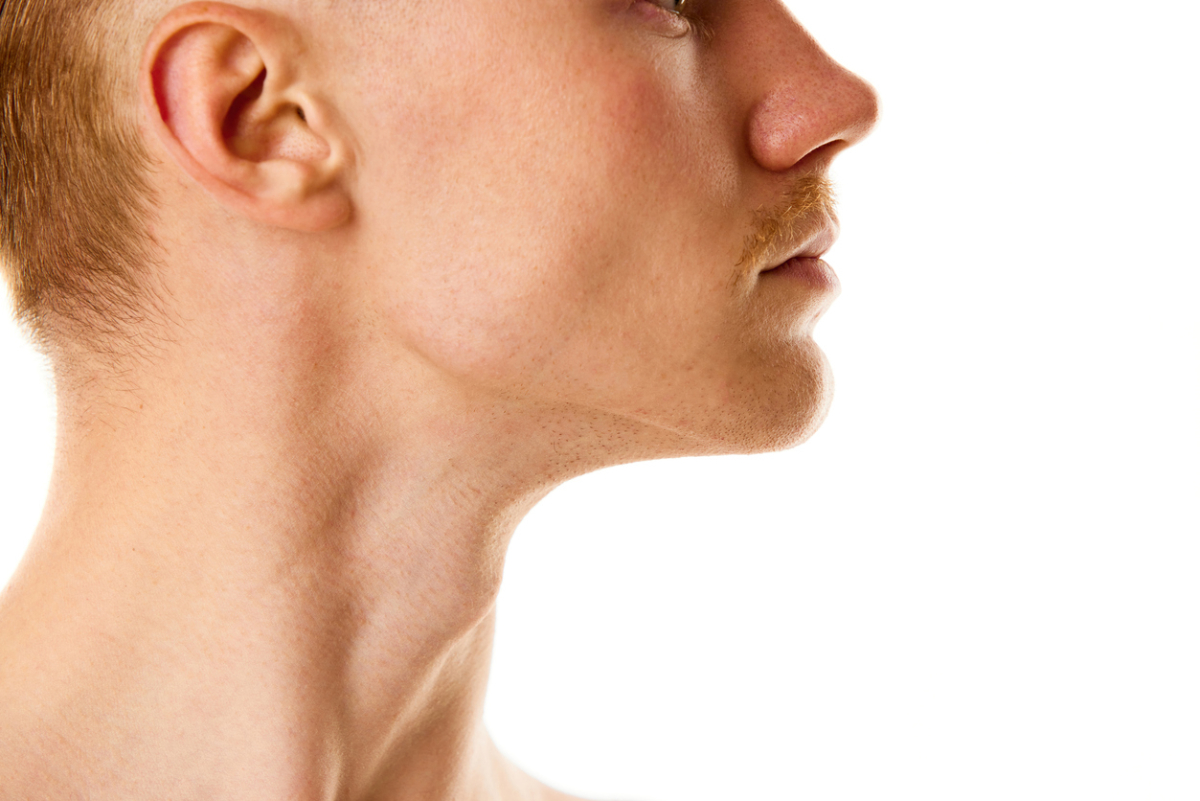
The rising popularity of jawline contouring has prompted many to seek information about the procedure from qualified cosmetic dermatologists. This advanced aesthetic treatment sculpts and defines the lower face, creating harmonious facial proportions through minimally invasive techniques. Modern jawline contouring procedures enhance facial structure without extended recovery periods, making them an attractive option for those seeking facial refinement. Many who are interested in the procedure wonder: How does jawline contouring work? We answer this question below and provide more information about the treatment.


Understanding the Science Behind Jawline Enhancement

The foundation of jawline contouring is in understanding facial anatomy and the natural aging process. Over time, your skin loses collagen and elasticity, leading to sagging along the jawline and neck area. Injectable treatments target specific areas to restore definition and create appealing contours that complement your natural facial features. The procedure addresses common concerns, including a lack of definition, asymmetry, and age-related volume loss.


Treatment Options and Techniques

Dermal fillers remain the primary method for enhancing the jawline. These FDA-approved substances, typically composed of hyaluronic acid or calcium hydroxylapatite, add volume and structure to predetermined points along the jaw. A skilled cosmetic dermatologist carefully places these fillers to achieve optimal definition and balance. The strategic placement of these materials creates improved structural support and enhanced facial proportions.

Botulinum toxin injections, also known as Botox, may complement dermal fillers by relaxing muscles that contribute to jaw tension or unwanted fullness. This combination approach yields excellent results, particularly when addressing masseter muscle prominence or mild jowling. The dual treatment strategy often yields longer-lasting improvements in jaw definition.


The Consultation Process

Before beginning treatment, a thorough consultation establishes realistic expectations and identifies the most suitable approach. During this evaluation, your cosmetic dermatologist examines facial structure, skin quality, and discusses aesthetic goals. Medical history, previous treatments, and potential contraindications factor into developing a personalized treatment plan. The consultation also provides an opportunity to address questions about the procedure, recovery, and expected outcomes.


The Treatment Experience

The actual jawline contouring procedure typically takes 30 to 45 minutes. Your plastic surgeon will apply topical numbing cream to minimize discomfort, and some may use additional pain management techniques. Using specific injection techniques, the cosmetic dermatologist strategically places fillers to create definition and symmetry. Many patients notice immediate improvements, although the final results develop over the subsequent weeks. The treatment process involves minimal pain and can be performed during a lunch break.


Recovery and Results

Most patients return to regular activities immediately after their jawline contouring treatments. Minor swelling or bruising may occur, but it generally subsides within a few days. Results from dermal fillers typically last 12-18 months, while Botox effects remain for 3-4 months. Regular maintenance appointments help sustain desired outcomes. During recovery, patients might experience mild tenderness at injection sites, which typically resolves quickly.


Safety Considerations

Choosing a board-certified cosmetic dermatologist remains crucial for achieving safe and effective jawline contouring. These specialists possess extensive knowledge of facial anatomy and have specialized experience with injectable treatments. They adhere to strict safety protocols and utilize FDA-approved products to minimize risks and complications. Professional practitioners maintain sterile environments and implement proper injection techniques to prevent adverse effects.


Post-Treatment Care

Following treatment, you will receive specific instructions to optimize results and minimize potential side effects. These guidelines might include avoiding strenuous exercise for 24 hours, sleeping with the head elevated, and applying ice packs to reduce swelling. Proper aftercare has a significant impact on the treatment’s outcome and longevity.

Investing in professional jawline contouring with a qualified cosmetic dermatologist offers natural-looking results that enhance facial harmony. Through careful planning and expert application, these treatments create balanced, defined features that complement existing facial characteristics. The combination of advanced techniques, premium products, and professional expertise delivers reliable outcomes for patients seeking improved jaw definition.


Jawline Contouring in Beverly Hills

To learn more about jawline contouring, schedule a consultation today. 

featured image for how does nonsurgical rhinoplasty work

How Does Nonsurgical Rhinoplasty Work?

With nonsurgical rhinoplasty, patients finally have access to their preferred aesthetic without going through surgery. Avoid the risks and downtime and all the rest. But how does nonsurgical rhinoplasty work?

How Does Nonsurgical Rhinoplasty Work?

Traditional rhinoplasty uses invasive methods to reshape the bone and tissues of the nose. This can involve permanent implants or even shaving away bone material. Understandably, many patients do not want to go through that.

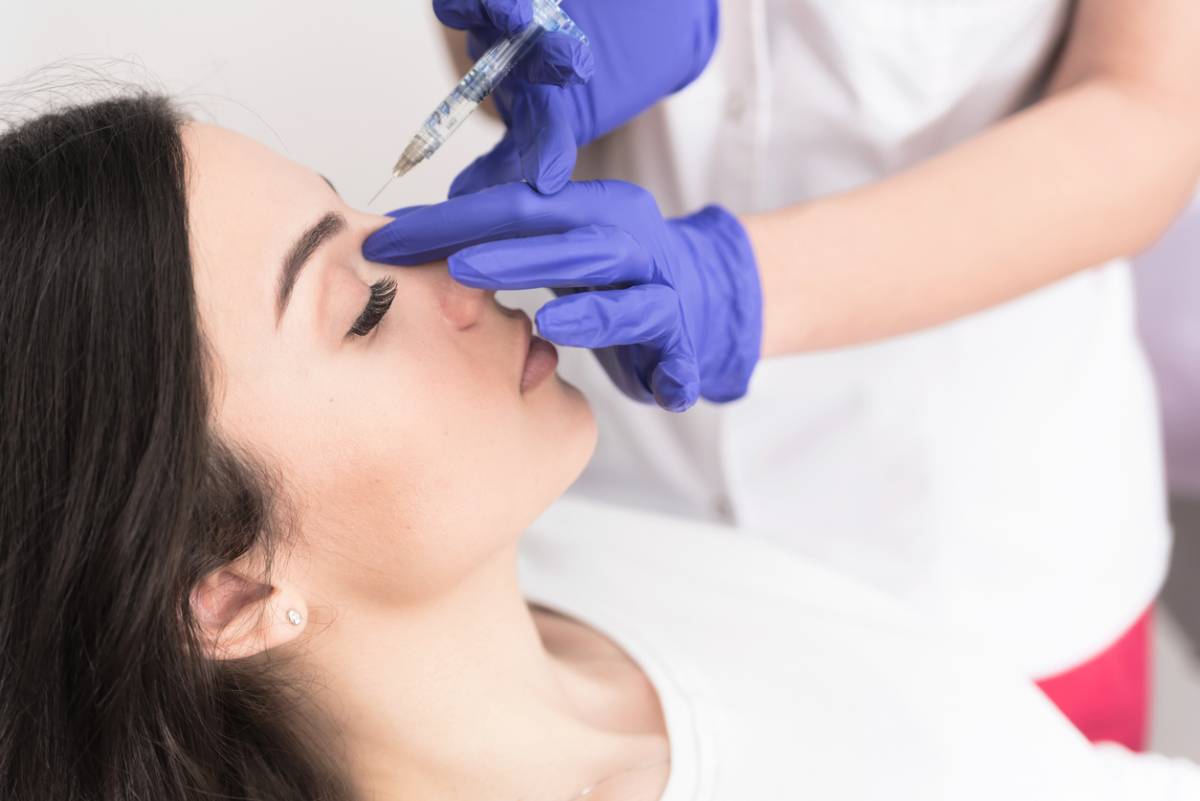
Nonsurgical rhinoplasty takes a gentler approach that requires less commitment. It reshapes the nose using only dermal fillers. Your specialist will inject selected fillers at key points to subtly alter the nose’s appearance.

Step 1: Injections

Your specialist will work with you to build a suitable treatment plan. This includes the type of filler and the number of injections.

On the day of treatment, you will be fully awake. Thus, you maintain complete control over the treatment. If something does not look quite right, you can let your specialist know. They can then adjust the treatment to better match your goals.

By the time you leave the office, you will already see your results. After mild swelling goes down, you can already see your full results.

Step 2: Repeat

Dermal fillers can last for months to years, depending on the type. However, they are not permanent. This means that nonsurgical rhinoplasty results last as long as the fillers do.

However, repeating the treatment is far easier than having another surgery. Simply come in for a touch-up treatment, and your results are restored.

Many patients even use this opportunity to make small alterations. Unlike with surgery, nonsurgical approaches let you try out different aesthetics with minimal commitment.

Why Dermal Fillers?

Dermal fillers are used in myriad ways in cosmetic treatments. Extending their use to nonsurgical rhinoplasty allows for several key benefits. These include:

Temporary Results = Less Commitment

Changing the shape of your nose is a big step. Since fillers eventually dissolve, patients do not need to worry about a lifelong commitment. They naturally break down after several months. But if you do not like your results, you can even use hyaluronidase to break down the filler faster.

Many surgical rhinoplasty patients have a hard time adjusting to their new look. The nonsurgical approach places you under less pressure. Allowing you to adapt to your new aesthetic without the lingering worry of lifelong commitment.

Natural Look and Feel

Dermal filler solutions contain hyaluronic acid. This compound naturally occurs in the body and attracts water. This leads to a more natural feel to the nose compared to prosthetics or implants.

Fillers also allow for more flexibility in changing your results. Traditional rhinoplasty would require a whole second surgery to alter results. The nonsurgical approach allows for easier tailoring for a look that is 100% you.

Can a Nonsurgical Rhinoplasty Decrease Nose Size?

Nonsurgical rhinoplasty only can add volume to the nose. While this might seem restrictive at first, it actually is more flexible than many patients imagine.

A common goal for rhinoplasty patients is to create a straight nose bridge. While you might think removing tissue accomplishes this goal, it often requires the opposite. By adding filler to the nose, it can straighten its profile.

However, this does not increase the visual size of the nose. So while filler adds to the nose, it can create the sense of a smaller, more balanced nose due to its shape and profile.

Beverly Hill’s Top Cosmetic Dermatologist

Dr. Ourian has served as a cosmetic dermatologist to some of the top names in Hollywood and Beverly Hills. Contact his office today to set up your consultation.