
Archives September 2025

featured image for how long does it normally take for a wound to heal

How Long Does It Normally Take for a Wound to Heal?

The body can regenerate in surprising ways. Its ability to close wounds is downright stunning. However, you may need to see a vascular wound care specialist if a wound refuses to heal. But how long does it normally take for a wound to heal?

How Long Does It Normally Take for a Wound to Heal?

As soon as the body sustains a wound, mechanisms activate that work toward its eventual healing. Generally, this can take anywhere from 1 to 4 weeks. However, that time frame will differ based on a few factors.

Wound Severity

The depth, size, and severity of a wound all influence healing. This is perhaps the most obvious factor. Bigger wounds heal more slowly.

The type of wound can also play a role. Abrasion wounds may heal differently from cuts or punctures. These affect the tissues differently. Minor wounds should heal within about 1 week. More severe wounds, like surgical incisions or puncture, can take up to 4 weeks.

Location

Healing occurs at different rates in the body. For example, minor wounds to the gums can heal very rapidly. That is why you heal so quickly after wisdom teeth extraction.

The lower extremities, in particular, can heal more slowly. This is due to the poorer circulation and more regular stress placed on the limbs.

Age

The unfortunate truth is that our bodies regenerate more slowly as we age. A scraped knee might last for a few days as a kid. But that same injury could take well beyond a week for an adult to heal from.

Additionally, older patients are more likely to have other medical conditions that interfere with healing. Most prominently, vascular conditions will affect healing time. Severe vascular issues may even lead to wounds that refuse to heal after weeks.

Health

Medical conditions play a central role in influencing wound closure. In particular, patients with an immunocompromised state are at particular risk. Infiltration by bacteria could more easily lead to infection or further complications.

Other conditions that can influence wounds and healing include:

  • Coagulation disorders
  • Obesity
  • Diabetes
  • Substance use disorders
  • Circulation disorders
  • Connective tissue disorders
  • And more

Additionally, medications that you are taking for a condition can influence wound closure. Specifically, drugs that influence clot formation and platelet function can impede healing.

Nutrition

Malnutrition or poor nutrient intake can also slow down wound healing. Some of the most important nutrients involved in the wound repair process include:

  • Protein: Crucial for creating new tissue and supporting immune function.
  • Vitamin C: Encourages collagen production, which is essential for wound closure.
  • Zinc: Also supports collagen synthesis and immune functioning.
  • Vitamin A: Promotes cell growth and differentiation, key in wound healing.
  • Vitamin E: An antioxidant that helps protect wounds from additional damage.

Stress

Yes, stress is more than just a mental concern. Chronic and acute stress can both impair the body’s ability to heal.

Studies (for both humans and animals) have shown time and again that stress can substantially delay the healing process. Beyond this, stress can cause a range of other health-related issues.

When Should I Be Worried About a Nonhealing Wound?

Slow wound closure is not necessarily a point of concern. However, you should be aware of certain factors that could point to an issue with the wound healing. These include:

  • Signs of infection (redness, swelling, tenderness)
  • Wounds not improving after 4 weeks
  • Drainage or pus coming from the wound
  • Systemic symptoms (fever, pain, vomiting, nausea)

Wound Care Experts

ProVascularMD Services Los Angeles as a premier vascular treatment center. Contact our team if you have any manner of wound that needs treatment.
featured image for what is the difference between lip filler and lip augmentation

What Is the Difference Between Lip Filler and Lip Augmentation?

Fuller lips are often associated with beauty and confidence. They give a natural youthfulness and soften your expression. Voluminous lips also enhance facial balance and make your smile more noticeable. Many people who have thin lips are unhappy with them. They can even impact their self-confidence. There are several ways to achieve fuller and more shapely lips. Cosmetic enhancements can reverse age-related volume loss and correct asymmetry. They can also help you achieve your desired aesthetic. You may wonder, what is the difference between lip filler and lip augmentation? Below you will find helpful information about lip enhancements and which one is right for you.

What Is the Difference Between Lip Filler and Lip Augmentation?

There are two common ways to enhance the shape, size, and appearance of the lips. Lip filler and lip augmentation are highly popular and effective. They each help you achieve your desired aesthetic. However, they operate in different ways. The enhancement that is right for you depends on your personal goals.

Lip Augmentation

A lip augmentation is a long-lasting surgical option that enhances the lips. It improves the shape and fullness of the lips. The technique used is fat grafting, as it offers a natural and soft look and feel. For patients looking for longer-lasting results, using natural tissue to achieve enhanced lips is the best option. The technique harvests fat from your own body. It is usually taken from the abdomen or thighs. Once extracted, the fat is purified. It is gently prepared to keep the cells alive and healthy. From there, it is injected into the lips to add volume.

Many patients choose this option as it uses their own natural tissue. You do not need to add any synthetic materials to achieve your aesthetic goals. The results leave your lips looking natural and soft, without looking overdone. The results are long-lasting, so you do not have to get regular upkeep treatments throughout the year. The treatment not only improves the fullness, but also the shape and definition.

Fat grafting does involve a minor surgical procedure by a plastic surgeon to extract the fat. Because of this, there is a short recovery period. You will experience swelling and mild bruising in the area where the fat was extracted. However, the results are long-lasting, making the investment well worth it.

Lip Filler

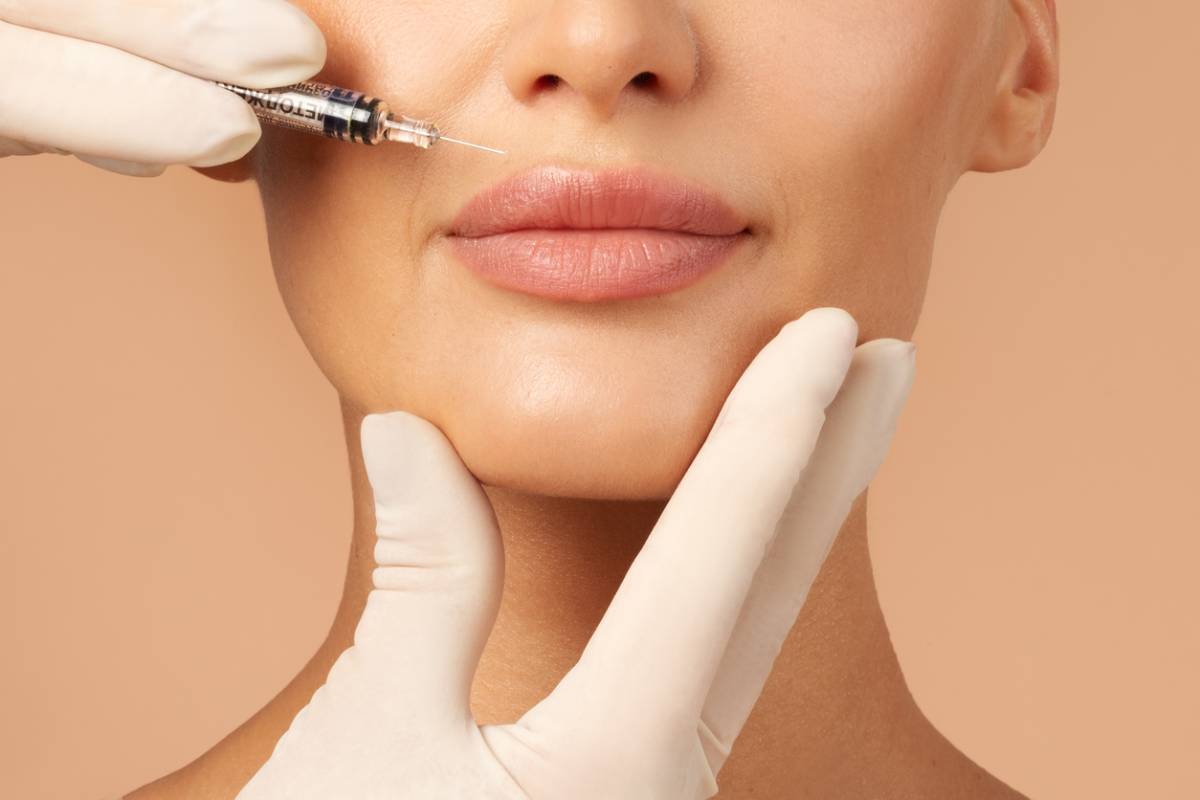
Lip fillers are a non-surgical cosmetic treatment to improve the appearance of the lips. Dermal fillers are made up of smooth, gel-like substances. Most commonly, they are made from hyaluronic acid. Hyaluronic acid is a substance found naturally in the body. Because of this, it is highly safe and biocompatible. Dermal fillers add volume and shape to the lips. Dermal fillers are injected into the lips, and the results are immediately visible.

One of the major benefits of dermal fillers is that the treatment is quick. It is performed in the office, and you can get back to your routine right after your appointment. Depending on your desired aesthetic, you can adjust the treatment over time. You can add more or less with the next treatment. Certain areas of the lips can also be targeted.

Unlike lip augmentation, fillers are temporary. They only last around six to twelve months. This depends on the type of dermal filler you get and your metabolism. If you do not want to fully commit to enhancing your lips permanently, dermal fillers are a great option. Many people continue to get dermal fillers as they can be customized with each treatment.

Which Treatment Is Right for Me?

If you are not happy with the appearance of your lips, there are options. Many people wonder which treatment is best for them. The best way to determine which is right for you is to schedule a consultation with a skilled plastic surgeon. They can look at your lips and go over your aesthetic goals. The consultation is a great place to ask questions. You can also get an overview of how each treatment can help you achieve your desired look.

Dermal fillers are a great option if you want quick results with minimal downtime. They are also a great option if you want flexibility with your appearance. However, if you want long-lasting results, lip augmentation is right for you. They offer a long-lasting solution that offers natural-looking results. The treatment also uses your own fat tissue to achieve fuller lips.

Top Plastic Surgeon

If you want to improve the look of your smile, contact Dr. Brent’s team today to schedule your consultation!

woman holding uterus, female reproductive system ,

Common Fibroid Symptoms and When to Seek Care

Fibroids are incredibly common—so common, in fact, that many women will have them at some point without ever realizing it. These noncancerous growths develop in or around the uterus and can range in size from a pea to a grapefruit. While some cause no symptoms at all, others can significantly impact daily comfort, energy levels, and menstrual health.

Understanding what fibroid symptoms look like can help you know when it’s time to talk with a healthcare provider. If you’ve been wondering whether your symptoms are “normal” or if something more serious may be happening, this guide can help you sort through the most common signs and when to seek care.

What Are Fibroids?

Fibroids—also called uterine leiomyomas—are benign muscular tumors that typically form within the uterine wall. They are not cancerous, and having fibroids does not increase your risk of uterine cancer. However, their size and location can lead to symptoms that interfere with everyday life and overall well-being.

These growths are especially common during reproductive years and often shrink after menopause due to changes in hormone levels. While the exact cause isn’t fully understood, family history, hormones, and age all play a role.

Common Fibroid Symptoms

Fibroids can show up differently for every person. Some women experience one or two symptoms, while others may have several. Common symptoms can include:

  • Heavy or Prolonged Periods: Heavy menstrual bleeding is one of the most recognizable symptoms of fibroids. You might notice you’re changing pads or tampons more often, passing large clots, or having periods that last longer than usual. In many cases, this level of bleeding can lead to iron-deficiency anemia, which causes fatigue, dizziness, and shortness of breath.
  • Pelvic Pain or Pressure: Fibroids can create a persistent feeling of fullness, heaviness, or pressure in the pelvis. Depending on their size or location, they can make physical activity, bending, or even sitting uncomfortable.
  • Frequent Urination: When a fibroid presses against the bladder, it can reduce bladder capacity, making you feel like you need to urinate more often. Some women also notice difficulty fully emptying the bladder.
  • Pain During Intercourse: Fibroids located near the cervix or within the uterine cavity can cause pain or discomfort during sex. This can understandably impact intimacy and quality of life.
  • Constipation or Bowel Pressure: Fibroids that grow toward the back of the uterus may press on the rectum, leading to constipation or uncomfortable bowel movements.
  • Lower Back Pain: Large fibroids can press on pelvic nerves and cause dull, achy, or radiating lower back pain.
  • Abdominal Enlargement: Some fibroids grow large enough to cause visible abdominal swelling. In certain cases, this can mimic early pregnancy or general bloating.

When Should You Seek Care?

It’s important to check in with your doctor if you experience:

  • Heavy menstrual bleeding that disrupts daily routines
  • Symptoms of anemia (fatigue, weakness, lightheadedness)
  • Pelvic pain or pressure that does not improve
  • Frequent urination or difficulty emptying your bladder
  • Painful intercourse
  • Unexplained abdominal bloating or enlargement
  • Menstrual cycles that are unusually long, short, or unpredictable

Fibroids are not dangerous on their own, but their symptoms can lead to complications if left untreated. A medical evaluation can help rule out other conditions and guide you toward the best treatment options.

Treatment Options Your Provider May Recommend

Treatment options can vary depending on the size and symptoms you experience.

  • Surgical options, typically reserved for larger fibroids or persistent or extreme symptoms
  • Minimally invasive procedures like uterine fibroid embolization
  • Medication, for milder symptoms, manage bleeding, or temporarily shrink fibroids

Your treatment plan will depend on your personal needs, future pregnancy goals, and how significantly fibroids are affecting your day-to-day life.

Taking Charge of Your Uterine Health

Fibroids are more common than many people realize—and just as importantly, they’re treatable. If heavy periods, pelvic discomfort, or other symptoms are starting to interfere with your routine, you don’t have to just “live with it.” Paying attention to early signs and reaching out for help can make a life-changing difference.

If you’re ready to learn more about your symptoms or explore treatment options, visit ProFibroid MD to schedule a consultation today.