Archives 2025

Woman doing self-testing and detecting breast cancer at home.

What Scars Can You Expect After Breast Reduction?

Breast reduction surgery involves the removal of fat and breast tissue from the breasts. This can be life-changing for so many women. It relieves back and shoulder pain, improves posture, and offers a major confidence boost. The results are transformative due to the benefits. Many people who are interested in breast reduction are concerned about scarring. So, what scars can you expect after breast reduction? Below you will find helpful information on breast reduction aftercare to reduce visible scarring.

What Scars Can You Expect After Breast Reduction?

Breast reduction scars fade significantly after surgery. They often become smooth and discreet within the first year. There are a few factors that impact potential scarring. The most common major factors are surgical technique and aftercare.

Surgical Technique and Incision Patterns

There are a few types of incision patterns used during a breast reduction. The placement of the incision depends on your breast size, the amount of tissue removed, and the surgical approach. Your plastic surgeon at the top plastic surgery center will determine the best incision pattern for you.

Inverted-T Incision

The inverted-T incision is the most common type for women with moderate to large breast reductions. The incision is placed around the areola, then vertically down to the breast crease, and horizontally along the fold under the breast. This allows the surgeon to have the most access to reshape and lift the breast. The scars blend well with the natural contours of the breast.

Vertical Incision

The vertical incision is the most common type for women who want small reductions. The incision is placed around the areola and vertically down to the breast crease. Unlike the inverted-T incision, there is no incision horizontally along the fold under the breast. This approach results in less scarring. For women who need small reductions, it offers excellent results.

Periareolar Incision

The periareolar incision is the most common type for women who want minimal reductions. The incision is made around the areola. This results in a singular, circular scar around the areola. If there is not a lot of tissue that needs to be removed, this is a great option. It leaves minimal scarring and offers excellent results.

Scar Timeline After A Breast Reduction

Right after surgery, you will notice scarring as the incisions heal. They may appear slightly raised and a pink or red color. This is normal and should fade over time with proper care. You will notice the scars flatten and fade within the first three to six months after surgery. They become smoother and lighter by the first year. At this point, they effectively blend in with the surrounding skin.

After the one-year mark, the scars are either extremely minimal or there is no visible scarring at all. With excellent aftercare, the scars can continue to improve for up to two years after surgery. Follow your surgeon’s instructions exactly for the best results. They will provide you with instructions after surgery and at your follow-up appointments.

How To Reduce Scarring After a Breast Reduction

Scarring is a natural part of the healing process. While some scarring is unavoidable, there are several ways to minimize its visibility throughout the healing process. Many patients have little to no visible scarring after surgery. This takes time and patience as the process can take one year or more.

Follow Your Surgeon’s Post-Operative Instructions

Your surgeon will provide you with detailed aftercare guidelines. This includes caring for the incisions, specifically keeping them clean and dry. It is important to wear a supportive surgical bra after surgery. This reduces tension on the incisions and promotes optimal healing. Patients should sleep on their backs to avoid putting any pressure on their breasts. Strenuous activity and heavy lifting should be avoided for at least one month after surgery. Following these instructions exactly presents complications and reduces the risk for visible scarring.

Medical-Grade Scar Tape

Medical-grade scar tape can have a positive impact on scarring. Once your surgeon gives you the go-ahead, you can use these products. Follow their recommendations on the type of product and how you should use it. Common products include silicone sheets or gels and topical treatments. Silicone has been proven to flatten and lighten scars over time. Topical treatments, such as vitamin E or hyaluronic acid, can improve skin hydration and appearance. This also aids in scar reduction. Consistency is key when it comes to scar treatment.

Reduce Sun Exposure

Sun exposure can darken scars and make them more visible. Protect your skin by wearing at least SPF 30 every day. This is especially true if you go outdoors. Wear clothing that protects your scars when you go outside. It is important to avoid direct sun exposure for at least one year after surgery. Doing so can have a major impact on your long-term scar healing.

Top Plastic Surgery Center

If you want to improve the appearance of your breasts, contact Dr. Brent and his team today to schedule a consultation!
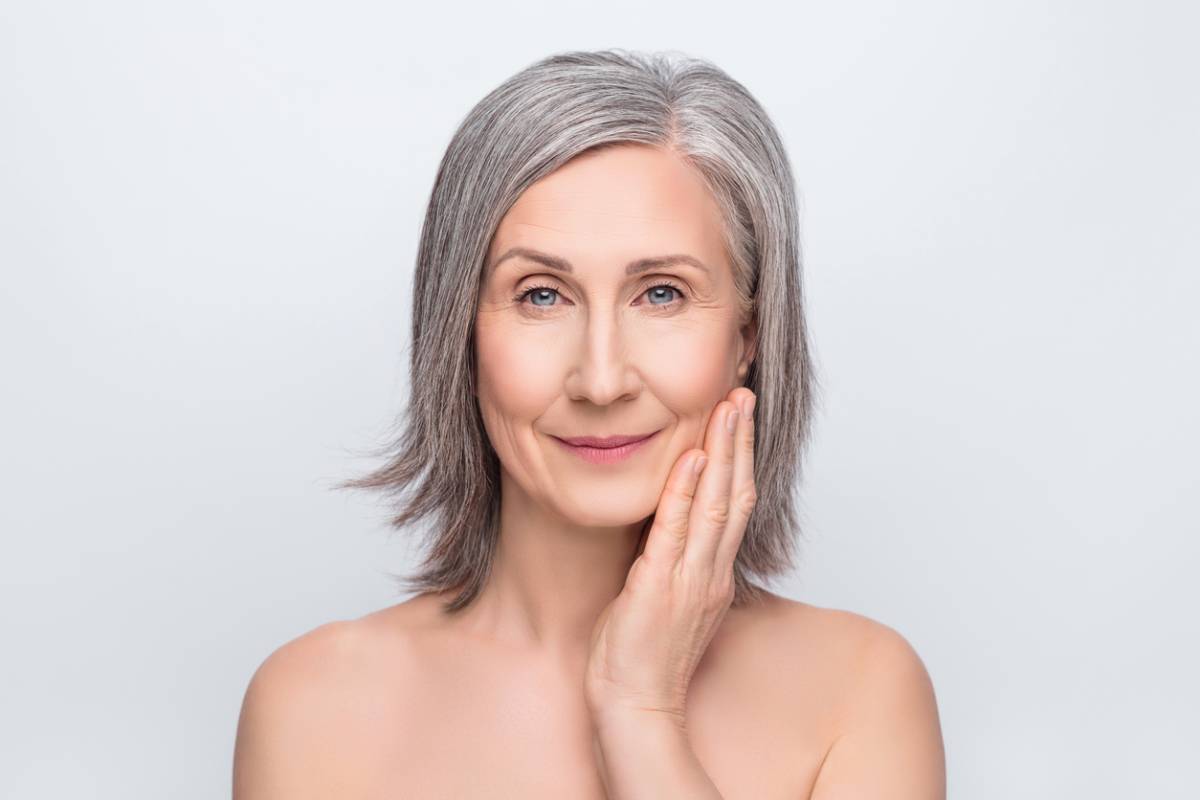
Older woman touching face.

What to Expect During a Mini Facelift

A mini facelift is a popular cosmetic procedure that rejuvenates your look. It refreshes your face and jawline. It is ideal for those who notice the early signs of aging. This includes skin sagging, mild jowls, and fine lines. The benefits of the procedure include smoother skin, a more defined jawline, and a more youthful appearance. The face and jaw are among the first areas where signs of aging appear. This can create a mismatch between how you look and feel. Many patients feel insecure about how they look. However, a mini facelift can effectively change that. Below you will find what to expect during a mini facelift.

What to Expect During a Mini Facelift

A mini facelift is a great option for people who want to refresh their look. It is less intensive than a full facelift but still delivers substantial results. Consider the following information if you are interested in a mini facelift.

Before Surgery

The first step in moving forward with a mini facelift is scheduling a consultation at the top plastic and reconstructive surgery center. The surgeon will review your facial shape, skin quality, and signs of aging. This is necessary to determine if you are a good candidate for surgery. Share your aesthetic goals during this meeting. It can help your surgeon determine the best course of action. Once it has been determined that you are a good candidate for a mini facelift, you will be provided with pre-surgery instructions. Follow these exactly to ensure you are prepared on the day of surgery.

Mini Facelift Surgery

The procedure itself takes roughly one to two hours. This depends on the complexity of the case, as each patient is uniquely different. Anesthesia is used to ensure optimal comfort during surgery. General anesthesia is most common. However, some patients may use local anesthesia with light sedation. This will be discussed at your consultation, so you are prepared on the day of surgery. The surgeon will make small incisions. These are often around the ears or behind them.

The incisions allow the surgeon to tighten the underlying muscles and connective tissues. Any excess skin is removed or repositioned. The lower face is also reshaped via these incisions. Once the modifications have been made, the incisions are closed. The goal of surgery is to create a smoother jawline and a refreshed look. These are natural-looking, providing a subtle, more youthful enhancement.

Recovery Process

The procedure is often performed on an outpatient basis so that you can go home the same day. Recovery is much faster than with a traditional facelift because the incisions are small. Right after surgery, you may notice swelling, bruising, and mild discomfort. This is entirely normal. Symptoms gradually subside within the first two weeks. Keeping your head elevated and using a cold compress can reduce swelling. Taking your medication as prescribed can help manage any post-surgical discomfort.

Results of A Mini Facelift

The initial recovery period takes two weeks. Each patient is different, so your recovery process may last shorter or longer. However, most patients return to their routine within 1 to 2 weeks. It is important to avoid strenuous exercise, bending, and heavy lifting for the first months. This ensures optimal results, so it is best to gradually return to physical activity.

You will begin to notice your results within the first few weeks. You can resume using makeup to conceal any visible residual symptoms. Your final results can take up to a few months. Swelling can take time to go down and fully heal. The result of a facelift can last well over ten years. However, it is important to take steps to preserve your results. This includes maintaining your weight and living a healthy lifestyle.

Is a Mini Facelift Right for Me?

A mini facelift is a great option for patients with early to moderate signs of aging. This includes mild sagging, jowls, or a less-defined jaw. Patients with good skin elasticity benefit most from surgery. It is also beneficial if you are in good overall health and at your goal weight. This reduces your risk for surgical complications. It also ensures optimal results that last. Working with a skilled plastic surgeon can help you achieve your aesthetic goals. They can also advise you on which procedures are right for you during the consultation.

Top Plastic and Reconstructive Surgery Center

If you want to refresh your facial aesthetic, contact Dr. Brent’s team today to schedule your consultation!

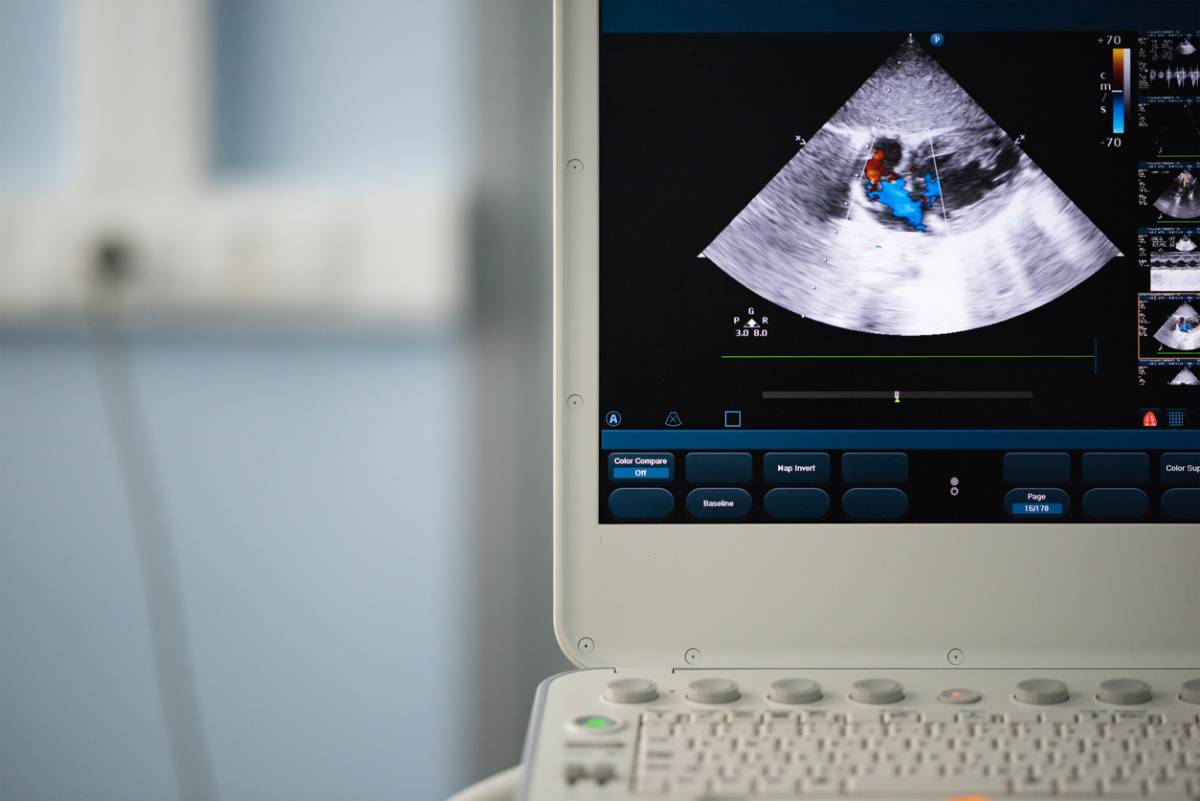
Ultrasound image of the heart cavities with visible red and blue streams.

Can Your Primary Care Provider Order an Echocardiogram?

As one of the most vital organs in your body, its care often starts with regular visits to your primary care provider. But when symptoms like chest discomfort, shortness of breath, or unexplained fatigue arise, can your primary care provider order an echocardiogram? Or are cardiologists the only ones authorized to order this imaging test? This may be something you are wondering about.

The answer is yes, your primary care provider (PCP) can order one for you. But it is essential to understand what an echocardiogram is, why it is ordered, and how your PCP’s role fits in the process.

Can Your Primary Care Provider Order an Echocardiogram?

What Is an Echocardiogram?

Often called an “echo”, an echocardiogram is a non-invasive imaging test that uses ultrasound waves to create detailed images of your heart. When you want to know how well your heart’s chambers and valves are functioning, you take an echocardiogram.

What an Echocardiogram Can Detect

An echocardiogram can detect a wide range of conditions. This includes:

  • Heart valve problems
  • Congestive heart failure
  • Congenital heart defects
  • Enlarged heart or thickened heart walls
  • Pericardial effusion or fluid buildup around the heart
  • Problems with the heart’s ability to pump blood

An echocardiogram takes about 30 to 60 minutes and is painless. A sonographer captures live images of your heart using a handheld probe that they move over your chest.

When Might Your Primary Care Provider Order an Echocardiogram?

Being the first healthcare professional to evaluate your symptoms and medical history, your primary care provider can order an echocardiogram anytime that they have any reason to believe that there is a problem with the functioning of your heart.

Some Common Reasons for Ordering an Echocardiogram

  • Shortness of breath that is not explained by lung conditions or allergies
  • Chest pain or pressure not related to digestion or muscle strain
  • Irregular heartbeats or palpitations
  • Swelling in your legs or ankles (a possible sign of heart failure)
  • Unexplained fatigue or dizziness
  • Heart murmur detected during a routine physical exam
  • Abnormal EKG results or abnormal chest x-ray findings.

Risk factors such as diabetes, high cholesterol, high blood pressure, and family history of cardiovascular disease may prompt your primary care provider to order an echocardiogram as part of a broader evaluation.

Is There a Need to See a Cardiologist First?

In most cases, there is no need to see a cardiologist before undergoing an echocardiogram. Primary care providers, such as family doctors and internists, have the authority to order this directly.

Usually, here is how it works:

  1. Your primary care provider evaluates your symptoms and medical history.
  2. If they suspect a cause for concern or a possible heart issue, they order an echocardiogram.
  3. The echocardiogram is scheduled at a cardiology clinic, diagnostic imaging center, or hospital.
  4. You undergo the test for 30 to 60 minutes as a sonographer takes live images of your heart using a handheld device.
  5. A cardiologist interprets the images and sends them to your primary care provider.
  6. Your primary care provider discusses the findings with you and refers you to a cardiologist if further treatment or management is necessary.

Why Your Primary Care Provider Is Essential to Heart Health

Your primary care provider plays a crucial role in your heart health and in the prevention and early detection of heart disease. They are usually the first medical professional that you see when you have any medical concern. As a result, they are familiar with your medical history, lifestyle, and overall health. They can spot subtle warning signs that may otherwise go unnoticed early on.

By ordering an echocardiogram when they deem necessary, they can ensure that any potential heart issue is caught and addressed early before it develops into a more serious problem.

Be Assured of Your Heart’s Health

If you think you need an echocardiogram and you do not have a cardiologist, a visit to your primary care provider can put your mind at ease. They can order the echocardiogram for you. Many reputable echocardiogram providers, like Apex Cardiology, have a team of cardiologists who can see you and order the imaging test. If you are concerned about any possible heart issues, book a consultation with us today for an early evaluation and management.

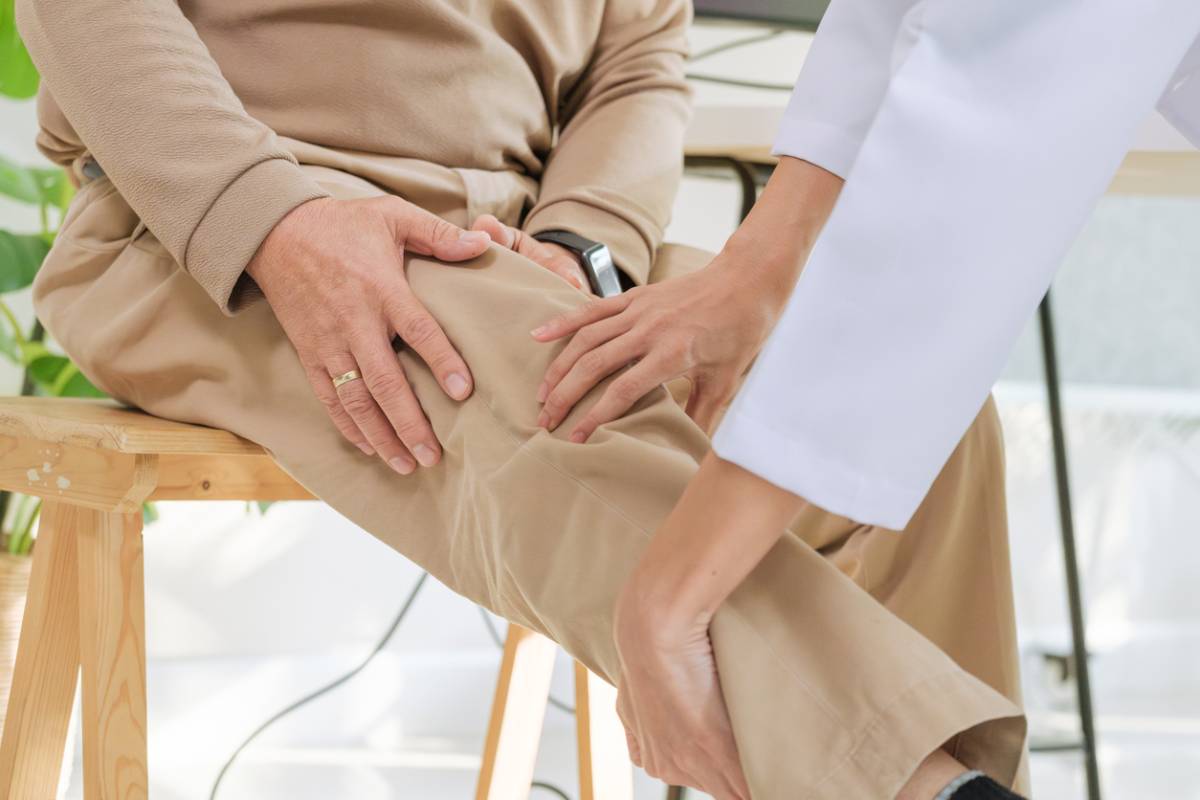
Doctor examining senior patient for osteoarthritis and knee pain.

Early Signs of Knee Osteoarthritis

Knee osteoarthritis is one of the leading degenerative joint conditions affecting a large number of adults, but it frequently goes undiagnosed during its critical early phases. Cartilage deterioration creates diagnostic difficulties for leg pain specialists. This is due to initial symptoms manifesting as minor discomfort that most dismiss as something that they can walk off. Many seek help from a vascular and vein clinic when they realize the problem can’t be solved by walking it off. Delayed diagnosis could have consequences that extend beyond immediate symptom management. Early identification of osteoarthritis allows for early intervention, which may substantially improve your outcome. Being aware of the subtle initial manifestations is a vital component of effective treatment. Early intervention could mean the difference in preserving functional abilities.

What is Knee Osteoarthritis?

Knee osteoarthritis is the result of friction caused by your bones rubbing together during movement. This causes the cartilage in your knee to break down, all leading to pain, swelling, and stiffness. Osteoarthritis is a consequence of wear and tear that occurs over time. Your knees are a high-impact joint, often under continuous stress for many days throughout a lifetime. This makes the knee a commonly problematic area.

Stages

Because knee osteoarthritis is a degenerative condition, specialists have broken its progression into four prominent stages:

  • Stage 1 Minor: The first stage often progresses unnoticed. Your joints have gained small amounts of wear and tear.
  • Stage 2 Mild: The cartilage in your knees is still sufficient enough to prevent your bones from grinding, but has progressed to a point where you might begin to feel some pain and stiffness in your joint.
  • Stage 3 Moderate: At this stage, the cartilage has degenerated to a degree that it causes noticeable pain and stiffness. This is especially true during activities of low to high impact, such as running, walking, squatting, and kneeling, as well as after more extended periods of inactivity.
  • Stage 4 Severe: Your knee has progressed in severity substantially, the cartilage in your knee is almost gone, and movement prompts your bones to grind. This is when surgery is often mentioned for knee joint replacement.

Early Symptoms

The most common symptom associated with knee osteoarthritis is pain. Pressure and movement create pain, and you may even notice pain when doing nothing at all. Other symptoms:

  • Stiff knees, particularly in the morning or after sitting for a while
  • Swelling or puffiness
  • Cracking or grinding noise during movement
  • Wobbling or buckling
  • Locks up or feels stuck
  • Causes

Think of your joints like your car’s brake pads; over time, after hitting the brakes countless times, they cause friction and wear down the pads. You can start to hear a grinding sound, which tells you it’s time to change the brakes. The cartilage in your knee is essentially the same; the friction from movement wears down the cartilage and causes your bones to rub. Unfortunately, another area in which they are similar is their solution options. The only solution is replacement. Cartilage, like the pad on your brakes, doesn’t grow back, so surgery to replace the joint is necessary to gain proper movement.

Freedom from Knee Osteoarthritis

Knee osteoarthritis may seem like just another inevitable consequence of aging, but you can get ahead of it while it is in the early stages. The minor aches and morning stiffness that many ignore are your body’s signal to you that something is wrong and needs attention. Essentially, your check engine light is on. To maintain your mobility in your golden years, early intervention is key. Osteoarthritis may be a progressive condition, but with the right approach and early intervention, you can set yourself up to remain active and pain-free longer.

Learn about your joint health with experienced leg pain specialists today!

Woman with arms over her head.

How Do Fillers Provide Body Sculpting?

The word “fillers” usually makes people think of plump lips and smooth foreheads. However, contrary to what most people believe, fillers are not just for the face. Dermal fillers have become a popular option for non-surgical body sculpting in recent years. They offer a way to enhance contours, improve symmetry, and restore lost volume without the need for surgery. One of the questions that a cosmetic dermatology expert often encounters is: How do fillers work to sculpt the body, or how do dermal fillers provide body sculpting?

How Do Dermal Fillers Provide Body Sculpting?

Dermal fillers are gel-like substances designed to restore volume, smooth lines, and enhance contours. They are injected beneath the skin so they can do their work. The most commonly used type of dermal filler for body contouring is made from Hyaluronic Acid (HA). This is a naturally occurring substance in the body that helps keep the skin moisturized and plump. Other types of dermal fillers are those made from Calcium Hydroxylapatite (CaHA) or Poly-L-lactic Acid (PLLA) for the stimulation of collagen production and longer-lasting results.

Results are instant. Volume is added to the targeted area once the fillers have been injected. As time passes, they can also stimulate the production of collagen. This will further enhance the shape and firmness of the treated area.

Areas Where Fillers Work

Fillers are mostly known for their use in facial treatments. However, they are now often used to sculpt and contour other areas of the body. These areas include:

Buttocks

This is sometimes called a non-surgical “liquid butt lift”. Fillers are used to enhance the shape, symmetry, and projection of the buttocks without having an implant or fat transfer procedure.

Hips

Fillers can create a more pleasant hip shape and a more attractive hourglass silhouette.

Hands

Fillers can give the hands a more youthful look by reducing the appearance of veins and tendons.

Chest and Decolletage

Fillers can smooth wrinkles and create a fuller, more youthful-looking appearance.

Calves

Some patients use fillers to create a more defined or proportional calf shape.

Fillers can be used in different areas of the body. This is why they are a popular and go-to choice for patients who are seeking noticeable improvements in their body contours.

Filler Body Sculpting Benefits

  • Non-Surgical and Minimally Invasive: There is no need for incision, stitches, or general anesthesia.
  • Little to No Downtime: Patients can usually return to their daily routine and activities in a day or two.
  • Customizable Results: The amount and placement of the filler will be based on your goals or requirements.
  • Immediate Improvement: Results are immediate. Full effects will be visible as the swelling subsides.
  • Gradual, Natural-Looking Outcome: Improvements continue for weeks or even months, mainly fillers like Poly-L-lactic Acid.

Fillers are an excellent option for individuals who want to enhance their shape but who are hesitant or anxious about undergoing surgery.

How Long Will Results Last?

The type of filler used and the individual’s metabolism will dictate the longevity of the results. Generally:

  • Hyaluronic Acid fillers can last anywhere from 6 to 18 months.
  • Calcium Hydroxylapatite may last for one year or even beyond.
  • Poly-L-lactic Acid can last for as long as 2 years or more due to collagen stimulation over time.

Patients may opt for touch-up treatments to help maintain their results. Fillers are a great alternative to body contouring procedures. They add volume, curves, and enhance symmetry without the risk and downtime associated with surgeries. Suppose you are interested in enhancing any part of your body through non-surgical body contouring. In that case, it is best to consult a qualified cosmetic doctor to explore whether this is the best option for achieving the results you want. A qualified and experienced aesthetic provider can design a personalized and safe plan tailored to your needs.

Remember that fillers can be a powerful tool for body sculpting. They can help you feel more confident and help improve your life in more ways than one. But this will only be possible with the proper technique and skill of an expert who can keep your expectations realistic. If you are ready to discuss your goals with an expert, schedule a consultation with us today.

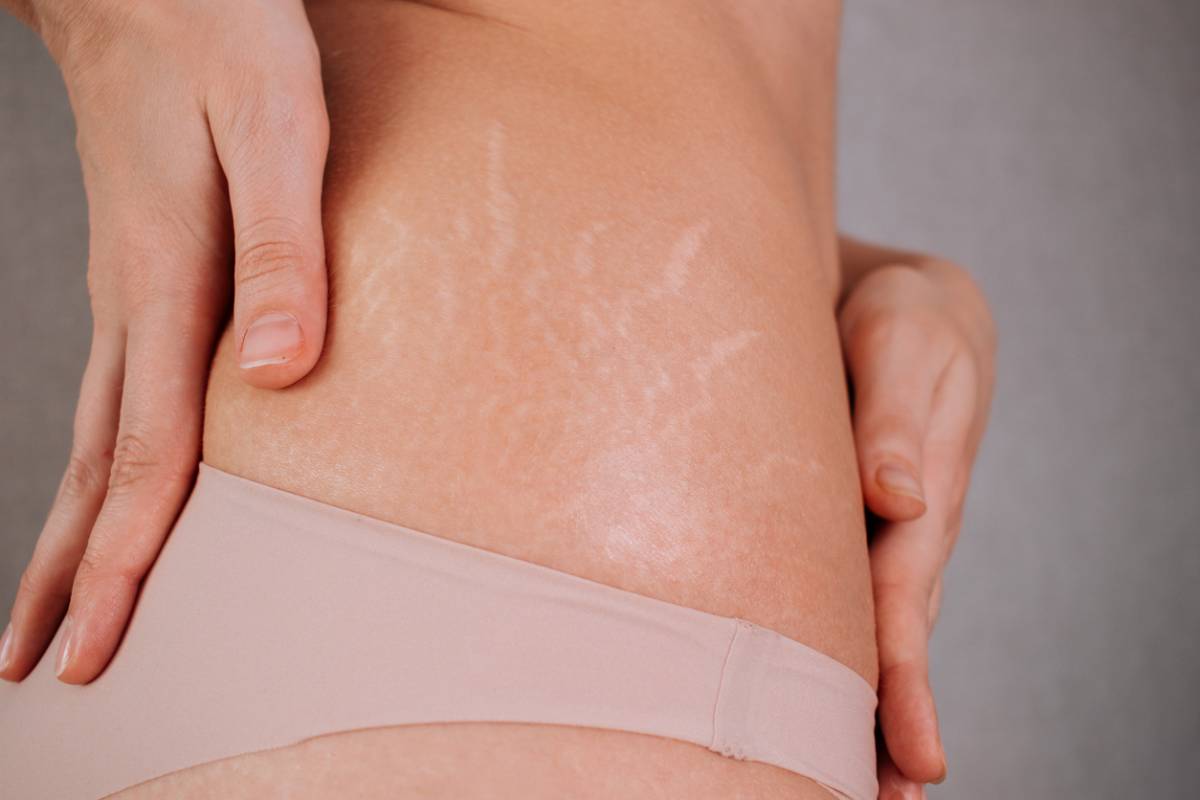
Woman touching her stretch marks.

Surprising Causes of Stretch Marks

Stretch marks, or thin, wavy lines on the skin, are a common part of life for many people. For those whose profession requires a near-perfect physical appearance, stretch marks can be annoying and frustrating. They show up on the stomach, thighs, hips, breasts, or arms. A cosmetic dermatology expert can assure you that they pose no health risk. However, they can affect one’s self-confidence, whether one is a celebrity or a normal person living an ordinary life. Most people associate them with pregnancy or sudden weight gain, but what most people are not aware of is that there are many other causes why they appear. Uncovering these surprising causes of stretch marks will help you understand what really goes on beneath the skin.

Surprising Causes of Stretch Marks

Rapid Muscle Growth

Many people don’t know that men can get stretch marks, too. Men get them too, especially those who engage in intense workouts. This is because when muscles grow too quickly, the skin does not have enough time to stretch and adapt to the change. Common among bodybuilders and athletes who experience rapid muscle growth in the shoulders, arms, and thighs, the collagen and elastin fibers in the skin can tear slightly, resulting in visible lines.

To help prevent stretch marks, slow and steady muscle gain is recommended, along with regular moisturizing.

Corticosteroid Use

Doctors usually prescribe topical or oral corticosteroids to patients with conditions such as eczema, allergies, or arthritis. When patients use them long-term or at high doses, their skin can become thinner and lose its natural ability to stretch.

Corticosteroid use can suppress collagen production. This makes the skin more prone to tearing when stretched, leading to marks in areas such as the underarms, abdomen, or thighs.

To help prevent stretch marks, always follow your doctor’s guidance and do not use steroid creams for longer than prescribed.

Puberty Growth Spurts

Some people may be surprised, but stretch marks are also common in teenagers. During puberty, the body experiences rapid growth spurts as hormones surge, and bones, muscles, and fat layers expand.

Stretch marks in adolescent boys may appear on their shoulders and back, while in girls they appear on their hips, thighs, or breasts. However, since the skin is young, the marks usually fade over time as the skin matures.

Hormonal Changes

Hormones play a significant role in skin health. During times when hormone levels change, such as puberty, pregnancy, and menopause, the skin fibers can weaken and become less elastic. This may also occur in people with conditions such as Cushing’s Syndrome. Additionally, elevated levels of cortisone can make the skin more fragile. When elasticity decreases, even minor stretching may result in stretch marks.

Rapid Weight Loss

Just as marks can result from rapid weight gain, so can they result from rapid weight loss. When the body sheds weight rapidly, the skin does not get enough time to shrink back and adjust.

To help prevent stretch marks, lose weight steadily and gradually. Make sure you are well hydrated and get balanced nutrition. Gentle exfoliation may also help your skin recover quickly.

Genetic Factors

Look at your parents’ skin. Do they have stretch marks? If they do, there is a big chance you might get them too. Your genes influence your skin’s structure, thickness, and elasticity. Some people may naturally produce less collagen and have more delicate skin. This makes them more prone to having stretch marks.

You cannot do anything about your genes, but you can take preventive measures. You may use moisturizing creams rich in vitamin E, hyaluronic acid, or cocoa butter to support your skin and make it more resilient.

Certain Medical Conditions

Some medical conditions may trigger the appearance of stretch marks. Cushing’s Syndrome, Marfan Syndrome, and Ehlers-Danlos, for instance, affect the body’s hormone levels. This results in the weakening of the skin’s ability to stretch.

In patients with these conditions, stretch marks typically appear in unusual areas, such as the lower back, chest, or upper arms. They may also look wider or darker than the usual stretch marks.

For early evaluation, consult a dermatologist or endocrinologist if you suspect an underlying health issue.

Prevention

It isn’t easy to completely prevent stretch marks, as there are many reasons they appear. Some of these reasons are beyond your control. But there are practical things you can do to help your skin. Drinking plenty of water, maintaining a balanced diet rich in vitamin E, zinc, and omega-3 fatty acids, and moisturizing daily can help you maintain healthy and beautiful skin.

Renew Your Skin Without Surgery

If you have stretch marks, there is still hope. You can get rid of them without undergoing surgery. Epione’s non-surgical stretch mark removal has fewer possible contraindications than surgical procedures. That is why this option is available to almost everyone. If you are bothered by your stretch marks and would like to know more about this non-surgical stretch mark removal, and if it is a good option for you,
book a consultation with us today.

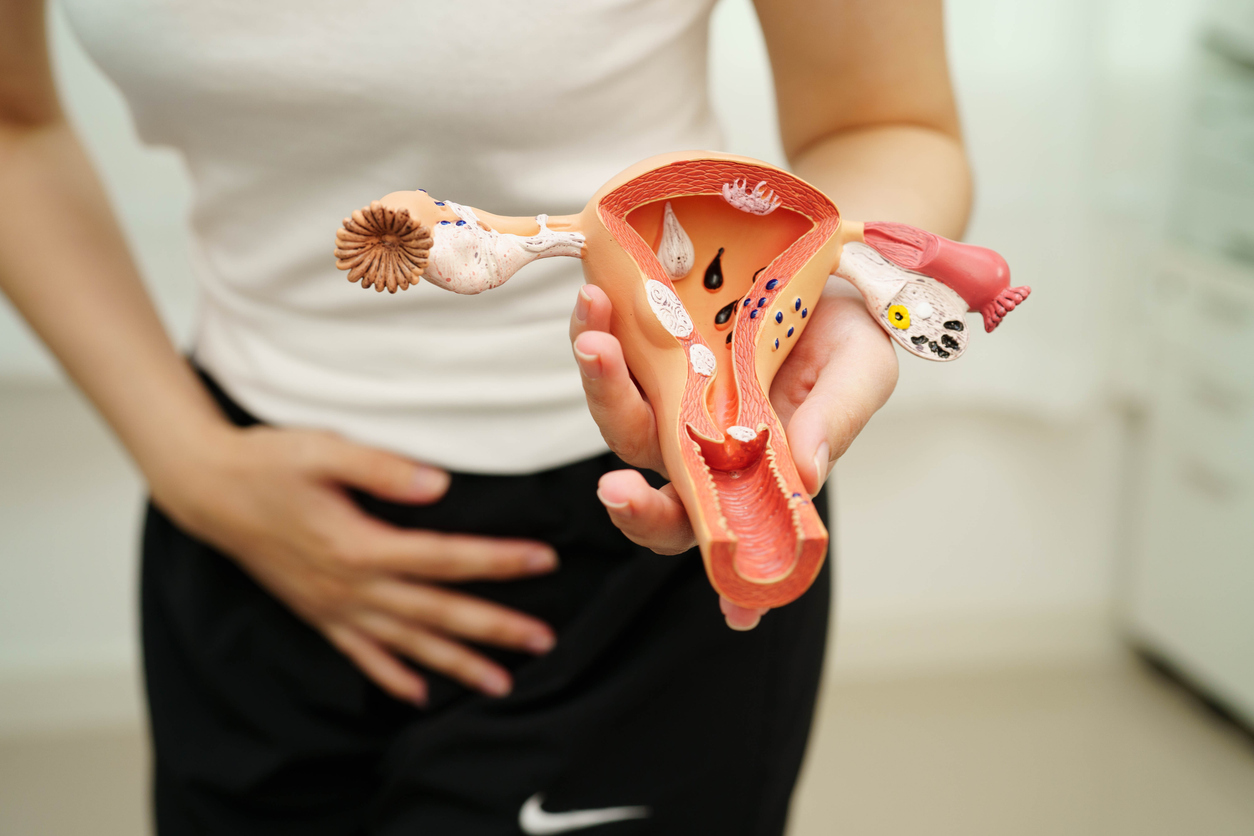
Woman holding human anatomy model.

Types of Fibroids and Why Location Matters

Uterine fibroids affect roughly 20-50% of women, 77% of these tumors develop during a woman’s reproductive years. While some people may have fibroids without any symptoms, others experience significant health impacts depending on the type and location of their fibroids.

Understanding how fibroids differ by location is key to recognizing symptoms, choosing proper treatment, and planning for future fertility or quality of life.

What Are Uterine Fibroids?

Uterine fibroids are benign muscle tumors that grow in or around the uterus. The size of fibroids ranges from as small as 1 millimeter to more than 20 centimeters (8 inches). Most uterine fibroids are small and usually asymptomatic, but larger fibroids can distort the uterus, causing painful symptoms.

Fibroids don’t lead to cancer, but they often impact menstrual bleeding, pelvic comfort, bladder and bowel function, and fertility, depending on where they grow.

Fibroid Types by Location

Medical classification of fibroids centers on where the growth occurs relative to the uterine wall and cavity. Location is important because it often determines the symptoms someone experiences and the most effective treatment approach.

Intramural Fibroids – Within the Uterine Wall

Intramural fibroids are the most common type. They develop within the muscular wall (myometrium) of the uterus. As these get bigger, they can expand outward and distort the uterine shape, potentially leading to:

  • Heavy menstrual bleeding
  • Longer periods
  • Pelvic pressure
  • Pain or fullness in the lower abdomen

Because they reside deep in the uterine wall, intramural fibroids can mimic symptoms of other types and sometimes complicate surgical removal.

Submucosal Fibroids – Inside the Uterine Cavity

Submucosal fibroids grow just beneath the uterine lining and protrude into the uterine cavity. Though less common, these fibroids are particularly impactful because they lie where the menstrual blood collects and where embryos implant.

Submucosal fibroids are associated with:

  • Very heavy or prolonged bleeding
  • Spotting between periods
  • Anemia (from blood loss)
  • Fertility challenges

Their position can distort the uterine cavity, making conception or implantation more difficult, and often leading to symptoms that significantly affect quality of life.

Subserosal Fibroids – On the Outer Uterine Surface

Subserosal fibroids form on the outside of the uterus, growing toward the pelvic cavity. They are less likely to affect menstrual bleeding directly, but can cause symptoms related to pressure on nearby organs, such as:

  • Frequent urination (bladder pressure)
  • Constipation (rectal pressure)
  • Pelvic discomfort or fullness
  • Bloating

Because they expand outward rather than into the uterine cavity, subserosal fibroids often go unnoticed until they become quite large.

Pedunculated Fibroids – Fibroids With a “Stalk”

Some submucosal or subserosal fibroids grow on a narrow stem, called a peduncle. These pedunculated fibroids can twist on their stalk and cause acute pelvic pain, even when they are relatively small. Their unique attachment can complicate diagnosis and treatment, depending on symptoms and location.

Why Fibroid Location Matters

The location of a fibroid is more than a label—it directly affects:

  • Symptom Profile
  • Submucosal fibroids often cause the heaviest bleeding and most disruption to menstrual flow.
  • Subserosal fibroids can produce organ compression symptoms without affecting menstruation.
  • Intramural fibroids sit somewhere in between, potentially causing both bleeding and pressure symptoms.
  • Diagnostic Strategy

Imaging—such as ultrasound or MRI—is used to determine the location, size, and number of fibroids. Accurate diagnosis helps practitioners personalize care, from medication to minimally invasive procedures.

Treatment Choices

Treatment options are influenced by fibroid location. For example:

  • Submucosal fibroids might be approached with hysteroscopic removal.
  • Subserosal and larger intramural fibroids may be better suited for embolization or other targeted therapies.
  • Location also plays a role in planning fertility-preserving interventions versus surgical options.

Learn More with ProFibroid MD

Understanding the types of fibroids and why their location matters empowers patients to ask informed questions and seek tailored care.

Schedule a consultation with ProFibroid MD to learn more about how fibroid location may be affecting your health and to explore individualized treatment options.

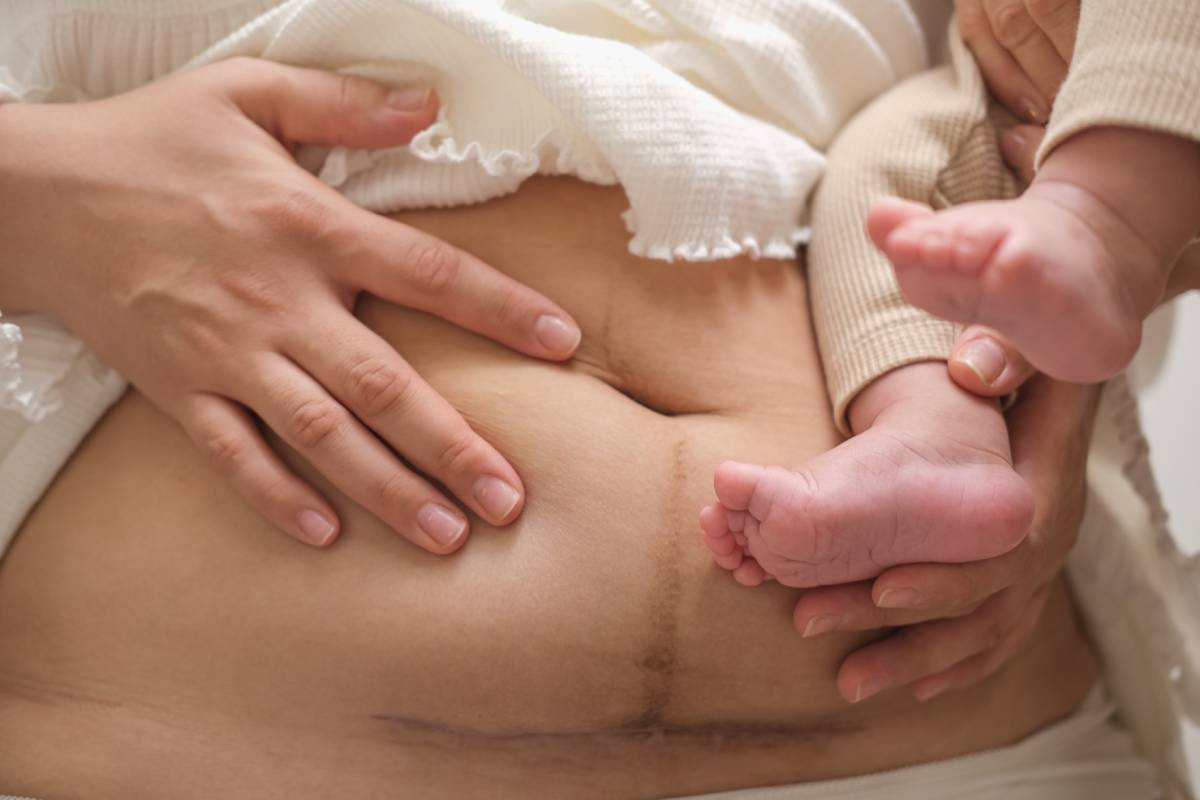
Close-up of a woman’s postpartum abdomen with loose skin as she holds her baby, representing tummy tuck after pregnancy recovery.

How Long Should I Wait After Pregnancy for a Tummy Tuck?

Pregnancy comes with changes to a woman’s body. These include stretch marks, loose skin, stretched abdominal muscles, and stubborn fat. This is an entirely normal part of the process. However, it can be uncomfortable for many women. A tummy tuck is an effective procedure designed to address these concerns. It involves removing excess skin and fat, in addition to tightening the abdominal muscles. This results in a slimmer, flatter, and firmer abdomen. You may wonder, how long should I wait after pregnancy for a tummy tuck?

How Long Should I Wait After Pregnancy for a Tummy Tuck?

Pregnancy is an intense process that causes several changes to a woman’s body. Many women want to restore their pre-pregnancy bodies as fast as possible. Diet and exercise are beneficial after giving birth when cleared by your medical provider. Moving forward with a tummy tuck takes a little more time as your body needs to fully recover. A skilled and experienced tummy tuck surgeon will generally have you wait six months to one year post-partum. This ensures that your body weight and hormones have stabilized. This is necessary to ensure you do not have any significant weight fluctuations post-surgery.

Getting a tummy tuck too soon after childbirth can lead to unnecessary complications. Many women experience increased fertility after giving birth. If you get a tummy tuck and subsequently get pregnant, this can impact your results. It also results in the need for additional surgeries that could be avoided if you wait. Women who breastfeed after birth also benefit from waiting six to twelve months before resuming other activities. Breastfeeding impacts skin elasticity and healing. A tummy tuck is best when you have finished nursing. Each patient is uniquely different. Because of this, it is important to consult with a skilled tummy tuck surgeon at the top plastic surgery center to determine the right time for you to undergo the process.

Optimizing Your Tummy Tuck Results

The abdomen is one of the areas most impacted by pregnancy. However, other areas also change after pregnancy and breastfeeding. To optimize your results, consider the following procedures that are commonly combined with a tummy tuck.

Liposuction

Liposuction is a popular procedure that women undergo after childbirth. It involves removing localized fat deposits. These are often stubborn pockets of fat resistant to diet and exercise. This is especially common after pregnancy. When combined with a tummy tuck, it enhances your body contours. Many women get liposuction in their upper abdomen, flanks, and thighs. This results in a more sculpted and defined silhouette. Combining a tummy tuck with liposuction reduces your overall downtime and improves your body’s aesthetic appearance.

Breast Surgery

Pregnancy and breastfeeding can impact your breasts in a variety of ways. The volume, shape, and position can often be much different than before pregnancy. A breast lift restores firmness and correct sagging. When combined with a tummy tuck, it can rejuvenate your entire shape. A breast augmentation increases volume and enhances the shape. This is done using an implant or fat transfer. Many women experience breast flatness after pregnancy due to lost volume. An augmentation can easily correct this. It effectively restores the fullness and shape of your breasts. Restoring your breasts after pregnancy can boost your confidence. It can also help you feel more like yourself again.

Mommy Makeover

If you want a comprehensive approach to improving your body after pregnancy, a mommy makeover is a highly popular option. It is designed to restore your body and is customized to meet your unique needs. It often includes a tummy tuck, breast surgery, and liposuction. Some women also opt for an arm or thigh lift if they have experienced significant weight changes during pregnancy. Combining these procedures is highly effective and offers several benefits. It reduces the overall recovery time, is cost-effective, and offers a comprehensive transformation after childbirth.

How to Maintain Your Results

Maintaining your tummy tuck requires commitment to a healthy lifestyle. Those who commit to the following tips have long-lasting results.

Maintain a Stable Weight

Weight fluctuations after surgery can impact the appearance of the abdomen. This includes weight gain and weight loss. It is important to be at your goal weight at the time of surgery to protect your results. This can be achieved through a regular diet and exercise.

Avoid Smoking and Excessive Drinking

Smoking is harmful to your health and can impact your results. It impairs the healing process and increases the risk of post-surgical complications. Avoid drinking too much alcohol as it can lead to dehydration and weight gain. Both can impact your results and lead to unwanted aesthetic changes.

Top Plastic Surgery Center

If you want to look and feel like yourself after childbirth, contact Dr. Brent Moelleken’s team today to schedule your consultation!

Close-up of an insurance form with a pen and calculator on a desk.

Does Insurance Cover Obesity Care?

If you’ve ever wondered if insurance covers obesity care, you’re not alone. Many people face uncertainty when it comes to accessing medical weight management services, and it can be confusing to know what is covered and what isn’t. At Apex Cardiology, our team of compassionate cardiology doctors understands the unique challenges surrounding obesity and heart health. That’s why we’re here to guide you through how insurance may (or may not) cover the care you need.

Does Insurance Cover Obesity Care?

Yes, in many cases, insurance plans do offer coverage for obesity care, but it often depends on the type of service and your individual policy. Obesity care isn’t just about weight loss; it’s a medical necessity that can have profound effects on heart health and overall wellness. Medical weight management programs, for example, are frequently covered if they are considered medically necessary by your healthcare provider.

At Apex Cardiology, our cardiologists provide personalized medical weight management plans that consider your heart health. Insurance coverage can vary based on the specifics of these plans. Some common areas that may be covered include:

  • Nutritional counseling with a licensed dietitian
  • Behavioral therapy to support lifestyle changes
  • Prescription weight-loss medications are used when clinically indicated
  • Monitoring of comorbid conditions such as diabetes, high blood pressure, or high cholesterol

It’s important to note that coverage for obesity care can vary significantly between insurance providers. Your plan may require prior authorization, documentation of medical necessity, or a referral from your primary care physician before covering treatment.

Understanding Medical Weight Management Coverage

Medical weight management is more than just losing pounds; it’s a structured, supervised approach designed to improve your overall health. Programs like those offered through Enara Health combine nutrition, exercise guidance, and behavioral support, often overseen by experienced cardiology doctors.

Insurance companies recognize the long-term health benefits of medically supervised weight management, which may include reducing the risk of heart disease, stroke, and other obesity-related conditions. However, to guarantee coverage, it’s essential to:

  • Check your insurance policy for obesity care or weight management benefits
  • Obtain documentation from your healthcare provider showing medical necessity
  • Ask whether specific services like counseling, lab work, or prescription medications are included

Why Cardiologists Are Key to Obesity Care

You might wonder: Why see a cardiologist for obesity care?

Obesity is one of the leading risk factors for heart disease, making cardiologists uniquely qualified to oversee a patient’s weight management journey. At Apex Cardiology, our cardiology doctors not only monitor your cardiovascular health but also help tailor medical weight management programs to reduce strain on your heart and optimize long-term outcomes.

With guidance from our team, patients can achieve weight loss in a safe and structured manner while maintaining heart health as a top priority. Many insurance providers take this approach seriously and may cover cardiologist-supervised programs under preventative or chronic care services.

Steps to Take Before Starting Treatment

Before beginning any medical weight management program, it’s wise to take a few preparatory steps:

  • Verify coverage: Contact your insurance provider to understand what’s included.
  • Gather documentation: Have your medical records, lab results, and physician recommendations ready.
  • Schedule a consultation: Meet with our cardiology doctors to discuss your goals and options.
  • Confirm authorization: Ensure any required referrals or approvals are in place.

These steps not only clarify insurance coverage but also set you up for a successful, health-focused journey.

Take the Next Step Toward Better Heart Health

Understanding whether insurance covers obesity care doesn’t have to be complicated. With the guidance of Apex Cardiology’s experienced cardiology doctors and our structured medical weight management programs, you can take confident steps toward a healthier, heart-friendly future. Call our office today or schedule a consultation to explore your coverage and start your journey toward lasting wellness.

featured image for how long does it normally take for a wound to heal

How Long Does It Normally Take for a Wound to Heal?

The body can regenerate in surprising ways. Its ability to close wounds is downright stunning. However, you may need to see a vascular wound care specialist if a wound refuses to heal. But how long does it normally take for a wound to heal?

How Long Does It Normally Take for a Wound to Heal?

As soon as the body sustains a wound, mechanisms activate that work toward its eventual healing. Generally, this can take anywhere from 1 to 4 weeks. However, that time frame will differ based on a few factors.

Wound Severity

The depth, size, and severity of a wound all influence healing. This is perhaps the most obvious factor. Bigger wounds heal more slowly.

The type of wound can also play a role. Abrasion wounds may heal differently from cuts or punctures. These affect the tissues differently. Minor wounds should heal within about 1 week. More severe wounds, like surgical incisions or puncture, can take up to 4 weeks.

Location

Healing occurs at different rates in the body. For example, minor wounds to the gums can heal very rapidly. That is why you heal so quickly after wisdom teeth extraction.

The lower extremities, in particular, can heal more slowly. This is due to the poorer circulation and more regular stress placed on the limbs.

Age

The unfortunate truth is that our bodies regenerate more slowly as we age. A scraped knee might last for a few days as a kid. But that same injury could take well beyond a week for an adult to heal from.

Additionally, older patients are more likely to have other medical conditions that interfere with healing. Most prominently, vascular conditions will affect healing time. Severe vascular issues may even lead to wounds that refuse to heal after weeks.

Health

Medical conditions play a central role in influencing wound closure. In particular, patients with an immunocompromised state are at particular risk. Infiltration by bacteria could more easily lead to infection or further complications.

Other conditions that can influence wounds and healing include:

  • Coagulation disorders
  • Obesity
  • Diabetes
  • Substance use disorders
  • Circulation disorders
  • Connective tissue disorders
  • And more

Additionally, medications that you are taking for a condition can influence wound closure. Specifically, drugs that influence clot formation and platelet function can impede healing.

Nutrition

Malnutrition or poor nutrient intake can also slow down wound healing. Some of the most important nutrients involved in the wound repair process include:

  • Protein: Crucial for creating new tissue and supporting immune function.
  • Vitamin C: Encourages collagen production, which is essential for wound closure.
  • Zinc: Also supports collagen synthesis and immune functioning.
  • Vitamin A: Promotes cell growth and differentiation, key in wound healing.
  • Vitamin E: An antioxidant that helps protect wounds from additional damage.

Stress

Yes, stress is more than just a mental concern. Chronic and acute stress can both impair the body’s ability to heal.

Studies (for both humans and animals) have shown time and again that stress can substantially delay the healing process. Beyond this, stress can cause a range of other health-related issues.

When Should I Be Worried About a Nonhealing Wound?

Slow wound closure is not necessarily a point of concern. However, you should be aware of certain factors that could point to an issue with the wound healing. These include:

  • Signs of infection (redness, swelling, tenderness)
  • Wounds not improving after 4 weeks
  • Drainage or pus coming from the wound
  • Systemic symptoms (fever, pain, vomiting, nausea)

Wound Care Experts

ProVascularMD Services Los Angeles as a premier vascular treatment center. Contact our team if you have any manner of wound that needs treatment.