Archives 2025

Featured image for How Long Will the Results from a Butt Lift Last?

How Long Will the Results from a Butt Lift Last?

In today’s world, body confidence and self-expression are celebrated more than ever. Enhancing one’s natural curves has become a popular goal for many individuals. Among the popular cosmetic procedures that have been getting a lot of attention is the butt lift. This is a great solution for those who are frustrated with their flat or sagging backside and wish to achieve a fuller, firmer, more sculpted appearance. It doesn’t matter if your goal is simply to restore lost volume after losing weight or if you’re dreaming of a shapelier silhouette in jeans; a butt lift can offer life-changing results. For people who are considering this cosmetic procedure, one of the natural questions that come to their mind and ask their plastic surgeon is, “How long will the results from a butt lift last?”


How Long Will the Results from a Butt Lift Last?

Wonder is a valid concern and a smart one. After all, a butt lift procedure requires an investment of your time and money. It is natural to want to know how long these results will last and to have a good understanding of the factors that influence their longevity. However, there is no one-size-fits-all answer. The longevity of your results usually depends on the type of butt you choose, how your body responds, and how well you care for your body afterward.


Different Butt Lift Procedures

Traditional Butt Lift (Surgical)

This creates a firmer appearance by removing excess skin and tightening the tissue. This cosmetic procedure is usually recommended for those who have experienced significant weight loss or skin laxity due to aging.

Traditional butt lifts that involve surgical excision and tightening often provide patients with long-lasting, usually permanent results. This is especially true in terms of improving skin tightness and reducing sagging. However, butt lifts do not stop the process of aging. As time passes, patients may still experience some loosening of the skin, especially if they experience significant weight fluctuations.

Most patients get to enjoy their butt lift results for 10 years or more. This is true for patients who maintain a stable weight and follow a healthy lifestyle. It is natural for the shape to undergo subtle changes as you age, but the improved contour is usually durable.


Brazilian Butt Lift (BBL)

A Brazilian butt lift procedure involves fat transfer. If you choose this procedure, Your fat will be harvested through liposuction from one area of your body, purified, and then injected into your buttocks. The goal of this procedure is to enhance both shape and volume.

Although this procedure uses the patient’s fat to produce a natural-looking volume, not all transferred fat cells will survive. Up to 30 to 40% of the fat may be reabsorbed by the body within the first few months. Because of this, surgeons usually inject more fat than needed.

Once the remaining fat establishes a blood supply and becomes part of the body’s natural tissue within 3 to 6 months post-procedure, these cells are considered permanent. However, changes in your weight can cause them to grow or shrink in size.

To make the results last longer, follow post-operative instructions, try to maintain a consistent weight, avoid smoking, eat a healthy diet, and stay active. Doing all these can help ensure that you are able to enjoy the results of your Brazilian butt lift for 10 years or more.


Non-Surgical Butt Lift

These non-invasive options usually offer more subtle results. They usually involve injectables that stimulate collagen production over time. 

A non-surgical butt lift procedure is for patients who are trying to stay away from surgery or are looking for a quick enhancement with no downtime. However, this is not a permanent solution.

The longevity of the outcomes of these different procedures varies. In general, they last between 18 to 24 months, depending on the product used, the amount injected, and your body’s response. Patients can undergo maintenance treatments to preserve the results.


Factors that Can Affect the Longevity of Your Results

No matter what type of butt lift you choose, several factors can influence the longevity of your results.

  • Weight Fluctuations: Significant weight changes can alter the appearance of your buttocks, especially after a BBL or a surgical lift.
  • Lifestyle Choices: Smoking, poor nutrition, and lack of exercise can affect healing and reduce the lifespan of your results.
  • Aging: Skin laxity due to natural aging can gradually diminish the lift.
  • Post-Procedure Care: Following your surgeon’s instructions, wearing compression garments, avoiding prolonged sitting, and attending follow-up appointments can help maintain the beauty of your results.


Thinking of Getting a Butt Lift? Make an Informed Decision Today

The longevity of your butt lift results will depend on the type of procedure you choose and how well you care for your body afterward. Surgical options offer results that can last a decade or more, while non-surgical options offer temporary results. If you want to enhance the shape of your butt but are not sure which direction to take, schedule an appointment with Dr. Chiu today. As a board-certified surgeon, Dr. Chiu can help you make an informed decision and assure you of a safe procedure and beautiful, long-lasting results. 

Featured image for Do Medical Bills Affect Your Credit?

Do Medical Bills Affect Your Credit?

It’s one of the most common questions patients ask after a hospital stay, a visit to the emergency room, or even a routine appointment at a healthcare clinic: Do medical bills affect your credit? The short answer is yes. If left unpaid, medical bills can and will impact your credit score, but there are a few more nuances to keep in mind. 

The most important thing to keep in mind is that medical debt isn’t quite like other types of debt. While unpaid credit cards or personal loans can quickly show up on your credit report, medical bills typically come with longer grace periods and are handled differently by credit reporting agencies. At West Texas Health, we believe knowledge is power, especially when it comes to protecting your health and your financial well-being. Let’s break down how medical bills may influence your credit and what you can do to stay ahead of potential issues.


Do Medical Bills Affect Your Credit?

Here’s the deal: Medical bills can affect your credit, but they don’t have to. When you receive a bill from a hospital or health care clinic, it usually won’t show up on your credit report right away. Providers generally give patients time to work out payments, consult with insurance and fees departments, or appeal decisions before sending the debt to collections.

However, if those bills remain unpaid and get handed off to a collection agency, they may eventually appear on your credit report, potentially lowering your credit score. Fortunately, credit reporting rules have become more patient-friendly in recent years. As of 2023, the major credit bureaus (Equifax, Experian, and TransUnion) wait at least one year before including unpaid medical bills in your credit history, giving you a longer window to take action.

So yes, medical bills can affect your credit, but only if they go unpaid for a long time and aren’t addressed during the grace period.


Understanding How Medical Bills Reach Collections

A key part of protecting your credit is understanding how medical bills end up with a collection agency in the first place. When you visit a healthcare clinic like West Texas Health, your provider bills your insurance first. If there is a remaining balance, such as a deductible, co-pay, or service not covered, you’ll receive a bill from the clinic.

This is where things can get tricky. Patients often assume that insurance will cover everything, or they may never receive the bill due to outdated contact information. If the bill isn’t paid and attempts to contact you are unsuccessful, the clinic may eventually turn the debt over to a collections agency. That’s when it becomes a risk to your credit score.


What You Can Do If You Receive a Medical Bill


Communicate with the Clinic Immediately

The moment you receive a bill, don’t panic; just take action. Contact your provider’s billing office to confirm the amount, inquire about whether insurance has paid its portion, and discuss available payment options. Most clinics, including West Texas Health, are more than willing to work with patients to set up a more manageable plan.


Double-Check Your Insurance Coverage

Sometimes, a bill appears due to a miscommunication or coding error between the clinic and your insurance provider. Review your Explanation of Benefits (EOB) to ensure that all covered services were applied correctly. It’s also a good idea to verify that the clinic is in-network under your plan.


Ask About Financial Assistance

Many healthcare clinics offer sliding scale fees or financial hardship programs. If you’re unable to pay a bill in full, ask about applying for assistance. You may qualify for reduced payments or even forgiveness of part of the balance.


How to Stay Ahead of Medical Debt and Protect Your Credit

The best way to avoid credit damage is to be proactive. Here are a few steps you can take:

  • Keep your contact information up to date at your clinic and with your insurance provider to ensure you receive all bills and notifications.
  • Open all mail and emails from your clinic or insurance company—don’t ignore anything marked “statement” or “EOB.”
  • Maintain an emergency fund to help cover unexpected health costs.
  • Regularly check your credit report for any unfamiliar medical debts.

And most importantly, ask questions. Whether you’re unsure about a charge, a denial, or your coverage, don’t hesitate to call the clinic or your insurance provider.


Talk to West Texas Health About Insurance, Fees, and Billing Support

If you have questions about a recent bill or would like to learn more about your options, please reach out to West Texas Health today. Our team is here to help you stay informed, in control, and on the path to both financial and physical wellness.

Featured image for What Causes Stretch Marks?

What Causes Stretch Marks?

One of the most common questions we hear from patients considering aesthetic treatments for their skin is: What causes stretch marks? These narrow, streak-like scars can appear almost out of nowhere, all across your body, including the hips, thighs, arms, stomach, and more. While stretch marks are harmless, their appearance can have a significant impact on how we feel about our skin.

Thankfully, understanding what causes stretch marks is the first step toward prevention, management, and, eventually, treatment. Regardless of whether you want to minimize existing marks you already have or want to avoid new ones, a closer look at how they present (and why) can make all the difference. That being said, let’s dive right in. 


What Causes Stretch Marks?

Stretch marks, technically known as striae, are marks that appear when the skin is stretched too suddenly and rapidly for the elastic fibers within to keep up. This sudden strain leads to tearing in the dermis, the deeper layer of skin, which then becomes visible on the surface. 

Common causes of stretch marks include pregnancy, rapid weight gain or loss, puberty, growth spurts, and muscle development. Even hormonal changes and certain medications can also cause them. Essentially, just about anything that causes the skin to stretch beyond its limits in a short period can result in these kinds of streaks. 


Who Is Most Likely to Get Stretch Marks?

Although anyone can develop stretch marks, some individuals are more susceptible than others due to a combination of genetic factors, hormonal levels, or lifestyle choices.

For instance, if your parents or siblings have stretch marks, there’s a higher chance you will experience them as well. Or, for those individuals with elevated levels of cortisol (a hormone released by the adrenal glands), their skin may be less elastic, making it more susceptible to damage during rapid stretching phases. 


Key Life Stages That Often Trigger Stretch Marks

Let’s look at just a few of the scenarios where stretch marks commonly appear:

  • Pregnancy: Perhaps the most well-known cause of stretch marks, pregnancy rapidly stretches the skin, especially across the abdomen, breasts, and thighs.
  • Adolescence: Teenagers going through puberty often experience fast growth spurts that trigger marks on the back, legs, or arms.
  • Rapid muscle gain: Bodybuilders and athletes may develop stretch marks around their shoulders, chest, and biceps as they rapidly build muscle mass.
  • Weight fluctuations: Rapid weight gain or loss can overstress the skin, leading to the formation of stretch marks.

The fact is, even with proper hydration, moisturization, and care, some degree of stretch mark formation may still occur, depending on your skin elasticity. 


What Can You Do For Stretch Marks?

While not always preventable, you can reduce your risk of developing stretch marks with a few proactive steps. Consistent skin care that includes hydrating ingredients like hyaluronic acid, shea butter, or vitamin E can help improve skin elasticity and overall appearance. Staying hydrated, maintaining a healthy weight, and making slow, steady changes to your body composition also go a long way.

However, it’s worth noting that no topical product can guarantee total prevention. If you’re in a life phase that comes with rapid physical changes, monitoring your skin and acting early is more important than any kind of product you own.


Are Stretch Marks Permanent?

Stretch marks often start out red, purple, or dark brown, depending on the individual’s skin tone, and may feel slightly raised or itchy. Over time, they typically fade to a silvery or lighter hue and become less noticeable.

While the body naturally works to heal these marks, they rarely disappear completely without treatment. Fortunately, modern, minimally invasive options are available to reduce their appearance.

Today’s advanced aesthetic technology, often administered by a skilled cosmetic dermatologist, can help improve skin texture, tone, and elasticity to significantly fade stretch marks and restore smoother, clearer skin.


What Are the Options for Treating Stretch Marks?

There is no one-size-fits-all solution, but the good news is that there are highly effective strategies for reducing the appearance of stretch marks. Treatments often depend on the age, severity, and location of the stretch marks, as well as your skin type and goals.

Laser therapy, in particular, has become a gold standard for targeting stretch marks. It works by stimulating collagen production and encouraging skin remodeling in the affected areas. Other treatments include microneedling, radiofrequency therapy, or platelet-rich plasma (PRP) to accelerate healing and improve results.

Working with a qualified specialist ensures a personalized treatment plan that’s safe and designed to deliver visible results without extended downtime.


Get Expert Help for Stretch Mark Concerns

Whether your stretch marks are recent or long-standing, the right care can help you regain confidence in your skin. Contact Epione Beverly Hills today to schedule a consultation with a leading cosmetic dermatologist and explore your options for effective stretch mark removal.

Featured image for What Precautions Should You Take Before and After a Nuclear Stress Test?

What Precautions Should You Take Before and After a Nuclear Stress Test?

If your cardiologist has recommended a nuclear stress test, you may be wondering what exactly that means, what to expect, and how to get yourself ready for the test itself. Whether it’s your first time undergoing this type of diagnostic procedure or it’s part of an ongoing care plan, knowing what to do (and what to avoid) can make the entire process far less stressful. So, let’s explore a key question in this process: What precautions should you take before and after a nuclear stress test?


What Precautions Should You Take Before and After a Nuclear Stress Test?

Let’s begin by understanding what a nuclear stress test is and why it may be necessary. A nuclear stress test is a non-invasive imaging procedure used in nuclear cardiology that assesses blood flow to the heart. It involves injecting a small amount of radioactive tracer and capturing images before and after your heart is stressed, typically through exercise or a medication that simulates exercise. 

This test helps your cardiologist evaluate how well or poorly your heart is functioning and identify any areas of reduced blood flow. Taking the right precautions both before and after the test helps make sure that you get the best results, minimizes discomfort, and protects your overall health. 


How to Prepare the Day Before Your Nuclear Stress Test

Preparing for your nuclear stress tests starts the day before your test. In most cases, you’ll be asked to steer clear of ingesting any caffeine for at least 24 hours. This includes coffee, tea, chocolate, energy drinks, and certain over-the-counter medications, such as some pain relievers and cold medicines. That’s because caffeine can interfere with test results, especially if you’re undergoing a chemical stress test. 

You’ll also need to review your medications with your cardiologist. You may need to pause certain medications, such as beta-blockers, theophylline, or those containing dipyridamole. However, never stop taking medications without first discussing it with your healthcare provider.


What to Do the Morning of Your Test

On the day of your nuclear stress test, you should arrive already prepared to go. Typically, your care provider will ask you to fast for at least 4 to 6 hours before the procedure. This means no food and possibly even no water, depending on your physician’s instructions.

Dress comfortably in loose-fitting clothing and wear walking shoes, especially if you’ll be walking on a treadmill as part of your stress test. Also, avoid applying lotions or creams to your chest, as they can interfere with the placement of the electrodes for monitoring your heart activity.

Bring a complete list of your medications and supplements to the appointment. You’ll also want to inform the technician if you have any allergies, particularly to medications or contrast dyes.


After Your Nuclear Stress Test: What to Expect and What to Avoid

Following the test, most people can return to normal activities within a few hours. However, there are still a few noteworthy precautions to keep in mind.

Most people are advised to drink plenty of fluids, mainly water, to help flush the radioactive tracer from their system. Although the amount of tracer used is minimal and considered safe for this purpose, staying hydrated helps your body eliminate it more effectively. You might also be told to avoid close contact with infants, pregnant women, or pets for a few hours as an extra precaution, though this is more typical in high-dose scans. 

Mild side effects, such as fatigue, lightheadedness, or a slight headache, can occasionally occur, especially when your doctor has you use medication to simulate exercise. Please notify your care team if symptoms persist or if you experience any unusual symptoms. Your cardiologist will follow up by reviewing your results with you and determining any next steps based on the test’s findings.


Talk to Your Cardiologist If You’re Feeling Uncertain About Anything

If you have concerns about undergoing a nuclear stress test, don’t hesitate to reach out to your cardiologist beforehand. It’s essential that you feel informed, confident, and comfortable heading into any diagnostic procedure. This means addressing any questions you may have about the procedure, recovery, preparation, or any other aspect of the process.

Your care team at Apex Cardiology can answer questions specific to your health history and explain every part of the process in detail. After all, heart health isn’t one-size-fits-all—your care shouldn’t be either.


Let Apex Cardiology Guide You Through Every Step

Need help preparing for your upcoming stress test or have questions about nuclear cardiology services? Schedule a consultation with Apex Cardiology today to speak with experienced professionals who prioritize your heart health.

Featured image for How Can You Know If You Have Gynecomastia?

How Can You Know If You Have Gynecomastia?

There are some medical conditions that a lot of men may find difficult or embarrassing to talk about. Gynecomastia is one of them. Nevertheless, this condition may be more common than you may think. Gynecomastia refers to the enlargement of breast tissue in males. It can happen at any age and is often caused by a hormonal imbalance. For some, it is a temporary issue, but for others, it can be a persistent problem that affects their self-esteem and comfort. This may lead you to wonder how you can know if you have gynecomastia and what you should do to address it. A visit to a plastic surgeon can provide a better understanding of what the procedure entails and enable you to make an informed decision about how to proceed.


What Is Gynecomastia?

Gynecomastia is a benign or non-cancerous condition that involves the enlargement of the male breast tissue, typically because of an imbalance in estrogen and testosterone. It is natural for men to have small amounts of estrogen, but if their levels become unbalanced, breast tissue may begin to grow. Gynecomastia usually involves actual breast gland development. It differs from pseudogynecomastia, which is simply an accumulation of fat in the chest area, typically caused by weight gain.


Common Signs and Symptoms

Some common signs that may indicate gynecomastia are:

  • Swollen Breast Gland Tissue: One or both breasts may look enlarged
  • Tenderness or Pain: The breast area may feel tender or painful when touched
  • Firm or Rubbery Tissue: There is a firm lump underneath the nipple
  • Nipple Changes: The nipple may feel more sensitive or become more prominent

Gynecomastia can affect one or both breasts evenly or unevenly. In some cases, the tissue growth is too small to be noticed. In others, there are patients whose breast enlargement is significant enough to look like female breasts.


Causes of Gynecomastia


Hormonal Changes

Certain medical conditions can cause hormonal changes, as can puberty and aging. Teenage boys may develop gynecomastia during puberty, but the condition may resolve on its own after a year or two. Older men may also develop gynecomastia due to the natural decrease in testosterone production.


Medications

Certain medications can serve as triggers like:

  • Some antidepressants and anti-anxiety drugs
  • Anabolic steroids and androgens
  • Heart and ulcer medications
  • Chemotherapy drugs
  • Drugs for prostate issues


Underlying Health Conditions

There are health conditions that affect hormone production and regulation, such as hyperthyroidism, kidney failure, or liver disease. These can increase the risk of developing gynecomastia.


Substance Use

Addictive substances such as alcohol, marijuana, heroin, and certain supplements or performance-enhancing drugs may lead to gynecomastia.


Obesity

Estrogen production increases with excess body fat, resulting in the appearance of larger breasts. Unfortunately, this can develop into true gynecomastia over time.


Is It Gynecomastia or Something Else?

Some conditions can mimic the appearance of gynecomastia. It is important to differentiate one from the other.

  • Pseudogynecomastia: Fat, rather than glandular tissue, causes this breast enlargement.
  • Breast Cancer: Though rare, men can also develop breast cancer, which can present as a lump in the breast. The lump is usually hard and painless and may involve nipple discharge or skin changes.
  • Lipoma or Cysts: These chest lumps are usually benign but may be mistaken for gynecomastia. They are usually harmless but may need to be removed if painful or unsightly.
  • Mastitis: Mastitis is a swelling of the breast, which is usually caused by an infection.


What Can Be Done

If you suspect that you have this condition, seek medical attention immediately to receive a timely diagnosis. The diagnostic exam typically involves a physical examination and a review of the patient’s medical history. You may also be required to undergo blood tests, tissue biopsies, or imaging tests, such as a mammogram, a CT scan, and an MRI scan. 


Treatment Options

  • Watchful Waiting: In adolescents, the problem may sometimes resolve on its own if the condition is triggered by medication.
  • Medication: If the condition is caught early, hormone therapy may help.
  • Surgery: Breast reduction surgery may be recommended for persistent or severe cases. The surgery removes excess glandular tissue and may also remove fat to give patients a flatter, more masculine chest contour.

Gynecomastia is more common than most people think. It may be uncomfortable or embarrassing to discuss it, but seeking medical advice is a significant step toward understanding your condition better and regaining your confidence and physical comfort.


Gynecomastia Treatment in Beverly Hills

If you are concerned about changes in your chest area or worried that you might have another condition causing gynecomastia, you do not have to suffer in silence. As a board-certified surgeon, Dr. Chiu provides a safe, respectful, and confidential space to give patients like you the answers they seek. A consultation with him will help you explore treatment options for gynecomastia. Contact us today to book your appointment.

Featured image for 3 Most Common Questions About Salicylic Acid

3 Most Common Questions About Salicylic Acid

Salicylic acid is one of the most buzzed-about skincare ingredients. No matter whether you are battling stubborn breakouts, congested pores, or blackheads, there is a good chance you have heard of this powerhouse ingredient. Because it can exfoliate the skin, calm inflammation, and promote clearer and more even-toned skin, it is also used to help with acne scar removal. However, with such a popular skincare choice, there is likely to be surrounding confusion. In this article, we will break down the three most common questions asked about salicylic acid.

3 Most Common Questions About Salicylic Acid

1. What Does Salicylic Acid Actually Do for Your Skin?

As a beta hydroxy acid (BHA), salicylic acid works to chemically exfoliate your skin. Physical exfoliants can irritate the skin and cause microtears, but salicylic acid penetrates deep into your pores to dissolve dead skin cells that are held together. By this mechanism of action, pores become unclogged, which helps to prevent and treat acne.

One of the most significant advantages is that it is oil-soluble, allowing it to penetrate deeply into oily skin. This quality makes it highly useful for oily, combination, or acne-prone skin types.

Here is a list of things salicylic acid can positively affect:

  • Clearing acne, blackheads, and whiteheads
  • Minimizing the appearance of pores
  • Smoothing rough or bumpy skin
  • Reducing redness and inflammation
  • Preventing future breakouts

Just from the list above, it’s clear that salicylic acid is a powerful multitasker. That being said, be cautious not to overuse salicylic acid, as excessive use can cause dryness and irritation.


2. How Often Should You Use Salicylic Acid?

The frequency of use can depend on your skin type and the specific product you’re using. For most people, once a day or even every other day is more than enough. If you have oily or acne-prone skin, you may be able to tolerate it more often on your skin, while those with drier or sensitive skin types may need it only 2-3 times a week.

There are different kinds of salicylic acid you can choose from:

  • Cleansers: If paired with a mild moisturizer, these are great for daily use. Cleansers are more gentle because they are rinsed off quickly.
  • Toners and serums: When left on the skin, these products can penetrate the skin barrier more deeply. To start, it is best to use them only a few times a week.
  • Spot treatments: These contain higher concentrations and are directly applied to acne spots and blemishes; use them carefully.
  • Peels or masks: Containing even higher doses, these are better suited for a deep clean, applied about once a week.

When experimenting with different kinds of products, pay attention to your skin’s reaction. If your skin appears too dry, red, or flaky, it may need a break from harsh products. 

Do not forget to apply sunscreen during the day! Exposing your skin to more potent chemicals increases the skin’s sensitivity to UV rays, which makes it increasingly important to protect yourself from the sun.


3. Can Anyone Use Salicylic Acid, or Are There Exceptions?

While salicylic acid is generally safe and effective, it may not be for everyone.

Here are some reasons to either avoid or use salicylic acid with caution:

  • You have very dry or sensitive skin: Salicylic acid can irritate, especially if used at a higher strength or with more penetrative products.
  • You are allergic to aspirin: Believe it or not, salicylic acid is chemically similar to aspirin and can trigger a reaction.
  • You are pregnant or breastfeeding: Always consult your doctor to determine whether it is suitable for you to use, even though low concentrations are generally considered safe for topical use.
  • You are already using other strong actives: Layering too many strong products or exfoliants, like AHAs or retinoids, can overwhelm your skin.

If you’re unsure how your skin might react, start with a patch test. Even if that goes well, ease into using the product gradually to ensure your skin can tolerate it.


When in Doubt, Talk to a Professional

Salicylic acid has earned its reputation for good reason. However, like all skincare ingredients, it will yield the best results when used in conjunction with your specific skin type and needs. If you are nervous about how to incorporate salicylic acid into your routine because of stubborn breakouts and acne scars, it can help you to consult a professional. Visit our clinic today for a consultation with our cosmetic dermatologist and start a routine that helps you feel your best!

Featured image for How to Prepare for a Pelvic Ultrasound

How to Prepare for a Pelvic Ultrasound

If your doctor has recommended you get a pelvic ultrasound, it’s natural to feel confused or nervous about what to expect. Regardless of whether it’s your first pelvic ultrasound or you’ve had many before, it’s helpful to know how to prepare for the procedure. Today, let’s walk through what a pelvic ultrasound is, how to prepare for it, and why taking a few simple steps can help your appointment go more smoothly.


What Is a Pelvic Ultrasound?

With high-frequency sound waves, ultrasound creates real-time images of the organs in your pelvis. This can be done via one of two methods:

  • Transabdominal ultrasound: A small handheld device (transducer) will be guided over the lower part of your abdomen.
  • Transvaginal ultrasound: The transducer is inserted a few inches into the vaginal canal to get a closer and more detailed look.

Your doctor will choose the best method, sometimes both, depending on your symptoms and the reason behind the exam.

Here are some common reasons why you may need a pelvic ultrasound:

  • Irregular menstrual cycles
  • Pelvic pain or cramping 
  • Unexplained bleeding
  • Monitoring fibroids or ovarian cysts
  • Early pregnancy evaluation
  • Checking for fertility concerns


How to Prepare for a Pelvic Ultrasound

First, it is a good idea to understand the type of ultrasound you will be receiving. 

  1. For a transabdominal ultrasound, you are usually asked to arrive with a full bladder. This is because a full bladder can give a clearer view of the pelvic organs as it pushes the intestines out of the way. Specifically, you may be instructed to drink approximately 1 liter of water one hour before the appointment and to refrain from urinating until after the ultrasound.
  2. For a transvaginal ultrasound, you may not need a full bladder. Instead, you might be asked to empty your bladder to make the exam more comfortable and accurate. 

If you are unsure which type was ordered, please do not hesitate to clarify by calling your provider’s office. This can help avoid any surprises.


What to Wear and Bring 

It’s a good idea to wear breathable, two-piece clothing that allows for easy removal from the waist down. 

Also, be sure to bring: 

  • Your photo ID and insurance card
  • Referral forms or medical records, if instructed
  • A list of medications you are taking
  • Your questions and concerns

You can also still have a pelvic ultrasound even when menstruating. It does not usually interfere with the imaging, but please be sure to inform the technician. 


Tips for a Smoother Experience

Here are some additional things to keep in mind:

  • Hydrate ahead of time, but avoid overhydration. If asked to arrive with a full bladder, you still do not want it to be bursting for your own comfort.
  • Arrive early in case there is any paperwork to complete.
  • Ask questions. Your provider and technician are there to help you.
  • Stay calm. A pelvic ultrasound is a routine examination that provides your care team with information about your health.

If you follow the above guidelines, as well as your physician’s recommendations, this will streamline your experience.


After the Ultrasound

Once the technician captures the images, they will be reviewed by a radiologist, who will provide their impressions in a report. In some cases, the doctor may contact you to discuss the results right away, but in other cases, it can take a few days before you receive a formal communication. 

Luckily, there is no downtime or recovery needed after a pelvic ultrasound. You are free to get back to your day as usual – grab a snack, head back to work, or run some errands as though nothing happened. Of course, if you’ve drunk a lot of water, using the restroom afterward will be your first priority. 


When to Call Your Doctor 

If you experience:

  • Persistent or unusual pelvic pain 
  • Irregular bleeding that does not resolve 
  • Unusual discharge 
  • Difficulty urinating 
  • Frequent urinary urgency 

Do not wait, as these symptoms may warrant a follow-up or a pelvic ultrasound. Even if your results come back as usual, trust your instincts and discuss the next steps with your provider.

Although a pelvic ultrasound may sound intimidating at first, a little preparation and knowledge of what to expect can ease any pre-exam anxiety. As a diagnostic tool that plays a key role in diagnosing a range of conditions, a pelvic ultrasound can provide your healthcare provider with valuable insights. When in doubt, always ask questions and visit your provider’s healthcare clinic today! 

Featured image for Who Is a Good Candidate for Otoplasty?

Who Is a Good Candidate for Otoplasty?

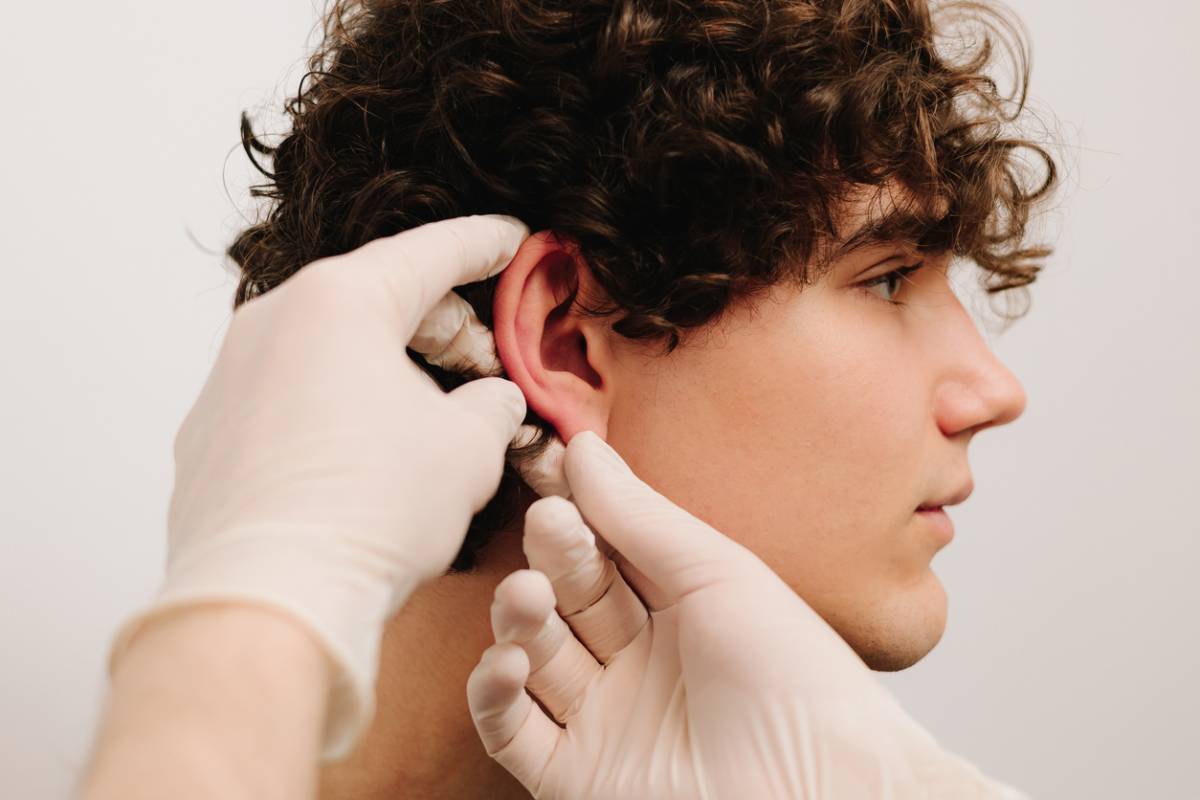
Otoplasty is commonly referred to as ear pinning surgery. It is a cosmetic procedure designed to reshape or reposition the ears. The results provide a more natural and balanced appearance. It can also address ear deformities caused by congenital disabilities or injuries. For many people, the procedure can boost self-confidence by providing improved facial harmony after the procedure. You may wonder, who is a good candidate for otoplasty? Below, you will find more information about why the procedure is correct for you.


Who Is a Good Candidate for Otoplasty?

Otoplasty is a safe and effective procedure. There is minimal downtime, which makes the recovery process smooth. Otoplasty reshapes and repositions the ears closer to the head. Many people are unhappy with the appearance of their ears. If any of the following apply to you, you are a great candidate for the procedure.


Prominent or Protruding Ears

Individuals with ears that stick out and are highly noticeable are good candidates for the procedure. For many people, protruding ears can cause issues with their confidence and self-esteem. Many young children are teased for it, which can impact their social and emotional development. Children as young as five years old can undergo otoplasty, which is a permanent solution to protruding and prominent ears.


Ear Asymmetry

Ears that are asymmetrical or misshapen can be noticeable. Their prominence can cause insecurity and leave people feeling self-conscious about their appearance. People with protruding or asymmetrical ears may try to grow their hair out and wear it in ways that will cover their ears. Otoplasty can give people an alternative to hiding this perceived fault by addressing asymmetry through the reshaping of the cartilage. They may also be able to have their ears repositioned to create a more cohesive look. In either case, the surgery results in a more balanced look and improves overall facial harmony.


Congenital Deformities

Some people are born with ear deformities. Congenital deformities may result in ears that fold down or are missing natural folds. There are also severe congenital conditions that result in underdeveloped ears. Each of these conditions can impact the appearance of the ears. In some cases, congenital deformities can lead to functional issues as well. Because children as young as five can undergo otoplasty, it is a beneficial procedure for addressing ear complications that are present from birth. Addressing the issue early on can improve the appearance and function of the ears for the child’s entire life.


Ear Trauma or Injury 

Accidents or injuries can impact the ears and affect their appearance or function. Reconstructive otoplasty can combat these effects. Specifically, a surgeon may be able to repair the cartilage, replace lost tissue, adjust the position, or address the shape of the ears. For these reasons, those with prior ear injuries or trauma can benefit from plastic surgery and leave the procedure feeling much more confident.


Confidence of Self-Esteem Issues

Many children with ear issues, especially protruding ears, may have issues with their confidence. Younger patients are especially vulnerable to teasing or bullying at school, which can impact their social and emotional development. Some children and teens may be isolated or even become depressed in severe cases. If your child is facing teasing because of their ears, this is an indication that they are a good candidate for otoplasty.  


Candidacy Requirements for Otoplasty Surgery 

If you think you would be a good candidate for otoplasty, the first step in moving forward is scheduling a consultation. A skilled plastic surgeon can assess your ears and determine if you are a good candidate for the procedure. As discussed, candidates for the procedure often include those who have protruding ears, ear asymmetry, congenital deformities, or prior trauma. Candidates must also meet certain criteria to move forward with the surgery.


Fully Developed Ears

Candidates must have fully developed ears. By age five or six, children’s ears are almost entirely developed. 


Good Overall Health

Candidates must be in good overall health. If you have any chronic conditions, they must be well-managed before surgery. Patients should be non-smokers. If you smoke, inform your surgeon as soon as possible. You will need to stop smoking before and after surgery.


Realistic Expectations

Patients should have realistic expectations about the procedure. Otoplasty can improve the appearance and function of the ears. The patient should understand the extent of the procedure and how it will change their appearance. 


Emotionally Prepared

It is important to be emotionally prepared for the procedure. For many adults, this is not an issue. However, young children may not be ready emotionally until they get older. 


Good Ear Health

The patient should have good ear health. They cannot have an infection, inflammation, or untreated skin issues. If the patient has skin conditions, such as eczema or psoriasis, they need to be well-managed before surgery.


Otoplasty in Beverly Hills!

Call or visit Dr. Brent’s office today to start your otoplasty journey.

Featured image for How Long Does a Facelift Last?

How Long Does a Facelift Last?

Rhytidectomy, otherwise known as a facelift, has been a well-known cosmetic procedure for years. It is designed to reduce visible signs of aging in the face and neck and is a popular option for those individuals who want to address sagging skin and deep creases. It effectively provides a more youthful appearance by repositioning facial tissues. This is the reason for its popularity. However, one of the most common questions a plastic surgeon usually has to answer is: How long does a facelift last? This question requires more than a yes or no answer. Various factors may impact the longevity of a facelift. Your surgeon can help you understand them and guide you in making an informed decision.


How Long Does a Facelift Last?

On average, facelift results can last from 7 to 10 years. This means that, after a decade or less, patients may already experience a gradual return of sagging and wrinkling skin as the natural process of aging continues. However, typically, the face will appear younger than if surgery has never been performed.

If you are considering getting a facelift, it is important to keep your expectations in check. A facelift is designed to improve your skin’s appearance by reducing signs of aging, but it does not stop you from aging. You will still continue to age. It just sets back the clock a couple of years.


Factors that Affect How Long a Facelift Lasts


1. Types of Facelift

  • Mini Facelift: This type is less invasive and best for mild sagging. The results usually last for 5 to 7 years.
  • Mid-Facelift: This type targets the cheek area of your face. The results may last for 7 to 10 years.
  • Deep Plane Facelift: Deep plane facelift is a more comprehensive procedure that restores volume and shape by manipulating deeper facial tissues, including the superficial musculoaponeurotic system. The results are usually more natural than traditional facelifts and can last for 7 to 10 years or longer.


2. Patient’s Age at the Time of Surgery

Younger patients who are in their 40s or 50s get longer-lasting results than those who undergo surgery in their 60s or 70s. This is because when skin is younger, it is more elastic and heals better, leading to a better outcome.


3. Skin Quality and Lifestyle

The elasticity, texture, and overall health of your skin can greatly influence how long the results of your facelift can last. When skin is firm and well-moisturized, it is expected to have longer-lasting results. Lifestyle also affects skin health, so the following are to be avoided:

  • Smoking: This accelerates aging and reduces blood flow to the skin.
  • Sun Exposure: This breaks down collagen and elastin, which leads to sagging and wrinkles.
  • Weight Fluctuations: This can stretch the skin and distort the contours of your face.


4. Surgeon’s Skill and Technique

Your choice of surgeon is crucial to the results of your facelift. A highly qualified and experienced surgeon is expected to deliver a more natural look and longer-lasting results.


5. Post-Surgery and Maintenance

Your surgeon will give you post-surgery instructions, which you have to carefully follow.

Failure to do so may affect the way your skin heals and impact the longevity of your results. In addition, you also need to give your skin proper love and care by:

  • Applying sunscreen daily
  • Applying moisturizers and retinoids
  • Avoiding smoking and eating healthy
  • Getting supplemental non-surgical treatment like fillers and laser resurfacing


How to Maximize the Lifespan of Your Facelift

To prolong the beautiful results of your facelift, there are things that you can do:


Follow a Healthy Lifestyle

Make sure that your diet is rich in antioxidants. Engage in regular exercise. And have adequate quality sleep. This will keep your skin fresh and firm.


Avoid Sun Damage

Apply sunscreen every day, even when it is cloudy. A hat or an umbrella can give you extra protection.


Stay Hydrated

Maintain your skin’s elasticity by staying hydrated. Ensure that you are getting plenty of water every day.


Consider Touch-Up Procedures

Ask your surgeon about non-invasive options that can refresh your appearance and delay the need for another surgical facelift. A second facelift done 10-15 years after the first one is not uncommon. Second and even third facelifts are safer and more effective than ever before due to the advances in surgical techniques. However, you need to see if another facelift is really necessary. Many patients do not need another full facelift. A mini facelift or other less invasive techniques may be enough to maintain the firmness of your skin.


Begin Your Transformation Today

A facelift is a truly transformative procedure that not only rejuvenates your skin but also makes it more youthful and boosts the confidence that visible signs of aging have dampened.

Facelift results can last for a long time. The key to that is choosing the right surgeon, following post-operative care instructions, and living a healthy lifestyle. If you want to explore this option for yourself and see if it is the right course to take, schedule a consultation with Dr. Chiu, our board-certified surgeon so that you can be empowered to make an informed decision.

Featured image for What to Expect During a Nuclear Stress Test

What to Expect During a Stress Test?

Whether you’ve recently experienced symptoms like chest discomfort or shortness of breath, or your physician is just proactively monitoring your heart health,  your doctor may recommend stress testing as an early diagnostic tool. While stress testing is just one of the many advanced services available to help detect and prevent cardiovascular disease early, it’s also one that few people know much about.

So, what should you expect during a stress test? It’s a common enough question, especially for anyone visiting a cardiologist for the very first time. Knowing what to expect gives you the confidence to walk into your appointment informed and ready.


What to Expect During a Stress Test?

A stress test, otherwise known as an exercise stress test or sometimes even a treadmill test, is a way for your cardiologist to see how well your heart functions under physical exertion. While resting heart data provides some insight into your heart health, it doesn’t tell nearly the whole story. By having you exercise, your cardiologist can monitor how your heart responds when it’s working harder. Don’t worry; you won’t be asked to lift your weight in barbells or keep a sprinter’s pace for a mile. Doctors typically ask patients to walk or jog on a treadmill for a few minutes and nothing more. 

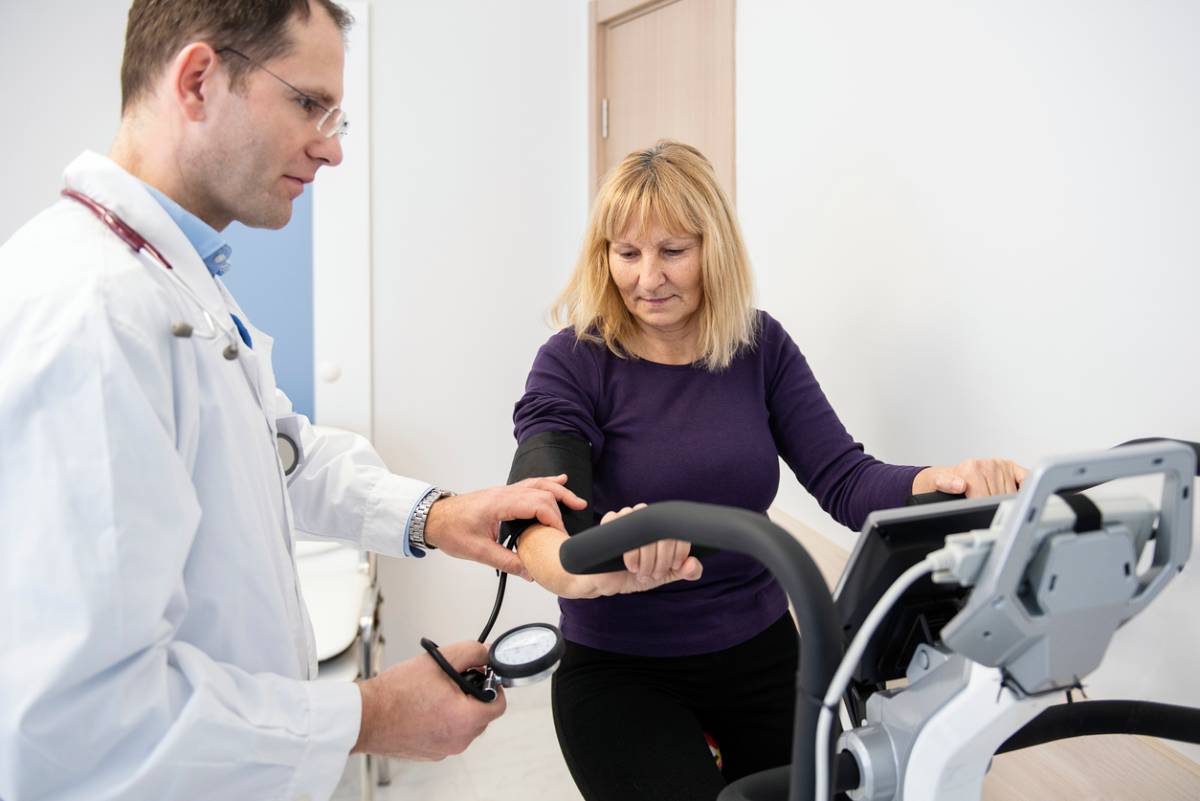
During the test, you’ll be connected to an electrocardiogram (EKG) machine that continuously records your heart’s electrical activity. A blood pressure cuff will also be used to monitor changes throughout the test. They may also observe your breathing. 

The test will start you off at a slow walking pace and gradually increase in difficulty. If this sounds stressful, keep in mind that the process is supervised every step of the way by trained medical professionals, so you will not reach the point of overexertion. The goal isn’t to push you to your limit but to evaluate your heart’s performance under stress.


Understanding Different Types of Stress Testing

At Apex Cardiology, stress testing is customized based on your unique health profile. While the treadmill test is common, other forms may be used, such as pharmacologic stress testing, which is often a better choice for patients who are unable to exercise due to physical limitations.

Some stress tests are paired with imaging, like nuclear scans or echocardiograms, to provide visual insight into how blood flows through the heart or how well it pumps during increased activity. Your cardiologist will select the most appropriate type to give the clearest picture of your cardiovascular function.


How Long Does a Stress Test Take, and What Should I Expect Physically?

The entire visit for your stress test usually takes about 45 minutes to an hour. The actual exercise portion generally lasts between 10 and 15 minutes. This depends on your fitness level and how long your heart can safely maintain an increased workload.

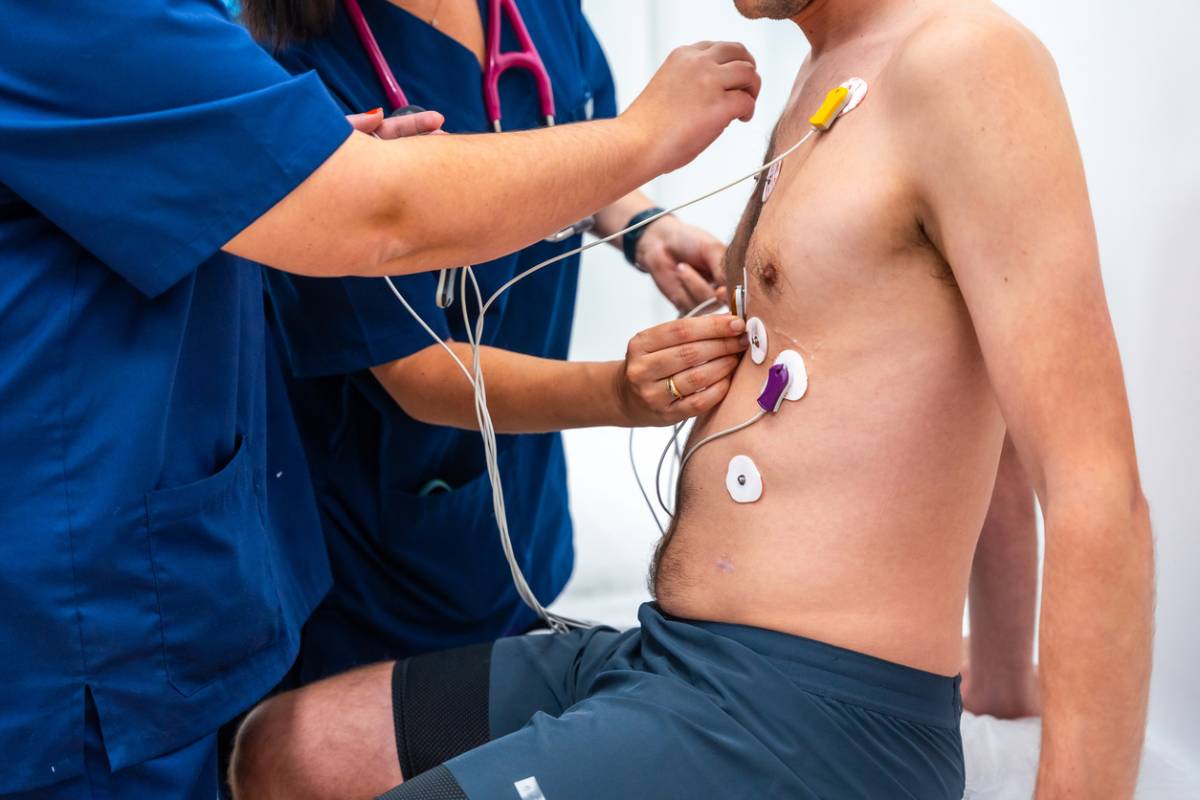
You’ll be asked to wear comfortable clothing and walking shoes as if you’re heading out for a light workout. Before the exercise begins, a technician will place small, sticky electrode patches on your chest to monitor heart rhythms. A baseline reading will be taken before you begin moving. 

As the treadmill speeds up and inclines, you’ll be asked to report any symptoms, such as dizziness, shortness of breath, or chest pain. These are all key clues your cardiologist uses to interpret results.


Can I Eat or Take Medications Before My Stress Test?

Your cardiologist will provide detailed instructions tailored to your specific medical background. Still, in general, you may be asked not to eat or drink anything except water for a few hours before the test. Certain medications may also be paused before testing, especially if they affect heart rate or blood pressure.

If you have diabetes or are taking beta-blockers, make sure to inform your care team ahead of time. The goal is to make sure that the test results accurately reflect your natural heart response. Planning ahead and following pre-test instructions closely ensures the data your cardiologist receives is as precise and meaningful as possible.


What Happens After the Stress Test?

Once the treadmill portion is complete, your heart will continue to be monitored during the recovery phase. This helps your care team see how quickly your heart rate returns to normal, an important indicator of cardiac health. You’ll be able to cool down and rest while the equipment gathers final readings.

Results are not always immediate, as your cardiologist may need to review the data in detail, sometimes alongside imaging studies if a nuclear or echocardiographic stress test is ordered. They’ll follow up with insights and next steps, which might include further testing, lifestyle recommendations, or a change in your treatment plan if needed.


Ready to Schedule Your Stress Test?

If your physician or cardiologist has recommended a stress test or if you’re experiencing symptoms and want peace of mind, the expert team at Apex Cardiology is here to guide you through every step. Schedule your consultation today and take the next step toward proactive heart health.