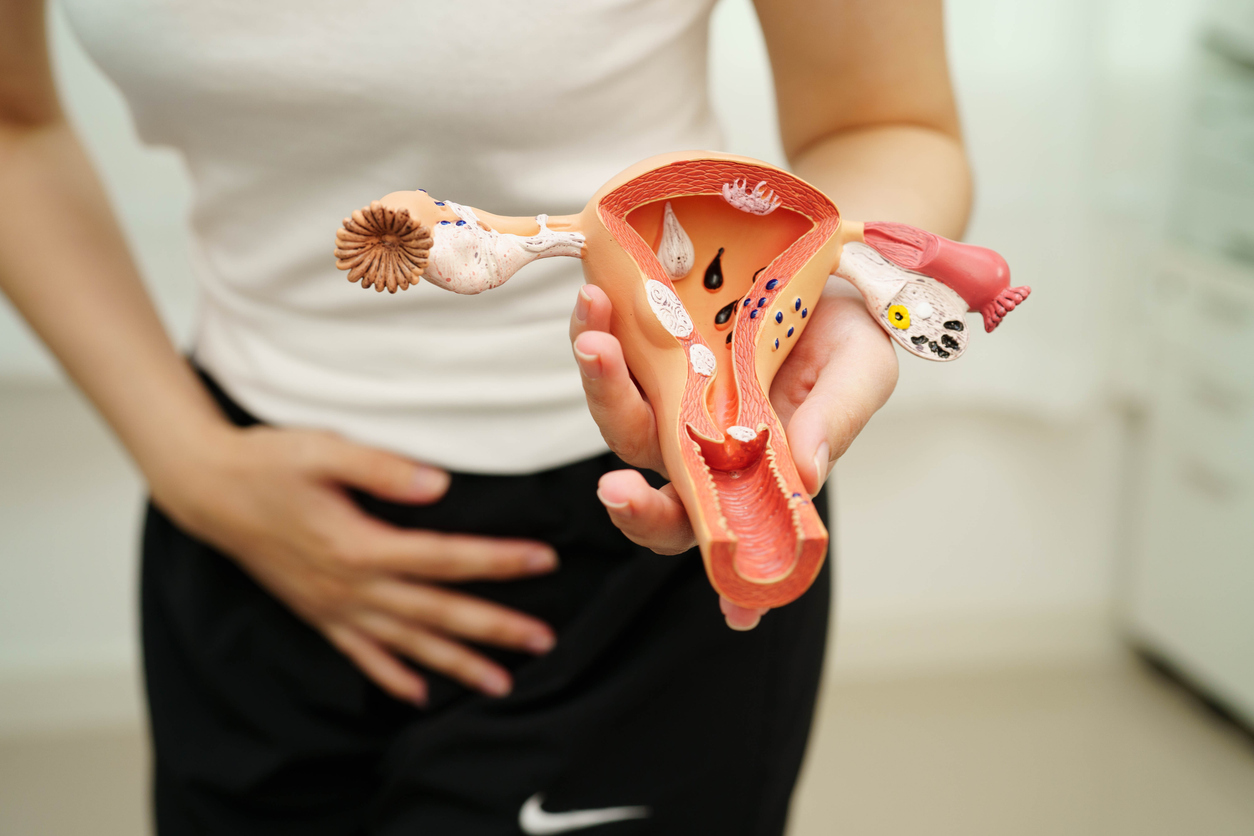
Types of Fibroids and Why Location Matters
Uterine fibroids affect roughly 20-50% of women, 77% of these tumors develop during a woman’s reproductive years. While some people may have fibroids without any symptoms, others experience significant health impacts depending on the type and location of their fibroids.
Understanding how fibroids differ by location is key to recognizing symptoms, choosing proper treatment, and planning for future fertility or quality of life.
What Are Uterine Fibroids?
Uterine fibroids are benign muscle tumors that grow in or around the uterus. The size of fibroids ranges from as small as 1 millimeter to more than 20 centimeters (8 inches). Most uterine fibroids are small and usually asymptomatic, but larger fibroids can distort the uterus, causing painful symptoms.
Fibroids don’t lead to cancer, but they often impact menstrual bleeding, pelvic comfort, bladder and bowel function, and fertility, depending on where they grow.
Fibroid Types by Location
Medical classification of fibroids centers on where the growth occurs relative to the uterine wall and cavity. Location is important because it often determines the symptoms someone experiences and the most effective treatment approach.
Intramural Fibroids – Within the Uterine Wall
Intramural fibroids are the most common type. They develop within the muscular wall (myometrium) of the uterus. As these get bigger, they can expand outward and distort the uterine shape, potentially leading to:
- Heavy menstrual bleeding
- Longer periods
- Pelvic pressure
- Pain or fullness in the lower abdomen
Because they reside deep in the uterine wall, intramural fibroids can mimic symptoms of other types and sometimes complicate surgical removal.
Submucosal Fibroids – Inside the Uterine Cavity
Submucosal fibroids grow just beneath the uterine lining and protrude into the uterine cavity. Though less common, these fibroids are particularly impactful because they lie where the menstrual blood collects and where embryos implant.
Submucosal fibroids are associated with:
- Very heavy or prolonged bleeding
- Spotting between periods
- Anemia (from blood loss)
- Fertility challenges
Their position can distort the uterine cavity, making conception or implantation more difficult, and often leading to symptoms that significantly affect quality of life.
Subserosal Fibroids – On the Outer Uterine Surface
Subserosal fibroids form on the outside of the uterus, growing toward the pelvic cavity. They are less likely to affect menstrual bleeding directly, but can cause symptoms related to pressure on nearby organs, such as:
- Frequent urination (bladder pressure)
- Constipation (rectal pressure)
- Pelvic discomfort or fullness
- Bloating
Because they expand outward rather than into the uterine cavity, subserosal fibroids often go unnoticed until they become quite large.
Pedunculated Fibroids – Fibroids With a “Stalk”
Some submucosal or subserosal fibroids grow on a narrow stem, called a peduncle. These pedunculated fibroids can twist on their stalk and cause acute pelvic pain, even when they are relatively small. Their unique attachment can complicate diagnosis and treatment, depending on symptoms and location.
Why Fibroid Location Matters
The location of a fibroid is more than a label—it directly affects:
- Symptom Profile
- Submucosal fibroids often cause the heaviest bleeding and most disruption to menstrual flow.
- Subserosal fibroids can produce organ compression symptoms without affecting menstruation.
- Intramural fibroids sit somewhere in between, potentially causing both bleeding and pressure symptoms.
- Diagnostic Strategy
Imaging—such as ultrasound or MRI—is used to determine the location, size, and number of fibroids. Accurate diagnosis helps practitioners personalize care, from medication to minimally invasive procedures.
Treatment Choices
Treatment options are influenced by fibroid location. For example:
- Submucosal fibroids might be approached with hysteroscopic removal.
- Subserosal and larger intramural fibroids may be better suited for embolization or other targeted therapies.
- Location also plays a role in planning fertility-preserving interventions versus surgical options.
Learn More with ProFibroid MD
Understanding the types of fibroids and why their location matters empowers patients to ask informed questions and seek tailored care.
Schedule a consultation with ProFibroid MD to learn more about how fibroid location may be affecting your health and to explore individualized treatment options.
Leave a Reply