What Precautions Should You Take Before and After a Nuclear Stress Test?
If your cardiologist has recommended a nuclear stress test, you may be wondering what exactly that means, what to expect, and how to get yourself ready for the test itself. Whether it’s your first time undergoing this type of diagnostic procedure or it’s part of an ongoing care plan, knowing what to do (and what to avoid) can make the entire process far less stressful. So, let’s explore a key question in this process: What precautions should you take before and after a nuclear stress test?
What Precautions Should You Take Before and After a Nuclear Stress Test?
Let’s begin by understanding what a nuclear stress test is and why it may be necessary. A nuclear stress test is a non-invasive imaging procedure used in nuclear cardiology that assesses blood flow to the heart. It involves injecting a small amount of radioactive tracer and capturing images before and after your heart is stressed, typically through exercise or a medication that simulates exercise.
This test helps your cardiologist evaluate how well or poorly your heart is functioning and identify any areas of reduced blood flow. Taking the right precautions both before and after the test helps make sure that you get the best results, minimizes discomfort, and protects your overall health.
How to Prepare the Day Before Your Nuclear Stress Test
Preparing for your nuclear stress tests starts the day before your test. In most cases, you’ll be asked to steer clear of ingesting any caffeine for at least 24 hours. This includes coffee, tea, chocolate, energy drinks, and certain over-the-counter medications, such as some pain relievers and cold medicines. That’s because caffeine can interfere with test results, especially if you’re undergoing a chemical stress test.
You’ll also need to review your medications with your cardiologist. You may need to pause certain medications, such as beta-blockers, theophylline, or those containing dipyridamole. However, never stop taking medications without first discussing it with your healthcare provider.
What to Do the Morning of Your Test
On the day of your nuclear stress test, you should arrive already prepared to go. Typically, your care provider will ask you to fast for at least 4 to 6 hours before the procedure. This means no food and possibly even no water, depending on your physician’s instructions.
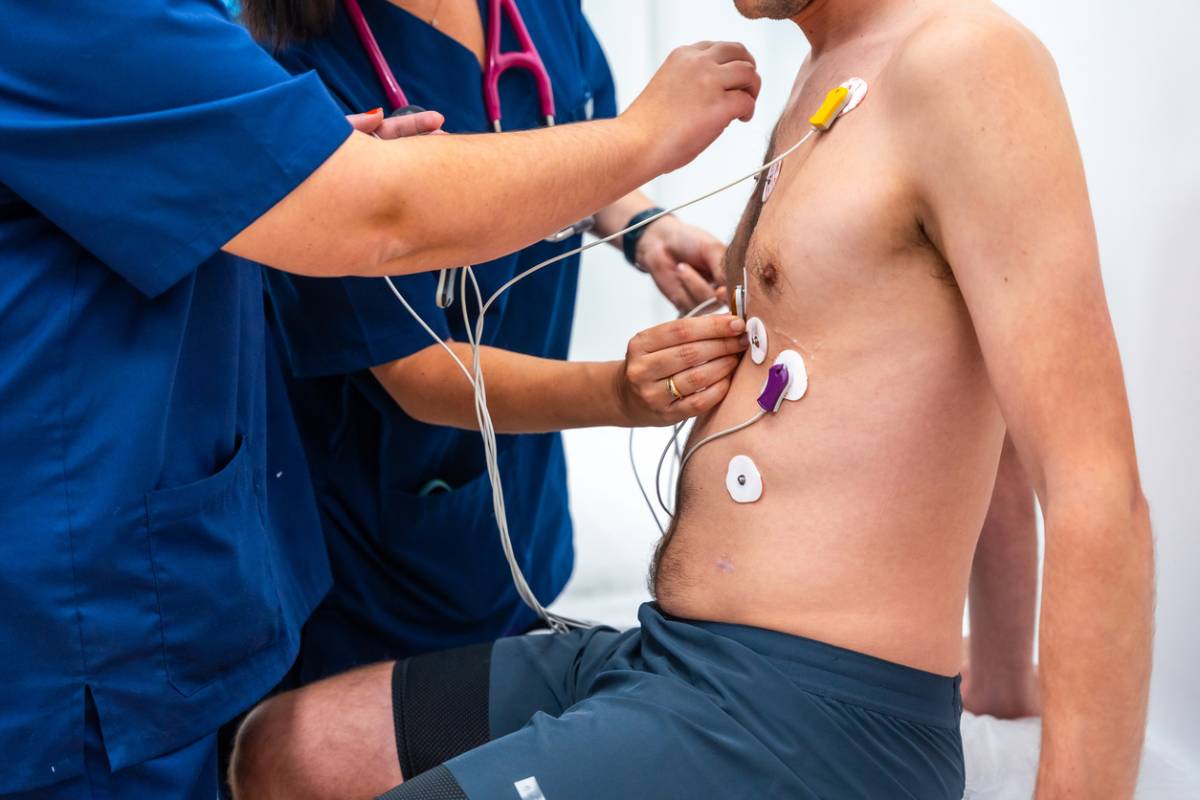
Dress comfortably in loose-fitting clothing and wear walking shoes, especially if you’ll be walking on a treadmill as part of your stress test. Also, avoid applying lotions or creams to your chest, as they can interfere with the placement of the electrodes for monitoring your heart activity.
Bring a complete list of your medications and supplements to the appointment. You’ll also want to inform the technician if you have any allergies, particularly to medications or contrast dyes.
After Your Nuclear Stress Test: What to Expect and What to Avoid
Following the test, most people can return to normal activities within a few hours. However, there are still a few noteworthy precautions to keep in mind.
Most people are advised to drink plenty of fluids, mainly water, to help flush the radioactive tracer from their system. Although the amount of tracer used is minimal and considered safe for this purpose, staying hydrated helps your body eliminate it more effectively. You might also be told to avoid close contact with infants, pregnant women, or pets for a few hours as an extra precaution, though this is more typical in high-dose scans.
Mild side effects, such as fatigue, lightheadedness, or a slight headache, can occasionally occur, especially when your doctor has you use medication to simulate exercise. Please notify your care team if symptoms persist or if you experience any unusual symptoms. Your cardiologist will follow up by reviewing your results with you and determining any next steps based on the test’s findings.
Talk to Your Cardiologist If You’re Feeling Uncertain About Anything
If you have concerns about undergoing a nuclear stress test, don’t hesitate to reach out to your cardiologist beforehand. It’s essential that you feel informed, confident, and comfortable heading into any diagnostic procedure. This means addressing any questions you may have about the procedure, recovery, preparation, or any other aspect of the process.
Your care team at Apex Cardiology can answer questions specific to your health history and explain every part of the process in detail. After all, heart health isn’t one-size-fits-all—your care shouldn’t be either.
Let Apex Cardiology Guide You Through Every Step
Need help preparing for your upcoming stress test or have questions about nuclear cardiology services? Schedule a consultation with Apex Cardiology today to speak with experienced professionals who prioritize your heart health.
Leave a Reply