featured image for how does nonsurgical rhinoplasty work

How Does Nonsurgical Rhinoplasty Work?

With nonsurgical rhinoplasty, patients finally have access to their preferred aesthetic without going through surgery. Avoid the risks and downtime and all the rest. But how does nonsurgical rhinoplasty work?

How Does Nonsurgical Rhinoplasty Work?

Traditional rhinoplasty uses invasive methods to reshape the bone and tissues of the nose. This can involve permanent implants or even shaving away bone material. Understandably, many patients do not want to go through that.

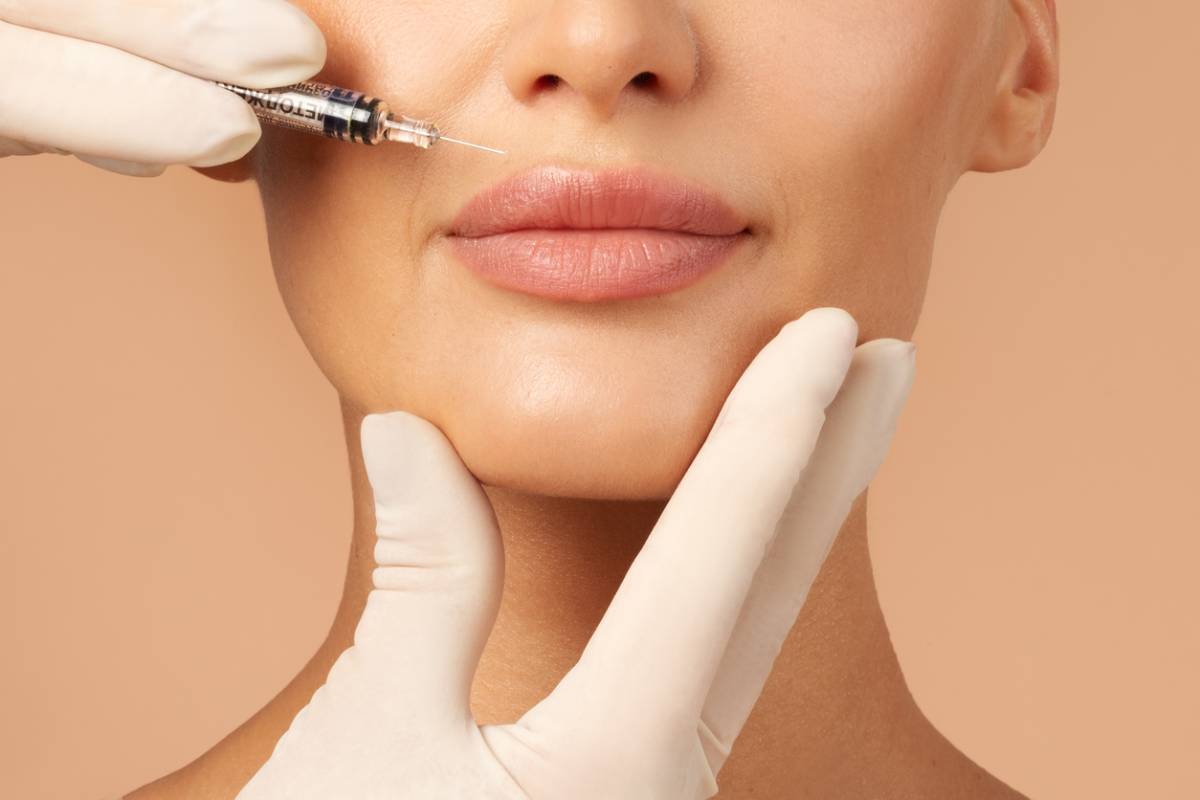
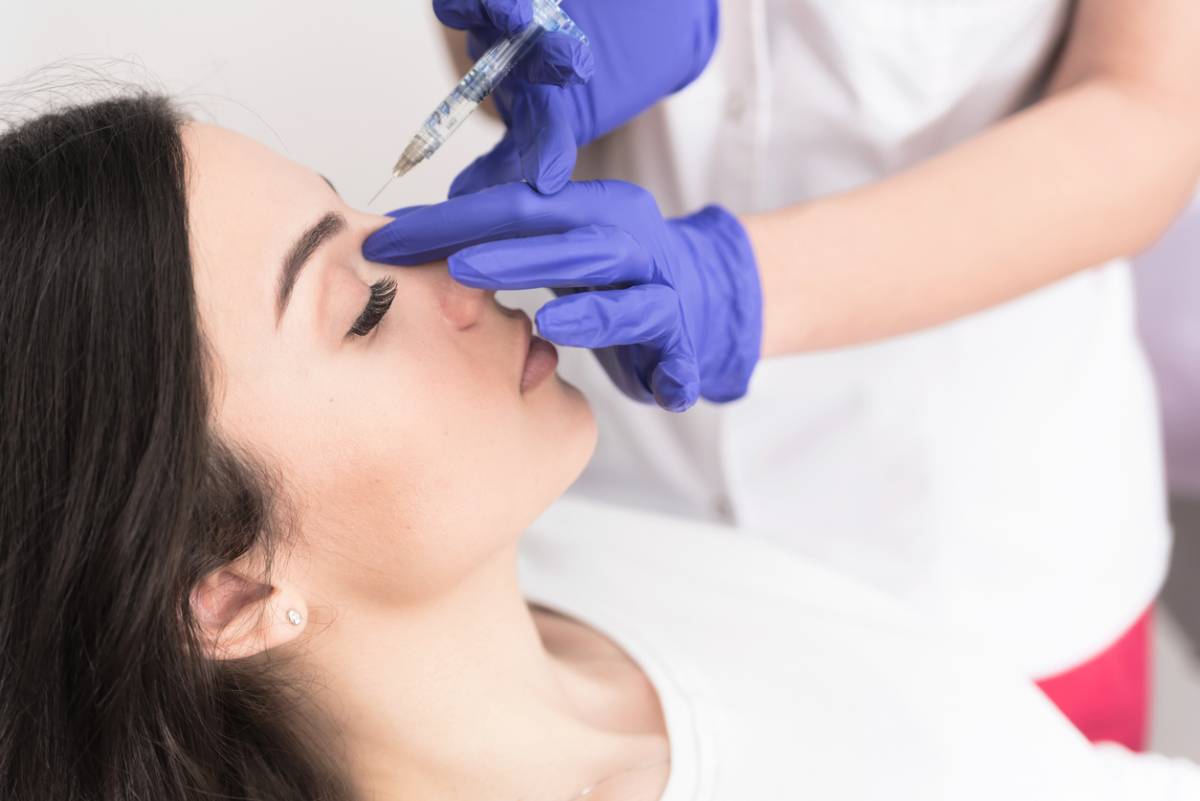
Nonsurgical rhinoplasty takes a gentler approach that requires less commitment. It reshapes the nose using only dermal fillers. Your specialist will inject selected fillers at key points to subtly alter the nose’s appearance.

Step 1: Injections

Your specialist will work with you to build a suitable treatment plan. This includes the type of filler and the number of injections.

On the day of treatment, you will be fully awake. Thus, you maintain complete control over the treatment. If something does not look quite right, you can let your specialist know. They can then adjust the treatment to better match your goals.

By the time you leave the office, you will already see your results. After mild swelling goes down, you can already see your full results.

Step 2: Repeat

Dermal fillers can last for months to years, depending on the type. However, they are not permanent. This means that nonsurgical rhinoplasty results last as long as the fillers do.

However, repeating the treatment is far easier than having another surgery. Simply come in for a touch-up treatment, and your results are restored.

Many patients even use this opportunity to make small alterations. Unlike with surgery, nonsurgical approaches let you try out different aesthetics with minimal commitment.

Why Dermal Fillers?

Dermal fillers are used in myriad ways in cosmetic treatments. Extending their use to nonsurgical rhinoplasty allows for several key benefits. These include:

Temporary Results = Less Commitment

Changing the shape of your nose is a big step. Since fillers eventually dissolve, patients do not need to worry about a lifelong commitment. They naturally break down after several months. But if you do not like your results, you can even use hyaluronidase to break down the filler faster.

Many surgical rhinoplasty patients have a hard time adjusting to their new look. The nonsurgical approach places you under less pressure. Allowing you to adapt to your new aesthetic without the lingering worry of lifelong commitment.

Natural Look and Feel

Dermal filler solutions contain hyaluronic acid. This compound naturally occurs in the body and attracts water. This leads to a more natural feel to the nose compared to prosthetics or implants.

Fillers also allow for more flexibility in changing your results. Traditional rhinoplasty would require a whole second surgery to alter results. The nonsurgical approach allows for easier tailoring for a look that is 100% you.

Can a Nonsurgical Rhinoplasty Decrease Nose Size?

Nonsurgical rhinoplasty only can add volume to the nose. While this might seem restrictive at first, it actually is more flexible than many patients imagine.

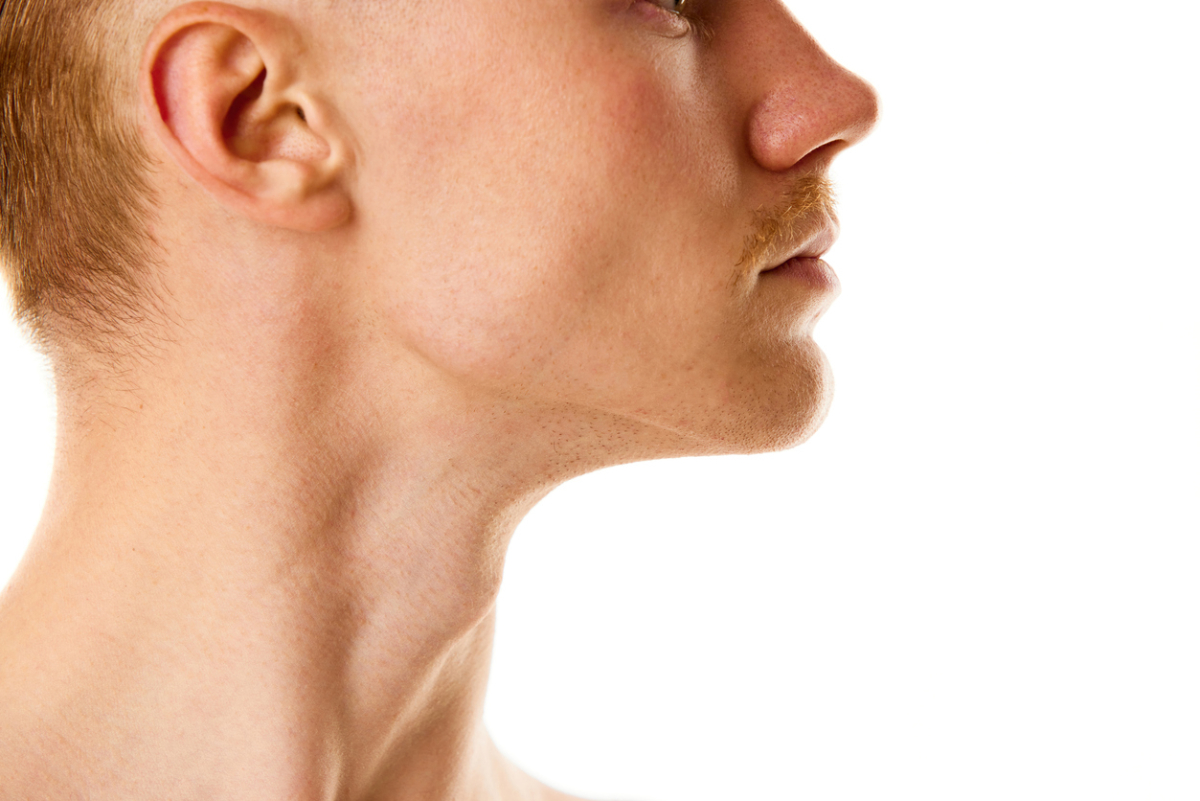
A common goal for rhinoplasty patients is to create a straight nose bridge. While you might think removing tissue accomplishes this goal, it often requires the opposite. By adding filler to the nose, it can straighten its profile.

However, this does not increase the visual size of the nose. So while filler adds to the nose, it can create the sense of a smaller, more balanced nose due to its shape and profile.

Beverly Hill’s Top Cosmetic Dermatologist

Dr. Ourian has served as a cosmetic dermatologist to some of the top names in Hollywood and Beverly Hills. Contact his office today to set up your consultation.

Featured image for How Long Will It Take to Get Results from an Echocardiogram?

How Long Will It Take to Get Results from an Echocardiogram?

If your doctor has recommended an echocardiogram, it’s completely natural to have questions. One of the most common ones is also one of the most important: How long will it take to get results from an echocardiogram? Waiting for medical results can be nerve-wracking, especially when it involves your heart health, but the good news is that echocardiograms are efficient, non-invasive, and often come with a fairly quick turnaround time.

At Apex Cardiology, we believe that peace of mind matters just as much as clinical precision. Whether you’re coming in for your first echo or you’ve had heart concerns before, we’re here to make the process feel clear, comforting, and grounded in expert care.


How Long Will It Take to Get Results from an Echocardiogram?

Once your echocardiogram has been completed, the timeline for receiving your results depends on a few key factors. However, in many cases, you can expect to receive results within 24 to 72 hours. That said, it’s essential to understand what’s happening behind the scenes during that time.

During the echocardiogram, sound waves create moving images of your heart in real time. While the technician (or sonographer) performing the test can often see and record these images immediately, they do not (and cannot) interpret them. Instead, a highly trained cardiologist will carefully analyze the results, looking at how your heart chambers, valves, and blood flow are functioning.

This process doesn’t take long, but your specific results may be fast-tracked or take slightly longer depending on the urgency of your condition and the availability of your cardiologist.


What Can Affect Your Wait Time?

Several factors can influence exactly how long it takes to get your echocardiogram results:


The Urgency of Your Case

If your echo was ordered due to symptoms like chest pain, shortness of breath, or irregular heartbeat, your results may be prioritized. Urgent or emergency findings may be shared on the same day.


Type of Echocardiogram

There are several kinds of echocardiograms. A transthoracic echocardiogram (TTE) is the most common and typically has the fastest turnaround. More complex tests, such as transesophageal echocardiograms (TEE) or stress echocardiograms, may require additional time for interpretation.


Cardiologist Availability

After the test, your results are sent to a board-certified cardiologist for review and evaluation. Depending on scheduling or patient volume, this may affect when your results are finalized and shared.


What Will the Results Show?

An echocardiogram gives your doctor a wealth of information about how your heart is working. These are some of the key findings your cardiologist will review:

  • Heart chamber size and shape
  • How well your heart is pumping
  • Valve function and movement
  • Blood flow patterns
  • Signs of fluid buildup or clots
  • Indications of heart disease, damage, or infection

Your cardiologist will look for any signs that might suggest a problem, as well as confirm healthy heart function.


What Happens After You Receive Your Results?

Once your results are in, the next steps depend entirely on what the echocardiogram shows. In many cases, the results will be reassuring, and no further testing or immediate action is needed.

If something concerning appears in the images, your cardiologist will explain what they found and what it means for your heart health. You may require additional tests, a new medication, or a personalized follow-up plan tailored to your heart’s specific needs.

No matter the outcome, you won’t be left in the dark. Your care team at Apex Cardiology will guide you through every detail, ensuring you feel confident about what’s next.


Ready to Schedule Your Echocardiogram?

If you’ve been referred for an echocardiogram or have questions about your heart health, schedule an appointment with a trained cardiologist at Apex Cardiology today. Our expert team is here to provide compassionate, personalized care, starting with the answers you need.

Featured image for What Does 360 Liposuction Include?

What Does 360 Liposuction Include?

The unfortunate truth is that many people are not happy with what they see in the mirror. In many cases, this lack of self-esteem is the result of weight. Pregnancy, stress, and life changes can impact the way your body looks. This is true even if you work out regularly and eat a balanced diet. If you have stubborn fat that is making you feel less attractive, cosmetic intervention is one of the most effective ways to reduce it. One popular option is 360 liposuction. You may wonder, what does 360 liposuction include? Below, you will find the answer to this question, along with additional information that will help you determine if the procedure is right for you.


What Does 360 Liposuction Include?

Advancements in plastic surgery have made attaining your dream body possible. One of the most innovative and effective options is 360 liposuction. The procedure is designed to reshape the entire midsection. Traditional liposuction targets specific spots, oftentimes the abdomen. However, 360 liposuction targets the abdomen, sides, and back all in one procedure. This creates a smoother and more contoured shape from all angles. 

One of the major benefits of the procedure is that the fat removed can be transferred to other areas of the body. Many patients choose to enhance certain areas of the body with it, including the breasts. Combining a fat transfer breast augmentation with 360 liposuction is a common procedure. Combining the procedures can enhance your overall results.


Is 360 Liposuction Right For Me?

Many people wonder what they can do about the areas of their body they dislike. The best patients for 360 liposuction are those who are close to their goal weight. If you diet and exercise and still have stubborn fat left, the procedure is likely right for you. 360 liposuction is not a weight loss procedure. It is a body enhancement procedure that leaves your body looking contoured and harmonious overall.

Candidates for the procedure should be in good overall health. Due to the importance of healing after surgery, any pre-existing medical conditions must be well-managed and under control. It is important to share any medications you are on and what medical conditions you have at the consultation. It is important that you do not smoke. Smoking increases the risk of complications during and after surgery. If you do smoke, disclose that to the plastic surgeon during the consultation.


Customizing Your Liposuction 360 Procedure

Infographic for Liposuction

During the consultation, it is important to share your aesthetic goals. The surgeon can assess if you are a good candidate. From there, they can create a customized plan for your procedure. This includes the areas to be treated and the liposuction method to be used. There are several types of liposuction, each offering unique benefits.


Traditional Liposuction

Traditional liposuction is the most widely used method for fat removal. During the procedure, the surgeon makes small cuts in the skin. A thin and hollow tube is inserted into the holes. It is moved back and forth to effectively break up the fat in the treated area. The fat is then suctioned out of the body. This is a great option if large amounts of fat are being removed from a specific area. It is best for patients with good skin elasticity.


Tumescent Liposuction

Tumescent liposuction is another common type of fat removal. A special fluid is inserted into the body to make the fat easier to remove. It is a combination of salt water, lidocaine, and epinephrine. The lidocaine is a numbing medication that makes the procedure more comfortable. The solution causes the fat to swell and firm, making it much easier to remove. It also reduces pain, bleeding, and bruising after the procedure. This option offers a shorter recovery time and is highly safe.


Ultrasound-Assisted Liposuction

Ultrasound-assisted liposuction uses a special device to remove stubborn fat. The device uses sound wave energy to break up the fat in the treated area. The energy liquefies the fat, making it easier to remove. Some areas of the body have more fibrous fat, which is harder to remove. This method generally makes removal smoother and faster.


Power-Assisted Liposuction

Power-assisted liposuction uses a special tube, similar to traditional liposuction. However, the thin and hollow tube used here rapidly vibrates. This breaks down the fat cells, making them easier to remove. This is especially helpful in areas with dense or fibrous fat. The vibrational device results in less bruising and discomfort. Power-assisted liposuction is a safe and effective procedure that offers shorter recovery times.


Laser-Assisted Liposuction

Laser-assisted liposuction uses forced laser energy to remove unwanted fat. The laser energy melts the fat, making it much easier to remove. The laser energy is delivered through a fiber that is inserted under the skin via a small incision. One of the major benefits of this type of liposuction is that the laser can have a skin-tightening effect. This is because it boosts your natural collagen production in the treated area. For this reason, it is a great option for patients with loose skin.


The Procedure

Depending on your procedure, you may be provided local or general anesthesia. This will be discussed at your consultation, so you are prepared on the day of your plastic surgery. Once you have been provided anesthesia and are ready for the procedure, small incisions are made. These are small and carefully placed to reduce the appearance of scarring. Depending on the type of liposuction, a special device is used to remove the fat. Once the fat is removed, the incisions are closed.

The procedure generally lasts one to two hours. However, this can vary depending on the number of treatment areas and sizes of the area being treated. Many patients combine 360 liposuction with other procedures. Depending on the other procedures, surgery may take a few hours. 360 liposuction is performed on an outpatient basis, so you can go home the same day. 


Top 360 Liposuction Plastic Surgeon

If you want to remove unwanted fat and improve the appearance of your body, contact the team at Elise Min Plastic Surgery today to schedule your consultation! 

Featured image for What Is a Good Age for a Facelift?

What Is a Good Age for a Facelift?

A facelift is one of the most popular cosmetic procedures. It is highly effective in reducing the signs of aging on the face and neck. A facelift tightens sagging skin, reduces the appearance of wrinkles, and provides an overall refreshed look. It not only improves your facial aesthetic, but it can also boost your confidence. Investing in yourself can help you regain your confidence and look and feel like yourself again. Many patients wonder, what is a good age for a facelift? Below, you will find helpful information on when to consider a facelift.


What Is a Good Age for a Facelift?

A facelift is an effective way to restore a more youthful appearance. It does not impact the structure of your face. However, it reduces the signs of aging, making you look more youthful. In fact, it can take up to ten years off the look of your face. While there is no perfect age for a facelift, many people get the surgery between the ages of 40 and 60. There are several reasons why patients undergo a facelift.


Getting A Facelift In Your 40s

Getting a facelift in your 40s is a great way to intervene on the signs of aging early. In your 40s, skin begins to lose its elasticity. This is when the first signs of aging appear, especially around the jawline. One of the major benefits of getting a facelift in your 40s is that the changes are more subtle. Depending on the severity of the signs of aging on your face, some plastic surgeons perform a mini-facelift, which addresses the signs of aging on the lower face and neck. Recovery can also be smoother and faster when you are younger. If you have mild sagging and good skin elasticity, a facelift in your 40s is a great choice. It provides natural-looking results that last.


Getting A Facelift in Your 50s

The most common age range for facelifts is people in their 50s. Many people at this age have deeper lines, more pronounced jowls, and skin laxity on the neck. Many of these issues cannot be addressed with creams or injectables, as surgery is necessary. A facelift at this age can reverse the signs of aging and leave you with a youthful and refreshed look. If you have moderate to severe facial aging and are in good health, a full facelift is likely the right choice for you.


Getting A Facelift in Your 60s or Later

Investing in your appearance has no age limit. Many patients opt to get a facelift in their 60s and later to restore their youthful appearance. By age 60, skin sagging and deep wrinkles are common. A facelift can tighten sagging skin and smooth out wrinkles that have deepened over time. A skilled plastic surgeon can assess your skin elasticity and overall health. The main concern is that you are in good overall health. You must achieve good outcomes during and after surgery, including undergoing general anesthesia. Many patients over the age of 60 undergo a facelift and achieve amazing results.


Is a Facelift Right For Me?

Getting a facelift is more than just about your age. People of all ages benefit from a facelift due to the amazing results. Determining if the surgery is right for you depends on your own aesthetic goals. Below are some common indications that a facelift is right for you.


Sagging Skin

Skin sagging is a common sign that you may be a good candidate for a facelift. Loss of skin elasticity occurs due to a reduction in the production of collagen and elastin. These are important proteins that keep your skin firm and tight. Collagen and elastin production slow down as early as your 20s. If you have skin sagging around your cheeks, jawline, or neck, a facelift is a great option.


Deep Wrinkles

Fine lines eventually deepen into wrinkles as you get older. These are common around the eyes and the mouth. Nasolabial folds around your mouth can leave you looking much older than you are. A facelift can smooth out wrinkles, resulting in smoother skin and leaving you looking not only younger but also more refreshed.


Other Treatments No Longer Work

For many people, injectable treatments can reduce the signs of aging. Injectable fillers and wrinkle removers are highly effective in reducing the appearance of wrinkles. However, they work best on the early signs of aging. More advanced signs of aging require surgical intervention. If injectables and skin treatments are no longer working for you, a facelift is a highly effective and long-lasting option.


Top Plastic Surgeon in Beverly Hills

If you are unhappy with your facial aesthetics, contact Dr. Brent and his team today to schedule a consultation. 

Featured image for How Does alloClae Differ from Other Fillers

How Does alloClae Differ from Other Fillers?

Body fillers are a popular treatment for individuals seeking to add volume and enhance the shape of specific areas of the body. Millions of non-surgical body treatments are performed each year in the United States. Even with a balanced diet and regular exercise, some enhancements cannot be achieved without cosmetic intervention. Body contouring is an effective way to achieve your desired physical appearance. Body fillers, such as alloClae, smooth out unevenness, add volume, and accentuate your natural curves. Unlike traditional facial fillers, alloClae was specially made to contour larger areas of the body. This includes your hips, thighs, buttocks, breasts, and more. So, how does alloClae differ from other fillers? Below, you will find more information about the cosmetic treatment and why it may be right for you.


How Does alloClae Differ from Other Fillers?

Body contouring has made achieving your desired physical aesthetic possible. It is a highly popular cosmetic treatment, as it does not require major surgery. Body contouring treatments, such as alloClae body filler, offers unique benefits compared to alternative treatments.


Natural Body Filler

Traditional fillers are made from synthetic or lab-created materials. Hyaluronic acid fillers are the most commonly used type of filler. They are widely used on the face to address fine lines, wrinkles, and volume loss. However, alloClae is derived from donated human fat. The fat is carefully processed and cleaned to remove any living cells. The remaining material is a natural and safe filler that can be injected into larger areas of the body. It is composed of important components, including collagen and growth factors. This is beneficial for your body as it is much easier to accept. In fact, healthy tissue can naturally be built around it.


Promote Tissue Growth

Injectable fillers maintain their shape for a short period until the body absorbs them. Once the fillers are absorbed, the volume is lost. For this reason, maintaining filler results requires regular treatments. Unlike traditional fillers, alloClae can encourage your body to build and hold its volume. The natural materials taken from human fat contain natural growth factors. This helps new tissue grow in the treated areas. This means that your results continue to improve for weeks as your body adapts to the filler.


Designed To Enhance Your Body

Traditional fillers are designed for smaller areas of your body, specifically your face. Most people get injectable fillers on their lips, cheeks, or under their eyes. These fillers do not last long or work well when used on larger areas of the body. Body fillers like alloClae can be used on your breasts, hip dips, buttocks, or thighs. They can also be used on scars or areas of the body with cellulite. The body filler is a great option for those who want to enhance their curves without surgical intervention.


Long-Lasting Results

One of the major differences between traditional filler and alloClae is the longevity of the results. Traditional fillers last between six and twelve months. In one year, the body has likely broken down the material. This is why frequent touch-up treatments are necessary. However, alloClae lasts much longer.

In many cases, it can last between one and two years. This is because it not only fills the area but also encourages the growth of new tissue. This ensures your results last for well over one year.


alloClae vs. Fat Transfer: What’s the Difference?

When considering body contouring treatment, many people compare alloClae and fat transfers. You may wonder, what is the difference, and which one is right for me? Both treatments add volume and improve body shape. However, there are a few important differences that make alloClae a top choice.


Fat Transfers Require Liposuction

A fat transfer requires liposuction as well. A fat transfer involves removing fat from your own body and transferring it to another area. It is usually taken from the stomach, thighs, or hips. The first consideration is that you need to have enough fat to transfer. Some patients do not have sufficient fat to transfer.

Additionally, the method requires two procedures. Liposuction can result in bruising and swelling. While this is completely normal, it does prolong the recovery time as compared to alloClae.


alloClae Is Already Prepared

Unlike a fat transfer, alloClae is ready to use right away. A fat transfer requires liposuction. The fat needs to be removed from the body and then processed before it can be injected into the new areas. For patients who want a faster and less invasive treatment, alloClae is the best choice. It does not involve as much recovery, as there is minimal bruising, swelling, or discomfort after treatment. Most patients are back to their routine within just a few days. A fat transfer requires much more downtime to fully recover.


Predictable Results

Some have reported that a fat transfer is not as predictable as alloClae when it comes to the results. Some of the fat cells in a fat transfer may not survive after they are moved. Over time, this can lead to volume loss in the treated areas. However, alloClae provides smooth and long-lasting results. The treatment fills the treated area and promotes new growth. The body filler encourages your body to build new and healthy tissue around the treated area. This provides you with predictable, long-lasting results.


Is alloClae Right For Me?

Improving the appearance of your body can boost your self-confidence. If you want to enhance your body image, AlloClae is a great option. It is ideal for patients seeking to enhance the appearance of their breasts, buttocks, thighs, or hips. A regular diet and exercise regimen cannot always help you achieve your desired physical aesthetic. Body contouring can help you reach your body goals with ease. It is a cosmetic treatment that provides natural-looking results that last. Moving forward with treatment requires a consultation with a skilled and experienced plastic surgeon.

If you want to enhance your body’s appearance, contact the team at Gabbay Plastic Surgery today to schedule your consultation. 

Featured image for How Collagen Improves Skin Texture

How Collagen Improves Skin Texture

The physical signs of aging can be off-putting and motivate men and women alike to seek ways to combat their concerns. A leading treatment to improve your skin’s texture and work toward this goal is collagen treatment. Collagen plays a pivotal role in enhancing skin texture and reducing the signs of aging. As the most abundant protein in your body, it provides essential support and elasticity to your skin, helping to maintain its firmness and smoothness.

Understanding the mechanisms by which collagen influences skin health not only sheds light on its importance but also raises intriguing questions about how you can harness its benefits to achieve a more youthful complexion. Armed with a bit of knowledge and help from an oculofacial professional, you can combat uneven skin texture scientifically and improve your overall appearance, health, and, subsequently, your quality of life. 


What Is Collagen and Why Does It Matter for Your Skin

Collagen is the foundation for your body’s connective tissues, including your skin, muscles, bones, tendons, and ligaments. Proteins are formed from amino acids that group to form protein fibrils in a well-defined structure. To form the complex structure successfully, your body requires adequate amounts of vitamin C, zinc, copper, and manganese. 

The primary purpose of collagen is to provide structure, strength, and support throughout your body. More specifically, collagen is primarily responsible for helping fibroblasts form in the middle layer of skin, thereby facilitating the growth of new cells. It aids in replacing dead skin cells, giving your skin strength and elasticity, helps your blood clot, and more. Collagen is a key protein that supports the proper function of your body. 


The Impact of Collagen Loss

With age comes a reduction in collagen production, and existing collagen breaks down more rapidly than it did previously. It is common for women to experience a significant reduction in this vital protein following menopause, as well as after the age of 60 for everyone. Collagen loss has the greatest impact on your skin.  While collagen levels cannot be definitively measured, some symptoms indicate you could be undergoing a loss of collagen.

Collagen loss leads to:

  • Fine lines
  • Wrinkles
  • Sagging skin
  • Reduced elasticity
  • Loss of skin tone and buoyancy
  • Thinning of the epidermis
  • Joint pain and stiffness
  • Osteoarthritis
  • Decreased mobility
  • Muscle weakness and aches
  • Decreased muscle mass


How Collagen Improves Skin Texture

By increasing your skin’s elasticity and hydration, collagen can significantly impact the vitality of your skin, thus leading to a smoother and enhanced youthful appearance. Collagen improves the appearance of wrinkles and fine lines by repairing the damaged skin barrier. Improving hydration and elasticity leads to more radiant and healthy skin by promoting cell turnover and reducing the appearance of blemishes and scars. Furthermore, this transformative protein aids in healing and reduces scarring by promoting new tissue growth. 


Smoothing Out Uneven Skin Surface

Collagen is responsible for keeping your skin tight and well moisturized. This is what causes your skin to bounce back with vigor. Strengthening the connective tissue in your body is beneficial for smoothing out uneven skin surfaces and regulating your complexion. By supporting your body’s production of collagen, you are laying a strong foundation for cell renewal, structural support, and elasticity, all key factors in creating a smooth skin surface.


Improving Your Skin Texture With Collagen 

Collagen is a game-changer for skin texture, offering a natural and effective solution to combat the signs of aging. By boosting skin elasticity, hydration, and cell turnover, collagen helps create a smoother, more youthful complexion. Whether through supplements, topical treatments, or collagen-rich food, incorporating this essential protein into your skincare routine can lead to noticeable improvements in skin texture and overall appearance. As research continues to unveil the benefits of collagen, it’s clear that this powerhouse ingredient is more than just a passing trend. It’s a key player in the quest for radiant, healthy-looking skin. Embrace the collagen revolution and unlock the secret to a more vibrant, touchably soft complexion that will have you glowing from the inside out. 


Skin Care Treatments in Beverly Hills

If you want to learn more about how to improve your skin’s texture, contact us today to schedule a consultation. 

Featured image for How Long Will the Results from a Butt Lift Last?

How Long Will the Results from a Butt Lift Last?

In today’s world, body confidence and self-expression are celebrated more than ever. Enhancing one’s natural curves has become a popular goal for many individuals. Among the popular cosmetic procedures that have been getting a lot of attention is the butt lift. This is a great solution for those who are frustrated with their flat or sagging backside and wish to achieve a fuller, firmer, more sculpted appearance. It doesn’t matter if your goal is simply to restore lost volume after losing weight or if you’re dreaming of a shapelier silhouette in jeans; a butt lift can offer life-changing results. For people who are considering this cosmetic procedure, one of the natural questions that come to their mind and ask their plastic surgeon is, “How long will the results from a butt lift last?”


How Long Will the Results from a Butt Lift Last?

Wonder is a valid concern and a smart one. After all, a butt lift procedure requires an investment of your time and money. It is natural to want to know how long these results will last and to have a good understanding of the factors that influence their longevity. However, there is no one-size-fits-all answer. The longevity of your results usually depends on the type of butt you choose, how your body responds, and how well you care for your body afterward.


Different Butt Lift Procedures

Traditional Butt Lift (Surgical)

This creates a firmer appearance by removing excess skin and tightening the tissue. This cosmetic procedure is usually recommended for those who have experienced significant weight loss or skin laxity due to aging.

Traditional butt lifts that involve surgical excision and tightening often provide patients with long-lasting, usually permanent results. This is especially true in terms of improving skin tightness and reducing sagging. However, butt lifts do not stop the process of aging. As time passes, patients may still experience some loosening of the skin, especially if they experience significant weight fluctuations.

Most patients get to enjoy their butt lift results for 10 years or more. This is true for patients who maintain a stable weight and follow a healthy lifestyle. It is natural for the shape to undergo subtle changes as you age, but the improved contour is usually durable.


Brazilian Butt Lift (BBL)

A Brazilian butt lift procedure involves fat transfer. If you choose this procedure, Your fat will be harvested through liposuction from one area of your body, purified, and then injected into your buttocks. The goal of this procedure is to enhance both shape and volume.

Although this procedure uses the patient’s fat to produce a natural-looking volume, not all transferred fat cells will survive. Up to 30 to 40% of the fat may be reabsorbed by the body within the first few months. Because of this, surgeons usually inject more fat than needed.

Once the remaining fat establishes a blood supply and becomes part of the body’s natural tissue within 3 to 6 months post-procedure, these cells are considered permanent. However, changes in your weight can cause them to grow or shrink in size.

To make the results last longer, follow post-operative instructions, try to maintain a consistent weight, avoid smoking, eat a healthy diet, and stay active. Doing all these can help ensure that you are able to enjoy the results of your Brazilian butt lift for 10 years or more.


Non-Surgical Butt Lift

These non-invasive options usually offer more subtle results. They usually involve injectables that stimulate collagen production over time. 

A non-surgical butt lift procedure is for patients who are trying to stay away from surgery or are looking for a quick enhancement with no downtime. However, this is not a permanent solution.

The longevity of the outcomes of these different procedures varies. In general, they last between 18 to 24 months, depending on the product used, the amount injected, and your body’s response. Patients can undergo maintenance treatments to preserve the results.


Factors that Can Affect the Longevity of Your Results

No matter what type of butt lift you choose, several factors can influence the longevity of your results.

  • Weight Fluctuations: Significant weight changes can alter the appearance of your buttocks, especially after a BBL or a surgical lift.
  • Lifestyle Choices: Smoking, poor nutrition, and lack of exercise can affect healing and reduce the lifespan of your results.
  • Aging: Skin laxity due to natural aging can gradually diminish the lift.
  • Post-Procedure Care: Following your surgeon’s instructions, wearing compression garments, avoiding prolonged sitting, and attending follow-up appointments can help maintain the beauty of your results.


Thinking of Getting a Butt Lift? Make an Informed Decision Today

The longevity of your butt lift results will depend on the type of procedure you choose and how well you care for your body afterward. Surgical options offer results that can last a decade or more, while non-surgical options offer temporary results. If you want to enhance the shape of your butt but are not sure which direction to take, schedule an appointment with Dr. Chiu today. As a board-certified surgeon, Dr. Chiu can help you make an informed decision and assure you of a safe procedure and beautiful, long-lasting results. 

Featured image for Do Medical Bills Affect Your Credit?

Do Medical Bills Affect Your Credit?

It’s one of the most common questions patients ask after a hospital stay, a visit to the emergency room, or even a routine appointment at a healthcare clinic: Do medical bills affect your credit? The short answer is yes. If left unpaid, medical bills can and will impact your credit score, but there are a few more nuances to keep in mind. 

The most important thing to keep in mind is that medical debt isn’t quite like other types of debt. While unpaid credit cards or personal loans can quickly show up on your credit report, medical bills typically come with longer grace periods and are handled differently by credit reporting agencies. At West Texas Health, we believe knowledge is power, especially when it comes to protecting your health and your financial well-being. Let’s break down how medical bills may influence your credit and what you can do to stay ahead of potential issues.


Do Medical Bills Affect Your Credit?

Here’s the deal: Medical bills can affect your credit, but they don’t have to. When you receive a bill from a hospital or health care clinic, it usually won’t show up on your credit report right away. Providers generally give patients time to work out payments, consult with insurance and fees departments, or appeal decisions before sending the debt to collections.

However, if those bills remain unpaid and get handed off to a collection agency, they may eventually appear on your credit report, potentially lowering your credit score. Fortunately, credit reporting rules have become more patient-friendly in recent years. As of 2023, the major credit bureaus (Equifax, Experian, and TransUnion) wait at least one year before including unpaid medical bills in your credit history, giving you a longer window to take action.

So yes, medical bills can affect your credit, but only if they go unpaid for a long time and aren’t addressed during the grace period.


Understanding How Medical Bills Reach Collections

A key part of protecting your credit is understanding how medical bills end up with a collection agency in the first place. When you visit a healthcare clinic like West Texas Health, your provider bills your insurance first. If there is a remaining balance, such as a deductible, co-pay, or service not covered, you’ll receive a bill from the clinic.

This is where things can get tricky. Patients often assume that insurance will cover everything, or they may never receive the bill due to outdated contact information. If the bill isn’t paid and attempts to contact you are unsuccessful, the clinic may eventually turn the debt over to a collections agency. That’s when it becomes a risk to your credit score.


What You Can Do If You Receive a Medical Bill


Communicate with the Clinic Immediately

The moment you receive a bill, don’t panic; just take action. Contact your provider’s billing office to confirm the amount, inquire about whether insurance has paid its portion, and discuss available payment options. Most clinics, including West Texas Health, are more than willing to work with patients to set up a more manageable plan.


Double-Check Your Insurance Coverage

Sometimes, a bill appears due to a miscommunication or coding error between the clinic and your insurance provider. Review your Explanation of Benefits (EOB) to ensure that all covered services were applied correctly. It’s also a good idea to verify that the clinic is in-network under your plan.


Ask About Financial Assistance

Many healthcare clinics offer sliding scale fees or financial hardship programs. If you’re unable to pay a bill in full, ask about applying for assistance. You may qualify for reduced payments or even forgiveness of part of the balance.


How to Stay Ahead of Medical Debt and Protect Your Credit

The best way to avoid credit damage is to be proactive. Here are a few steps you can take:

  • Keep your contact information up to date at your clinic and with your insurance provider to ensure you receive all bills and notifications.
  • Open all mail and emails from your clinic or insurance company—don’t ignore anything marked “statement” or “EOB.”
  • Maintain an emergency fund to help cover unexpected health costs.
  • Regularly check your credit report for any unfamiliar medical debts.

And most importantly, ask questions. Whether you’re unsure about a charge, a denial, or your coverage, don’t hesitate to call the clinic or your insurance provider.


Talk to West Texas Health About Insurance, Fees, and Billing Support

If you have questions about a recent bill or would like to learn more about your options, please reach out to West Texas Health today. Our team is here to help you stay informed, in control, and on the path to both financial and physical wellness.

Featured image for What Causes Stretch Marks?

What Causes Stretch Marks?

One of the most common questions we hear from patients considering aesthetic treatments for their skin is: What causes stretch marks? These narrow, streak-like scars can appear almost out of nowhere, all across your body, including the hips, thighs, arms, stomach, and more. While stretch marks are harmless, their appearance can have a significant impact on how we feel about our skin.

Thankfully, understanding what causes stretch marks is the first step toward prevention, management, and, eventually, treatment. Regardless of whether you want to minimize existing marks you already have or want to avoid new ones, a closer look at how they present (and why) can make all the difference. That being said, let’s dive right in. 


What Causes Stretch Marks?

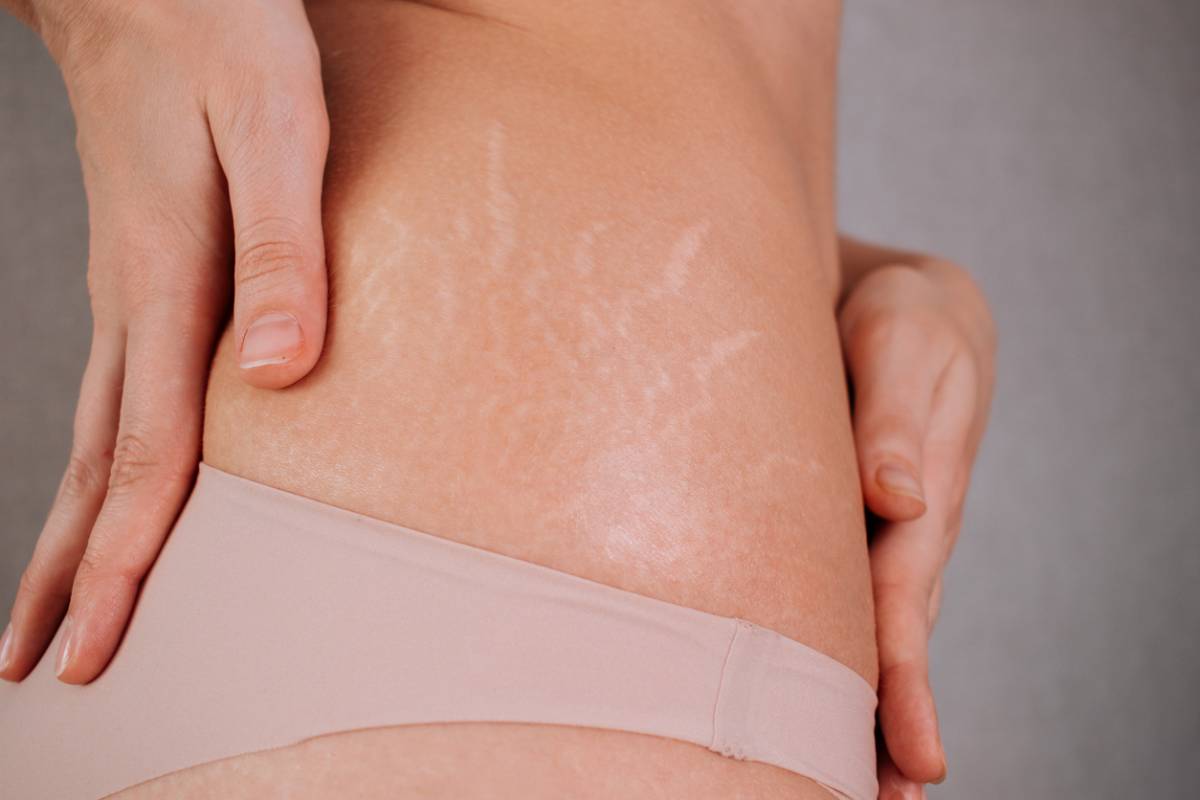
Stretch marks, technically known as striae, are marks that appear when the skin is stretched too suddenly and rapidly for the elastic fibers within to keep up. This sudden strain leads to tearing in the dermis, the deeper layer of skin, which then becomes visible on the surface. 

Common causes of stretch marks include pregnancy, rapid weight gain or loss, puberty, growth spurts, and muscle development. Even hormonal changes and certain medications can also cause them. Essentially, just about anything that causes the skin to stretch beyond its limits in a short period can result in these kinds of streaks. 


Who Is Most Likely to Get Stretch Marks?

Although anyone can develop stretch marks, some individuals are more susceptible than others due to a combination of genetic factors, hormonal levels, or lifestyle choices.

For instance, if your parents or siblings have stretch marks, there’s a higher chance you will experience them as well. Or, for those individuals with elevated levels of cortisol (a hormone released by the adrenal glands), their skin may be less elastic, making it more susceptible to damage during rapid stretching phases. 


Key Life Stages That Often Trigger Stretch Marks

Let’s look at just a few of the scenarios where stretch marks commonly appear:

  • Pregnancy: Perhaps the most well-known cause of stretch marks, pregnancy rapidly stretches the skin, especially across the abdomen, breasts, and thighs.
  • Adolescence: Teenagers going through puberty often experience fast growth spurts that trigger marks on the back, legs, or arms.
  • Rapid muscle gain: Bodybuilders and athletes may develop stretch marks around their shoulders, chest, and biceps as they rapidly build muscle mass.
  • Weight fluctuations: Rapid weight gain or loss can overstress the skin, leading to the formation of stretch marks.

The fact is, even with proper hydration, moisturization, and care, some degree of stretch mark formation may still occur, depending on your skin elasticity. 


What Can You Do For Stretch Marks?

While not always preventable, you can reduce your risk of developing stretch marks with a few proactive steps. Consistent skin care that includes hydrating ingredients like hyaluronic acid, shea butter, or vitamin E can help improve skin elasticity and overall appearance. Staying hydrated, maintaining a healthy weight, and making slow, steady changes to your body composition also go a long way.

However, it’s worth noting that no topical product can guarantee total prevention. If you’re in a life phase that comes with rapid physical changes, monitoring your skin and acting early is more important than any kind of product you own.


Are Stretch Marks Permanent?

Stretch marks often start out red, purple, or dark brown, depending on the individual’s skin tone, and may feel slightly raised or itchy. Over time, they typically fade to a silvery or lighter hue and become less noticeable.

While the body naturally works to heal these marks, they rarely disappear completely without treatment. Fortunately, modern, minimally invasive options are available to reduce their appearance.

Today’s advanced aesthetic technology, often administered by a skilled cosmetic dermatologist, can help improve skin texture, tone, and elasticity to significantly fade stretch marks and restore smoother, clearer skin.


What Are the Options for Treating Stretch Marks?

There is no one-size-fits-all solution, but the good news is that there are highly effective strategies for reducing the appearance of stretch marks. Treatments often depend on the age, severity, and location of the stretch marks, as well as your skin type and goals.

Laser therapy, in particular, has become a gold standard for targeting stretch marks. It works by stimulating collagen production and encouraging skin remodeling in the affected areas. Other treatments include microneedling, radiofrequency therapy, or platelet-rich plasma (PRP) to accelerate healing and improve results.

Working with a qualified specialist ensures a personalized treatment plan that’s safe and designed to deliver visible results without extended downtime.


Get Expert Help for Stretch Mark Concerns

Whether your stretch marks are recent or long-standing, the right care can help you regain confidence in your skin. Contact Epione Beverly Hills today to schedule a consultation with a leading cosmetic dermatologist and explore your options for effective stretch mark removal.

Featured image for What Precautions Should You Take Before and After a Nuclear Stress Test?

What Precautions Should You Take Before and After a Nuclear Stress Test?

If your cardiologist has recommended a nuclear stress test, you may be wondering what exactly that means, what to expect, and how to get yourself ready for the test itself. Whether it’s your first time undergoing this type of diagnostic procedure or it’s part of an ongoing care plan, knowing what to do (and what to avoid) can make the entire process far less stressful. So, let’s explore a key question in this process: What precautions should you take before and after a nuclear stress test?


What Precautions Should You Take Before and After a Nuclear Stress Test?

Let’s begin by understanding what a nuclear stress test is and why it may be necessary. A nuclear stress test is a non-invasive imaging procedure used in nuclear cardiology that assesses blood flow to the heart. It involves injecting a small amount of radioactive tracer and capturing images before and after your heart is stressed, typically through exercise or a medication that simulates exercise. 

This test helps your cardiologist evaluate how well or poorly your heart is functioning and identify any areas of reduced blood flow. Taking the right precautions both before and after the test helps make sure that you get the best results, minimizes discomfort, and protects your overall health. 


How to Prepare the Day Before Your Nuclear Stress Test

Preparing for your nuclear stress tests starts the day before your test. In most cases, you’ll be asked to steer clear of ingesting any caffeine for at least 24 hours. This includes coffee, tea, chocolate, energy drinks, and certain over-the-counter medications, such as some pain relievers and cold medicines. That’s because caffeine can interfere with test results, especially if you’re undergoing a chemical stress test. 

You’ll also need to review your medications with your cardiologist. You may need to pause certain medications, such as beta-blockers, theophylline, or those containing dipyridamole. However, never stop taking medications without first discussing it with your healthcare provider.


What to Do the Morning of Your Test

On the day of your nuclear stress test, you should arrive already prepared to go. Typically, your care provider will ask you to fast for at least 4 to 6 hours before the procedure. This means no food and possibly even no water, depending on your physician’s instructions.

Dress comfortably in loose-fitting clothing and wear walking shoes, especially if you’ll be walking on a treadmill as part of your stress test. Also, avoid applying lotions or creams to your chest, as they can interfere with the placement of the electrodes for monitoring your heart activity.

Bring a complete list of your medications and supplements to the appointment. You’ll also want to inform the technician if you have any allergies, particularly to medications or contrast dyes.


After Your Nuclear Stress Test: What to Expect and What to Avoid

Following the test, most people can return to normal activities within a few hours. However, there are still a few noteworthy precautions to keep in mind.

Most people are advised to drink plenty of fluids, mainly water, to help flush the radioactive tracer from their system. Although the amount of tracer used is minimal and considered safe for this purpose, staying hydrated helps your body eliminate it more effectively. You might also be told to avoid close contact with infants, pregnant women, or pets for a few hours as an extra precaution, though this is more typical in high-dose scans. 

Mild side effects, such as fatigue, lightheadedness, or a slight headache, can occasionally occur, especially when your doctor has you use medication to simulate exercise. Please notify your care team if symptoms persist or if you experience any unusual symptoms. Your cardiologist will follow up by reviewing your results with you and determining any next steps based on the test’s findings.


Talk to Your Cardiologist If You’re Feeling Uncertain About Anything

If you have concerns about undergoing a nuclear stress test, don’t hesitate to reach out to your cardiologist beforehand. It’s essential that you feel informed, confident, and comfortable heading into any diagnostic procedure. This means addressing any questions you may have about the procedure, recovery, preparation, or any other aspect of the process.

Your care team at Apex Cardiology can answer questions specific to your health history and explain every part of the process in detail. After all, heart health isn’t one-size-fits-all—your care shouldn’t be either.


Let Apex Cardiology Guide You Through Every Step

Need help preparing for your upcoming stress test or have questions about nuclear cardiology services? Schedule a consultation with Apex Cardiology today to speak with experienced professionals who prioritize your heart health.