Category Cosmetic Surgery

Featured image for How Collagen Improves Skin Texture

How Collagen Improves Skin Texture

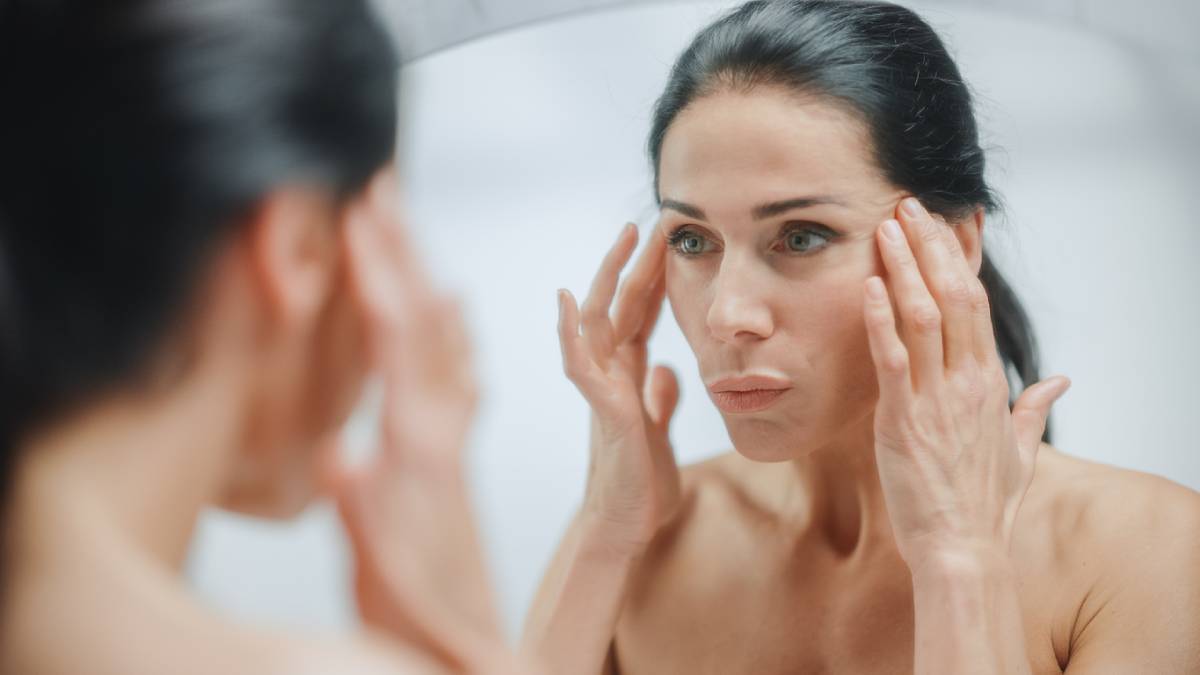
The physical signs of aging can be off-putting and motivate men and women alike to seek ways to combat their concerns. A leading treatment to improve your skin’s texture and work toward this goal is collagen treatment. Collagen plays a pivotal role in enhancing skin texture and reducing the signs of aging. As the most abundant protein in your body, it provides essential support and elasticity to your skin, helping to maintain its firmness and smoothness.

Understanding the mechanisms by which collagen influences skin health not only sheds light on its importance but also raises intriguing questions about how you can harness its benefits to achieve a more youthful complexion. Armed with a bit of knowledge and help from an oculofacial professional, you can combat uneven skin texture scientifically and improve your overall appearance, health, and, subsequently, your quality of life. 


What Is Collagen and Why Does It Matter for Your Skin

Collagen is the foundation for your body’s connective tissues, including your skin, muscles, bones, tendons, and ligaments. Proteins are formed from amino acids that group to form protein fibrils in a well-defined structure. To form the complex structure successfully, your body requires adequate amounts of vitamin C, zinc, copper, and manganese. 

The primary purpose of collagen is to provide structure, strength, and support throughout your body. More specifically, collagen is primarily responsible for helping fibroblasts form in the middle layer of skin, thereby facilitating the growth of new cells. It aids in replacing dead skin cells, giving your skin strength and elasticity, helps your blood clot, and more. Collagen is a key protein that supports the proper function of your body. 


The Impact of Collagen Loss

With age comes a reduction in collagen production, and existing collagen breaks down more rapidly than it did previously. It is common for women to experience a significant reduction in this vital protein following menopause, as well as after the age of 60 for everyone. Collagen loss has the greatest impact on your skin.  While collagen levels cannot be definitively measured, some symptoms indicate you could be undergoing a loss of collagen.

Collagen loss leads to:

  • Fine lines
  • Wrinkles
  • Sagging skin
  • Reduced elasticity
  • Loss of skin tone and buoyancy
  • Thinning of the epidermis
  • Joint pain and stiffness
  • Osteoarthritis
  • Decreased mobility
  • Muscle weakness and aches
  • Decreased muscle mass


How Collagen Improves Skin Texture

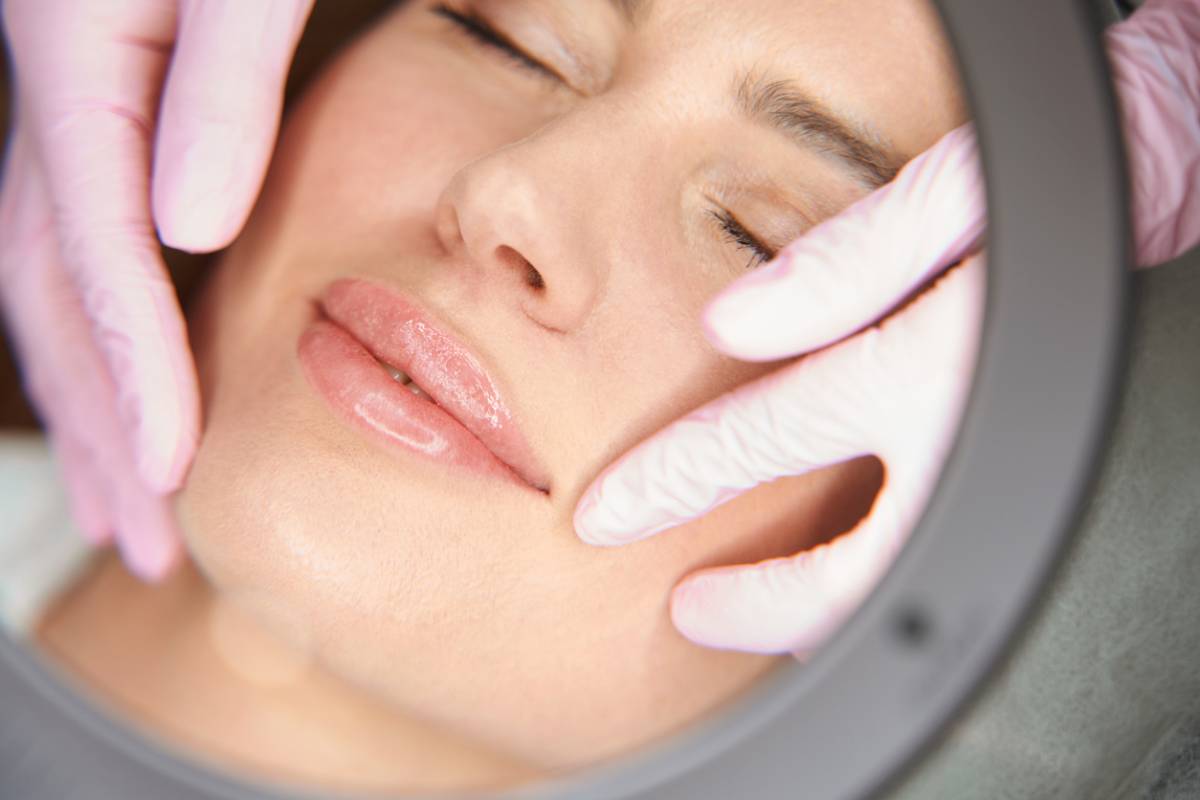
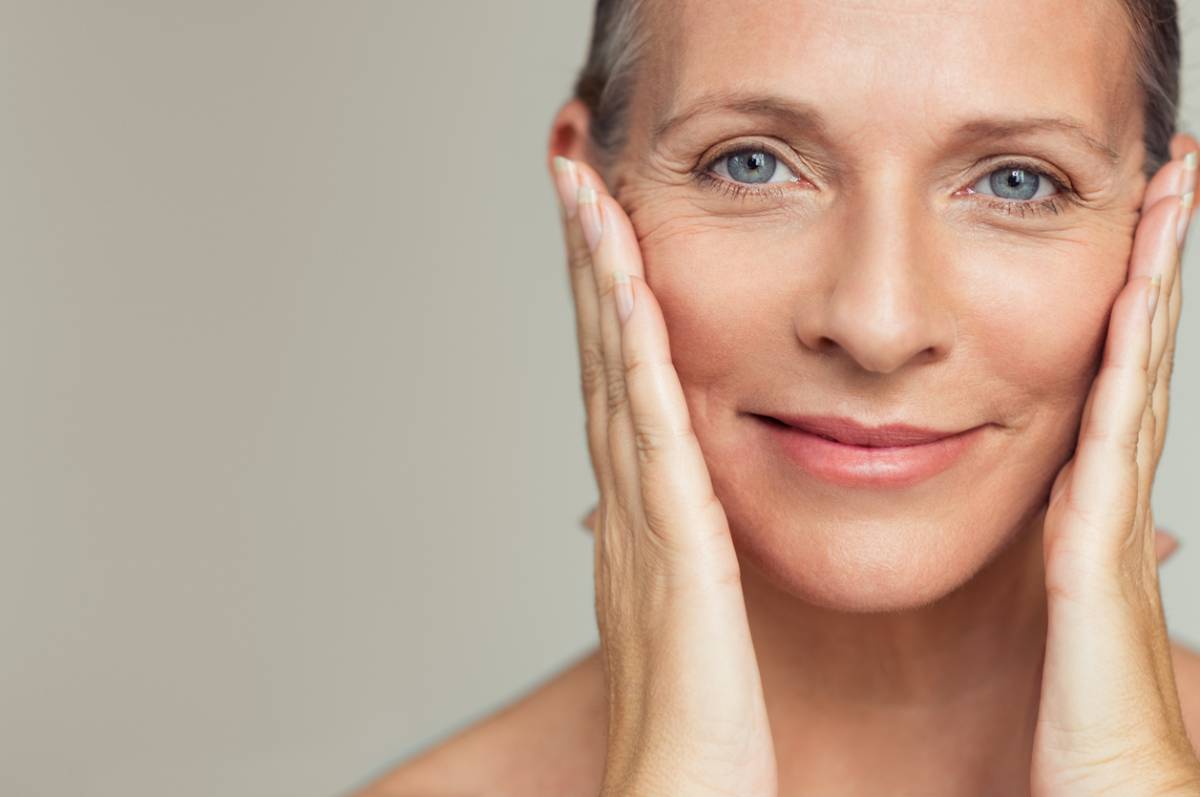
By increasing your skin’s elasticity and hydration, collagen can significantly impact the vitality of your skin, thus leading to a smoother and enhanced youthful appearance. Collagen improves the appearance of wrinkles and fine lines by repairing the damaged skin barrier. Improving hydration and elasticity leads to more radiant and healthy skin by promoting cell turnover and reducing the appearance of blemishes and scars. Furthermore, this transformative protein aids in healing and reduces scarring by promoting new tissue growth. 


Smoothing Out Uneven Skin Surface

Collagen is responsible for keeping your skin tight and well moisturized. This is what causes your skin to bounce back with vigor. Strengthening the connective tissue in your body is beneficial for smoothing out uneven skin surfaces and regulating your complexion. By supporting your body’s production of collagen, you are laying a strong foundation for cell renewal, structural support, and elasticity, all key factors in creating a smooth skin surface.


Improving Your Skin Texture With Collagen 

Collagen is a game-changer for skin texture, offering a natural and effective solution to combat the signs of aging. By boosting skin elasticity, hydration, and cell turnover, collagen helps create a smoother, more youthful complexion. Whether through supplements, topical treatments, or collagen-rich food, incorporating this essential protein into your skincare routine can lead to noticeable improvements in skin texture and overall appearance. As research continues to unveil the benefits of collagen, it’s clear that this powerhouse ingredient is more than just a passing trend. It’s a key player in the quest for radiant, healthy-looking skin. Embrace the collagen revolution and unlock the secret to a more vibrant, touchably soft complexion that will have you glowing from the inside out. 


Skin Care Treatments in Beverly Hills

If you want to learn more about how to improve your skin’s texture, contact us today to schedule a consultation. 

Featured image for How Long Will the Results from a Butt Lift Last?

How Long Will the Results from a Butt Lift Last?

In today’s world, body confidence and self-expression are celebrated more than ever. Enhancing one’s natural curves has become a popular goal for many individuals. Among the popular cosmetic procedures that have been getting a lot of attention is the butt lift. This is a great solution for those who are frustrated with their flat or sagging backside and wish to achieve a fuller, firmer, more sculpted appearance. It doesn’t matter if your goal is simply to restore lost volume after losing weight or if you’re dreaming of a shapelier silhouette in jeans; a butt lift can offer life-changing results. For people who are considering this cosmetic procedure, one of the natural questions that come to their mind and ask their plastic surgeon is, “How long will the results from a butt lift last?”


How Long Will the Results from a Butt Lift Last?

Wonder is a valid concern and a smart one. After all, a butt lift procedure requires an investment of your time and money. It is natural to want to know how long these results will last and to have a good understanding of the factors that influence their longevity. However, there is no one-size-fits-all answer. The longevity of your results usually depends on the type of butt you choose, how your body responds, and how well you care for your body afterward.


Different Butt Lift Procedures

Traditional Butt Lift (Surgical)

This creates a firmer appearance by removing excess skin and tightening the tissue. This cosmetic procedure is usually recommended for those who have experienced significant weight loss or skin laxity due to aging.

Traditional butt lifts that involve surgical excision and tightening often provide patients with long-lasting, usually permanent results. This is especially true in terms of improving skin tightness and reducing sagging. However, butt lifts do not stop the process of aging. As time passes, patients may still experience some loosening of the skin, especially if they experience significant weight fluctuations.

Most patients get to enjoy their butt lift results for 10 years or more. This is true for patients who maintain a stable weight and follow a healthy lifestyle. It is natural for the shape to undergo subtle changes as you age, but the improved contour is usually durable.


Brazilian Butt Lift (BBL)

A Brazilian butt lift procedure involves fat transfer. If you choose this procedure, Your fat will be harvested through liposuction from one area of your body, purified, and then injected into your buttocks. The goal of this procedure is to enhance both shape and volume.

Although this procedure uses the patient’s fat to produce a natural-looking volume, not all transferred fat cells will survive. Up to 30 to 40% of the fat may be reabsorbed by the body within the first few months. Because of this, surgeons usually inject more fat than needed.

Once the remaining fat establishes a blood supply and becomes part of the body’s natural tissue within 3 to 6 months post-procedure, these cells are considered permanent. However, changes in your weight can cause them to grow or shrink in size.

To make the results last longer, follow post-operative instructions, try to maintain a consistent weight, avoid smoking, eat a healthy diet, and stay active. Doing all these can help ensure that you are able to enjoy the results of your Brazilian butt lift for 10 years or more.


Non-Surgical Butt Lift

These non-invasive options usually offer more subtle results. They usually involve injectables that stimulate collagen production over time. 

A non-surgical butt lift procedure is for patients who are trying to stay away from surgery or are looking for a quick enhancement with no downtime. However, this is not a permanent solution.

The longevity of the outcomes of these different procedures varies. In general, they last between 18 to 24 months, depending on the product used, the amount injected, and your body’s response. Patients can undergo maintenance treatments to preserve the results.


Factors that Can Affect the Longevity of Your Results

No matter what type of butt lift you choose, several factors can influence the longevity of your results.

  • Weight Fluctuations: Significant weight changes can alter the appearance of your buttocks, especially after a BBL or a surgical lift.
  • Lifestyle Choices: Smoking, poor nutrition, and lack of exercise can affect healing and reduce the lifespan of your results.
  • Aging: Skin laxity due to natural aging can gradually diminish the lift.
  • Post-Procedure Care: Following your surgeon’s instructions, wearing compression garments, avoiding prolonged sitting, and attending follow-up appointments can help maintain the beauty of your results.


Thinking of Getting a Butt Lift? Make an Informed Decision Today

The longevity of your butt lift results will depend on the type of procedure you choose and how well you care for your body afterward. Surgical options offer results that can last a decade or more, while non-surgical options offer temporary results. If you want to enhance the shape of your butt but are not sure which direction to take, schedule an appointment with Dr. Chiu today. As a board-certified surgeon, Dr. Chiu can help you make an informed decision and assure you of a safe procedure and beautiful, long-lasting results. 

Featured image for What Causes Stretch Marks?

What Causes Stretch Marks?

One of the most common questions we hear from patients considering aesthetic treatments for their skin is: What causes stretch marks? These narrow, streak-like scars can appear almost out of nowhere, all across your body, including the hips, thighs, arms, stomach, and more. While stretch marks are harmless, their appearance can have a significant impact on how we feel about our skin.

Thankfully, understanding what causes stretch marks is the first step toward prevention, management, and, eventually, treatment. Regardless of whether you want to minimize existing marks you already have or want to avoid new ones, a closer look at how they present (and why) can make all the difference. That being said, let’s dive right in. 


What Causes Stretch Marks?

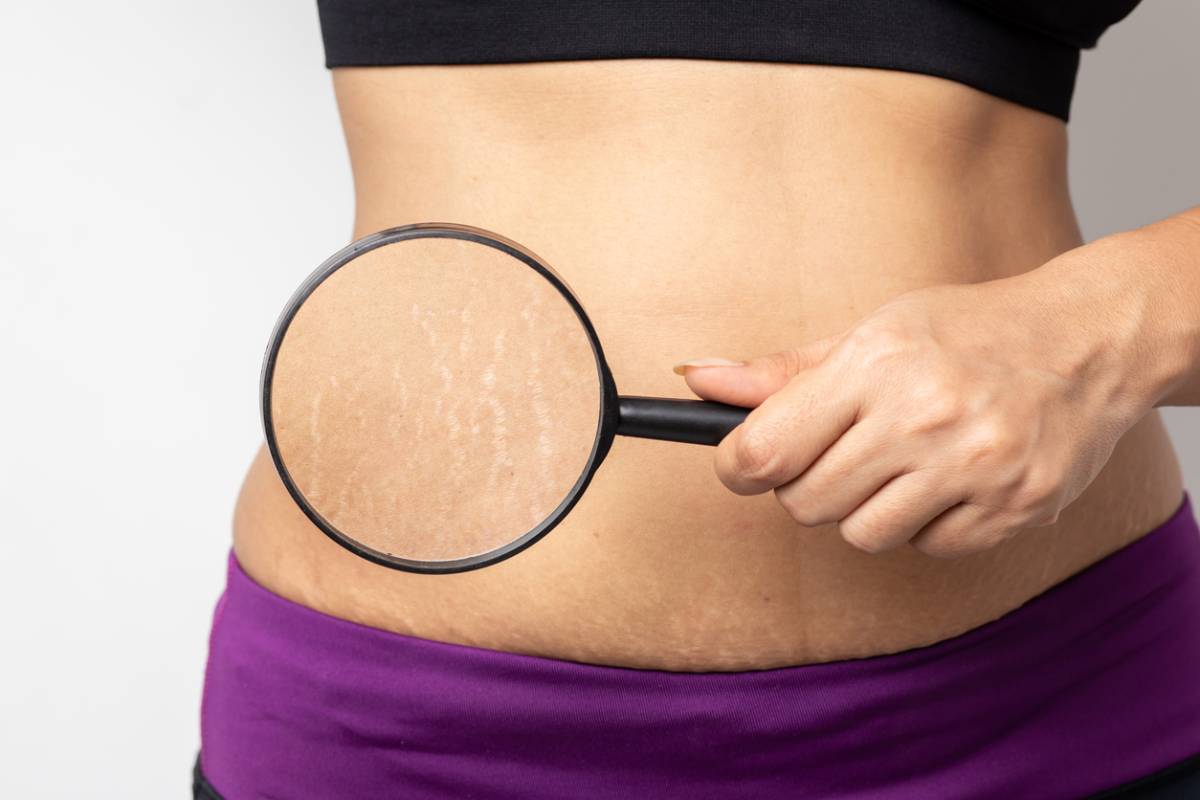
Stretch marks, technically known as striae, are marks that appear when the skin is stretched too suddenly and rapidly for the elastic fibers within to keep up. This sudden strain leads to tearing in the dermis, the deeper layer of skin, which then becomes visible on the surface. 

Common causes of stretch marks include pregnancy, rapid weight gain or loss, puberty, growth spurts, and muscle development. Even hormonal changes and certain medications can also cause them. Essentially, just about anything that causes the skin to stretch beyond its limits in a short period can result in these kinds of streaks. 


Who Is Most Likely to Get Stretch Marks?

Although anyone can develop stretch marks, some individuals are more susceptible than others due to a combination of genetic factors, hormonal levels, or lifestyle choices.

For instance, if your parents or siblings have stretch marks, there’s a higher chance you will experience them as well. Or, for those individuals with elevated levels of cortisol (a hormone released by the adrenal glands), their skin may be less elastic, making it more susceptible to damage during rapid stretching phases. 


Key Life Stages That Often Trigger Stretch Marks

Let’s look at just a few of the scenarios where stretch marks commonly appear:

  • Pregnancy: Perhaps the most well-known cause of stretch marks, pregnancy rapidly stretches the skin, especially across the abdomen, breasts, and thighs.
  • Adolescence: Teenagers going through puberty often experience fast growth spurts that trigger marks on the back, legs, or arms.
  • Rapid muscle gain: Bodybuilders and athletes may develop stretch marks around their shoulders, chest, and biceps as they rapidly build muscle mass.
  • Weight fluctuations: Rapid weight gain or loss can overstress the skin, leading to the formation of stretch marks.

The fact is, even with proper hydration, moisturization, and care, some degree of stretch mark formation may still occur, depending on your skin elasticity. 


What Can You Do For Stretch Marks?

While not always preventable, you can reduce your risk of developing stretch marks with a few proactive steps. Consistent skin care that includes hydrating ingredients like hyaluronic acid, shea butter, or vitamin E can help improve skin elasticity and overall appearance. Staying hydrated, maintaining a healthy weight, and making slow, steady changes to your body composition also go a long way.

However, it’s worth noting that no topical product can guarantee total prevention. If you’re in a life phase that comes with rapid physical changes, monitoring your skin and acting early is more important than any kind of product you own.


Are Stretch Marks Permanent?

Stretch marks often start out red, purple, or dark brown, depending on the individual’s skin tone, and may feel slightly raised or itchy. Over time, they typically fade to a silvery or lighter hue and become less noticeable.

While the body naturally works to heal these marks, they rarely disappear completely without treatment. Fortunately, modern, minimally invasive options are available to reduce their appearance.

Today’s advanced aesthetic technology, often administered by a skilled cosmetic dermatologist, can help improve skin texture, tone, and elasticity to significantly fade stretch marks and restore smoother, clearer skin.


What Are the Options for Treating Stretch Marks?

There is no one-size-fits-all solution, but the good news is that there are highly effective strategies for reducing the appearance of stretch marks. Treatments often depend on the age, severity, and location of the stretch marks, as well as your skin type and goals.

Laser therapy, in particular, has become a gold standard for targeting stretch marks. It works by stimulating collagen production and encouraging skin remodeling in the affected areas. Other treatments include microneedling, radiofrequency therapy, or platelet-rich plasma (PRP) to accelerate healing and improve results.

Working with a qualified specialist ensures a personalized treatment plan that’s safe and designed to deliver visible results without extended downtime.


Get Expert Help for Stretch Mark Concerns

Whether your stretch marks are recent or long-standing, the right care can help you regain confidence in your skin. Contact Epione Beverly Hills today to schedule a consultation with a leading cosmetic dermatologist and explore your options for effective stretch mark removal.

Featured image for How Can You Know If You Have Gynecomastia?

How Can You Know If You Have Gynecomastia?

There are some medical conditions that a lot of men may find difficult or embarrassing to talk about. Gynecomastia is one of them. Nevertheless, this condition may be more common than you may think. Gynecomastia refers to the enlargement of breast tissue in males. It can happen at any age and is often caused by a hormonal imbalance. For some, it is a temporary issue, but for others, it can be a persistent problem that affects their self-esteem and comfort. This may lead you to wonder how you can know if you have gynecomastia and what you should do to address it. A visit to a plastic surgeon can provide a better understanding of what the procedure entails and enable you to make an informed decision about how to proceed.


What Is Gynecomastia?

Gynecomastia is a benign or non-cancerous condition that involves the enlargement of the male breast tissue, typically because of an imbalance in estrogen and testosterone. It is natural for men to have small amounts of estrogen, but if their levels become unbalanced, breast tissue may begin to grow. Gynecomastia usually involves actual breast gland development. It differs from pseudogynecomastia, which is simply an accumulation of fat in the chest area, typically caused by weight gain.


Common Signs and Symptoms

Some common signs that may indicate gynecomastia are:

  • Swollen Breast Gland Tissue: One or both breasts may look enlarged
  • Tenderness or Pain: The breast area may feel tender or painful when touched
  • Firm or Rubbery Tissue: There is a firm lump underneath the nipple
  • Nipple Changes: The nipple may feel more sensitive or become more prominent

Gynecomastia can affect one or both breasts evenly or unevenly. In some cases, the tissue growth is too small to be noticed. In others, there are patients whose breast enlargement is significant enough to look like female breasts.


Causes of Gynecomastia


Hormonal Changes

Certain medical conditions can cause hormonal changes, as can puberty and aging. Teenage boys may develop gynecomastia during puberty, but the condition may resolve on its own after a year or two. Older men may also develop gynecomastia due to the natural decrease in testosterone production.


Medications

Certain medications can serve as triggers like:

  • Some antidepressants and anti-anxiety drugs
  • Anabolic steroids and androgens
  • Heart and ulcer medications
  • Chemotherapy drugs
  • Drugs for prostate issues


Underlying Health Conditions

There are health conditions that affect hormone production and regulation, such as hyperthyroidism, kidney failure, or liver disease. These can increase the risk of developing gynecomastia.


Substance Use

Addictive substances such as alcohol, marijuana, heroin, and certain supplements or performance-enhancing drugs may lead to gynecomastia.


Obesity

Estrogen production increases with excess body fat, resulting in the appearance of larger breasts. Unfortunately, this can develop into true gynecomastia over time.


Is It Gynecomastia or Something Else?

Some conditions can mimic the appearance of gynecomastia. It is important to differentiate one from the other.

  • Pseudogynecomastia: Fat, rather than glandular tissue, causes this breast enlargement.
  • Breast Cancer: Though rare, men can also develop breast cancer, which can present as a lump in the breast. The lump is usually hard and painless and may involve nipple discharge or skin changes.
  • Lipoma or Cysts: These chest lumps are usually benign but may be mistaken for gynecomastia. They are usually harmless but may need to be removed if painful or unsightly.
  • Mastitis: Mastitis is a swelling of the breast, which is usually caused by an infection.


What Can Be Done

If you suspect that you have this condition, seek medical attention immediately to receive a timely diagnosis. The diagnostic exam typically involves a physical examination and a review of the patient’s medical history. You may also be required to undergo blood tests, tissue biopsies, or imaging tests, such as a mammogram, a CT scan, and an MRI scan. 


Treatment Options

  • Watchful Waiting: In adolescents, the problem may sometimes resolve on its own if the condition is triggered by medication.
  • Medication: If the condition is caught early, hormone therapy may help.
  • Surgery: Breast reduction surgery may be recommended for persistent or severe cases. The surgery removes excess glandular tissue and may also remove fat to give patients a flatter, more masculine chest contour.

Gynecomastia is more common than most people think. It may be uncomfortable or embarrassing to discuss it, but seeking medical advice is a significant step toward understanding your condition better and regaining your confidence and physical comfort.


Gynecomastia Treatment in Beverly Hills

If you are concerned about changes in your chest area or worried that you might have another condition causing gynecomastia, you do not have to suffer in silence. As a board-certified surgeon, Dr. Chiu provides a safe, respectful, and confidential space to give patients like you the answers they seek. A consultation with him will help you explore treatment options for gynecomastia. Contact us today to book your appointment.

Featured image for Who Is a Good Candidate for Otoplasty?

Who Is a Good Candidate for Otoplasty?

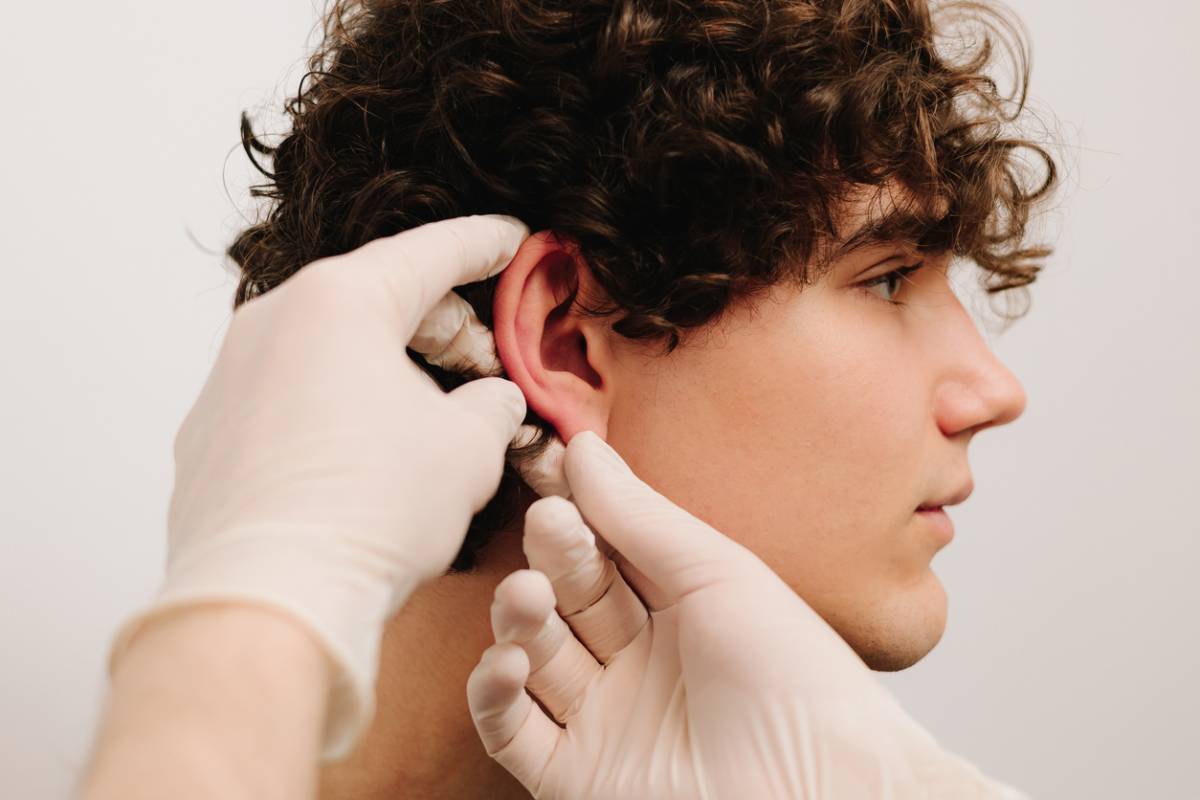
Otoplasty is commonly referred to as ear pinning surgery. It is a cosmetic procedure designed to reshape or reposition the ears. The results provide a more natural and balanced appearance. It can also address ear deformities caused by congenital disabilities or injuries. For many people, the procedure can boost self-confidence by providing improved facial harmony after the procedure. You may wonder, who is a good candidate for otoplasty? Below, you will find more information about why the procedure is correct for you.


Who Is a Good Candidate for Otoplasty?

Otoplasty is a safe and effective procedure. There is minimal downtime, which makes the recovery process smooth. Otoplasty reshapes and repositions the ears closer to the head. Many people are unhappy with the appearance of their ears. If any of the following apply to you, you are a great candidate for the procedure.


Prominent or Protruding Ears

Individuals with ears that stick out and are highly noticeable are good candidates for the procedure. For many people, protruding ears can cause issues with their confidence and self-esteem. Many young children are teased for it, which can impact their social and emotional development. Children as young as five years old can undergo otoplasty, which is a permanent solution to protruding and prominent ears.


Ear Asymmetry

Ears that are asymmetrical or misshapen can be noticeable. Their prominence can cause insecurity and leave people feeling self-conscious about their appearance. People with protruding or asymmetrical ears may try to grow their hair out and wear it in ways that will cover their ears. Otoplasty can give people an alternative to hiding this perceived fault by addressing asymmetry through the reshaping of the cartilage. They may also be able to have their ears repositioned to create a more cohesive look. In either case, the surgery results in a more balanced look and improves overall facial harmony.


Congenital Deformities

Some people are born with ear deformities. Congenital deformities may result in ears that fold down or are missing natural folds. There are also severe congenital conditions that result in underdeveloped ears. Each of these conditions can impact the appearance of the ears. In some cases, congenital deformities can lead to functional issues as well. Because children as young as five can undergo otoplasty, it is a beneficial procedure for addressing ear complications that are present from birth. Addressing the issue early on can improve the appearance and function of the ears for the child’s entire life.


Ear Trauma or Injury 

Accidents or injuries can impact the ears and affect their appearance or function. Reconstructive otoplasty can combat these effects. Specifically, a surgeon may be able to repair the cartilage, replace lost tissue, adjust the position, or address the shape of the ears. For these reasons, those with prior ear injuries or trauma can benefit from plastic surgery and leave the procedure feeling much more confident.


Confidence of Self-Esteem Issues

Many children with ear issues, especially protruding ears, may have issues with their confidence. Younger patients are especially vulnerable to teasing or bullying at school, which can impact their social and emotional development. Some children and teens may be isolated or even become depressed in severe cases. If your child is facing teasing because of their ears, this is an indication that they are a good candidate for otoplasty.  


Candidacy Requirements for Otoplasty Surgery 

If you think you would be a good candidate for otoplasty, the first step in moving forward is scheduling a consultation. A skilled plastic surgeon can assess your ears and determine if you are a good candidate for the procedure. As discussed, candidates for the procedure often include those who have protruding ears, ear asymmetry, congenital deformities, or prior trauma. Candidates must also meet certain criteria to move forward with the surgery.


Fully Developed Ears

Candidates must have fully developed ears. By age five or six, children’s ears are almost entirely developed. 


Good Overall Health

Candidates must be in good overall health. If you have any chronic conditions, they must be well-managed before surgery. Patients should be non-smokers. If you smoke, inform your surgeon as soon as possible. You will need to stop smoking before and after surgery.


Realistic Expectations

Patients should have realistic expectations about the procedure. Otoplasty can improve the appearance and function of the ears. The patient should understand the extent of the procedure and how it will change their appearance. 


Emotionally Prepared

It is important to be emotionally prepared for the procedure. For many adults, this is not an issue. However, young children may not be ready emotionally until they get older. 


Good Ear Health

The patient should have good ear health. They cannot have an infection, inflammation, or untreated skin issues. If the patient has skin conditions, such as eczema or psoriasis, they need to be well-managed before surgery.


Otoplasty in Beverly Hills!

Call or visit Dr. Brent’s office today to start your otoplasty journey.

Featured image for How Long Does a Facelift Last?

How Long Does a Facelift Last?

Rhytidectomy, otherwise known as a facelift, has been a well-known cosmetic procedure for years. It is designed to reduce visible signs of aging in the face and neck and is a popular option for those individuals who want to address sagging skin and deep creases. It effectively provides a more youthful appearance by repositioning facial tissues. This is the reason for its popularity. However, one of the most common questions a plastic surgeon usually has to answer is: How long does a facelift last? This question requires more than a yes or no answer. Various factors may impact the longevity of a facelift. Your surgeon can help you understand them and guide you in making an informed decision.


How Long Does a Facelift Last?

On average, facelift results can last from 7 to 10 years. This means that, after a decade or less, patients may already experience a gradual return of sagging and wrinkling skin as the natural process of aging continues. However, typically, the face will appear younger than if surgery has never been performed.

If you are considering getting a facelift, it is important to keep your expectations in check. A facelift is designed to improve your skin’s appearance by reducing signs of aging, but it does not stop you from aging. You will still continue to age. It just sets back the clock a couple of years.


Factors that Affect How Long a Facelift Lasts


1. Types of Facelift

  • Mini Facelift: This type is less invasive and best for mild sagging. The results usually last for 5 to 7 years.
  • Mid-Facelift: This type targets the cheek area of your face. The results may last for 7 to 10 years.
  • Deep Plane Facelift: Deep plane facelift is a more comprehensive procedure that restores volume and shape by manipulating deeper facial tissues, including the superficial musculoaponeurotic system. The results are usually more natural than traditional facelifts and can last for 7 to 10 years or longer.


2. Patient’s Age at the Time of Surgery

Younger patients who are in their 40s or 50s get longer-lasting results than those who undergo surgery in their 60s or 70s. This is because when skin is younger, it is more elastic and heals better, leading to a better outcome.


3. Skin Quality and Lifestyle

The elasticity, texture, and overall health of your skin can greatly influence how long the results of your facelift can last. When skin is firm and well-moisturized, it is expected to have longer-lasting results. Lifestyle also affects skin health, so the following are to be avoided:

  • Smoking: This accelerates aging and reduces blood flow to the skin.
  • Sun Exposure: This breaks down collagen and elastin, which leads to sagging and wrinkles.
  • Weight Fluctuations: This can stretch the skin and distort the contours of your face.


4. Surgeon’s Skill and Technique

Your choice of surgeon is crucial to the results of your facelift. A highly qualified and experienced surgeon is expected to deliver a more natural look and longer-lasting results.


5. Post-Surgery and Maintenance

Your surgeon will give you post-surgery instructions, which you have to carefully follow.

Failure to do so may affect the way your skin heals and impact the longevity of your results. In addition, you also need to give your skin proper love and care by:

  • Applying sunscreen daily
  • Applying moisturizers and retinoids
  • Avoiding smoking and eating healthy
  • Getting supplemental non-surgical treatment like fillers and laser resurfacing


How to Maximize the Lifespan of Your Facelift

To prolong the beautiful results of your facelift, there are things that you can do:


Follow a Healthy Lifestyle

Make sure that your diet is rich in antioxidants. Engage in regular exercise. And have adequate quality sleep. This will keep your skin fresh and firm.


Avoid Sun Damage

Apply sunscreen every day, even when it is cloudy. A hat or an umbrella can give you extra protection.


Stay Hydrated

Maintain your skin’s elasticity by staying hydrated. Ensure that you are getting plenty of water every day.


Consider Touch-Up Procedures

Ask your surgeon about non-invasive options that can refresh your appearance and delay the need for another surgical facelift. A second facelift done 10-15 years after the first one is not uncommon. Second and even third facelifts are safer and more effective than ever before due to the advances in surgical techniques. However, you need to see if another facelift is really necessary. Many patients do not need another full facelift. A mini facelift or other less invasive techniques may be enough to maintain the firmness of your skin.


Begin Your Transformation Today

A facelift is a truly transformative procedure that not only rejuvenates your skin but also makes it more youthful and boosts the confidence that visible signs of aging have dampened.

Facelift results can last for a long time. The key to that is choosing the right surgeon, following post-operative care instructions, and living a healthy lifestyle. If you want to explore this option for yourself and see if it is the right course to take, schedule a consultation with Dr. Chiu, our board-certified surgeon so that you can be empowered to make an informed decision.

Featured image for How Does Body Contouring Work?

How Does Body Contouring Work?

Technological advances have made it possible for many people to achieve the look they want for themselves. Among the many options that have become increasingly popular for people who want to sculpt their bodies without invasive surgery is body contouring. With the help of a skilled plastic surgeon, the body you want is closer to you than you think. Whatever the goal is, whether it is to remove stubborn fat, tighten loose skin, or enhance certain areas of the body, body contouring can provide a more toned and defined body appearance through a range of techniques. But how does body contouring work? If you are trying to decide if something is right for you, this question may be something you are wondering about.


How Does Body Contouring Work?

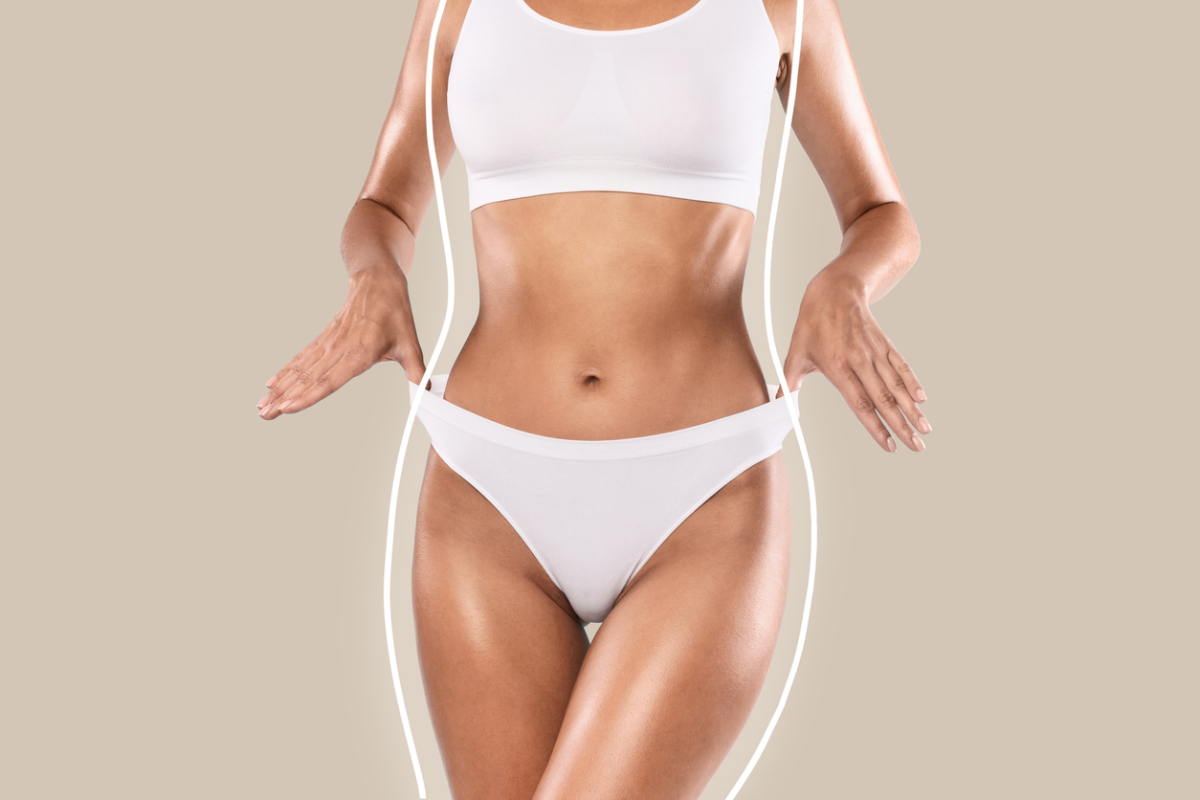
Body contouring is a term that refers to different procedures and treatments that are designed to reshape, tighten, and enhance the appearance of the body. It involves both surgical and non-surgical techniques.

These procedures target areas where it is difficult to lose fat through natural means, like diet and exercise. If you are someone whose weight is close to your ideal but wants to smooth out specific areas of your body and have an overall improvement of your body shape, these treatments are perfect for you.


Non-Surgical Body Contouring Methods

Non-surgical body contouring methods have become more and more popular as well as effective.


Cryolipolysis (Fat Freezing)

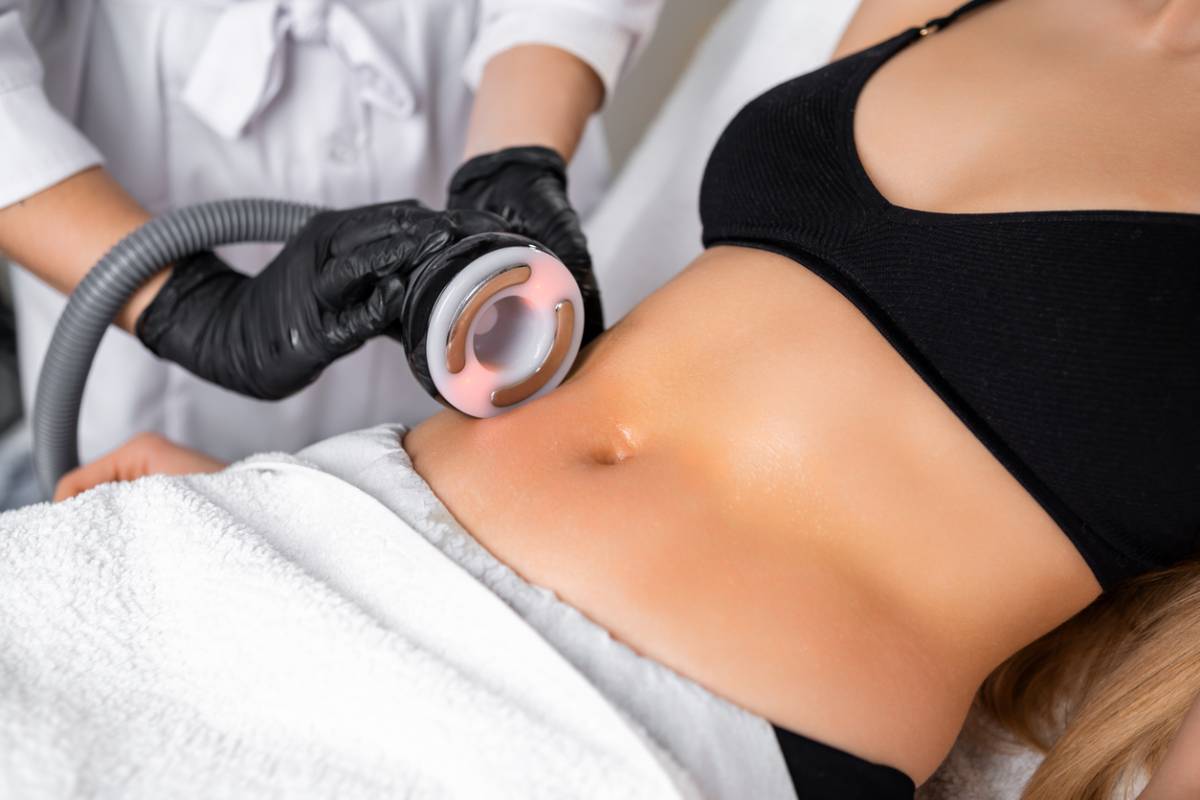
This procedure, which is best known as CoolSculpting, freezes and destroys fat cells by controlled cooling. The surgeon uses an applicator to deliver cold temperatures to target areas. The cold temperature crystallizes fat cells without damaging surrounding tissues. The body naturally eliminates the dead fat cells through the lymphatic system in the weeks following the treatment. This gradually slims down the treated area.


Radiofrequency (RF) Treatments

This treatment stimulates collagen production and breaks down fat cells by heating the deeper layers of the skin. The heat tightens the skin and reduces fat. This is perfect for women who have loose skin due to weight loss or pregnancy.


Ultrasound Fat Reduction

This treatment uses focused sound waves to disrupt and destroy fat cells beneath the skin’s surface. UltraShape, one well-known method, targets stubborn fat pockets without causing too much discomfort. Just like in cryolipolysis, the body naturally flushes out the dead fat cells over time.


Laser Lipolysis

In this procedure, laser heats fat cells by penetrating the skin and raising the temperature of fat cells so high that they are damaged and removed later by the body’s lymphatic system.


Surgical Body Control Methods

Surgical methods are usually used for patients who need more dramatic results or those who have excess skin because of significant weight loss. They usually require more extended downtime and are performed by a board-certified surgeon like Dr. Chiu.


Liposuction

This is one of the oldest and most well-known methods of body contouring. The plastic surgeon inserts a tube through small incisions in targeted areas to suck out fat. Although it requires immediate results, patients go through a recovery period and some post-procedure care.


Tummy Tuck (Abdominoplasty)

A tummy tuck tightens the abdominal muscles and removes excess skin and fat from this area. This procedure is usually recommended for patients who have loose, sagging skin after undergoing massive weight loss or pregnancy.


Body Lift Procedures

If patients want a procedure that can target multiple areas like thighs, buttocks, and abdomen all at once, this is the procedure for them. It removes excess skin and fat, as well as improves the skin tone.


What to Expect During Treatment

The experience will differ depending on the patient’s choice of treatment method. If you undergo a non-invasive or non-surgical treatment, there will be no anesthesia, minimal discomfort, and little to no downtime. Expect some redness, numbness, or swelling that resolves quickly.

In contrast, invasive or surgical procedures involve anesthesia, a recovery period, and specific aftercare instructions which may include caring for the drains and changing bandages, taking medications for pain management or infection prevention, ambulating to avoid blood clots, and staying out of the sun. Expect swelling and bruising, and outcomes may take months to be visible as the body heals. In addition, surgical treatments involve higher risks of complications.

For those looking for a way to enhance their physique and boost their confidence, body contouring, whether non-surgical or surgical, offers exciting possibilities. With the wide variety of options available, it is easy to be confused and feel overwhelmed. It is imperative to seek the help and guidance of a professional who can recommend the best treatment plan for you, considering your goals, lifestyle, medical history, and body type. If you think you can benefit from body contouring, call us today to schedule a consultation with Dr. Chiu, our board-certified surgeon, who will help you make an informed decision that will help you get the body you desire.

Featured image for How Long Do Chin Implants Last?

How Long Do Chin Implants Last?

A chin implant is a cosmetic procedure designed to enhance the appearance of the chin. This is achieved by adding volume or projection around the chin. The procedure improves the look of the chin, but it also has a positive impact on your overall jawline. It leaves you with a more defined and structured lower facial area. You may wonder, “How long do chin implants last?” We discuss the answer to this question below.


How Long Do Chin Implants Last?

Chin implants provide a stronger and more sculpted chin. They have become a go-to procedure to enhance one’s jawline and lower facial structure. Chin implants are a long-lasting solution and are intended to be permanent. They are made from durable materials that are highly resistant to wear and deterioration. However, they can be removed or exchanged if necessary. Replacement is rarely necessary as the procedure is highly safe and effective. Some patients may want to adjust the size or shape of the chin implant later on. Unlike other plastic surgeries, there is no need for continual maintenance or replacement.


Who Is A Good Candidate For A Chin Implant?

The lower half of your face can have a major impact on your overall aesthetic. Your chin and jawline are integral to having a structured and defined look. Chin implants can make a major difference if your chin is too small or not balanced with the rest of your face.


Small or Recessed Chin

A chin that is too small or fades into your neck can impact your appearance. Smaller chins can make your nose look larger and your neck shorter. Adding a chin implant can balance your features. This leaves you with an overall harmonious look. You will notice significant improvements from both the front and the side.


Poor Jawline Definition

Your jawline has a considerable impact on your overall facial aesthetic. A lower jawline that looks soft requires some definition. Sometimes, people are born without a defined jawline. However, others may lose the definition due to aging or injury. Natural aging can lead to changes around your jawline. A chin implant can address this and project the chin forward, making your neck look longer and leaving you with a more defined jawline. While a chin implant may seem like a minor change, it can dramatically enhance your overall look.


Self-Confidence Issues

The way you look can impact how you feel. This can have a profound impact on your mental health and daily life. If you are insecure or lack confidence, a chin implant can be beneficial. The appearance of your jawline can enhance or detract from your overall look. Addressing issues around your chin and sharpening your jawline can give you a major confidence boost. In fact, patients who undergo the procedure report increased self-esteem due to the results.


Candidacy Requirement

The first step in moving forward with a chin implant is scheduling a consultation with a skilled and experienced cosmetic surgeon. The consultation is a great place to ask any questions you have and share your aesthetic goals. From there, the cosmetic surgeon can determine if you are a good candidate or not. Below are the candidacy requirements for a chin implant.


Good Overall Health

Candidates should be in good overall health. If you have any medical issues that could impact the healing process, they need to be addressed before surgery. Common medical conditions include diabetes and heart issues. They are not a bar to surgery, but they need to be well-managed. Being in good health before surgery makes healing much smoother.


Non-Smoker

Smoking can impact the surgical process and healing. This can impact your health and your chin implant results. It is best if you do not smoke or use nicotine products at all. However, if you do smoke, you need to let your cosmetic surgeon know at the consultation. You will have to stop smoking several weeks before and after surgery. This reduces the risk of complications during and after surgery.


Fully Developed Bones

For the results to have the most impact, the patient must fully develop facial bones. This occurs after the teenage years, so it is best for young adults or older people. When the bones are not fully developed, the chin implant can shift over time, leading to an improper fit and unsatisfactory results. Adults with mature bones get the best and most stable results from a chin implant.


Realistic Expectations

Chin implant surgery can improve the look of your jawline and enhance your overall facial aesthetics. However, it is important to have realistic expectations about the procedure. You should be aware of what it can and cannot address. Having realistic goals before surgery improves satisfaction with the results.


Cosmetic Surgeon

If you are unhappy with the appearance of your chin, contact the team at Orange County Surgical Specialists today to schedule a consultation!

Featured image for How to Prepare for Rhinoplasty

How to Prepare for Rhinoplasty

Maybe you have decided that you are finally ready for a “nose job” or rhinoplasty. Whether you are seeking surgery for cosmetic or functional reasons, you may be wondering how to prepare for a rhinoplasty. In this article, we will go over everything you need to know to get ready for your surgery. 


1. Choose a Qualified Surgeon

The first step is to find the right surgeon. Before fully deciding on your surgeon, do some research. Check their reviews and ask for before-and-after photos of prior patients. Make sure you feel heard and that the surgeon listens to your goals while giving honest feedback. The appropriate surgeon will do their best to create a plan that is molded specifically to your face.


2. Have a Thorough Consultation

Before you go to meet your chosen surgeon, make sure you have clarified to yourself what you want to accomplish with the surgery and any concerns you may have. Narrow down exactly what you are looking for. Do you want a minor refinement, or do you want a more dramatic change in your nose? 

When you do visit your surgeon, they will examine your facial proportion, skin thickness, and nasal structure. They may also use computer imaging to show you possible outcomes so you are clear on what to expect. 


3. Follow Pre-Operative Instructions

Once you have scheduled your surgery, you will receive a set of pre-operative instructions, which may include the following: 

  • Stop certain medications: About 2 weeks before surgery, patients are supposed to stop taking blood thinners such as aspirin, ibuprofen, and some herbal supplements. 
  • Quit smoking: At least one month before your surgery, you must stop smoking because it can impair your circulation and healing process. This can increase the risk of complications. You should also stay smoke-free during recovery.
  • Avoid alcohol: Two days before surgery (48 hours) you must avoid alcohol because it can thin your blood and interfere with anesthesia. 
  • Plan ahead: Arrange for any time off you might need from work, school, or other obligations. Patients usually need 1-2 weeks for their initial recovery phase. 
  • Prepare your home: Stock up on soft foods, comfortable clothing that is easy to wear, and many pillows to keep your head elevated after surgery.

Carefully following these instructions will help your surgery and recovery go far smoother!


4. Make Healthy Lifestyle Changes

Sticking to a healthy routine before surgery will stimulate your body’s ability to heal and lower the chance of complications. Here are some changes you may choose to make:

  • Eat a balanced diet: Think about lean proteins, fruits, vegetables, and whole grains.
  • Stay hydrated: Being hydrated promotes healthy circulation and wound healing. 
  • Get plenty of sleep: if you get enough rest, your body and immune system will be better prepared for surgery. 

It would not hurt to also practice stress-relieving activities, such as meditation, yoga, or journaling, to keep mentally relaxed as surgery day approaches.


5. Arrange for Transportation and Support

Rhinoplasty is typically done under general anesthesia, which means you cannot drive yourself home afterward. Have a trusted family member or friend accompany you to surgery. Also, someone should stay with you for at least the first 24 to 48 hours to help you with your basic needs, look after you for any concerns, as well as provide you with emotional support and company. Setting up a comfortable environment ahead of time will make your first couple of days of recovery much easier. 


6. Understand What Recovery Looks Like

One of the most important things you can do before your rhinoplasty is to maintain realistic expectations of the recovery and results. Most patients will experience bruising and discomfort during the first week, during which you will probably be wearing a nose splint and be congested. 

You will start seeing some changes in a few weeks. However, it can take several months for all the swelling to pass completely. In fact, it can even take up to a year for the final shape of your nose to refine itself. You need to stay patient during this time and follow your postoperative instructions. 


Reach Out

Getting ready for your rhinoplasty has more to it than just showing up on surgery day. It is also about preparing your body, mind, and environment for the surgery and recovery. Taking care of these aspects will only help you have a more successful outcome. As previously stated, prioritize choosing a trustworthy and reputable surgeon. Do not hesitate to reach out to your plastic surgeon with any questions you have along the journey!

Featured image for What Causes Bags Under the Eyes?

What Causes Bags Under the Eyes?

As people age, they naturally develop bags under the eyes. This leads many people to the question, “What causes bags under the eyes?” Under-eye bags have several contributing factors beyond aging, such as fluid retention in the eyes, lack of sleep, allergies, smoking, genetics, and certain medical conditions. After discovering the cause, many quickly seek ways to correct this common issue, either through non-invasive means or under-eye bag removal surgery. We discuss this and more about under-eye bags below.


Causes of Bags Under the Eyes

Over time, the tissue and muscle that support your eyelids weaken. This can lead to fat shifting into your lower eyelids and puffiness due to fluid accumulation. Some contributing factors can be corrected; however, in cases like aging, the most effective treatment is often surgical correction. 

Causes of under-eye bags: 

  • Aging
  • Fluid retention
  • Fatigue
  • Allergies
  • Smoking
  • Genetics
  • Medical Conditions- Thyroid disease, renal issues, dermatitis, etc.
  • Lifestyle Factors- Excessive alcohol use, diets high in sodium, chronic stress, etc.


Diagnosis

This condition typically does not require a medical diagnosis, as the bags are readily evident. If you are concerned about the cause of your under-eye bags, you can consult with an experienced eyelid surgeon to determine if you have an underlying condition. Under-eye bags don’t typically pose any health concerns, but talk to your doctor about the possible risks of under-eye bags and how they may relate to you. 

Please note that insurance generally does not cover cosmetic procedures. Discuss your coverage with your insurance provider. Be sure to ask for any specifics related to cosmetic procedures and medical necessity to gain a better understanding of the out-of-pocket expenses you can expect to pay. 


Treatment

Treatment may not be necessary, but if you are dissatisfied with your appearance due to under-eye bags, there are remedies to correct it. Home and lifestyle modifications can help reduce excess puffiness and water retention, but for cases that require more aggressive intervention, there are a few options available:

  • Medications: In cases where allergies are the cause of your under-eye bags and puffiness, it may be beneficial to discuss an antihistamine medication with your healthcare provider. 
  • Therapies: Various cosmetic treatments help with the appearance of bags and puffiness. You can consult with a licensed plastic surgeon about options such as laser resurfacing, chemical peels, and fillers, as well as other therapies to help tighten and rejuvenate the skin around your eyes. 
  • Eyelid Surgery, also known as blepharoplasty, may be the solution for under-eye bags that cannot be corrected with non-invasive measures. Eyelid surgery is a procedure that entails the removal of excess fat and skin from the eye through an incision created in the crease of the eye. It is typically done in an outpatient setting with local anesthesia, though you will still require a responsible driver following an eyelid surgery. Blepharoplasty isn’t just a solution for fixing under-eye bags; it is also a great option to address baggy or puffy upper eyelids, excessive skin in the upper eyelids, droopy lower eyelids, and excess skin on lower eyelids. 


Consulting with a Professional

Your eyes are delicate, and you want to keep them healthy. Part of doing so entails ensuring that your eyes receive the best care possible. When seeking treatment for your eyes, it is essential to choose an experienced, licensed professional to guide you throughout the process. Your medical team is your number-one resource for success in your pursuit of younger-looking skin. Ensure you request to see the credentials of your surgeon and care team. Your eyes are important, and to ensure they stay in the best shape, you must choose any eye treatment carefully. 


Under-Eye Bags Don’t Have to be a Nuisance

Pesky under-eye bags are more than just a cosmetic nuisance. It is a complex interplay of genetics, lifestyle choices, and the inevitable passage of time. While you can’t escape their grasp completely, understanding their root causes empowers you to take informed action. Treating the underlying condition and opting for therapies or surgical procedures can help minimize the appearance of under-eye bags, resulting in a brighter, fresher look. With the right approach, you can ensure it’s a tale of vitality and self-care. 


Eye Bag Treatment in Nevada

Consult with an experienced eyelid surgeon about your baggy under eyes, their cause, and how to treat them.