Category Cosmetic Surgery

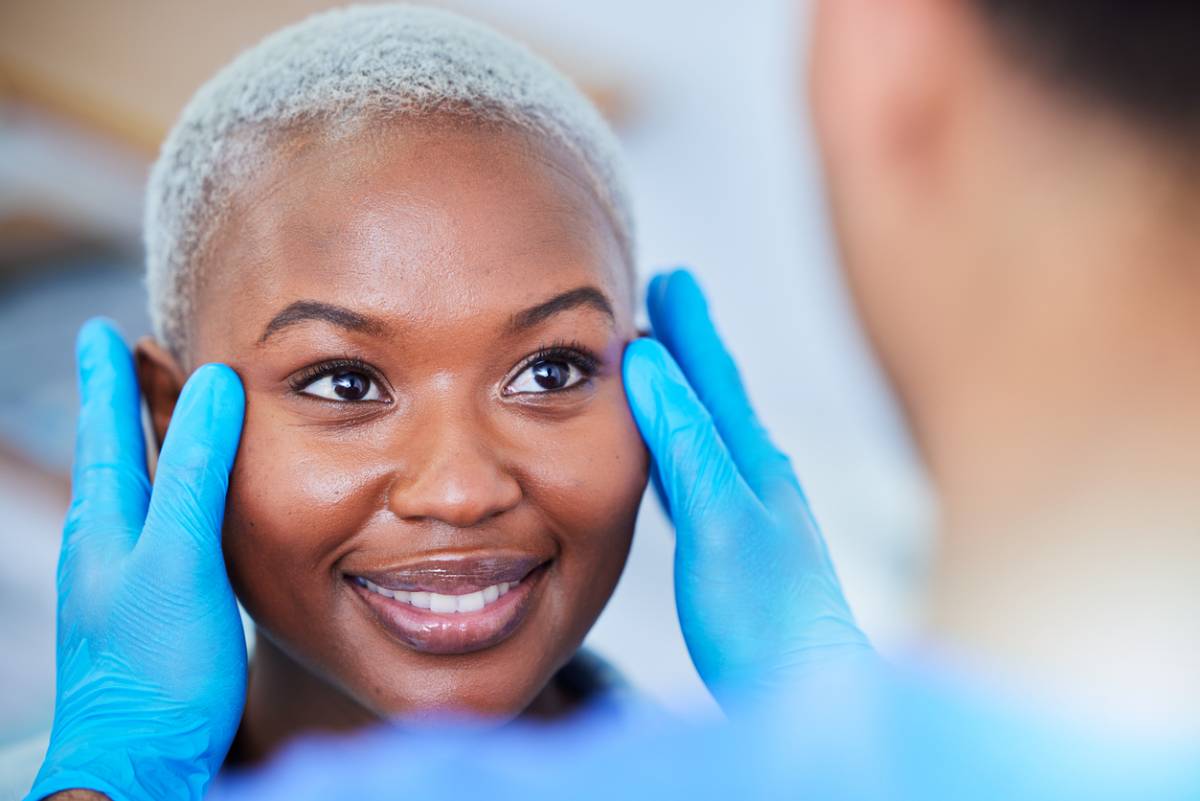
Featured image for What Is the Difference Between Cosmetic and Plastic Surgery

What Is the Difference Between Cosmetic and Plastic Surgery?

Nowadays, it is very common for people to consider body procedures to alter their appearance. Patients interested in these procedures may consider cosmetic or plastic surgery. Although they sound similar, they serve different purposes. This may lead you to the question, “What is the difference between cosmetic and plastic surgery?” Understanding their differences can help you make an informed decision about which procedure best suits your needs.


What Is Cosmetic Surgery?

Cosmetic surgery is elective, meaning it is not considered “medically necessary” and focuses entirely on improving how you look. Its primary goal is to enhance features and help boost your self-confidence. Some of the most commonly performed cosmetic surgery procedures are facelifts, liposuction, breast augmentations, and rhinoplasty. Many patients undergo cosmetic surgeries to smooth wrinkles, contour their bodies, or achieve an overall more balanced aesthetic. 


Understanding Plastic Surgery

Plastic surgery, on the other hand, is a large field that consists of both cosmetic and reconstructive procedures. Many plastic surgeons perform cosmetic procedures, but their training also includes reconstructive techniques. The reconstructive aspect of their training gives them the skills to restore skin form and function to patients who have experienced skin damage due to trauma or have a deformity. Reconstructive surgery is commonly employed to correct congenital anomalies or rebuild tissues after cancer treatments. For these patients, the goal is both to restore functionality and achieve a natural appearance.


Training and Expertise

Cosmetic and plastic surgeons both undergo extensive training, but the trainings have different focuses. Plastic surgeons complete rigorous residency programs during which they learn both cosmetic and reconstructive techniques, such as microsurgery and tissue transplantation. Many plastic surgeons later choose to perform cosmetic procedures as well. Other specialists, like dermatologists, sometimes also perform those treatments. 


Choosing the Right Surgeon for Your Needs

Whether you would benefit more from a cosmetic surgeon or a plastic surgeon depends on your personal goals and health needs. If your primary concern is to enhance your appearance, say you wish to reduce wrinkles or reshape your features, a cosmetic surgeon may suffice for your needs. That being said, if you need surgery to repair damage from an injury, congenital condition, or disease, a plastic surgeon’s reconstructive expertise is essential. In fact, many patients benefit from a surgeon skilled in both areas. Choosing a surgeon with skills in both areas ensures that your care is comprehensive, well-rounded, and can effectively address both aesthetic and functional concerns.

Additionally, it is crucial to choose a surgeon with significant documented experience in your selected procedure. Check their credentials prior to choosing them as your surgeon and complete research to ensure they have a successful track record of past surgeries. Ask detailed questions during your consultation, and review “before and after” photos before making your decision.


Cost, Risks, and Recovery

Costs

Cosmetic procedures are elective and, therefore, not usually covered by insurance. This quality makes them a significant financial investment. Reconstructive plastic surgeries, on the other hand, are more likely to be considered medically necessary and are covered by insurance in those cases. Be sure to review your options for funding your surgery with your insurance provider and your surgeon beforehand.

Risks

Any surgery or procedure comes with risks. Your surgeon should thoroughly educate you on the risks and benefits of the treatment you are considering before proceeding. You should ask questions freely during your consultation and take steps to ensure you are fully informed about what the procedure will entail with that specific surgeon. For your safety and peace of mind, choose a qualified surgeon whom you trust.

Recovery

Recovery times from cosmetic and plastic surgeries will depend on the specific procedure you undergo. You should be able to return to your regular routine fairly quickly after minimally invasive cosmetic treatment. More extensive reconstructive surgeries, however, can require a longer recovery period with follow-up care. 


The Broader Impact on Quality of Life

Cosmetic or plastic surgery can make a noticeable positive impact on your quality of life. Cosmetic enhancements can boost your self-esteem and help you feel more confident in social and professional settings. Reconstructive procedures can restore a natural-looking appearance while also addressing function. Both classes of procedures can dramatically upgrade your daily life. 

Choosing the right surgical type depends on your personal needs, goals, and medical history. By consulting with a board-certified surgeon and having an open discussion about your expectations, you can make an informed decision about whether you would benefit more from cosmetic or plastic surgery. Call today to schedule an appointment.


Featured image for What Does a Brazilian Butt Lift Look Like

What Does a Brazilian Butt Lift Look Like?

A Brazilian butt lift has become an increasingly popular procedure over the last decade. It is a safe and highly effective procedure designed to enhance the size and shape of the buttocks. Many women have undergone this procedure not only for the aesthetic benefits but also for the major confidence boost it presents. You may wonder, “What does a Brazilian butt lift look like?” Below, you will find the benefits of the procedure and why it is right for you.  


What Does a Brazilian Butt Lift Look Like?

A Brazilian butt lift enhances the shape and size of the buttocks. There are several benefits that come with the procedure. Consider the following if you are interested in a butt lift.


Enhanced Curves

A Brazilian butt lift enhances the shape of your curves by lifting the buttocks and creating a rounder and fuller look. The procedure creates smooth contours that look natural yet enhanced. Specifically, the hips and buttocks become fuller, which makes the waist look slimmer and provides a highly desirable shape. The procedure is customized to meet your unique aesthetic goals.


Improved Proportions

A Brazilian butt lift not only enhances your curves but also optimizes your proportions. Because the procedure is customized to your aesthetic goals, you can achieve a balanced and curvaceous shape. For those without shape around the hips and waist, a butt lift can create desirable proportions that show off your body.


Smooth Results

Because a Brazilian butt lift uses fat from your own body for the transfer, the results look natural. Many patients notice a dramatic improvement in the tone and texture of their skin around their waist, hips, and buttocks. The fat transfer smooths out the areas, resulting in smoother skin and a reduction in the appearance of cellulite. Unlike an implant, a butt lift provides natural-looking results.


Addresses Imbalances

Because each body is uniquely different, asymmetry is common, especially in the buttocks, waist, or hips. A butt lift can easily address this. The surgeon can create a more balanced and symmetrical look by strategically placing the injections in the right areas. 


Brazilian Butt Lift Procedure

A Brazilian butt lift is unlike other cosmetic surgeries in many ways. The main factor is that it utilizes fat from your own body, usually the abdomen, thighs, or flanks. This results in a thinner and more contoured appearance at the location from where the fat is removed. Once the fat is removed, it is purified to reduce any impurities and prepared for injection. The process ensures that only the lightest cells are used.

The fat is then transferred and injected into the buttocks to enhance their size and shape and create a lifting effect. These actions result in the natural look of a butt lift. A skilled plastic surgeon can customize the butt lift to provide you with results that look right for your specific body size and shape.


Maintaining Your Results

A Brazilian butt lift provides natural-looking results that last. To ensure that your results last, you must maintain your weight by keeping a healthy lifestyle. Eating a healthy diet filled with whole foods is key. It is also necessary to regularly exercise. Aim for at least 150 minutes of moderate physical activity each week. 

Avoid unhealthy lifestyle habits, such as smoking and excessive drinking. Smoking impacts the elasticity of your skin and can accelerate aging, ultimately impacting your butt lift results. Alcohol consumption can lead to weight gain and dehydration. Maintain an overall healthy lifestyle to ensure your results last.


Schedule Your Consultation

If you are interested in a butt lift, contact the team at Beverly Hills Plastic Surgery today to schedule a consultation.

Featured image for how long does a brow lift last

How Long Does a Brow Lift Last?

A brow lift is a popular cosmetic procedure that refreshes the upper face. Also referred to as a forehead lift, the procedure is safe and highly effective. It lifts sagging brows, smooths out fine lines and wrinkles, and gives you a more awake appearance. These improvements take years off of your face. Improving your appearance can help you look and feel more confident. You may wonder, how long does a brow lift last? Below, you will find everything you need to know about the benefits of a brow lift.


How Long Does a Brow Lift Last?

One of the common questions among those interested in a brow lift is how long the results last. The results of a the procedure can last more than a decade or more. It is not a fully permanent procedure, as it cannot stop the aging process. Natural aging causes your skin to lose its elasticity and natural firmness.

In addition to natural aging, certain lifestyle habits can also cause skin damage. Such damage leaves room for fine lines, wrinkles, and sagging skin to occur. However, a brow lift provides long-term results that can last ten years or more. The longevity of your results depends on several factors. Most of which you have control over.


Factors That Affect Brow Lift Results

Many patients find their brow lift lasts well beyond a decade. This longevity is the result of these patients taking control of their skincare and lifestyle habits. By living a healthy lifestyle, you can easily ensure that your plastic surgery results last. Consider the following factors that impact how long your brow results last.


Smoking and Drinking

Smoking and drinking have a negative impact on your health in many ways. Both habits contribute to the visible signs of premature aging, including fine lines, wrinkles, skin tone, texture, and skin sagging that result from the breakdown of collagen. Collagen is an essential protein that helps your skin stay firm and elastic. It is advisable to avoid smoking altogether if you plan on getting a brow lift. Additionally, consume alcohol in moderation to reduce the impact it has on your skin. 


Diet and Exercise

Maintaining your weight is important when you have plastic surgery. Weight fluctuations impact your skin and can change the results of your brow lift. Managing your weight depends on a healthy diet and regular exercise. Focus on whole foods that are rich in nutrients. Foods that promote collagen production are highly beneficial. Staying hydrated is also highly beneficial. In terms of exercise, focus on at least 150 minutes of moderate physical activity each day. 


Skin Care Routine

A consistent skincare routine is necessary after a brow lift. It can keep your skin hydrated and firm and ensure your results last. Work with your surgeon and follow their skincare recommendations. Generally, it should include a gentle cleanser and moisturizer. Sun protection is an absolute must, as you should wear at least SPF 30 on a daily basis. Avoid the sun during peak hours. If you do have to go outdoors, wear a wide-brimmed hat and protective sunglasses. 


Surgeon’s Expertise

When choosing a surgeon for your brow lift, it is critical to understand their experience and expertise. Your surgeon should be board-certified for safety reasons. A skilled surgeon can provide you with effective results that last. During your consultation, be sure to ask any questions and communicate your expectations. Doing your research in advance is essential to ensure your expectations are met.


Plastic Surgery

If you are interested in a brow lift, contact the team at Nevada Eye Plastic Surgery today to schedule your consultation.

Featured image for How Long Does It Take to Recover from a Facelift

How Long Does It Take to Recover from a Facelift?

A facelift is a popular cosmetic surgery that reduces the signs of aging on the face by tightening sagging skin and smoothing out fine lines and wrinkles. The procedure can take years off of one’s appearance face and reveal a more youthful-looking glow. Still, the results are not just aesthetic, considering many patients report an increase in self-confidence after having a facelift. In fact, the physical and mental changes that take place after a facelift make it a truly life-changing procedure for those who elect to have it. Prospective patients often wonder, “How long does it take to recover from a facelift?” We share a helpful outline of the recovery process below.


How Long Does It Take to Recover from a Facelift?

Before undergoing a facelift, it is essential to understand the recovery timeline. The entire process takes around one month, but each patient’s recovery is unique. You will notice postoperative symptoms right away, but they will gradually improve as time passes. By the fourth week, most patients are back to their daily routine. Still, it is important to avoid strenuous activities or exercise until your surgeon fully clears you.


Recovery Timeline After A Facelift

The recovery timeline for a facelift lasts between four to six weeks, though the exact time frame depends on the unique qualities of the patient. The final results of a facelift will continue to settle until about the six-month mark after the procedure. Continue reading to find the various stages of the recovery process and what to expect during each.


Day of Facelift Surgery

The day of surgery will be the most intense in terms of your symptoms. However, you can effectively manage these through medication and rest. You will likely be drowsy due to the anesthesia, so you may not remember everything, though long-term memory complications associated with anesthesia are rare. Swelling, bruising, and discomfort are common, but they are entirely normal and will gradually get better over time. The first 24 hours are crucial for recovery, so you will need to focus on rest. Make sure to have someone there to take care of you during this first day.


Week 1 Post-Facelift

Your body is focused on healing during the first week. Surgery can be a lot on your body, so rest can help you recover with ease. You will experience tightness and discomfort in your face due to swelling. You can manage this discomfort with medication, but the swelling and bruising should subside within the first week. It is important to avoid strenuous movement during this period.


Weeks 2 and 3 Post-Facelift

Patients typically notice the most rapid improvement during this period. In fact, by the end of this period, your symptoms, including bruising and intense swelling, should completely subside. You will also be able to move around with significantly more ease at this point. It is still important to take it easy, but you should have more energy and feel better around this time. Your surgeon will likely recommend a postoperative follow-up appointment during this period. It is essential to attend this appointment so your surgeon can monitor your progress.


Weeks 4 Through 6 Post-Facelift

Most patients are back to their daily routine by the end of week four. You will have slight swelling, but your scars will have begun to fade. While you may need to take it easy, you should be able to get back to regular exercise around the one-month mark as well. Avoid strenuous exercise or other activities until your surgeon clears you. Your results will be clearly recognizable by this point, but it can take up to six months for your full results to settle in.


Facelift Procedure

The first step in moving forward with a facelift is scheduling a consultation with a celebrity plastic surgeon. Contact the team at Beverly Hills Plastic Surgery today to schedule yours.

Featured image for Does Insurance Cover the Breast Lift Procedure

Does Insurance Cover the Breast Lift Procedure?

A breast lift is a medical procedure that alters the shape and size of one’s breasts. These procedures can be incredibly affirming and are widely popular among plastic surgery patients. However, because the vast majority of breast lifts are not considered medically necessary, it can be difficult to get these procedures covered by your insurance policy. Knowing the cases in which insurance will cover a breast lift can help you determine whether you want to pursue the treatment. If you are considering getting a breast lift, read this guide, which answers the question, “Does insurance cover the breast lift procedure?”.


What Is a Breast Lift Procedure?

A breast lift is a cosmetic procedure that changes the shape and size of one’s breasts for either aesthetic or medical reasons. A breast lift is one of the most popular plastic surgery operations and has the potential to completely revamp a patient’s appearance.


Reasons for Receiving a Breast Lift

There are many reasons that an individual might decide to receive a breast lift. Some of the more common reasons individuals seek out this treatment include:

  • Adjusting the breasts after pregnancy
  • Adjusting the breasts after weight loss
  • Simple aging
  • Cosmetic repair after treating breast cancer

Most patients who are interested in receiving a breast lift will qualify. Still, you can discuss your eligibility for the procedure with your physician in a consultation prior to receiving any work.


Does Insurance Cover the Breast Lift Procedure?

In most cases, insurance companies will not decide to cover the breast lift procedure because breast lifts are not typically considered medically necessary. Instead, they are usually classified as cosmetic procedures. Still, many different factors influence an insurance provider’s decision to cover the cost of breast insurance. Sometimes, an insurer will decide to cover a procedure if the patient and physician are able to prove the medical necessity of the procedure. For instance, your insurance may cover a breast lift if you have severe ptosis of the breasts that leads to pain in the back, neck, or shoulders.

If you can get your physician or provider to write a note of medical necessity for your procedure, your chances of having insurance cover it will increase significantly.


Steps to Getting Your Procedure Covered

There are steps you can take to attempt to prove the medical necessity of your procedure and to have the cost covered by insurance. The following can assist you in proving to an insurance provider that you should have your breast lift procedure covered:

  • Receive a medical necessity letter from your physician
  • Gather evidence of medical necessity in the form of photographs and other documents
  • Submit a pre-authorization request from your insurance company
  • Follow up with your insurance company while they deliberate
  • Consider appealing if your initial request is denied

Thoroughly documenting the evidence you need to prove medical necessity can be a challenging but not impossible process. Your physician should be able to help you strategize ways to have your procedure covered. Follow their advice to simplify this complex process.


Other Financing Options for a Breast Lift

There are other ways to finance your breast lift outside of having insurance cover it. Some of the common ways to do this include:

  • Credit: Many patients turn to credit cards to pay for their breast lift procedures. Keep the interest rates of such cards in mind when considering this option so you do not find yourself in financial trouble.
  •  Personal Loans: Many patients finance their procedures by procuring a personal loan from a bank.
  •  Specialty Financing: Certain specialty financing programs cater to supplying funds for individual medical procedures. You may benefit from researching such programs.

All said, if you can convince an insurance provider that your breast lift procedure is medically necessary, you will save enormous amounts of time and money. Even if you doubt the likelihood of your insurance provider covering a breast lift, take the time to request coverage from your insurance provider. At worst, you can still pay for the procedure yourself, and at best, you will have saved yourself from a potentially immense financial burden.


The Best Choice in Southern California

Dr. Brent is a board-certified plastic surgeon operating out of Santa Barbara and Beverly Hills. If you are considering a breast lift and want to discuss it with an esteemed professional, contact Dr. Brent today.

Featured image for How to Prepare for a Brazilian Butt Lift

How to Prepare for a Brazilian Butt Lift

A Brazilian Butt Lift (BBL) is a very popular cosmetic procedure that enhances the appearance of the buttocks. It can improve your butt’s size and shape without implants. Rather, your surgeon will transfer fat from other parts of your body—most often, your hips, lower back, abdomen, or thighs—to your buttocks. The surgeon will then strategically inject the removed fat into your buttocks to enhance its size and shape. A skilled surgeon can provide amazing BBL results safely and effectively, but you can ensure the very best results by taking steps to prepare for the procedure. Below you will find helpful information on how to prepare for a Brazilian butt lift.


How to Prepare for a Brazilian Butt Lift

Deciding to get a Brazilian butt lift is exciting. Many people are unhappy with the size and shape of their butt, but a BBL can enhance your buttocks and boost your self-confidence. How you spend the time leading up to your BBL will have a major impact on your results. As you navigate the process, consider the following information to ensure an effortless experience.


Schedule a Consultation

The first step in moving forward with a BBL is setting up a consultation with a skilled plastic surgeon. Be sure to only consider plastic surgeons who are board-certified and experienced in the procedure. Choosing a highly qualified surgeon will ensure your health and safety throughout the entire process. During the consultation, the plastic surgeon will evaluate your health, discuss your aesthetic goals, and explain the procedure. You can and should ask any questions you have during this appointment.

Candidates for the procedure should be in good overall health. Good health is necessary prior to surgery to ensure the success of your procedure and the longevity of your results for years to come. Prospective patients should also have realistic expectations going into the operation. Because plastic surgery involves a fat transfer from your own body, you should be near your goal weight before you undergo the process. Once your surgeon has determined you are a good candidate, you can move forward with scheduling the procedure.


Before Your Brazilian Butt Lift

There are several measures you should take before your BBL surgery. Implement the following as you get closer to your surgery date. These practices are necessary to ensure that you are healthy and prepared for the surgery and recovery period.


Lifestyle Habits

Your health prior to the surgery will impact your health both during and after the procedure. Being as healthy as possible before the procedure is critical. Be sure to eat a balanced diet filled with nutrient-dense foods. Specifically, focus on whole foods rich in vitamins and minerals. In addition to eating a healthy diet, drink lots of water. Staying hydrated is beneficial for your overall health.

Incorporate exercise into your routine. It is recommended that adults get at least 150 minutes of moderate physical activity each week.  The exercise you engage in can be anything from walking to exercise classes; just make sure you find something you like so you will stick to it. It is also important to avoid smoking and alcohol as both can increase your risk for complications during the procedure and your healing afterward. If you do not quit both entirely, it is advisable to stop at least 4 weeks in advance of your procedure. Be sure to let your surgeon know what substances you regularly use. They need to have this information to ensure they do not give you anything that will negatively interact with those substances. 


Manage Your Weight

The plastic surgeon will advise you on the ideal weight you should achieve before surgery. Depending on your goals, they may recommend that you gain or lose weight prior to your operation. If your doctor does not recommend any changes to your weight, maintain your weight as best as possible. Weigh yourself regularly to be sure you are on track.

Managing your weight will involve a combination of diet and exercise. Nevertheless, keep in mind that other factors can impact your weight. Cortisol, for instance, is a stress hormone that can impact your weight goals. Focus on managing your stress levels to keep your cortisol at a healthy level. It is also important to get enough rest. Focus on getting at least 7 to 9 hours of quality sleep each night. Combining these and other healthy lifestyle habits is crucial to the success of your BBL.


Prepare Your Body

Maintaining your weight and living a healthy lifestyle well in advance of your surgery will benefit your overall wellness and your BBL procedure. In the weeks immediately before your surgery, there are additional steps you can take to prepare your body.

One action you can take to prepare your body for surgery is to increase your protein intake. One to two weeks before surgery, consume between 65 to 100 grams of protein each day. Proteins are necessary for tissue repair and recovery. Thus, increasing your protein intake will ensure a much smoother recovery process. It can also help boost your immune system. Pay close attention to your diet in the weeks before your surgery.


Care For Your Skin

The healthier your skin is going into surgery, the better. Surgery will cause some trauma to the skin, and caring for it in advance can help with the healing process. It is also helpful for creating a suitable environment for the fat transfer. Healthy skin will reduce the risk and appearance of hyperpigmentation and scarring post-surgery. Being proactive about your skincare before your surgery is key.

Hydrating is one of the best and easiest ways to improve the health of your skin. Drink at least eight glasses of water each day. In addition to hydrating, exfoliate your skin to remove dead cells. Exfoliating will be especially beneficial in the areas where the liposuction and fat transfer will be performed. Using products that boost collagen and hydrate your skin after exfoliating is another helpful tip. Use at least SPF 30 daily to avoid sun damage. Talk with your surgeon about any other recommendations they have in regard to skincare. 


Plan For Your Recovery

How you spend your recovery period will have a significant impact on the quality of your results. Most surgeons recommend taking at least two to three weeks off after a Brazilian butt lift. Make sure to rest as much as possible so you can expedite your recovery.

Talk with friends and family before your surgery to ask for help post-surgery. Having people to physically support you after surgery is necessary for optimal recovery. Specifically, you will need someone to drive you home and care for you for at least the first week. This care will include helping you take your prescribed medications and preparing your meals. Rest is the most important priority when you get out of surgery. Enlist and schedule as much help from friends and family as possible.


Organize Recovery Supplies

Recovering from a BBL takes time and patience. In addition to taking time off work and getting help from trusted friends and family, stock up on what you need beforehand. Be sure to prepare recovery supplies—such as compression garments, pillows, and medication—and a space in your home where you will be able to comfortably rest afterward. Make sure that your recovery area is clean and comfortable.

It is also advisable to prepare meals in advance. Healthy meals filled with lean proteins, fruits, vegetables, and whole grains can strengthen you during the recovery process. You will be staying home for a while during the beginning of the recovery process. Plan what you want to watch or read so you have entertainment ready. Doing all of the preparation in advance can make the recovery process a stress-free experience.


Follow Your Surgeon’s Pre-Operative Instructions

Your surgeon will provide you with instructions before surgery. You may get this information at the consultation or a later date. Be sure to read the instructions carefully and in their entirety. Each surgical procedure is unique, so it is important to ask questions if you are unclear about anything. 

You will likely need to adjust your current medications. Surgeons commonly advise patients to avoid taking blood thinners and herbal supplements prior to surgery. That said, always be sure to speak with your doctor before stopping any of your prescribed medications. In the time immediately before surgery, you will likely need to fast. Follow your surgeon’s instructions on when to stop eating and drinking. Be sure to wear comfortable clothing and shower before surgery.


The Night Before and Day Of Surgery

Prepare for the day of the surgery the night before. In particular, you should set out the clothes you will wear on your way to surgery, prepare a bag of anything you may want or need for the next day, and confirm your check-in time and the address of the surgical location. If possible, have the person driving you to the appointment stay the night with you. Taking these steps ahead of time can relieve a lot of stress and ensure you get to your appointment on time. Be sure to go to bed early. A good night’s rest will do wonders before a cosmetic procedure.

The day of the procedure can be stressful, so be sure to wake up with enough time to avoid rushing and arrive on time for your surgery. Aim to arrive at least 15 minutes early, as you will need to check in and complete paperwork. 


Brazilian Butt Lift Procedure

If you are interested in a BBL, contact the team at Gabbay Plastic Surgery today to schedule a consultation!

Featured image for Tips for Sitting Comfortably After a Thigh Lift

Tips for Sitting Comfortably After a Thigh Lift

A thigh lift is a cosmetic surgery that reshapes a person’s thighs in an attempt to improve their appearance. As with many plastic surgery procedures, the recovery period following your procedure is just as important as the procedure itself. How you navigate this period can mean the difference between receiving the results you want and needing to get revision surgery. In the case of a thigh lift, this may mean learning to sit comfortably in the immediate period following your procedure. In this article, we share tips for sitting comfortably after a thigh lift so you can get the most from your procedure.


What is a Thigh Lift? 

A thigh lift is a surgical procedure where a physician manipulates the excess skin and muscles of the thighs to give them a tighter and smoother appearance. This surgery is particularly popular with those who have recently undergone significant weight loss and are experiencing sagging skin in their thighs.


Tips for Sitting Comfortably After a Thigh Lift

There are some steps you can take to ensure that you will be more comfortable following a thigh lift procedure. Take heed of the following steps:


Avoid Prolonged Sitting

During the first few weeks following your procedure, you will need to avoid sitting for prolonged periods. Doing so can impact your results and inhibit the healing process that will assist your thighs with recovering from the surgery. It is normal for an individual to experience some level of discomfort in the initial period following their surgery, which may inhibit their ability to sit for long periods.


Stick to Bed for The First Week

Another pro tip for making your post-surgical period more comfortable is to get plenty of bed rest in the period following your procedure. Part of this process will include wearing compression garments that are given to you in this period. During this period and your surgeon’s specific method of completing the thigh lift, they may advise you to avoid resting heavily on the sides or bottoms of your thighs to avoid negatively impacting your results.


Be Patient 

It does take several weeks for an individual to fully recover from a thigh lift. In general, someone can expect to take around 4 to 6 weeks for their results to settle in and to stop experiencing some of the initial side effects of their surgery. In addition, many factors of an individual’s physiology can impact the overall scope of their recovery period. You can discuss with your physician prior to your procedure whether they think that you might experience any extenuating circumstances regarding your healing period.


Be Careful Getting Out of Bed 

You will likely spend a lot of time in bed recovering following your procedure. During this period, you will need to take increased care when you get in and out of bed. Your physician will likely recommend that you avoid using your upper body or your legs to push yourself up. It is generally recommended that you roll to your side to sit or stand in order to diminish the amount of impact that is incurred on your thighs when making these movements.


Be Careful When Using the Bathroom

You may need to take some care when you go to the bathroom in the initial period following the completion of your procedure. In the first couple of days, you may need to have someone assist you with walking to and using the bathroom. Although this may seem troublesome, you likely will not have to engage with this beyond the first couple of days after your procedure.


Talk With Your Physician 

You should feel comfortable talking with your physician about any aspect of your recovery process. Because everyone’s body is unique, you may have special circumstances that your physician can guide you through in terms of maximizing your recovery period and ensuring that you receive the best results possible. Sharing as much information as you can with them during this period is essential for unlocking the potential.


The Top Choice in Beverly Hills

Beverly Hills Plastic Surgery Inc. is a top resource for plastic surgery in Beverly Hills. If you are interested in discussing your plans for a thigh lift with an esteemed professional, contact us today to set up an appointment.

featured image for what to buy for breast reduction recovery

What to Buy for Breast Reduction Recovery?

You’ve decided that investing in some products to help during the recovery process of breast reduction would be beneficial, and that is often the case, depending on what you purchase. The key to getting back on your feet and feeling normal as painlessly as possible is choosing appropriate items that support your recovery. Yes, your plastic surgeon will provide you with what you need following your reduction mammoplasty, but there may be a thing or two you should consider purchasing that will promote a more restful recovery. With so many products being advertised as helping recover after a surgical procedure, it can get overwhelming to determine what you need and what you would be wasting your money on. Discover effective products you should buy for breast reduction recovery.

What to Buy for Breast Reduction Recovery?

Comfortable Clothing

Your plastic surgeon and care team will provide you with all the post-op necessities required to prevent infection and manage recovery symptoms. Additionally, it may be beneficial to splurge on some post-op luxuries as well.

  • Post-Surgery bras. If you are someone who prefers to wear a bra, even during recovery, some options will limit any discomfort. Look for bras that have a front closure, which will make it easier to put on and take off than a back closure.
  • Loose-fitting tops. Following your procedure, you will want to limit the amount of pressure applied to breasts as much as possible. Looser-fitting clothes are going to provide less pressure and more comfort post-op. Consider button-ups or zipper hoodies for easy dressing that reduces the amount of movement necessary. Soft stretch materials are going to offer the most comfort and breathability.

Supportive Pillows

  • Body pillows. Body pillows offer support and comfort during recovery. They can provide easier access to positions that better alleviate any pressure your breasts may be under.
  • Extra pillows. Elevation to reduce swelling is a tried and true home remedy. Extra pillows are good for keeping areas of the body elevated to support blood flow and reduce bruising and swelling.

Supplies for Pain Management

  • Pain relievers. With any surgery, you are likely to experience some discomfort. Over-the-counter medications like ibuprofen and acetaminophen are a great way to ease pain and can be alternated for maximum pain relief.
  • Ice packs. From sports injury to post-op icing, the affected area is always a go-to remedy to reduce swelling and ease pain. Gel packs are a great option for ice packs as they can be molded to suit your needs.
  • Cold water bottle. If you are on the hunt for something a little sturdier than ice packs, a cold water bottle might be for you. Like a hot water bottle, cold water bottles are typically silicone and are used to ease pain and swelling. The only difference is that instead of hot water, you will fill the water bottle with very cold water.

Surgery Site Care Supplies

  • Bandages and gauze. Your care team will provide you with any wound care supplies you may need, but having some extra on hand is never a bad idea.
  • Nonstick pads. Nonstick pads are a great tool in wound care. They keep any blood or seepage from fusing into the gauze. This keeps the gauze from removing the layer of dried blood or infection from being torn away during removal and reopening the wound.
  • Antiseptics. Any antiseptics or topical ointments should not be applied unless specifically stated by your physician. All after-surgery instructions must be followed. If it pertains to the care and recovery following your procedure, consult with your doctor before going any further. Your care team is a vital resource during the recovery process of a reduction mammoplasty.

The Road to Recovery

When being diligent on your road to recovery, it is important to consult with your surgeon about any specific details about your recovery. Techniques and recovery procedures vary from surgeon to surgeon, and there is no universal technique that is good for everyone. Any information gained that doesn’t come from your surgeon or care team should not be implemented above your official post-op instructions. Instructions provided by your healthcare team always take precedence.

However, adding in a few purchases for comfort that alleviate pressure and reduce swelling will very rarely get any argument over. Remember, these products are not necessary for a healthy recovery. Purchasing products that are going to aid in your recovery doesn’t have to be complicated or expensive. With a couple of well-informed purchases, you will be on your way to optimal recovery.

References:

Dickie, S. (2022). What to expect after your breast reduction surgery.

Featured image for Can You Get Ptosis from Botox

Can You Get Ptosis from Botox?

Ptosis is a condition of the eyelids that describes when the upper eyelids begin to droop over the eyes. This condition can negatively impact a patient’s life in both an aesthetic and practical sense if left unchecked. Ptosis can arise for a number of obvious and more surprising reasons. This reality has led many to ask, “Can you get ptosis from Botox?”. If you have Botox treatment planned and are concerned about developing ptosis, take a look at this overview of the subject and your options for ptosis repair. 


What is Ptosis?

Ptosis is a condition in which the upper eyelids begin to droop in front of the eyes. This can obscure one’s vision and create a somewhat strange appearance. In extreme cases, ptosis can even interfere with one’s ability to perform day-to-day activities.


Can You Get Ptosis from Botox?

Unfortunately, it is possible to develop ptosis accidentally from botox injections. Although rare, this is a risk factor that those seeking Botox injections should consider. Botox-induced ptosis can arise from different types of injections, which are outlined below:

  • Forehead Botox: If you receive Botox injection on your forehead, the toxin can sometimes spread to the frontalis muscle, which can subsequently relax the brow too heavily and cause it to droop and press down on the upper eyelids.
  • Frown Line Botox: Frown line botox refers to the injections a patient receives to adjust the appearance of their frown lines. This can impact the levator palpebrae superioris muscle that controls the upper eyelids.

Botox-induced ptosis may go away on its own. However, it should be noted that it can take months to resolve naturally, and there is no guarantee. Some patients may find that they need to resort to other means to correct Botox-induced ptosis.


Preventing Ptosis from Botox

You can reduce the chance that you will endure ptosis following a Botox treatment by taking certain precautions. Some of the following steps can help ensure that you retain your desired results while reducing the risk of developing ptosis:

  • Communicate with your physician regarding any medical conditions
  • Choose a qualified medical provider
  • Follow the aftercare tips provided by your physician

Your physician may have specific guidelines to give to you regarding precautions to take, depending on your medical profile and history. You should take extra care to follow whatever directives they prescribe.


Treating Ptosis

The primary method for treating ptosis is through eyelid surgery or blepharoplasty. This type of procedure is a surgery that is designed to modify the appearance of the eyelids and the surrounding areas of the face. There are several types of blepharoplasty, and the one that is used to treat ptosis is called upper blepharoplasty. The steps of ptosis repair surgery generally go as follows:

  • Your physician makes an opening in the skin of the upper eyelids.
  • The muscle that needs to be raised is identified and tightened.
  • The skin of the upper eyelids is then closed with stitches.

There are some complications that are possible with this type of surgery. You should take the following into account when you are planning to undergo ptosis repair surgery:  

  • Surgical site infection
  • Accidental damage to the eyes and eyelids
  • Incomplete results
  • Inability to resolve the ptosis
  • Bleeding and swelling

Other Causes of Ptosis

Although Botox injections can cause ptosis, there are other sources of this condition as well. Ruling these out can help your physician determine whether your particular case of ptosis is a result of your Botox injections:

  • Horner syndrome
  • Nerve damage
  • Stroke
  • Styes
  • Horner syndrome
  • Incorrectly executed plastic surgery

In addition, ptosis can simply be the result of the natural aging process. As one ages, the skin and muscles that surround the eyes can lose their strength and begin to stretch and weaken. If this occurs to a certain point, then a patient can develop ptosis.

In general, it is medical wisdom that treating ptosis sooner rather than later is ultimately the best course of action for resolving ptosis satisfyingly and safely. If you suspect that you may be developing ptosis thanks to Botox injections, make sure to contact your medical provider right away.

Your Friends in Eye Surgery

Nevada Eye Plastic Surgery is dedicated to offering the residents of Nevada and beyond the best in eyelid surgery. If you have a case of ptosis that has developed following botox injections, contact us today to discuss your treatment options.

Featured image for Does Breast Reduction Leave Scars?

Does Breast Reduction Leave Scars?

Breast reduction is a plastic surgery procedure that reduces the overall size of an individual’s breasts. This surgery can have a huge positive impact on a person who is facing issues like back pain and sleeping difficulties as a result of their chest size. Though the surgery can improve a person’s well-being, many still have questions about the side effects of this procedure. Specifically, prospective patients ask questions such as “Does breast reduction leave scars?”.

If you have a breast reduction surgery planned and are worried about the scarring you might incur, take a look at this guide that can help you navigate this element of the procedure.

What is Breast Reduction?

Breast reduction refers to a surgery that reduces the size of one’s breasts. People undergo the procedure for a range of cosmetic, medical, and functional reasons. The surgery can be performed for males or females.

Does Breast Reduction Leave Scars?

Most breast reduction procedures will leave some scarring. These scars form along the lines of incisions that your physician will make to access your breast fat. These incision lines will become scar tissue that differentiates from your natural skin tone. Still, there is a high level of variability in relation to the look of the scars that form after your surgery. The look of your breast reduction scars will depend on the following factors:

  • The type of breast reduction procedure performed
  • Your breast size
  • Your breast shape and symmetry
  • The scale of your breast reduction

Will Breast Reduction Scars Fade Naturally?

Many patients find that their breast reduction scars do significantly fade over time. Although every patient has a unique recovery timeline, the following benchmarks are generally accurate:

  • Six weeks: For the first six weeks following your procedure, you will have bandages over your surgical site. Your physician will provide some guidelines advising you when to remove your bandages. In this initial period, your scars may be quite noticeable.
  • Six months: Within the first six months of your procedure, your scars will still likely be quite noticeable. You will not need a bandage to cover your scars at this point. The inflammation surrounding the scarred parts of your breasts will likely have significantly subsided at this point.
  • One year: Within one year of your initial procedure, you should find that most of the scarring you have experienced has subsided. The slightly off-colored scars may still be visible to a small degree.

Habits to Avoid

Some activities may exacerbate the formation of breast reduction scars on the body. The following activities should be avoided in order to reduce the chance of making your breast reduction scars worse:

  • Scratching your scars
  • Smoking
  • Excessive alcohol intake
  • Sun exposure

In addition, you should take steps to ensure that your surgical site and scars remain clean and free of interfering factors in the first several weeks following your procedure. Keep an eye on any excess swelling or pain that arises that seems beyond the scope of what your doctor says is expected.

Treating Breast Reduction Scars

There are several treatments available for eliminating or heavily reducing the presence of breast reduction scars. The following are effective scar removal options:

  • Silicone ointment
  • Corticosteroid injections
  • Laser skin resurfacing
  • Massage
  • Laser treatments
  • Creams and ointments

You should discuss with your physician which of these treatments would work best for your particular situation.

There are some risks inherent in attempting to reduce or remove breast reduction scars. Your physician may warn you about the following:

  • Further skin discoloration
  • Itching
  • Peeling skin
  • Numbness
  • Injection site pain

Considering these risks can help you determine whether eliminating these scars is ultimately in your best interest. Your physician can advise you on your risk for side effects based on your medical profile.

Your Best Option in Beverly Hills

Beverly Hills Plastic Surgery Inc. is widely regarded as one of the best celebrity plastic surgeons in California. If you would like to discuss a breast reduction procedure with a professional, contact our office today to schedule an appointment.