What Vitamins Shrink Fibroids?
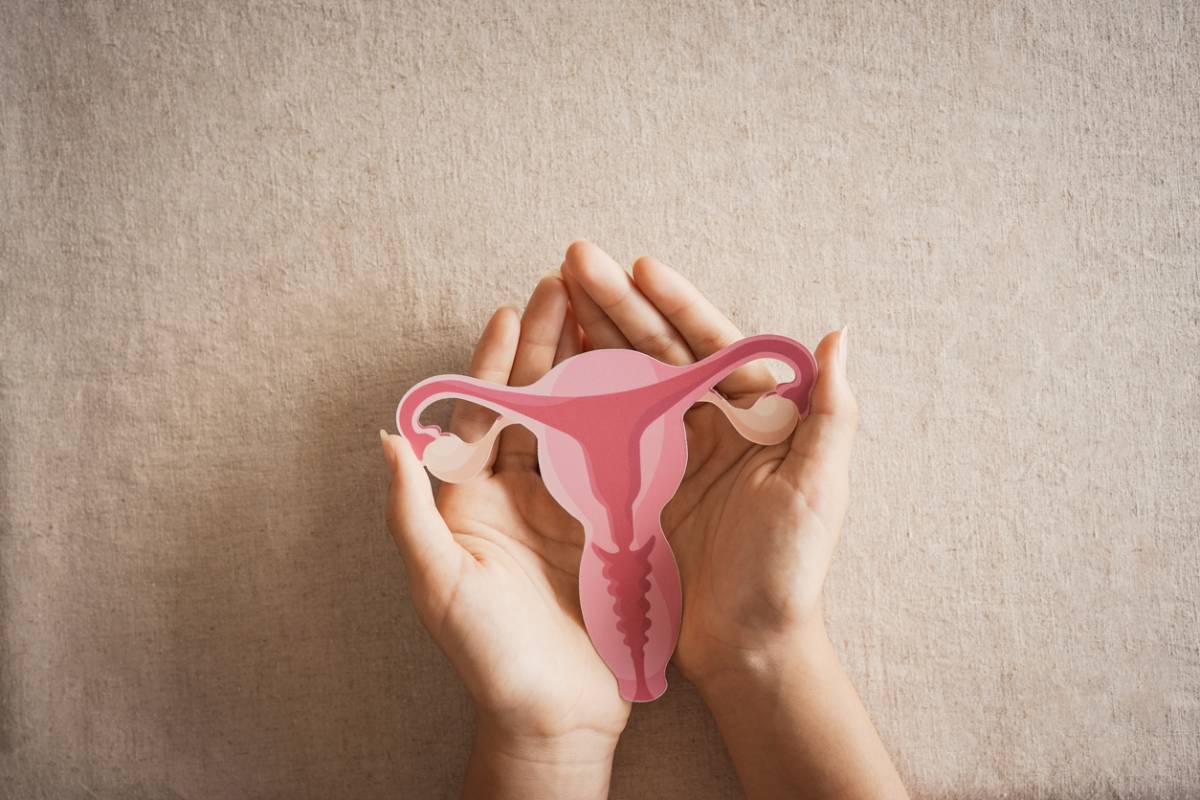
Fibroids are a common type of noncancerous tumor. In fact, they are the most common type of noncancerous tumors that impact women. The tumors can grow in and on the uterus. In many cases, they are not a cause for medical concern. Some women do not even experience symptoms. However, they can persist for many women. Irregular vaginal bleeding, heavy menstrual cycles, painful menstrual cycles, and abdominal bloating. These are just some of the symptoms many women experience. Many women are desperate to find solutions to their fibrous symptoms. So, what vitamins shrink fibroids?
What Vitamins Shrink Fibroids?
Fibroids can make daily life extremely difficult for many women. Seeking alternative treatment options is common. Treatment for the condition should be done in conjunction with a skilled fibroid specialist. One promising vitamin shown to shrink fibroids is vitamin D. Women with low vitamin D levels are at increased risk of fibroids. As a result, taking vitamin D has been shown to prevent fibroids from growing. It has also been shown to shrink small fibroids. While taking the vitamin has shown promising results, it is important to consult a fibroid specialist to determine the right treatment plan for you.
Lifestyle Habits and Managing Your Fibroids
Working with a fibroid specialist is the most effective way to ensure you get on the right treatment plan. A major part of your treatment plan includes lifestyle changes. This can dramatically improve your symptoms and overall quality of life.
Manage Your Weight
Weight management is a key component of managing your fibroids. Higher body fat is associated with higher estrogen levels. This can increase fibroid growth. Maintaining your weight is key, as it improves hormone balance. Even losing just 5-10% of your body weight can help.
Regular Exercise
Managing your weight is key, and regular exercise is an important part of that. This includes moderate-intensity low-impact exercise. Walking, yoga, Pilates, and lightweights are great options. Focus on at least 150 minutes of exercise each week. Strength training should be included at least twice per week due to its positive impact on managing your fibroids.
Healthy Sleep
Getting enough quality sleep is essential as it supports the body’s natural healing process. It also helps regulate your hormones. Consistency is key when it comes to sleep. This includes going to sleep and waking up at the same time every day. If the time varies, it should not exceed one hour. A calming nighttime routine can ensure quality sleep. Aim for seven to nine hours of sleep each night.
Nutrient-Dense Diet
Eating a balanced diet rich in nutrient-dense foods is important. It has been proven to help manage fibroids. This includes fruits, vegetables, healthy fats, lean protein, and whole grains. Foods high in fiber are excellent at regulating your digestion. This is important for balancing your hormones. Reduce processed foods and foods high in sugar. These can have a detrimental impact on your health by causing inflammation.
When to Seek Treatment for Fibroids
Seeking treatment for fibroids is important if your symptoms interfere with your daily life. Early intervention ensures an adequate treatment plan. This is essential for your mental and physical health. If you have heavy or prolonged periods, severe cramping, or bleeding in between cycles, consult with a fibroid specialist. They can assess your symptoms and determine the best course of action.
Leading Fibroid Specialist
Untreated fibroids can impact your daily life in so many ways. If you need treatment from a fibroid specialist, contact the team at ProFibroid MD today to schedule your appointment!