Category Health (ProVascular)

What Are the Early Symptoms of Knee Osteoarthritis?

Knee osteoarthritis is a condition caused by the degeneration of the joint cartilage and bones of the knee. This condition causes immobility, stiffness, and pain. In fact, the knee is one of the most commonly affected joints, and osteoarthritis is the leading cause of disability and chronic pain.

Osteoarthritis is the most common type of arthritis and causes swelling in the knees, back, hands, or hips. Although there are no cures for osteoarthritis, those suffering from knee osteoarthritis can manage the condition effectively with medication.

How Osteoarthritis Harms the Body

When osteoarthritis breaks down one or more joints, the affected joints can develop cartilage and bone changes. If this occurs, it may result in disability or the inability to complete daily tasks. Swelling and joint stiffness are more common in older adults, but they are not a normal part of aging.

Despite osteoarthritis causing joint instability, swelling, and pain, there are ways to manage the condition. In fact, proactive attention may help prevent or delay the onset of knee osteoarthritis.

Symptoms of Knee Osteoarthritis

In the early stages of knee osteoarthritis, an individual may experience numerous symptoms. The Centers for Disease Control and Prevention reveals that symptoms associated with knee osteoarthritis consist of the following:

  • Swelling in and around the joint
  • Less ability to move the joint
  • Joint pain, particularly when moving the joint
  • Feeling as if the joint is unstable or loose
  • Stiffness after resting the joint

For those experiencing any of the above symptoms, consider seeing a rheumatologist who can help diagnose your condition through lab tests, x-rays, a physical exam, and a review of your health history, including pertinent family history.

An Increased Risk for Knee Osteoarthritis

Certain factors can increase your risk of developing knee osteoarthritis. Some of these include:

  • Obesity – extra weight can affect metabolism, increasing the risk in weight-bearing joints such as the knees or hips
  • Sex – women are more likely to develop the condition than men
  • Age – the risk of knee osteoarthritis increases with age
  • Family history – those with family members who have osteoarthritis may be at higher risk of developing the condition
  • Repetitive stress – overusing a joint can damage it
  • Injuries – stress on the joint can increase the risk of osteoarthritis

If you have already been diagnosed with osteoarthritis, you may have a higher probability of developing the condition in other joints of the body. Despite the lack of a cure, there are multiple ways to manage symptoms.

Some of the ways to manage osteoarthritis symptoms include:

  • Protecting your joints
  • Being physically active
  • Learning skills to improve your quality of life and self-manage symptoms
  • Maintaining a healthy weight
  • Speaking with a healthcare professional about your symptoms and plans for care.
  • Taking over-the-counter pain relievers
  • Participating in physical therapy to strengthen muscles and protect joints
  • Undergoing joint replacement
  • Utilizing supports such as crutches or a cane
  • Using knee braces
  • Trying knee injections

Additionally, genicular artery embolization (GAE) is a minimally invasive procedure that can help offer relief from knee pain. GAE reduces blood flow to the inflamed lining of the knee, helping decrease pain and inflammation. More specifically, GAE can be a helpful treatment option that addresses pain without the need for surgery.

Find Treatment for Knee Osteoarthritis

At Provascular MD, we provide timely, accurate care. Whether you are in the early stages of knee osteoarthritis or you have tried multiple treatments, we are here to help find a diagnosis through a physical exam or imaging.

To treat knee osteoarthritis, minimally invasive procedures or knee surgery may be needed. However, when caught early, preventative measures can be applied to decrease the symptoms you experience. Contact our vascular treatment center today to learn more about your treatment options and how we can assist you.
Autoimmune Diseases That Affect Vascular Health

Autoimmune diseases occur when the immune system mistakenly attacks the body’s own tissues, and when blood vessels are targeted, serious complications can develop. If you are experiencing these complications, you should often seek care at a vascular treatment center, where specialists focus exclusively on preserving vascular health and preventing organ damage. These conditions can cause symptoms such as inflammation of arteries, veins, and capillaries throughout your body. This can lead to reduced blood flow, clot formation, and tissue trauma. You can be proactive about your vascular health by recognizing early warning signs and staying up to date on the latest treatment options.

Autoimmune Diseases and Vascular Health

When your immune system attacks blood vessels, it triggers inflammation that damages vessel walls and disrupts circulation. This inflammation can affect arteries, veins, and capillaries throughout the body, compromising vascular health and often going unnoticed until damage occurs. Timely intervention of specialized vascular treatment when autoimmune diseases and vascular health collide can prevent irreversible damage and preserve quality of life and longevity.

Long-term Complications of Chronic Vascular Inflammation

Persistent inflammation progressively weakens blood vessel walls, leading to a variety of complications. When left untreated, reduced blood flow can create organ damage. Chronic inflammation can also accelerate the progression of several life-threatening conditions. Many complications are cumulative and often irreversible once established. Early aggressive treatment is essential. Regular monitoring at a vascular treatment center helps detect the silent progression before catastrophic events occur.

Symptoms and Warning Signs

Autoimmune vascular disease presents with symptoms that are both localized and systemic. Persistent fatigue, unexplained fever, weight loss, and night sweats may be indicators that something needs further attention. Vascular-specific warning signs vary depending on the affected vessels. Talk to your specialist if you experience:

  • Discoloration of the fingers
  • Painful skin ulcers that won’t heal
  • Sudden numbness or weakness in limbs
  • Visual disturbances
  • Abdominal pain
  • Chest pain, headaches, jaw pain, or shoulder tenderness

Any combination of these symptoms should prompt immediate medical attention for professional evaluation to prevent permanent damage.

Specific Autoimmune Diseases that Affect Vascular Health

It is important to monitor symptoms and take the steps necessary to reduce your risk of vascular complications related to autoimmune diseases. Autoimmune diseases that particularly affect vascular health include:

  • Systemic Lupus Erythematosus
  • Rheumatoid Arthritis
  • Systemic Scleroderma
  • Antiphospholipid Syndrome
  • Giant Cell Arteries
  • Behcet’s Disease
  • ANCA-associated vasculitides
  • Sjogren’s Syndrome
  • Polyarteritis Nodosa

Lifestyle Management and Risk Reduction

Managing autoimmune vascular disease requires conscientious lifestyle modifications. Quitting smoking is essential, and following a diet rich in omega-3s, fruits, and vegetables while limiting processed foods is a good start in reducing the risk of complications. Moderate exercise improves circulation, and stress management is beneficial as well. Most importantly, maintain strict adherence to medication instructions and attend all follow-up appointments to catch complications early.

Diagnosis and Treatment

Blood tests indicating elevated inflammatory markers and autoantibodies are the initial step in diagnosis. Imaging studies are used to visualize vascular inflammation and track blood flow. When imaging proves inconclusive, a biopsy of the affected tissue is taken and tested to confirm the diagnosis. Coordinated care among medical professionals ensures that both the autoimmune disease and any other conditions that may complicate it receive targeted, effective management for optimal outcomes.

Protecting Vascular Health from Autoimmune Diseases

Autoimmune diseases that target vascular health demand extra vigilance and specialized care to effectively prevent devastating complications. The connection between immune system dysfunction and vessel damage can have devastating, sometimes fatal consequences when not adequately addressed. These conditions are serious,s and modern diagnostics and targeted therapies offer excellent control when managed by experienced specialists. Regular monitoring of vascular health, combined with diligent self-care and careful adherence to all instructions provided by your experienced care team, can significantly improve long-term outcomes. By prioritizing early intervention and maintaining consistent follow-up, you can effectively manage your condition, preserve organ function, and maintain quality of life despite autoimmune-driven vascular challenges.

Don’t Wait

Schedule your consultation at our vascular treatment center today to discuss your symptoms and develop a personalized treatment plan.

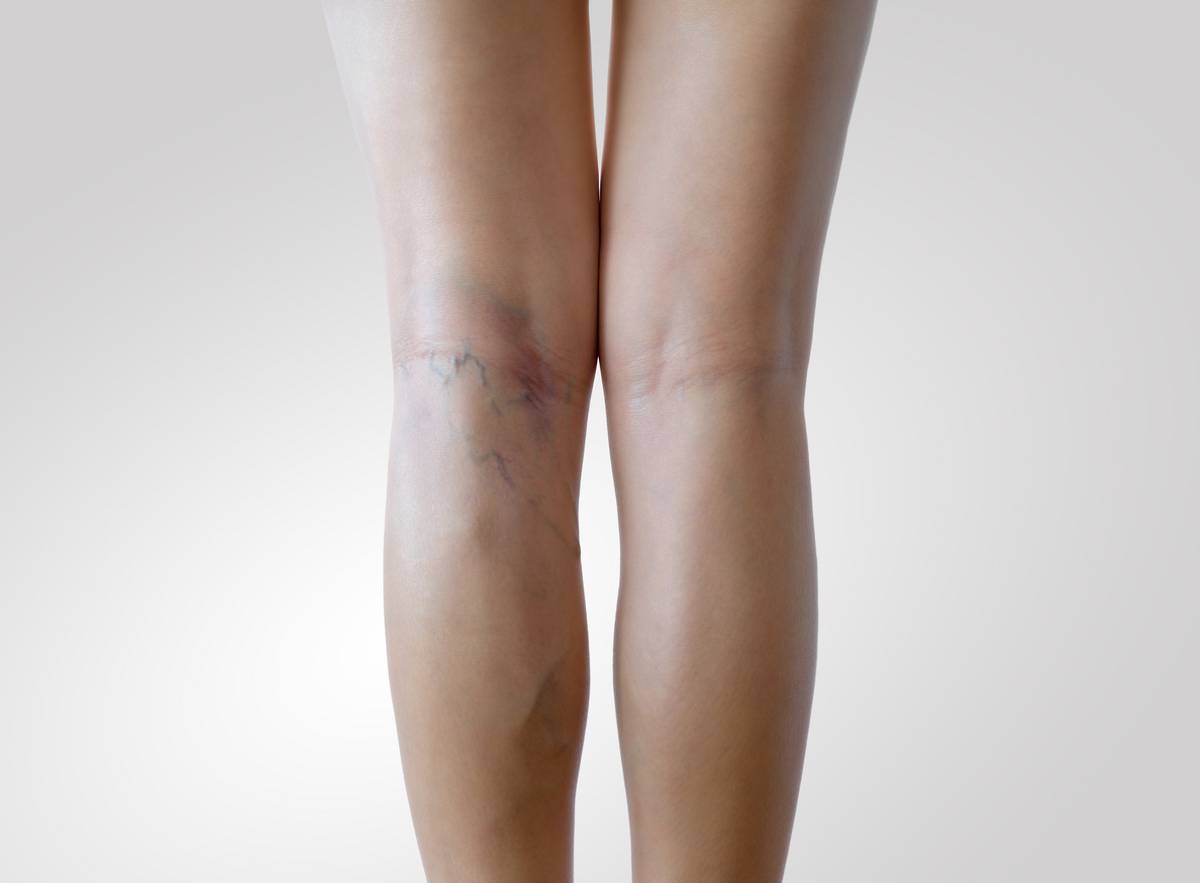
Sign of varicose veins symptoms on a legs.

How to Lower Your Risk of Arterial and Venous Ulcers

Arterial and venous ulcers affect millions of people every year, causing pain, mobility complications, and serious health difficulties when left untreated. Many seek help from a vascular treatment center only after ulcers have already developed. While you should definitely seek medical care when these types of ulcers present themselves, prevention is a far more effective approach than treatment after the fact. Consulting an ulcer and wound care specialist can help you determine your risk factors and intervene before wounds appear. You can significantly reduce your risk of developing arterial and venous ulcers by arming yourself with some knowledge and taking proactive steps to protect your vascular health.

What Are Arterial and Venous Ulcers?

Arterial and venous ulcers share many similarities, making identification tricky. Venous ulcers typically develop on the inner lower leg and are often shallow but large with irregular edges. Surrounding tissue may appear shiny, warm, or scaly. Wound care dressings are often necessary due to moderate to heavy discharge. Many patients report experiencing a dull, aching pain.

Arterial ulcers are caused by insufficient blood flow and most often occur on the foot, between or at the tips of the toes, at pressure points, and on the heels.  They can vary in size and have well-defined edges. The wound appears “punched out” and is often yellow, brown, or black in color. These wounds are often deep, but when caught early on, they can appear shallow. In contrast to venous ulcers, arterial ulcers have minimal drainage. Patients also report that these ulcers are excruciating, and elevation can increase discomfort.

Etiology & Risk Factors

When leg nerves sustain damage, it can lead to leg ulcers. Venous ulcers are caused by inadequate blood flow, which can pool in an area of your body. This can damage the vein and cause leakage of blood cells and fluid. Edema, or swelling, is often present, leading to poor blood circulation in leg tissue and, over time, the formation of an ulcer as the tissue dies. Common risk factors of venous ulcers:

  • Disorders involving blood clotting.
  • Varicose veins
  • Obesity
  • Heart failure
  • High blood pressure
  • Deep vein thrombosis
  • Injuries or trauma
  • Pregnancy

Arterial ulcers develop when blood flow to your lower extremities is impaired. This is commonly caused by peripheral artery disease. Passages narrow, restricting oxygen-rich blood from reaching leg tissues as fatty plaque builds inside arterial walls. Without oxygen-rich blood properly circulating to your lower extremities, fluid is secreted that drains into the surrounding tissues, triggering skin breakdown. Common risk factors of arterial ulcers:

  • Smoking
  • Diabetes
  • High cholesterol
  • High blood pressure
  • Age
  • Vasculitis thickening of the arteries
  • Kidney failure

Arterial and venous arteries may seem like they are the same, and in a lot of ways, they share great similarities. The difference lies in the direction of bloodflow. Arterial ulcers involve difficulties with blood delivery, while venous complications arise from issues with blood return.

Lowering Your Risk

Your greatest advantage in reducing your risk of developing both ulcer types is to be proactive with preventive measures. Attention to circulation and overall health is a good first step to achieving better outcomes. Regular exercise, such as walking, builds strength and supports healthy blood flow. Quitting tobacco use is beneficial to your health in every way, including protecting your arteries from damage that can restrict blood flow.

If you have conditions like diabetes, blood pressure issues, or high cholesterol levels, effective management will go a long way in reducing your risk and preventing leg ulcers. Keeping a healthy weight reduces strain on both arteries and veins. Always be mindful of prevention and daily inspection of high-risk areas to spot early warning signs.

Protect Your Vascular Health

Arterial and venous ulcers cause significant pain and complications, but in most cases, they are preventable with the right steps. You can protect your vascular health by staying active, managing any underlying conditions, maintaining a healthy weight, and quitting tobacco use. Taking small steps leads to reaching significant milestones when you are consistent and sets you up for the best possible prevention.

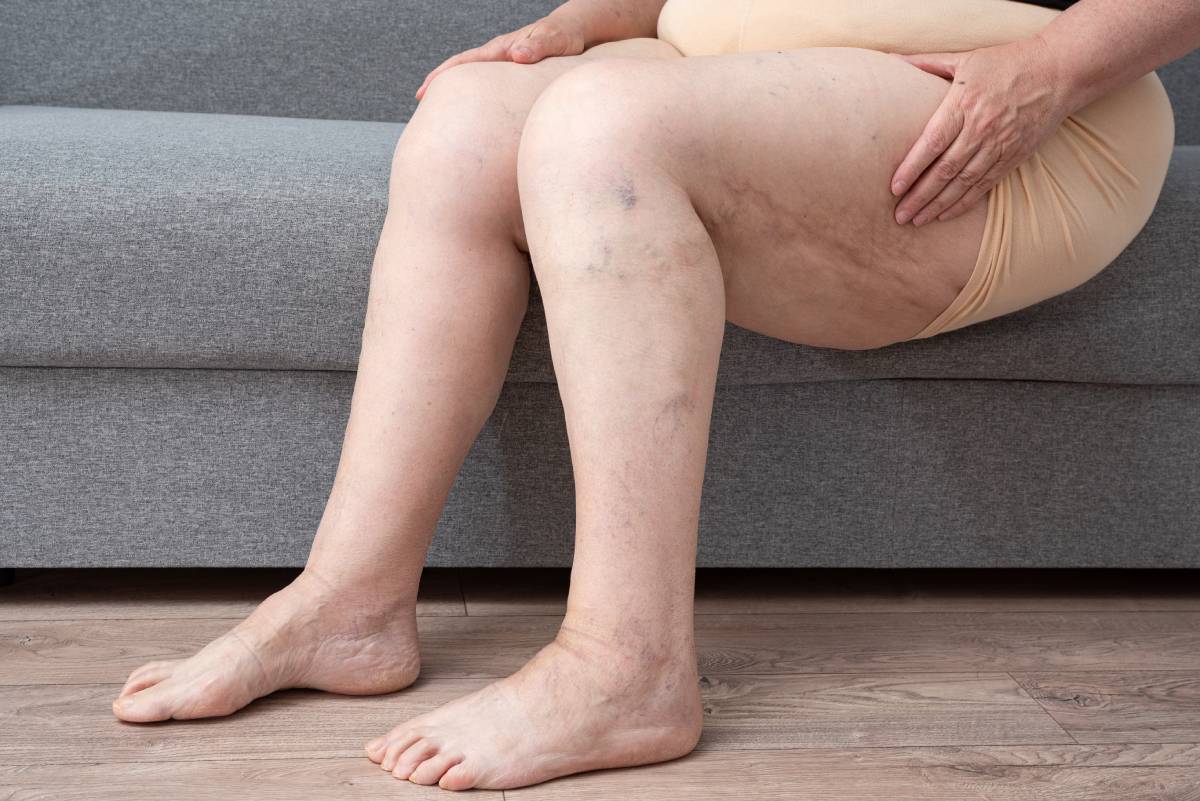
Legs of an anonymous elderly woman with vascular dilation. Veins on the legs of an overweight person, health problems.

Early Signs of Venous Insufficiency

Venous insufficiency is often dismissed by millions worldwide as normal signs of aging or fatigue. Categorized as a progressive vascular condition, it occurs when leg veins have difficulty efficiently pumping blood back to the heart. The result is pooling of blood in the lower extremities. Early intervention is always your best chance to slow the progression of any condition, including venous insufficiency. Consulting with a vascular & vein center can help you prevent serious complications and improve symptoms related to this ailment.

What is Venous Insufficiency?

Damage to your leg veins causes them to work improperly; when this happens, it is referred to as venous insufficiency. Damage to the valves in your legs causes blood to pool rather than flow back to your heart as it should. The buildup and increase in pressure can cause swelling and ulcers.

Causes

Venous insufficiency is the result of damage to the veins in your legs. This can be due to:

  • Malformations in your legs from birth.
  • Changes in your leg veins prevent them from functioning correctly.
  • Other conditions that cause damage to leg veins include deep vein thrombosis.

Early Warning Signs

The earliest noticeable symptoms of venous insufficiency often appear on the skin’s surface. Spider veins, varicose veins, swelling, discoloration, and aches are all indicators of this vascular condition. If you experience any of these early signs, consider scheduling a visit with your physician.

Progressive Symptoms

As venous insufficiency progressively worsens, symptoms become more pronounced and life-affecting. Advanced stages bring more intense swelling, with your legs feeling tired and heavy, severely limiting your daily movement. Skin changes are more prominent and concerning. Pain increases from mild to persistent, and leg ulcers develop. Ulcers are a sign that you are experiencing severe venous insufficiency, which needs medical attention immediately. Minor injuries can lead to infection requiring aggressive vascular intervention.

Risk Factors and Prevention

The risk of venous insufficiency has several contributing factors. Anyone over the age of 50, of female gender, who is pregnant, or has a family history of venous insufficiency, is at an elevated risk of developing this condition. Obesity is another factor to consider, as it puts added pressure on your leg veins. Making relevant lifestyle modifications can help significantly reduce your risk and slow progression.

Treatment

The earlier venous insufficiency is detected, the less aggressive the treatment necessary. Immediately consult with a specialist if you begin to notice persistent leg swelling, varicose veins, discoloration in your legs, or chronic leg pain and heaviness. Modern vascular and vein centers offer diagnostic testing and can help you get appropriate treatment. Treatment can be as simple as lifestyle modifications and compression therapy, or as complex as phlebectomy.

Getting Ahead of Venous Insufficiency

Catching venous insufficiency early means less invasive treatment options and a greater chance of slowing its progression. This condition is highly treatable with modern medicine offering a wide range of minimally invasive options that help alleviate the symptoms by restoring proper blood flow in your leg veins. Persistent leg symptoms should never be ignored. If you are experiencing any of the early signs of venous insufficiency, schedule an appointment with an experienced vascular specialist for testing. Early intervention can help prevent complications and improve overall outcomes. Act early on warning signs and be sure to seek medical professionals with the credentials necessary to properly diagnose and treat venous insufficiency. It is never a good idea to gamble with your health, and gambling with venous insufficiency could leave you physically, mentally, and financially hurting.

Catch venous insufficiency early; consult with a vascular and vein center today.

Doctor examining senior patient for osteoarthritis and knee pain.

Early Signs of Knee Osteoarthritis

Knee osteoarthritis is one of the leading degenerative joint conditions affecting a large number of adults, but it frequently goes undiagnosed during its critical early phases. Cartilage deterioration creates diagnostic difficulties for leg pain specialists. This is due to initial symptoms manifesting as minor discomfort that most dismiss as something that they can walk off. Many seek help from a vascular and vein clinic when they realize the problem can’t be solved by walking it off. Delayed diagnosis could have consequences that extend beyond immediate symptom management. Early identification of osteoarthritis allows for early intervention, which may substantially improve your outcome. Being aware of the subtle initial manifestations is a vital component of effective treatment. Early intervention could mean the difference in preserving functional abilities.

What is Knee Osteoarthritis?

Knee osteoarthritis is the result of friction caused by your bones rubbing together during movement. This causes the cartilage in your knee to break down, all leading to pain, swelling, and stiffness. Osteoarthritis is a consequence of wear and tear that occurs over time. Your knees are a high-impact joint, often under continuous stress for many days throughout a lifetime. This makes the knee a commonly problematic area.

Stages

Because knee osteoarthritis is a degenerative condition, specialists have broken its progression into four prominent stages:

  • Stage 1 Minor: The first stage often progresses unnoticed. Your joints have gained small amounts of wear and tear.
  • Stage 2 Mild: The cartilage in your knees is still sufficient enough to prevent your bones from grinding, but has progressed to a point where you might begin to feel some pain and stiffness in your joint.
  • Stage 3 Moderate: At this stage, the cartilage has degenerated to a degree that it causes noticeable pain and stiffness. This is especially true during activities of low to high impact, such as running, walking, squatting, and kneeling, as well as after more extended periods of inactivity.
  • Stage 4 Severe: Your knee has progressed in severity substantially, the cartilage in your knee is almost gone, and movement prompts your bones to grind. This is when surgery is often mentioned for knee joint replacement.

Early Symptoms

The most common symptom associated with knee osteoarthritis is pain. Pressure and movement create pain, and you may even notice pain when doing nothing at all. Other symptoms:

  • Stiff knees, particularly in the morning or after sitting for a while
  • Swelling or puffiness
  • Cracking or grinding noise during movement
  • Wobbling or buckling
  • Locks up or feels stuck
  • Causes

Think of your joints like your car’s brake pads; over time, after hitting the brakes countless times, they cause friction and wear down the pads. You can start to hear a grinding sound, which tells you it’s time to change the brakes. The cartilage in your knee is essentially the same; the friction from movement wears down the cartilage and causes your bones to rub. Unfortunately, another area in which they are similar is their solution options. The only solution is replacement. Cartilage, like the pad on your brakes, doesn’t grow back, so surgery to replace the joint is necessary to gain proper movement.

Freedom from Knee Osteoarthritis

Knee osteoarthritis may seem like just another inevitable consequence of aging, but you can get ahead of it while it is in the early stages. The minor aches and morning stiffness that many ignore are your body’s signal to you that something is wrong and needs attention. Essentially, your check engine light is on. To maintain your mobility in your golden years, early intervention is key. Osteoarthritis may be a progressive condition, but with the right approach and early intervention, you can set yourself up to remain active and pain-free longer.

Learn about your joint health with experienced leg pain specialists today!