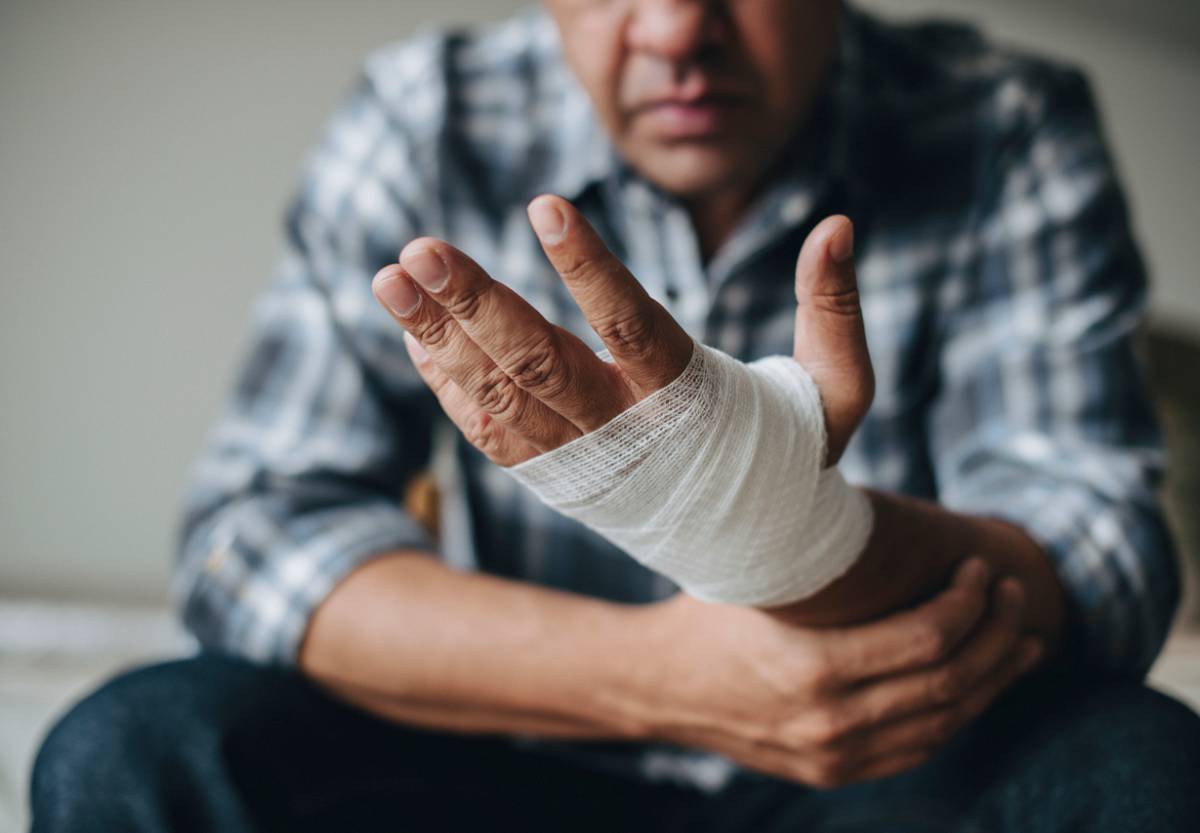
How Long Does It Normally Take for a Wound to Heal?
The body can regenerate in surprising ways. Its ability to close wounds is downright stunning. However, you may need to see a vascular wound care specialist if a wound refuses to heal. But how long does it normally take for a wound to heal?
How Long Does It Normally Take for a Wound to Heal?
As soon as the body sustains a wound, mechanisms activate that work toward its eventual healing. Generally, this can take anywhere from 1 to 4 weeks. However, that time frame will differ based on a few factors.
Wound Severity
The depth, size, and severity of a wound all influence healing. This is perhaps the most obvious factor. Bigger wounds heal more slowly.
The type of wound can also play a role. Abrasion wounds may heal differently from cuts or punctures. These affect the tissues differently. Minor wounds should heal within about 1 week. More severe wounds, like surgical incisions or puncture, can take up to 4 weeks.
Location
Healing occurs at different rates in the body. For example, minor wounds to the gums can heal very rapidly. That is why you heal so quickly after wisdom teeth extraction.
The lower extremities, in particular, can heal more slowly. This is due to the poorer circulation and more regular stress placed on the limbs.
Age
The unfortunate truth is that our bodies regenerate more slowly as we age. A scraped knee might last for a few days as a kid. But that same injury could take well beyond a week for an adult to heal from.
Additionally, older patients are more likely to have other medical conditions that interfere with healing. Most prominently, vascular conditions will affect healing time. Severe vascular issues may even lead to wounds that refuse to heal after weeks.
Health
Medical conditions play a central role in influencing wound closure. In particular, patients with an immunocompromised state are at particular risk. Infiltration by bacteria could more easily lead to infection or further complications.
Other conditions that can influence wounds and healing include:
- Coagulation disorders
- Obesity
- Diabetes
- Substance use disorders
- Circulation disorders
- Connective tissue disorders
- And more
Additionally, medications that you are taking for a condition can influence wound closure. Specifically, drugs that influence clot formation and platelet function can impede healing.
Nutrition
Malnutrition or poor nutrient intake can also slow down wound healing. Some of the most important nutrients involved in the wound repair process include:
- Protein: Crucial for creating new tissue and supporting immune function.
- Vitamin C: Encourages collagen production, which is essential for wound closure.
- Zinc: Also supports collagen synthesis and immune functioning.
- Vitamin A: Promotes cell growth and differentiation, key in wound healing.
- Vitamin E: An antioxidant that helps protect wounds from additional damage.
Stress
Yes, stress is more than just a mental concern. Chronic and acute stress can both impair the body’s ability to heal.
Studies (for both humans and animals) have shown time and again that stress can substantially delay the healing process. Beyond this, stress can cause a range of other health-related issues.
When Should I Be Worried About a Nonhealing Wound?
Slow wound closure is not necessarily a point of concern. However, you should be aware of certain factors that could point to an issue with the wound healing. These include:
- Signs of infection (redness, swelling, tenderness)
- Wounds not improving after 4 weeks
- Drainage or pus coming from the wound
- Systemic symptoms (fever, pain, vomiting, nausea)
Wound Care Experts
ProVascularMD Services Los Angeles as a premier vascular treatment center. Contact our team if you have any manner of wound that needs treatment.
Leave a Reply