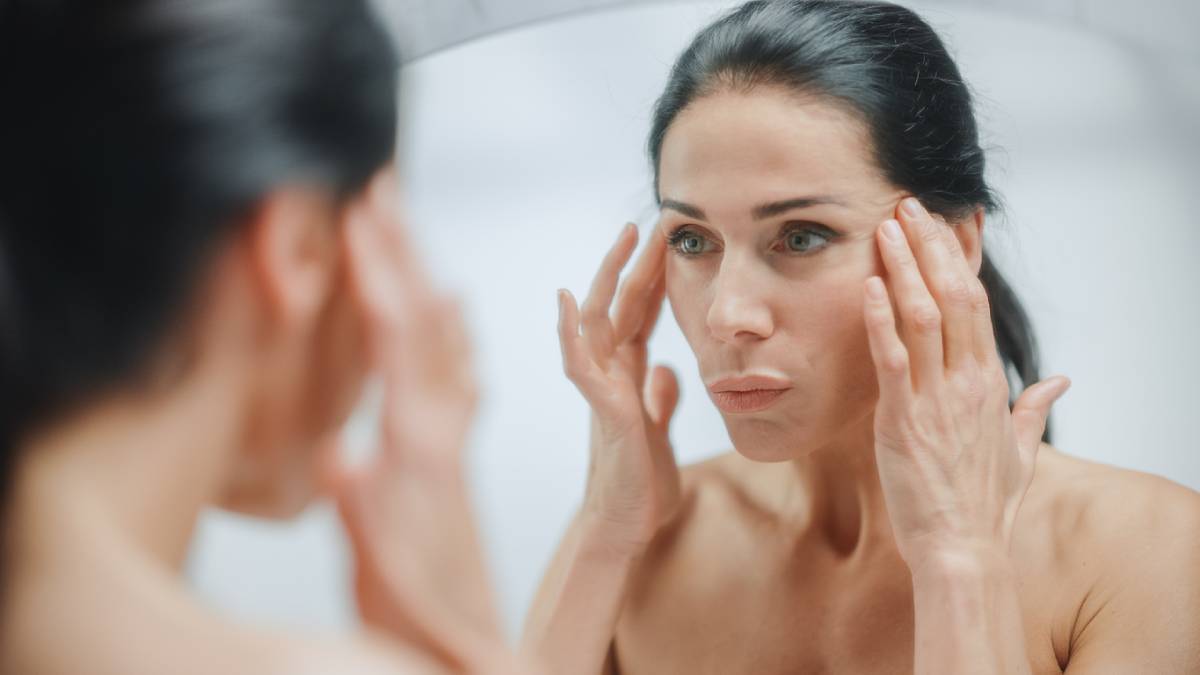
Featured image for What Is a Good Age for a Facelift?

What Is a Good Age for a Facelift?

A facelift is one of the most popular cosmetic procedures. It is highly effective in reducing the signs of aging on the face and neck. A facelift tightens sagging skin, reduces the appearance of wrinkles, and provides an overall refreshed look. It not only improves your facial aesthetic, but it can also boost your confidence. Investing in yourself can help you regain your confidence and look and feel like yourself again. Many patients wonder, what is a good age for a facelift? Below, you will find helpful information on when to consider a facelift.


What Is a Good Age for a Facelift?

A facelift is an effective way to restore a more youthful appearance. It does not impact the structure of your face. However, it reduces the signs of aging, making you look more youthful. In fact, it can take up to ten years off the look of your face. While there is no perfect age for a facelift, many people get the surgery between the ages of 40 and 60. There are several reasons why patients undergo a facelift.


Getting A Facelift In Your 40s

Getting a facelift in your 40s is a great way to intervene on the signs of aging early. In your 40s, skin begins to lose its elasticity. This is when the first signs of aging appear, especially around the jawline. One of the major benefits of getting a facelift in your 40s is that the changes are more subtle. Depending on the severity of the signs of aging on your face, some plastic surgeons perform a mini-facelift, which addresses the signs of aging on the lower face and neck. Recovery can also be smoother and faster when you are younger. If you have mild sagging and good skin elasticity, a facelift in your 40s is a great choice. It provides natural-looking results that last.


Getting A Facelift in Your 50s

The most common age range for facelifts is people in their 50s. Many people at this age have deeper lines, more pronounced jowls, and skin laxity on the neck. Many of these issues cannot be addressed with creams or injectables, as surgery is necessary. A facelift at this age can reverse the signs of aging and leave you with a youthful and refreshed look. If you have moderate to severe facial aging and are in good health, a full facelift is likely the right choice for you.


Getting A Facelift in Your 60s or Later

Investing in your appearance has no age limit. Many patients opt to get a facelift in their 60s and later to restore their youthful appearance. By age 60, skin sagging and deep wrinkles are common. A facelift can tighten sagging skin and smooth out wrinkles that have deepened over time. A skilled plastic surgeon can assess your skin elasticity and overall health. The main concern is that you are in good overall health. You must achieve good outcomes during and after surgery, including undergoing general anesthesia. Many patients over the age of 60 undergo a facelift and achieve amazing results.


Is a Facelift Right For Me?

Getting a facelift is more than just about your age. People of all ages benefit from a facelift due to the amazing results. Determining if the surgery is right for you depends on your own aesthetic goals. Below are some common indications that a facelift is right for you.


Sagging Skin

Skin sagging is a common sign that you may be a good candidate for a facelift. Loss of skin elasticity occurs due to a reduction in the production of collagen and elastin. These are important proteins that keep your skin firm and tight. Collagen and elastin production slow down as early as your 20s. If you have skin sagging around your cheeks, jawline, or neck, a facelift is a great option.


Deep Wrinkles

Fine lines eventually deepen into wrinkles as you get older. These are common around the eyes and the mouth. Nasolabial folds around your mouth can leave you looking much older than you are. A facelift can smooth out wrinkles, resulting in smoother skin and leaving you looking not only younger but also more refreshed.


Other Treatments No Longer Work

For many people, injectable treatments can reduce the signs of aging. Injectable fillers and wrinkle removers are highly effective in reducing the appearance of wrinkles. However, they work best on the early signs of aging. More advanced signs of aging require surgical intervention. If injectables and skin treatments are no longer working for you, a facelift is a highly effective and long-lasting option.


Top Plastic Surgeon in Beverly Hills

If you are unhappy with your facial aesthetics, contact Dr. Brent and his team today to schedule a consultation. 
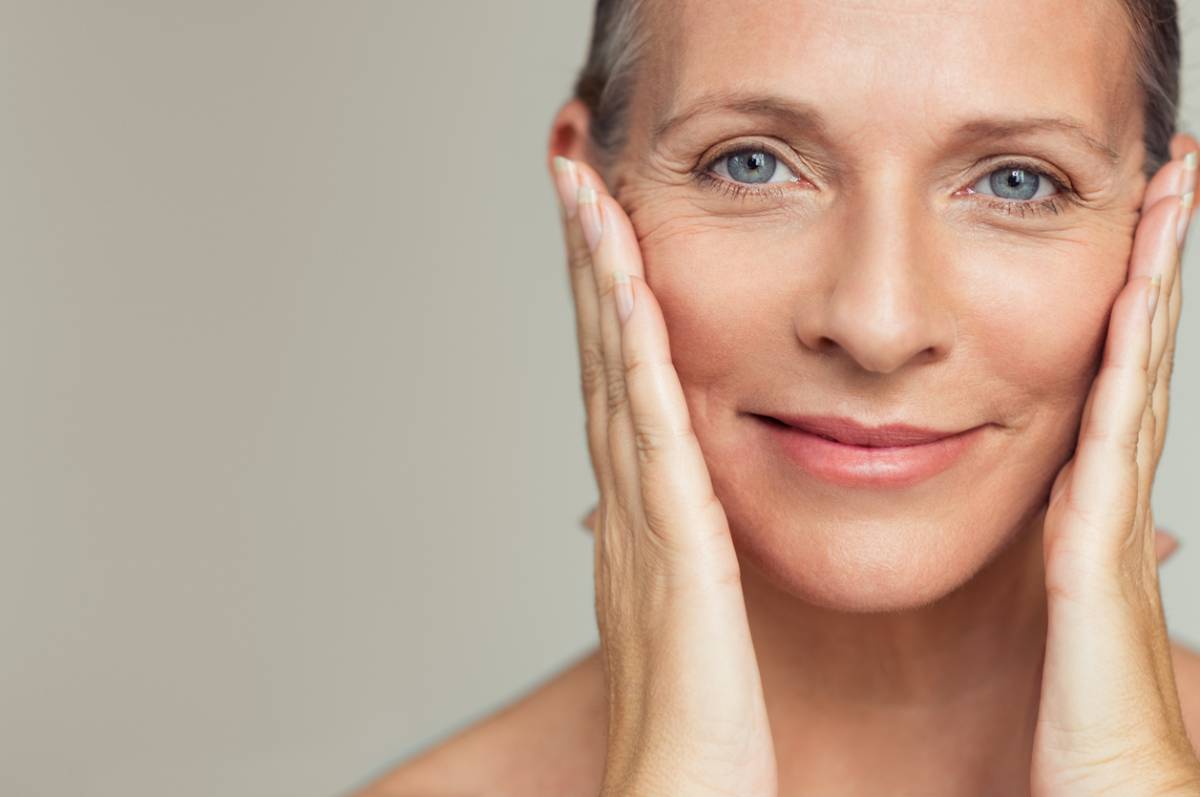
Featured image for How Long Does a Facelift Last?

How Long Does a Facelift Last?

Rhytidectomy, otherwise known as a facelift, has been a well-known cosmetic procedure for years. It is designed to reduce visible signs of aging in the face and neck and is a popular option for those individuals who want to address sagging skin and deep creases. It effectively provides a more youthful appearance by repositioning facial tissues. This is the reason for its popularity. However, one of the most common questions a plastic surgeon usually has to answer is: How long does a facelift last? This question requires more than a yes or no answer. Various factors may impact the longevity of a facelift. Your surgeon can help you understand them and guide you in making an informed decision.


How Long Does a Facelift Last?

On average, facelift results can last from 7 to 10 years. This means that, after a decade or less, patients may already experience a gradual return of sagging and wrinkling skin as the natural process of aging continues. However, typically, the face will appear younger than if surgery has never been performed.

If you are considering getting a facelift, it is important to keep your expectations in check. A facelift is designed to improve your skin’s appearance by reducing signs of aging, but it does not stop you from aging. You will still continue to age. It just sets back the clock a couple of years.


Factors that Affect How Long a Facelift Lasts


1. Types of Facelift

  • Mini Facelift: This type is less invasive and best for mild sagging. The results usually last for 5 to 7 years.
  • Mid-Facelift: This type targets the cheek area of your face. The results may last for 7 to 10 years.
  • Deep Plane Facelift: Deep plane facelift is a more comprehensive procedure that restores volume and shape by manipulating deeper facial tissues, including the superficial musculoaponeurotic system. The results are usually more natural than traditional facelifts and can last for 7 to 10 years or longer.


2. Patient’s Age at the Time of Surgery

Younger patients who are in their 40s or 50s get longer-lasting results than those who undergo surgery in their 60s or 70s. This is because when skin is younger, it is more elastic and heals better, leading to a better outcome.


3. Skin Quality and Lifestyle

The elasticity, texture, and overall health of your skin can greatly influence how long the results of your facelift can last. When skin is firm and well-moisturized, it is expected to have longer-lasting results. Lifestyle also affects skin health, so the following are to be avoided:

  • Smoking: This accelerates aging and reduces blood flow to the skin.
  • Sun Exposure: This breaks down collagen and elastin, which leads to sagging and wrinkles.
  • Weight Fluctuations: This can stretch the skin and distort the contours of your face.


4. Surgeon’s Skill and Technique

Your choice of surgeon is crucial to the results of your facelift. A highly qualified and experienced surgeon is expected to deliver a more natural look and longer-lasting results.


5. Post-Surgery and Maintenance

Your surgeon will give you post-surgery instructions, which you have to carefully follow.

Failure to do so may affect the way your skin heals and impact the longevity of your results. In addition, you also need to give your skin proper love and care by:

  • Applying sunscreen daily
  • Applying moisturizers and retinoids
  • Avoiding smoking and eating healthy
  • Getting supplemental non-surgical treatment like fillers and laser resurfacing


How to Maximize the Lifespan of Your Facelift

To prolong the beautiful results of your facelift, there are things that you can do:


Follow a Healthy Lifestyle

Make sure that your diet is rich in antioxidants. Engage in regular exercise. And have adequate quality sleep. This will keep your skin fresh and firm.


Avoid Sun Damage

Apply sunscreen every day, even when it is cloudy. A hat or an umbrella can give you extra protection.


Stay Hydrated

Maintain your skin’s elasticity by staying hydrated. Ensure that you are getting plenty of water every day.


Consider Touch-Up Procedures

Ask your surgeon about non-invasive options that can refresh your appearance and delay the need for another surgical facelift. A second facelift done 10-15 years after the first one is not uncommon. Second and even third facelifts are safer and more effective than ever before due to the advances in surgical techniques. However, you need to see if another facelift is really necessary. Many patients do not need another full facelift. A mini facelift or other less invasive techniques may be enough to maintain the firmness of your skin.


Begin Your Transformation Today

A facelift is a truly transformative procedure that not only rejuvenates your skin but also makes it more youthful and boosts the confidence that visible signs of aging have dampened.

Facelift results can last for a long time. The key to that is choosing the right surgeon, following post-operative care instructions, and living a healthy lifestyle. If you want to explore this option for yourself and see if it is the right course to take, schedule a consultation with Dr. Chiu, our board-certified surgeon so that you can be empowered to make an informed decision.