Female doctor smiling and shaking hands with her patient after a consultation in her office.

Why Some Fibroids Cause Pain While Others Don’t

Uterine fibroids are a common condition among women during their reproductive years. Fibroids are noncancerous growths. They can cause unwanted symptoms, including heavy periods, painful cycles, and frequent urination. They can also cause constipation, lower back pain, pain during intercourse, and pelvic pressure. Each person experiences fibroids differently. Below you will find more information on why some fibroids cause pain while others don’t.

Why Some Fibroids Cause Pain While Others Don’t

Some women with fibroids experience pain and discomfort. However, others do not experience the same symptoms. Understanding why some fibroids cause pain and others do not is important. It can help you recognize when to seek evaluation and treatment for the issue.

Pain-Free Fibroids

Not all fibroids are the same, as they can vary in size, number, and location within the uterus. Factors such as genetics, hormone levels, and individual sensitivity can also impact pain levels. This is why some people experience pain, and others do not.

Small fibroids that remain within the uterine wall are often painless. Patients who do not experience painful fibroids do not even know they have them. It is often only revealed during a routine exam. This is true even if they experience other symptoms. This is because they can only be detected with a pelvic exam or imaging.

Fibroids that Cause Pain

On the other hand, some women experience severe pain and discomfort. Pain and pressure are more likely when fibroids are large. They can also cause these symptoms if they are pressing on nearby nerves, tissues, or organs. Certain types of fibroids can press against the bladder, the pelvic wall, or the rectum. This leads to discomfort and pressure. Other types expand within the uterine wall. This increases muscle tension, leading to cramps and aches.

Fibroids can also outgrow their blood supply. The process, known as degeneration, triggers inflammation and pain. The pain can be sudden and sharp, which is extremely difficult to manage on a daily basis. Fibroids can also twist and cut off circulation to the area. This can lead to acute pain that is also difficult to manage without treatment.

When to Seek Medical Care

Fibroid symptoms can impact your overall quality of life. If this is the case, it is time to seek treatment from a fibroid specialist. Symptoms that indicate you need an evaluation include persistent or worsening pelvic pain. This is especially significant if it interferes with your daily activities. Work, school, and your social commitments should not be impacted by the pain or discomfort caused by fibroids. Other concerning symptoms include heavy or long menstrual cycles. When this leads to fatigue or anemia, prompt evaluation and treatment are necessary.

A skilled and experienced fibroid specialist can evaluate your symptoms. When you meet with the specialist, describe the symptoms you experience. Include when, how often, and how severe they are to provide a full picture of your condition. A customized treatment plan based on your unique symptoms will be created. This may include lifestyle modifications, medication, or minimally invasive procedures. More severe cases may require surgical intervention.

Getting treatment from a professional is the best way to manage your symptoms and your health. Ongoing care may be necessary due to the nature of fibroids. Stay consistent with your fibroid specialist to effectively manage the condition. This can dramatically improve your overall quality of life.

Top Fibroid Specialist

Fibroids can make daily life difficult due to the pain and other unwanted symptoms. If you need treatment, contact the team at ProFibroidMD today to schedule your appointment!

Woman taking sanitary pad from table, suffering from menstrual pain, closeup.

How Fibroids Affect Your Menstrual Cycle and Daily Life

Fibroids are a common condition that impacts women. They are noncancerous tumors that form in or around the uterus. The impact of fibroids can range from mild to major, depending on the person. Understanding fibroid symptoms is important so you can seek help from a specialist. You may notice symptoms impacting your daily life, including your energy levels and monthly cycle. Below you will find how fibroids affect your menstrual cycle and daily life.

How Fibroids Affect Your Menstrual Cycle and Daily Life

Fibroids often develop during the reproductive years. This is often why many people notice symptoms of fibroids during the menstrual cycle. Fibroids can vary in size and location. Both factors play major roles in how the condition affects your period and daily life.

Impact on Menstrual Cycle

There are several ways fibroids can impact your menstrual cycle. If you experience any of the following, it is important to consult with a medical professional.

Heavy or Longer Periods

Fibroids can put pressure on the uterine lining. This can increase bleeding during your menstrual cycle. Periods may also last longer than usual. Both of these issues can impact your daily life. You may notice large clots and bleeding that lasts more than one week. The frequency at which you change your pads or tampons may increase substantially. These are signs that it is time to consult with a fibroid specialist. They can assess your symptoms, run labs, and determine the best course of action.

Severe Cramping

Pressure from fibroids can make cramps unbearable. Many people experience stronger and more intense cramping before and during their cycle. This can make sleep and daily life difficult. If you have severe cramping during your cycle, you should be evaluated. A skilled fibroid specialist can provide you with options to improve your quality of life.

Irregular Bleeding

Fibroids can cause irregular bleeding. This includes spotting between periods and unpredictable cycles. This can make it challenging to track your cycle. Many patients with fibroids experience such painful cycles that they need to plan their daily life around them. Irregular bleeding can make this exceptionally difficult. If your cycle has been irregular for more than two to three months, consult with a medical professional right away.

Impact on Daily Life

You may notice several ways that fibroids impact your daily life. If fibroids lead you to experience one or more of the following, consult with the top fibroid specialist for support.

Pelvic Pressure

Many women report feeling pelvic pressure or fullness in the lower abdomen. It is often described as feeling bloated. This occurs even if you have not eaten yet. The pressure can make sitting for long periods extremely uncomfortable. It can also make it difficult to find clothes that fit and feel comfortable.

Frequent Urination

Fibroids can press against the bladder. This reduces the volume of the bladder. The pressure can lead to frequent urination throughout the day and night. This can disrupt your daily life and sleep. This can lead to a vicious cycle of sleeplessness and daytime fatigue. It is important to consult with a medical professional due to the impact on your life.

Fatigue and Lower Energy

Heavy menstrual bleeding caused by fibroids may lead to low iron levels. Lower iron levels make you feel tired, short of breath, or lightheaded. Fatigue can impact your daily life, including work, school, and relationships. Feeling tired all the time can make even the smallest tasks difficult.

Top Fibroid Specialist

Fibroids can impact your health and daily life. If you need treatment, contact the team at ProFibroid MD today to schedule your consultation!

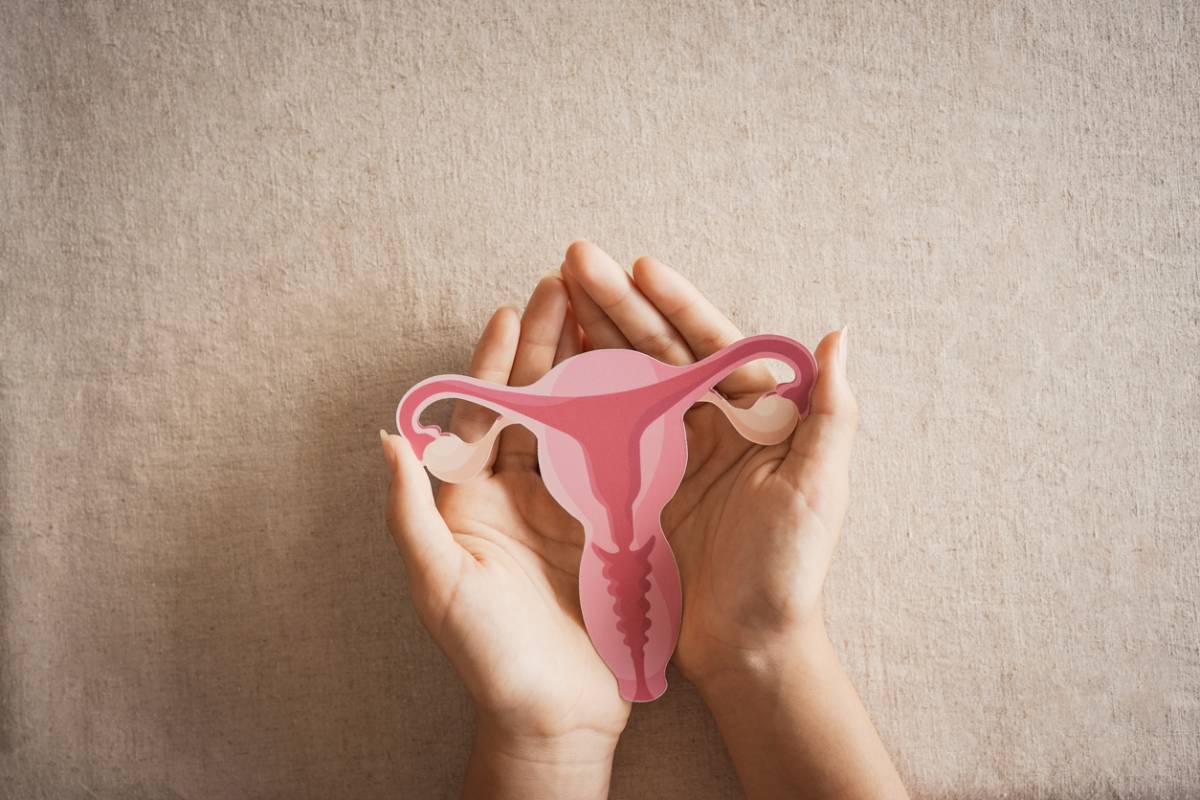
woman holding uterus, female reproductive system ,

Common Fibroid Symptoms and When to Seek Care

Fibroids are incredibly common—so common, in fact, that many women will have them at some point without ever realizing it. These noncancerous growths develop in or around the uterus and can range in size from a pea to a grapefruit. While some cause no symptoms at all, others can significantly impact daily comfort, energy levels, and menstrual health.

Understanding what fibroid symptoms look like can help you know when it’s time to talk with a healthcare provider. If you’ve been wondering whether your symptoms are “normal” or if something more serious may be happening, this guide can help you sort through the most common signs and when to seek care.

What Are Fibroids?

Fibroids—also called uterine leiomyomas—are benign muscular tumors that typically form within the uterine wall. They are not cancerous, and having fibroids does not increase your risk of uterine cancer. However, their size and location can lead to symptoms that interfere with everyday life and overall well-being.

These growths are especially common during reproductive years and often shrink after menopause due to changes in hormone levels. While the exact cause isn’t fully understood, family history, hormones, and age all play a role.

Common Fibroid Symptoms

Fibroids can show up differently for every person. Some women experience one or two symptoms, while others may have several. Common symptoms can include:

  • Heavy or Prolonged Periods: Heavy menstrual bleeding is one of the most recognizable symptoms of fibroids. You might notice you’re changing pads or tampons more often, passing large clots, or having periods that last longer than usual. In many cases, this level of bleeding can lead to iron-deficiency anemia, which causes fatigue, dizziness, and shortness of breath.
  • Pelvic Pain or Pressure: Fibroids can create a persistent feeling of fullness, heaviness, or pressure in the pelvis. Depending on their size or location, they can make physical activity, bending, or even sitting uncomfortable.
  • Frequent Urination: When a fibroid presses against the bladder, it can reduce bladder capacity, making you feel like you need to urinate more often. Some women also notice difficulty fully emptying the bladder.
  • Pain During Intercourse: Fibroids located near the cervix or within the uterine cavity can cause pain or discomfort during sex. This can understandably impact intimacy and quality of life.
  • Constipation or Bowel Pressure: Fibroids that grow toward the back of the uterus may press on the rectum, leading to constipation or uncomfortable bowel movements.
  • Lower Back Pain: Large fibroids can press on pelvic nerves and cause dull, achy, or radiating lower back pain.
  • Abdominal Enlargement: Some fibroids grow large enough to cause visible abdominal swelling. In certain cases, this can mimic early pregnancy or general bloating.

When Should You Seek Care?

It’s important to check in with your doctor if you experience:

  • Heavy menstrual bleeding that disrupts daily routines
  • Symptoms of anemia (fatigue, weakness, lightheadedness)
  • Pelvic pain or pressure that does not improve
  • Frequent urination or difficulty emptying your bladder
  • Painful intercourse
  • Unexplained abdominal bloating or enlargement
  • Menstrual cycles that are unusually long, short, or unpredictable

Fibroids are not dangerous on their own, but their symptoms can lead to complications if left untreated. A medical evaluation can help rule out other conditions and guide you toward the best treatment options.

Treatment Options Your Provider May Recommend

Treatment options can vary depending on the size and symptoms you experience.

  • Surgical options, typically reserved for larger fibroids or persistent or extreme symptoms
  • Minimally invasive procedures like uterine fibroid embolization
  • Medication, for milder symptoms, manage bleeding, or temporarily shrink fibroids

Your treatment plan will depend on your personal needs, future pregnancy goals, and how significantly fibroids are affecting your day-to-day life.

Taking Charge of Your Uterine Health

Fibroids are more common than many people realize—and just as importantly, they’re treatable. If heavy periods, pelvic discomfort, or other symptoms are starting to interfere with your routine, you don’t have to just “live with it.” Paying attention to early signs and reaching out for help can make a life-changing difference.

If you’re ready to learn more about your symptoms or explore treatment options, visit ProFibroid MD to schedule a consultation today.