Tag fibroid treatment

What Vitamins Shrink Fibroids?

Fibroids are a common type of noncancerous tumor. In fact, they are the most common type of noncancerous tumors that impact women. The tumors can grow in and on the uterus. In many cases, they are not a cause for medical concern. Some women do not even experience symptoms. However, they can persist for many women. Irregular vaginal bleeding, heavy menstrual cycles, painful menstrual cycles, and abdominal bloating. These are just some of the symptoms many women experience. Many women are desperate to find solutions to their fibrous symptoms. So, what vitamins shrink fibroids?

What Vitamins Shrink Fibroids?

Fibroids can make daily life extremely difficult for many women. Seeking alternative treatment options is common. Treatment for the condition should be done in conjunction with a skilled fibroid specialist. One promising vitamin shown to shrink fibroids is vitamin D. Women with low vitamin D levels are at increased risk of fibroids. As a result, taking vitamin D has been shown to prevent fibroids from growing. It has also been shown to shrink small fibroids. While taking the vitamin has shown promising results, it is important to consult a fibroid specialist to determine the right treatment plan for you.

Lifestyle Habits and Managing Your Fibroids

Working with a fibroid specialist is the most effective way to ensure you get on the right treatment plan. A major part of your treatment plan includes lifestyle changes. This can dramatically improve your symptoms and overall quality of life.

Manage Your Weight

Weight management is a key component of managing your fibroids. Higher body fat is associated with higher estrogen levels. This can increase fibroid growth. Maintaining your weight is key, as it improves hormone balance. Even losing just 5-10% of your body weight can help.

Regular Exercise

Managing your weight is key, and regular exercise is an important part of that. This includes moderate-intensity low-impact exercise. Walking, yoga, Pilates, and lightweights are great options. Focus on at least 150 minutes of exercise each week. Strength training should be included at least twice per week due to its positive impact on managing your fibroids.

Healthy Sleep

Getting enough quality sleep is essential as it supports the body’s natural healing process. It also helps regulate your hormones. Consistency is key when it comes to sleep. This includes going to sleep and waking up at the same time every day. If the time varies, it should not exceed one hour. A calming nighttime routine can ensure quality sleep. Aim for seven to nine hours of sleep each night.

Nutrient-Dense Diet

Eating a balanced diet rich in nutrient-dense foods is important. It has been proven to help manage fibroids. This includes fruits, vegetables, healthy fats, lean protein, and whole grains. Foods high in fiber are excellent at regulating your digestion. This is important for balancing your hormones. Reduce processed foods and foods high in sugar. These can have a detrimental impact on your health by causing inflammation.

When to Seek Treatment for Fibroids

Seeking treatment for fibroids is important if your symptoms interfere with your daily life. Early intervention ensures an adequate treatment plan. This is essential for your mental and physical health. If you have heavy or prolonged periods, severe cramping, or bleeding in between cycles, consult with a fibroid specialist. They can assess your symptoms and determine the best course of action.

Leading Fibroid Specialist

Untreated fibroids can impact your daily life in so many ways. If you need treatment from a fibroid specialist, contact the team at ProFibroid MD today to schedule your appointment!
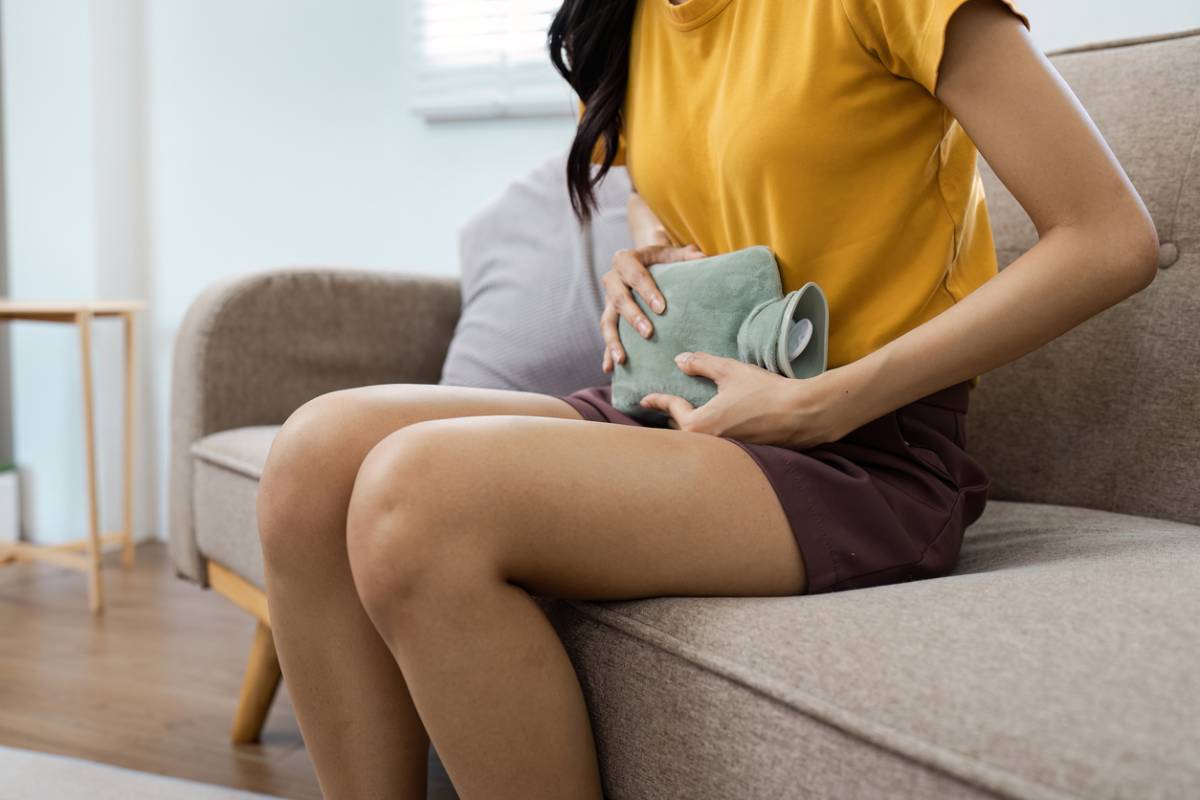

Woman Sitting on Couch with Hot Water Bottle for Menstrual Pain Relief.

Recovery After Uterine Artery Embolization

Uterine Artery Embolization (UAE)—also commonly called Uterine Fibroid Embolization (UFE)—is a minimally invasive treatment that offers significant relief from fibroid symptoms without the need for major surgery. One of the biggest advantages of UAE is the relatively fast recovery time. Most patients return to their regular routines within a week, but that first week is an important window for rest, healing, and symptom management.

If you’re preparing for UAE or have recently had the procedure, understanding what to expect and how to care for yourself can make your recovery more comfortable. Here’s a helpful guide to navigating your first week after UAE with confidence.

What to Expect Right After UAE

Most patients go home the same day of the procedure. Because UAE works by blocking the blood supply to fibroids, it’s normal to experience some temporary symptoms as your body adjusts. These may include:

  • Cramping
  • Fatigue
  • Mild nausea
  • Low-grade fever
  • Pelvic pressure

These symptoms, known as post-embolization syndrome, are expected and typically improve over a few days.

Tips for a Smooth, Comfortable Recovery Week

1. Prioritize Rest the First 48 Hours

Although the procedure is minimally invasive, your body still needs time to recover. For the first couple of days, try to take it easy and avoid:

  • strenuous exercise
  • heavy lifting
  • keep your schedule light
  • rest as needed, even if you feel well

Most people start feeling more like themselves by day three or four, but adequate rest early on helps reduce discomfort and supports a smoother recovery.

2. Stay Ahead of Pain and Cramping

Cramping is very common after UAE, especially on the first day or two. Your provider will typically prescribe pain medication to help you stay comfortable.

  • Take pain medication on a schedule rather than waiting until discomfort peaks
  • Use a heating pad on the lower abdomen for additional relief
  • Stay hydrated to help minimize cramping

Managing discomfort proactively makes a big difference in how you feel throughout the week.

3. Keep Hydrated and Nourished

Good hydration and balanced meals support your body’s healing process. Try to:

  • Drink plenty of water
  • Choose easy-to-digest foods if you feel slightly nauseated
  • Incorporate fruits, vegetables, and protein for steady energy

Some people notice a slight decrease in appetite right after the procedure—this is normal and usually short-lived.

4. Use Gentle Movement to Promote Healing

While heavy exercise is discouraged during the first week, light movement is actually beneficial.

  • Short walks around your home or neighborhood
  • Gentle stretching
  • Avoid sitting or lying in one position too long
  • Movement helps stimulate circulation, reduce stiffness, and support a quicker return to normal activity.

5. Know What Symptoms Are Normal—and What Aren’t

Most side effects improve within several days, but it’s important to know what’s expected versus what requires medical attention. Normal symptoms include:

  • Fatigue
  • Pelvic pressure
  • Mild spotting
  • Cramping
  • Low-grade fever during the first 48 hours

Contact your provider if you have:

  • A fever above 101°F
  • Intense pain that is not reduced by pain medication
  • Heavy vaginal bleeding
  • Persistent nausea or vomiting
  • Signs of infection at the catheter insertion site

UAE has a strong safety record, and complications are rare, but staying aware helps ensure a healthy recovery.

6. Know When You Can Resume Normal Activities

Depending on how you feel, you can usually return to your daily routine within a couple of days, if not sooner. General guidelines to follow:

  • Driving: As long as you’re not taking narcotic pain medication, you can drive within 24-48 hours
  • Work: You can typically return to work within 3 days
  • Exercise: Wait at least one week before reintroducing workouts, starting gently
  • Sexual activity: Typically after 1–2 weeks, or as advised by your provider

It is best to follow your providers’ instructions for the safest recovery timeline.

Consult with a Specialist

A smooth first week of recovery after UAE can set the stage for excellent long-term results. With rest, good symptom management, and a little preparation, most patients recover quickly and begin noticing improvements in their fibroid symptoms within weeks.

Schedule a consultation with ProFibroid MD to learn more about UAE and get personalized guidance for a safe, comfortable recovery.

Woman taking sanitary pad from table, suffering from menstrual pain, closeup.

How Fibroids Affect Your Menstrual Cycle and Daily Life

Fibroids are a common condition that impacts women. They are noncancerous tumors that form in or around the uterus. The impact of fibroids can range from mild to major, depending on the person. Understanding fibroid symptoms is important so you can seek help from a specialist. You may notice symptoms impacting your daily life, including your energy levels and monthly cycle. Below you will find how fibroids affect your menstrual cycle and daily life.

How Fibroids Affect Your Menstrual Cycle and Daily Life

Fibroids often develop during the reproductive years. This is often why many people notice symptoms of fibroids during the menstrual cycle. Fibroids can vary in size and location. Both factors play major roles in how the condition affects your period and daily life.

Impact on Menstrual Cycle

There are several ways fibroids can impact your menstrual cycle. If you experience any of the following, it is important to consult with a medical professional.

Heavy or Longer Periods

Fibroids can put pressure on the uterine lining. This can increase bleeding during your menstrual cycle. Periods may also last longer than usual. Both of these issues can impact your daily life. You may notice large clots and bleeding that lasts more than one week. The frequency at which you change your pads or tampons may increase substantially. These are signs that it is time to consult with a fibroid specialist. They can assess your symptoms, run labs, and determine the best course of action.

Severe Cramping

Pressure from fibroids can make cramps unbearable. Many people experience stronger and more intense cramping before and during their cycle. This can make sleep and daily life difficult. If you have severe cramping during your cycle, you should be evaluated. A skilled fibroid specialist can provide you with options to improve your quality of life.

Irregular Bleeding

Fibroids can cause irregular bleeding. This includes spotting between periods and unpredictable cycles. This can make it challenging to track your cycle. Many patients with fibroids experience such painful cycles that they need to plan their daily life around them. Irregular bleeding can make this exceptionally difficult. If your cycle has been irregular for more than two to three months, consult with a medical professional right away.

Impact on Daily Life

You may notice several ways that fibroids impact your daily life. If fibroids lead you to experience one or more of the following, consult with the top fibroid specialist for support.

Pelvic Pressure

Many women report feeling pelvic pressure or fullness in the lower abdomen. It is often described as feeling bloated. This occurs even if you have not eaten yet. The pressure can make sitting for long periods extremely uncomfortable. It can also make it difficult to find clothes that fit and feel comfortable.

Frequent Urination

Fibroids can press against the bladder. This reduces the volume of the bladder. The pressure can lead to frequent urination throughout the day and night. This can disrupt your daily life and sleep. This can lead to a vicious cycle of sleeplessness and daytime fatigue. It is important to consult with a medical professional due to the impact on your life.

Fatigue and Lower Energy

Heavy menstrual bleeding caused by fibroids may lead to low iron levels. Lower iron levels make you feel tired, short of breath, or lightheaded. Fatigue can impact your daily life, including work, school, and relationships. Feeling tired all the time can make even the smallest tasks difficult.

Top Fibroid Specialist

Fibroids can impact your health and daily life. If you need treatment, contact the team at ProFibroid MD today to schedule your consultation!