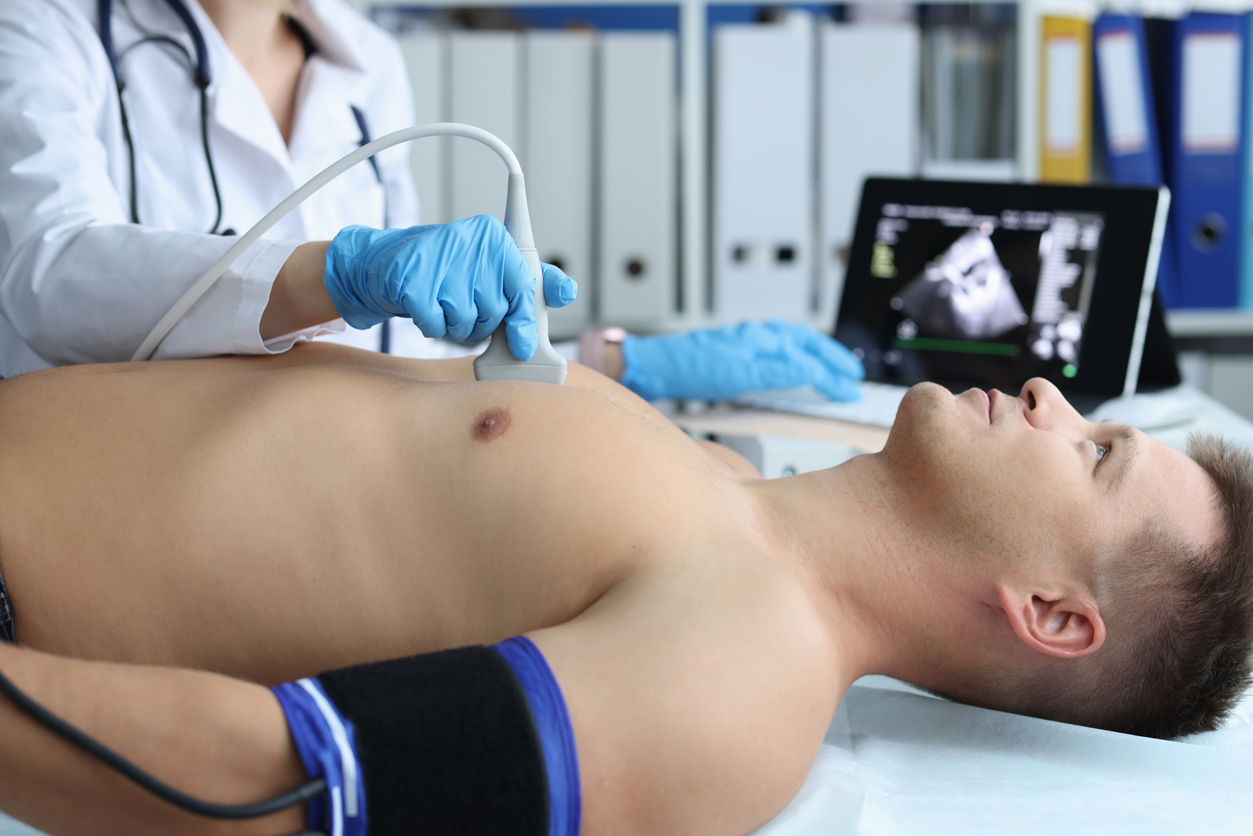
The image shows a man during an echocardiogram to show who is a candidate for echocardiography.

Who Is a Candidate for Echocardiography?

An echocardiogram is a vital medical test. Often referred to as an “echo,” the test is essentially an ultrasound of your heart. Doctors use the test to look for issues with your heart. It tests how blood moves through the chambers and valves of your heart. Your primary care provider or cardiologist can order an echocardiogram if they are concerned about your heart health. If you have any concerns about your cardiovascular health, you should reach out to your doctor. In the meantime, this guide will explain who is a candidate for echocardiography and if you fall into this category.

Who Is a Candidate for Echocardiography?

There are several reasons someone may need an echocardiogram. The text examines your heart and can determine abnormalities. Consider the following reasons why someone may be a candidate for an echocardiogram.

Congenital Heart Disease

Some people are born with heart defects, which are characterized by problems with the formation of the heart. An echocardiogram is effective in assessing formation issues, such as a hole or an abnormal connection. Untreated heart defects can cause serious issues later on.

Heart Murmurs

Unusual sounds from your heart characterize a heart murmur. Doctors hear them when they use a stethoscope to listen to your heart. Murmurs occur when blood abnormally flows through your heart. An echocardiogram is used to see what is happening inside your heart.  

Heart Valve Issues

Your heart has four valves. The valves open and close to let blood flow in the right direction. Sometimes, valves may become too right or leak, which can cause health issues if left unaddressed. An echocardiogram provides your cardiology doctor with helpful information to treat the heart valve issue.

Blood Clots

Blood clots can form inside your heart. If left unaddressed, they can be highly dangerous and fatal. Echocardiography in Los Angeles is often used to determine if a patient has a blood clot. This is essential information for your doctor, as they can use it to treat the issue. 

Symptom Evaluation

Some patients have several symptoms that indicate heart issues. Common symptoms include chest pain, dizziness, shortness of breath, and a fast or slow heartbeat. An echocardiogram is beneficial, as your doctor can see if the symptoms are associated with your heart. From there, they can diagnose and treat the issue much more easily.

Echocardiogram Testing

An echocardiogram typically takes roughly 30-60 minutes from start to finish. You will be on a special bed in a hospital gown, so the equipment can easily be placed on your chest area. The technician will then apply gel to your chest so they can produce a more clear image. A special tool called a transducer is used to take the echocardiogram. The technician will move the transducer around your chest to get as many quality images as possible. Once the technician has taken all of the information they need, the test is over. From there, the doctor will examine your results and get back to you regarding what they found.

Echocardiography in Los Angeles

If you are at high risk for developing heart conditions, it is crucial to work with a skilled cardiologist. They can assess your risk for certain conditions and provide you with important information about how to care for your health. If you are not high-risk but have concerns about your health, consult with a medical professional right away. The team at Apex Cardiology is skilled in cardiology and has provided countless echocardiograms. Contact their team today to schedule an appointment! 

featured image for what does a doppler hear test feel like

What Does a Doppler Heart Test Feel Like?

A Doppler heart test is a non-invasive medical test that creates images of your heart. The test is performed using a handheld device that transmits sound waves throughout your chest. This creates images of your heart that provide valuable information to your doctor. This includes your heart’s function, structure, and blood flow. The test is commonly used to monitor and diagnose heart-related conditions. If your doctor recommends the test, you may wonder, what does a Doppler heart test feel like? Below you will find more information about the test and what to expect.

What Does a Doppler Heart Test Feel Like?

A Doppler heart test is non-invasive and fast. You may wonder what to expect if your doctor recommends a Doppler heart test. In many cases the preparation is minimal. Your cardiology doctors will provide you with instructions on how to prepare. Most often, you will just need to avoid drinking or eating a few hours before the test. Once you are at the office, you will lie on a table so the sonographer can perform the test. The test involves you lying down on a table. The gel is applied to your chest as the transducer is used to create the images of your heart. In some cases, you may need to change positions or hold your breath. This ensures optimal image quality. Once the test is over you can resume your normal activities. 

Why Do I Need A Doppler Heart Test?

A Doppler heart test is an effective tool that your medical provider may recommend for a variety of reasons. Most of these reasons are either to diagnose or monitor a heart-related issue. Below are some of the common reasons why you may need a Doppler heart test.

Congenital Heart Disease: 

A Doppler heart test can evaluate congenital heart disease. This condition involves a defect in one or more of the heart structures during the formation of the fetus.

Heart Failure: 

Heart failure is a condition where the heart muscle becomes weak or stiff during heart relaxation. This results in inefficient blood plumping that can cause serious issues. This includes fluid buildup in the blood vessels and lungs, in addition to swelling in the feet, ankles, and other parts of the body.

Cardiomyopathy: 

A Doppler heart test is an effective tool to evaluate cardiomyopathy. This is a condition characterized by an enlargement of the heart due to thick or weak heart muscles.

Heart valve disease involves a malfunction in one or more of the heart valves. This can cause abnormalities in blood flow in your heart. A Doppler heart test can examine if heart valve disease has impacted your valves. This is common among those who have the condition, as the valves can narrow and restrict blood flow. The condition can also cause leaks, with blood flow moving backward.

Cardiac Tumor: 

A cardiac tumor can occur in any one of the chambers of your heart. It can also be present on the outside surface of your heart or within the muscles. If your medical provider thinks you may have a cardiac tumor, a Doppler heart test can be used to diagnose and monitor the issue.

Cardiology Specialists

Your heart health is critical to your overall health. Because of this, issues with your heart health need to be treated promptly and with care. Apex Cardiology has the top cardiologists who have the necessary skills and experience to address your heart-related issues. They understand how stressful heart health issues can be and are committed to ensuring your comfort and care. Contact their team today if you need care related to your heart health!

featured image for how often to have a stress test

How Often Should I Get a Stress Test?

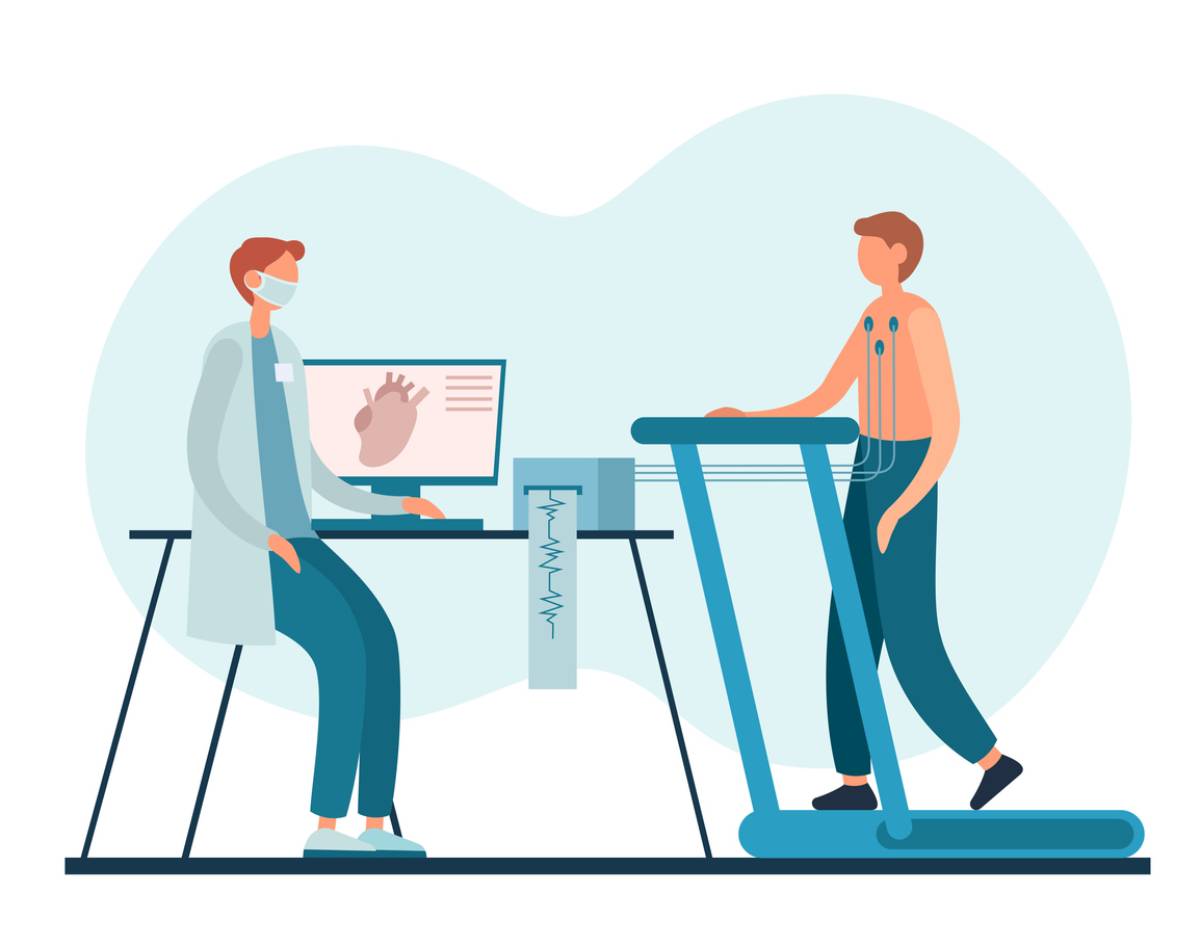
A stress test shows how your heart performs, including how well blood flows through your heart. The test is a diagnostic procedure that measures your heart during periods when it is forced to work harder than usual. Stress tests reveal a lot of information that can help your medical provider better understand your heart health. You may wonder, how often should I get a stress test? Below you will find helpful information about if and how often you should be tested.

How Often Should I Get a Stress Test?

In many cases, people do not ever need to get a stress test. However, if you do, it’s important to follow your cardiologist’s recommendations when it comes to your heart health. If you need to get tested, your doctor determines when and how often you should be retested. In many cases, a retest is not necessary. This is because a stress test is often performed to diagnose your heart-related symptoms. Once diagnosed, cardiology doctors use the information from the stress test to create a comprehensive treatment plan.

Reasons to Get a Stress Test

nuclear stress test is an effective tool used by cardiologists. It can reveal helpful information about your heart-related issues. Below are some of the reasons you may need a stress test.

Symptom Evaluation: 

A stress test is beneficial if you have symptoms of a heart-related issue. A doctor will recommend a stress test if this is the first time you have had symptoms. Additionally, if you were previously diagnosed with a heart-related issue and your symptoms have gotten worse, a stress test is a beneficial tool. Common symptoms that indicate the need for a stress test include chest pain, shortness of breath, dizziness, lightheadedness, fatigue, and heart palpitations. A stress test is valuable as it can reveal the heart issue and indicate if further testing is required.

Treatment Determination and Assessment: 

A stress test can assess your heart-related symptoms and help your doctor determine which treatment is right for you. Additionally, a stress test can be later used to determine if that treatment is working. A stress test can help manage your heart health, including diagnosing the issue and assessing the effectiveness of your current treatment. In some cases, patients with heart conditions have to stop certain activities. This is generally not permanent, but it is necessary until the heart issue is resolved. Because of this, a stress test can determine whether you can return to your normal activities.

Assessment Tool For High-Risk Patients: 

If you are high risk for cardiovascular disease, a stress test may be necessary to initially evaluate your heart function. Risk factors include patients with high blood pressure, high cholesterol, diabetes, obesity, smoking, lack of exercise, an unhealthy diet, excess alcohol consumption, or a family history of premature heart disease. Early intervention is key when it comes to managing your heart health. Those at a higher risk need to consult with medical professionals early and regularly to ensure optimal health.

The Importance of Heart Health

Your heart health is critical to your overall health. In fact, your heart is your body’s lifeline as it is responsible for distributing blood all throughout your body. A healthy and efficient heart ensures optimal cardiovascular and overall health. However, issues with your heart can impact your daily life and long-term health. If you have a family history of heart health issues or have any symptoms of heart problems, contact a medical professional right away. A cardiologist can help diagnose and treat your condition. They can also help you with preventative measures to ensure your heart stays healthy.