5 Things Every Patient Should Know Before a Breast Reduction

Those with large breasts often experience physical and emotional issues because of it. Overly large breasts can cause back pain, shoulder grooves, and skin irritation. They can also make it exceptionally difficult to find clothes that fit comfortably and look good. This can lead to issues with your self-confidence. In severe cases, women with overly large breasts may experience mental health issues and isolation. A breast reduction is a life-changing procedure that can address so many of the physical and emotional issues. Below are the top 5 things every patient should know before a breast reduction.

5 Things Every Patient Should Know Before a Breast Reduction

Breast procedures can have a major impact on one’s life. The physical and emotional changes can make life so much better. Before getting a breast reduction, consider the following points every patient should know.

1. The Procedure is Customized

A breast reduction does not take a one-size-fits-all approach. In fact, each surgery is tailored to the patient’s unique needs. This begins during the consultation. The surgeon will evaluate your body frame, including your height and shoulder width. Your breast shape and size are also measured. Lastly, the surgeon considers your lifestyle and activity level. From there, a treatment plan based on your unique needs is created. Your personal, functional, and aesthetic goals are also considered.

2. Many Patients Combine Procedures

The reality of a breast reduction is that it reduces breast size. However, a breast lift may be necessary to reshape the breasts and reposition the nipples. Once the tissue is removed, it does not always result in a round, youthful shape. A lift helps tighten the skin, improve firmness, and raise the breasts to a more natural position. Combining the procedures enhances your results. If you need a lift, the surgeon will include this in your customized treatment plan.

3. Scarring is Normal

Scarring is a natural part of the healing process. With that, scarring is also a part of the healing process after a reduction. The incisions are placed in areas that can be hidden under bras, swimsuits, and other clothing. While scars are visible at first, they can fade away with proper care. In some cases, they may no longer be visible. It is important to follow your surgeon’s instructions regarding aftercare. Keeping the incision site clean is critical. Additionally, proper skincare even after the initial recovery period helps reduce the appearance of scarring.

4. Be Patient During Recovery

The recovery process takes time. It is an important part of the process that cannot be rushed. Not taking time off to rest and fully recover can backfire. Not only can it impact your results, but it can also increase your risk for complications. The average recovery period takes roughly two weeks. Most people are back to their routine by this time. However, it is important to avoid heavy lifting and strenuous exercise until your surgeon clears you. This generally occurs around one month after surgery.

5. Life Changes After Surgery

Many people know that their breast reduction will provide relief when it comes to so many physical issues. Back pain, shoulder grooves, and skin irritation can make daily life miserable. A breast reduction will address these issues almost immediately. However, the procedure also comes with aesthetic and emotional benefits. Many women report a boost in self-confidence. They look and feel so much better due to the surgical results. Additionally, finding clothes that fit and look good is a major benefit. You can easily find bras that fit, swimsuits that look great, and tops that enhance your appearance.

Maintaining Your Results After Breast Reduction

A breast reduction from the top plastic surgery center can improve your life in so many ways. To ensure your results last, follow these steps after surgery.

Weight Management

Maintaining your weight is one of the most important factors. Significant weight fluctuations can impact the size of your breasts. Keeping your weight within the same range as before surgery ensures your results last.

Supportive Bras

A breast reduction can take a lot of pressure off your chest. However, it is still important to wear a supportive bra after surgery. This includes throughout the day and during exercise. Too much pressure from bouncing can impact your results. It can stretch the skin and chest tissues.

Leading Plastic Surgery Center

A breast reduction offers several benefits. If you are interested in the procedure, contact Dr. Brent’s team today to schedule your consultation!
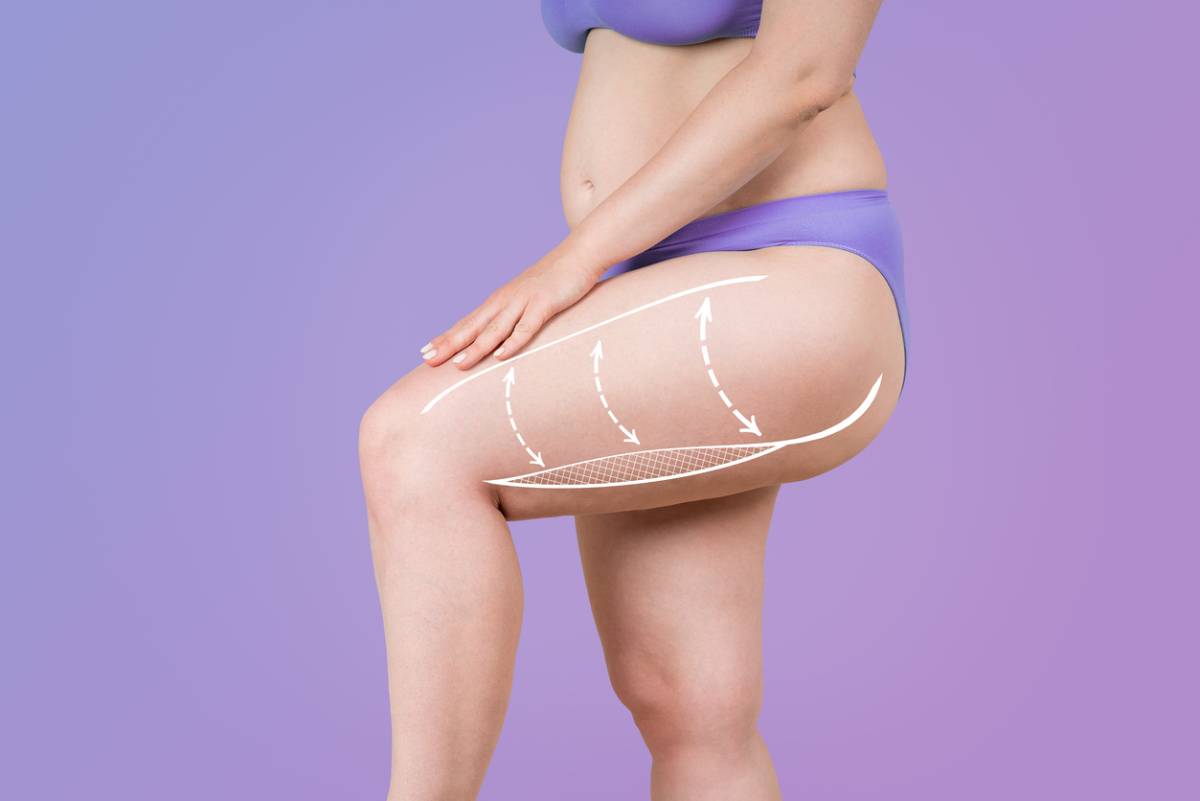

featured image for how long does a thigh lift last

How Long Does a Thigh Lift Last?

A thigh lift is a cosmetic procedure that removes excess skin and fat from the thighs. This creates a firmer and more toned appearance. This is a great procedure after weight loss or pregnancy. However, it is also beneficial if the signs of aging are visible on the thighs. A thigh lift is generally safe and effective and leaves you with legs that look amazing. You may wonder, how long does a thigh lift last? Below, you will find information about the procedure and why it is right for you.

How Long Does a Thigh Lift Last?

A thigh lift is designed to improve the shape of your thighs. It involves removing excess skin and fat from the thigh area. This results in a firmer thigh free from skin sagging and fat bulges. The results are long-lasting and are considered permanent. However, the surgery cannot stop the aging process. Natural aging can impact the thigh area. Additionally, poor lifestyle habits can impact the longevity of your results. The surgery is intended to be permanent, but it is important to maintain a healthy lifestyle.

Factors That Impact the Longevity of a Thigh Lift

A thigh lift is a great way to improve the look of your legs. Those who have experienced weight loss may have excess skin or fat on the thighs. A thigh lift is an effective plastic surgery procedure that can restore the youthful look of your legs. Below are the common factors that negatively impact the longevity of your results.

Weight

Maintaining your weight is essential to ensure your thigh lift results last. Gaining or losing a significant amount of weight after surgery can affect the shape of your thighs. It is important to be at your goal weight before surgery. After surgery, maintain that range so your results last.

Post-Surgery Recovery

After your surgery, your plastic surgeon will provide you with instructions on how to care for yourself. It is essential to follow their instructions as closely as possible. This may include wearing compression garments, avoiding strenuous activity, and keeping the incision area clean. You should also go to all of your follow-up appointments after surgery. Your surgeon will assess your recovery and make any necessary adjustments. Following these instructions is necessary for proper healing and long-lasting results.

Skin Elasticity

The natural aging process leads to a loss of collagen and elastin. These are necessary proteins that keep your skin firm. As early as your 20s, collagen and elastin production reduces. Each person is uniquely different, so some people experience age-related skin changes earlier on. Because of this, it can impact your results. A thigh lift is an effective surgery but it cannot stop the aging process.

Lifestyle Habits

Living a healthy lifestyle can positively impact the longevity of your results. This includes eating a healthy diet filled with nutrient-dense foods. This includes mostly whole foods. Reduce the amount of processed foods for optimal skin benefits. It is also important to keep yourself hydrated. In addition to a healthy diet, exercise is an integral part of your overall health. Aim to exercise at least 150 minutes each week for the best results.

Sun Exposure

Sun exposure can break down your skin. It is one of the most common causes of accelerated aging and can impact your thigh lift results. It is necessary to wear at least SPF 30 every day. While most people put it on their face, neck, and hands, it is necessary to apply it to your legs after a thigh lift.

Candidate for a Thigh Lift Procedure

The first step in moving forward with a thigh lift is scheduling a consultation with a skilled and experienced plastic surgeon. A thigh lift is a great option for those who have sagging skin, cellulite, or lumpy skin on their inner thighs. Those who have bleeding, discoloration, rashes, or chafing are also great candidates for a thigh lift.

Candidates for the procedure should be non-smokers and be in good overall health. If you do have any underlying conditions, such as diabetes, it needs to be well-managed. Patients should also be at their goal weight for a year. It is important to be at your goal weight with no plans to lose more after surgery. This can impact your results and require another surgery.

If you are cleared for surgery, the surgeon will provide you with pre-surgical instructions. It is important to follow these to ensure a smooth surgery. A thigh lift is performed on an outpatient basis, so you get to go home the same day. If you are interested in the procedure, contact Dr. Brent and his team today to schedule a consultation!

Featured image for What Is the Difference Between Cosmetic and Plastic Surgery

What Is the Difference Between Cosmetic and Plastic Surgery?

Nowadays, it is very common for people to consider body procedures to alter their appearance. Patients interested in these procedures may consider cosmetic or plastic surgery. Although they sound similar, they serve different purposes. This may lead you to the question, “What is the difference between cosmetic and plastic surgery?” Understanding their differences can help you make an informed decision about which procedure best suits your needs.


What Is Cosmetic Surgery?

Cosmetic surgery is elective, meaning it is not considered “medically necessary” and focuses entirely on improving how you look. Its primary goal is to enhance features and help boost your self-confidence. Some of the most commonly performed cosmetic surgery procedures are facelifts, liposuction, breast augmentations, and rhinoplasty. Many patients undergo cosmetic surgeries to smooth wrinkles, contour their bodies, or achieve an overall more balanced aesthetic. 


Understanding Plastic Surgery

Plastic surgery, on the other hand, is a large field that consists of both cosmetic and reconstructive procedures. Many plastic surgeons perform cosmetic procedures, but their training also includes reconstructive techniques. The reconstructive aspect of their training gives them the skills to restore skin form and function to patients who have experienced skin damage due to trauma or have a deformity. Reconstructive surgery is commonly employed to correct congenital anomalies or rebuild tissues after cancer treatments. For these patients, the goal is both to restore functionality and achieve a natural appearance.


Training and Expertise

Cosmetic and plastic surgeons both undergo extensive training, but the trainings have different focuses. Plastic surgeons complete rigorous residency programs during which they learn both cosmetic and reconstructive techniques, such as microsurgery and tissue transplantation. Many plastic surgeons later choose to perform cosmetic procedures as well. Other specialists, like dermatologists, sometimes also perform those treatments. 


Choosing the Right Surgeon for Your Needs

Whether you would benefit more from a cosmetic surgeon or a plastic surgeon depends on your personal goals and health needs. If your primary concern is to enhance your appearance, say you wish to reduce wrinkles or reshape your features, a cosmetic surgeon may suffice for your needs. That being said, if you need surgery to repair damage from an injury, congenital condition, or disease, a plastic surgeon’s reconstructive expertise is essential. In fact, many patients benefit from a surgeon skilled in both areas. Choosing a surgeon with skills in both areas ensures that your care is comprehensive, well-rounded, and can effectively address both aesthetic and functional concerns.

Additionally, it is crucial to choose a surgeon with significant documented experience in your selected procedure. Check their credentials prior to choosing them as your surgeon and complete research to ensure they have a successful track record of past surgeries. Ask detailed questions during your consultation, and review “before and after” photos before making your decision.


Cost, Risks, and Recovery

Costs

Cosmetic procedures are elective and, therefore, not usually covered by insurance. This quality makes them a significant financial investment. Reconstructive plastic surgeries, on the other hand, are more likely to be considered medically necessary and are covered by insurance in those cases. Be sure to review your options for funding your surgery with your insurance provider and your surgeon beforehand.

Risks

Any surgery or procedure comes with risks. Your surgeon should thoroughly educate you on the risks and benefits of the treatment you are considering before proceeding. You should ask questions freely during your consultation and take steps to ensure you are fully informed about what the procedure will entail with that specific surgeon. For your safety and peace of mind, choose a qualified surgeon whom you trust.

Recovery

Recovery times from cosmetic and plastic surgeries will depend on the specific procedure you undergo. You should be able to return to your regular routine fairly quickly after minimally invasive cosmetic treatment. More extensive reconstructive surgeries, however, can require a longer recovery period with follow-up care. 


The Broader Impact on Quality of Life

Cosmetic or plastic surgery can make a noticeable positive impact on your quality of life. Cosmetic enhancements can boost your self-esteem and help you feel more confident in social and professional settings. Reconstructive procedures can restore a natural-looking appearance while also addressing function. Both classes of procedures can dramatically upgrade your daily life. 

Choosing the right surgical type depends on your personal needs, goals, and medical history. By consulting with a board-certified surgeon and having an open discussion about your expectations, you can make an informed decision about whether you would benefit more from cosmetic or plastic surgery. Call today to schedule an appointment.