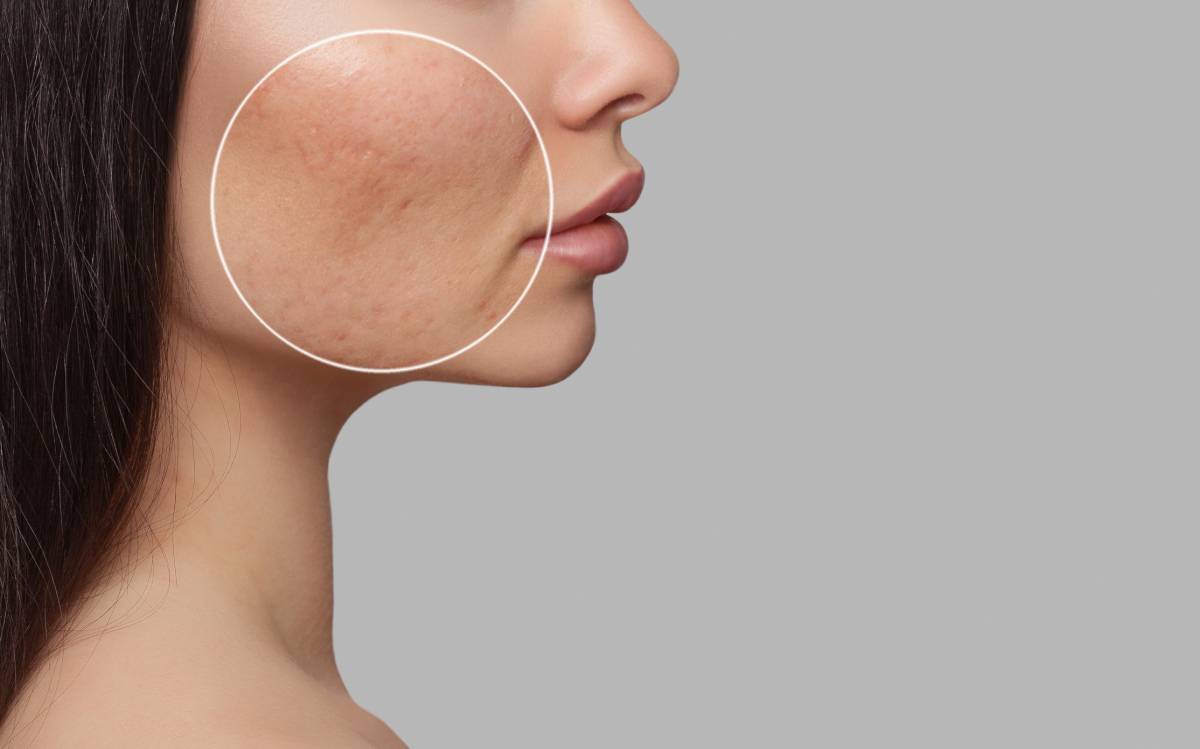
How Does Laser Acne Scar Removal Work?
It’s very common for people to have struggled with acne in their youth. Unfortunately, acne scars can leave marks on the skin, and these marks can last long after the breakouts have healed. The good news is that, with advancements in dermatology, these marks can now be reduced through laser treatments. But how does laser acne scar removal work? A cosmetic dermatologist can walk you through the process, explain how it helps your skin heal, and the results you can expect.
How Does Laser Acne Scar Removal Work?
Before examining how this procedure works, it is beneficial to first understand what acne scars are. When inflamed blemishes damage the skin tissue beneath the surface, acne scars are formed. As the skin tries to repair itself, it may produce too much or too little collagen. This leads to uneven texture or depressions, or raised and thickened scars called hypertrophic scars.
While dark spots or redness may fade over time, acne scars can affect the skin’s structure. This is why topical creams and home remedies are generally ineffective for this problem.
Laser Acne Scar Removal
To encourage the growth of new and smoother skin, the cosmetic dermatologist uses focused beams of light to target damaged skin layers. These lasers either remove the top layers of scarred skin or stimulate collagen production beneath the surface.
The cosmetic dermatologist will assess the severity of the patient’s scars, skin tone, and the skin’s healing capacity, then customize the laser treatment accordingly. The goal is not only to improve texture but also to even out the pigmentation and restore a more youthful and healthy glow.
Types of Lasers Used
It is important to note that there is no one-size-fits-all laser treatment. Specific types of acne scars usually require different technologies.
Fractional CO₂ Laser
Considered one of the most powerful lasers for treating acne scars, it creates microscopic columns in the skin, removing tiny sections of tissue. At the same time, surrounding areas are left intact for faster healing. Collagen production increases while the skin heals itself, filling in pitted scars and improving skin texture.
Erbium: YAG Laser
This is best for superficial scars. Compared to CO₂ lasers, it causes less redness and requires less downtime. It gently removes the top layer of the skin and stimulates the remodeling of collagen beneath.
Fractional Non-Abrasive Lasers
Without removing skin layers, this type of laser penetrates deeper into the skin to trigger natural healing and collagen regeneration from within. Patients looking for milder treatments and minimal recovery time should consider this option.
Pulse-Dye Laser (PDL)
Often used for red or raised scars, PDL targets blood vessels under the skin. The results are reduced discoloration and a smoother skin surface.
What Happens During the Procedure
The cosmetic dermatologist cleans the skin. To minimize discomfort, a topical anesthetic may be applied. During treatment, patients may experience bursts of heat or mild stinging sensations as the laser passes over the skin. Depending on the treatment area and the type of laser used, the treatment typically takes 30 minutes to an hour.
After the treatment, the skin may appear red, swollen, and feel sensitive, but these side effects usually subside within a few days.
Healing and Results
The results of laser acne scar removal are not instantly visible. The skin heals and regenerates new collagen over the next few weeks. Gradual improvements in texture, tone, and firmness will be observed during this time of healing and regeneration. To achieve optimal results, many patients need multiple sessions spaced several weeks apart.
When combined with proper skincare and sun protection, certain laser treatments can yield long-lasting results.
Heal Your Skin and Boost Your Confidence
Laser acne scar removal is a true game-changer, not only healing your skin but also boosting your self-confidence. However, although they are safe and effective, they are not always suitable for everybody. Patients with very dark skin tones, active acne, or those with certain medical conditions may need to seek an alternative solution. This is where a consultation with a qualified cosmetic dermatologist is essential. They are the ones who can assess your skin, explain realistic outcomes, and design a treatment plan tailored specifically to your unique needs.
If you cannot wait to face the world with smoother, more radiant skin, book a consultation with us today.