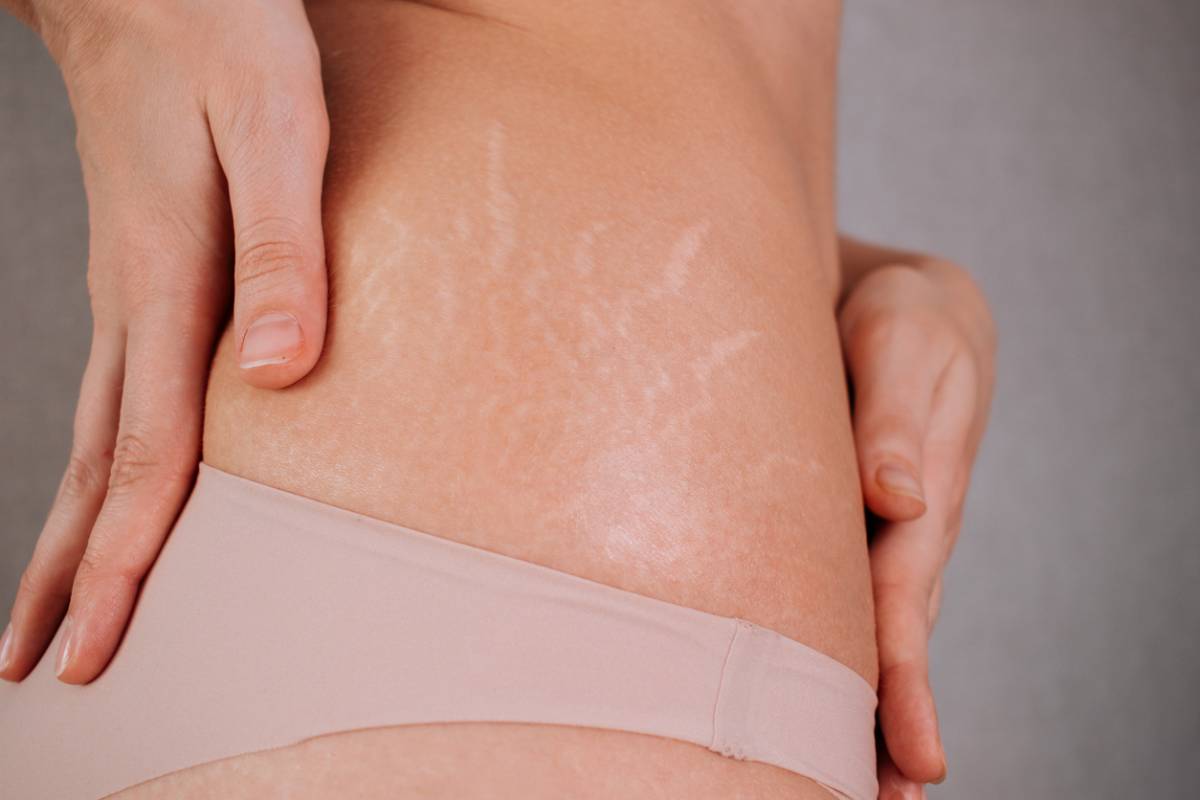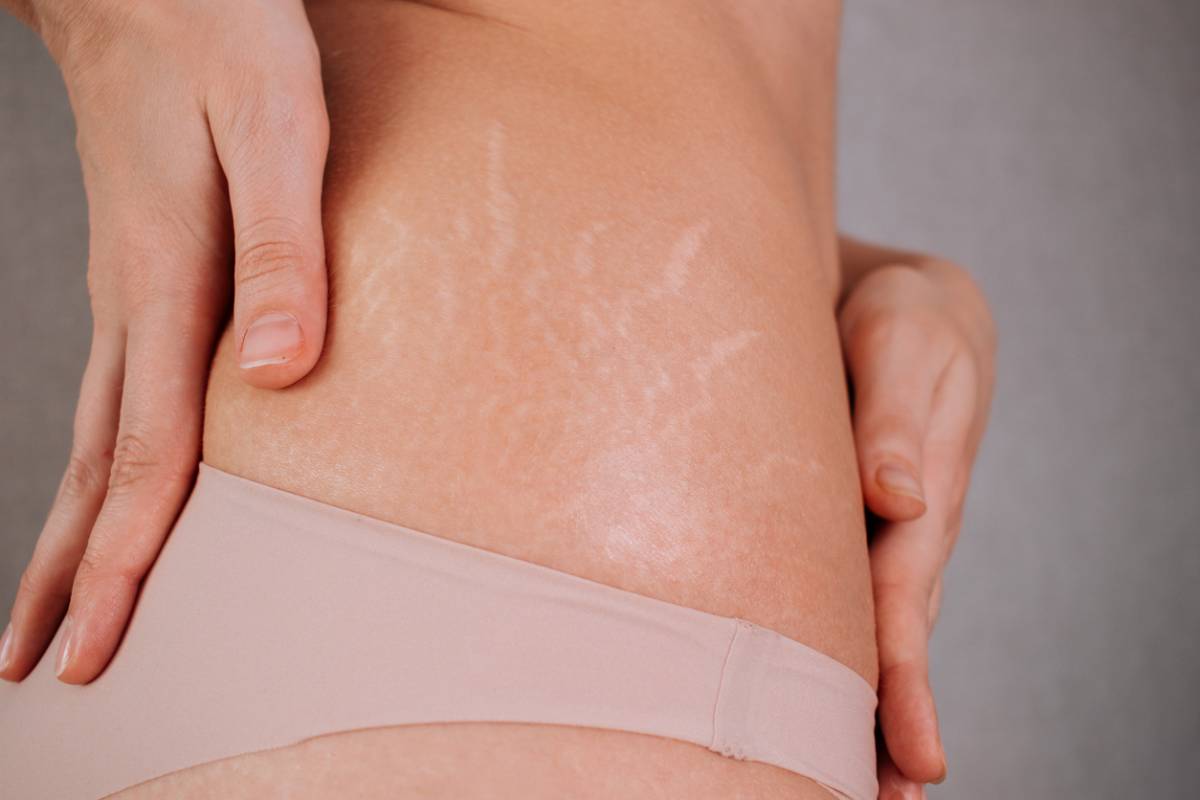
Woman touching her stretch marks.

Surprising Causes of Stretch Marks

Stretch marks, or thin, wavy lines on the skin, are a common part of life for many people. For those whose profession requires a near-perfect physical appearance, stretch marks can be annoying and frustrating. They show up on the stomach, thighs, hips, breasts, or arms. A cosmetic dermatology expert can assure you that they pose no health risk. However, they can affect one’s self-confidence, whether one is a celebrity or a normal person living an ordinary life. Most people associate them with pregnancy or sudden weight gain, but what most people are not aware of is that there are many other causes why they appear. Uncovering these surprising causes of stretch marks will help you understand what really goes on beneath the skin.

Surprising Causes of Stretch Marks

Rapid Muscle Growth

Many people don’t know that men can get stretch marks, too. Men get them too, especially those who engage in intense workouts. This is because when muscles grow too quickly, the skin does not have enough time to stretch and adapt to the change. Common among bodybuilders and athletes who experience rapid muscle growth in the shoulders, arms, and thighs, the collagen and elastin fibers in the skin can tear slightly, resulting in visible lines.

To help prevent stretch marks, slow and steady muscle gain is recommended, along with regular moisturizing.

Corticosteroid Use

Doctors usually prescribe topical or oral corticosteroids to patients with conditions such as eczema, allergies, or arthritis. When patients use them long-term or at high doses, their skin can become thinner and lose its natural ability to stretch.

Corticosteroid use can suppress collagen production. This makes the skin more prone to tearing when stretched, leading to marks in areas such as the underarms, abdomen, or thighs.

To help prevent stretch marks, always follow your doctor’s guidance and do not use steroid creams for longer than prescribed.

Puberty Growth Spurts

Some people may be surprised, but stretch marks are also common in teenagers. During puberty, the body experiences rapid growth spurts as hormones surge, and bones, muscles, and fat layers expand.

Stretch marks in adolescent boys may appear on their shoulders and back, while in girls they appear on their hips, thighs, or breasts. However, since the skin is young, the marks usually fade over time as the skin matures.

Hormonal Changes

Hormones play a significant role in skin health. During times when hormone levels change, such as puberty, pregnancy, and menopause, the skin fibers can weaken and become less elastic. This may also occur in people with conditions such as Cushing’s Syndrome. Additionally, elevated levels of cortisone can make the skin more fragile. When elasticity decreases, even minor stretching may result in stretch marks.

Rapid Weight Loss

Just as marks can result from rapid weight gain, so can they result from rapid weight loss. When the body sheds weight rapidly, the skin does not get enough time to shrink back and adjust.

To help prevent stretch marks, lose weight steadily and gradually. Make sure you are well hydrated and get balanced nutrition. Gentle exfoliation may also help your skin recover quickly.

Genetic Factors

Look at your parents’ skin. Do they have stretch marks? If they do, there is a big chance you might get them too. Your genes influence your skin’s structure, thickness, and elasticity. Some people may naturally produce less collagen and have more delicate skin. This makes them more prone to having stretch marks.

You cannot do anything about your genes, but you can take preventive measures. You may use moisturizing creams rich in vitamin E, hyaluronic acid, or cocoa butter to support your skin and make it more resilient.

Certain Medical Conditions

Some medical conditions may trigger the appearance of stretch marks. Cushing’s Syndrome, Marfan Syndrome, and Ehlers-Danlos, for instance, affect the body’s hormone levels. This results in the weakening of the skin’s ability to stretch.

In patients with these conditions, stretch marks typically appear in unusual areas, such as the lower back, chest, or upper arms. They may also look wider or darker than the usual stretch marks.

For early evaluation, consult a dermatologist or endocrinologist if you suspect an underlying health issue.

Prevention

It isn’t easy to completely prevent stretch marks, as there are many reasons they appear. Some of these reasons are beyond your control. But there are practical things you can do to help your skin. Drinking plenty of water, maintaining a balanced diet rich in vitamin E, zinc, and omega-3 fatty acids, and moisturizing daily can help you maintain healthy and beautiful skin.

Renew Your Skin Without Surgery

If you have stretch marks, there is still hope. You can get rid of them without undergoing surgery. Epione’s non-surgical stretch mark removal has fewer possible contraindications than surgical procedures. That is why this option is available to almost everyone. If you are bothered by your stretch marks and would like to know more about this non-surgical stretch mark removal, and if it is a good option for you,
book a consultation with us today.
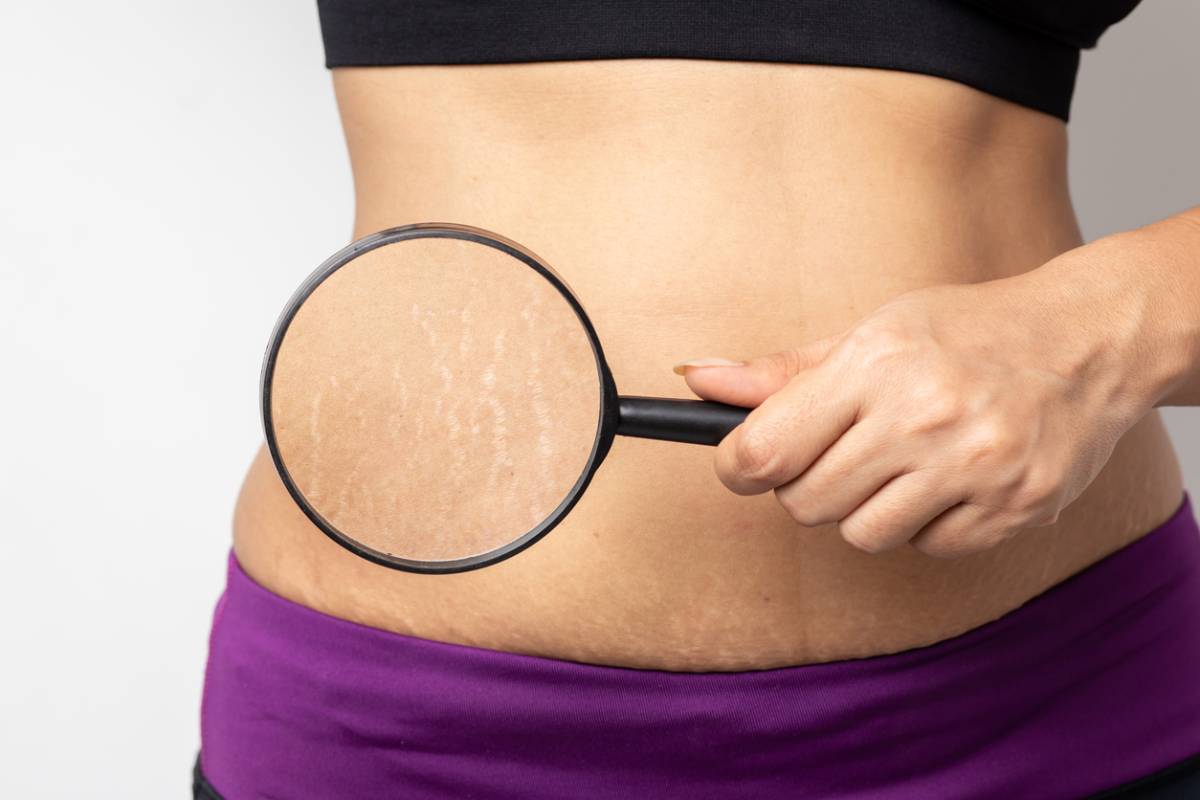
Featured image for What Causes Stretch Marks?

What Causes Stretch Marks?

One of the most common questions we hear from patients considering aesthetic treatments for their skin is: What causes stretch marks? These narrow, streak-like scars can appear almost out of nowhere, all across your body, including the hips, thighs, arms, stomach, and more. While stretch marks are harmless, their appearance can have a significant impact on how we feel about our skin.

Thankfully, understanding what causes stretch marks is the first step toward prevention, management, and, eventually, treatment. Regardless of whether you want to minimize existing marks you already have or want to avoid new ones, a closer look at how they present (and why) can make all the difference. That being said, let’s dive right in. 


What Causes Stretch Marks?

Stretch marks, technically known as striae, are marks that appear when the skin is stretched too suddenly and rapidly for the elastic fibers within to keep up. This sudden strain leads to tearing in the dermis, the deeper layer of skin, which then becomes visible on the surface. 

Common causes of stretch marks include pregnancy, rapid weight gain or loss, puberty, growth spurts, and muscle development. Even hormonal changes and certain medications can also cause them. Essentially, just about anything that causes the skin to stretch beyond its limits in a short period can result in these kinds of streaks. 


Who Is Most Likely to Get Stretch Marks?

Although anyone can develop stretch marks, some individuals are more susceptible than others due to a combination of genetic factors, hormonal levels, or lifestyle choices.

For instance, if your parents or siblings have stretch marks, there’s a higher chance you will experience them as well. Or, for those individuals with elevated levels of cortisol (a hormone released by the adrenal glands), their skin may be less elastic, making it more susceptible to damage during rapid stretching phases. 


Key Life Stages That Often Trigger Stretch Marks

Let’s look at just a few of the scenarios where stretch marks commonly appear:

  • Pregnancy: Perhaps the most well-known cause of stretch marks, pregnancy rapidly stretches the skin, especially across the abdomen, breasts, and thighs.
  • Adolescence: Teenagers going through puberty often experience fast growth spurts that trigger marks on the back, legs, or arms.
  • Rapid muscle gain: Bodybuilders and athletes may develop stretch marks around their shoulders, chest, and biceps as they rapidly build muscle mass.
  • Weight fluctuations: Rapid weight gain or loss can overstress the skin, leading to the formation of stretch marks.

The fact is, even with proper hydration, moisturization, and care, some degree of stretch mark formation may still occur, depending on your skin elasticity. 


What Can You Do For Stretch Marks?

While not always preventable, you can reduce your risk of developing stretch marks with a few proactive steps. Consistent skin care that includes hydrating ingredients like hyaluronic acid, shea butter, or vitamin E can help improve skin elasticity and overall appearance. Staying hydrated, maintaining a healthy weight, and making slow, steady changes to your body composition also go a long way.

However, it’s worth noting that no topical product can guarantee total prevention. If you’re in a life phase that comes with rapid physical changes, monitoring your skin and acting early is more important than any kind of product you own.


Are Stretch Marks Permanent?

Stretch marks often start out red, purple, or dark brown, depending on the individual’s skin tone, and may feel slightly raised or itchy. Over time, they typically fade to a silvery or lighter hue and become less noticeable.

While the body naturally works to heal these marks, they rarely disappear completely without treatment. Fortunately, modern, minimally invasive options are available to reduce their appearance.

Today’s advanced aesthetic technology, often administered by a skilled cosmetic dermatologist, can help improve skin texture, tone, and elasticity to significantly fade stretch marks and restore smoother, clearer skin.


What Are the Options for Treating Stretch Marks?

There is no one-size-fits-all solution, but the good news is that there are highly effective strategies for reducing the appearance of stretch marks. Treatments often depend on the age, severity, and location of the stretch marks, as well as your skin type and goals.

Laser therapy, in particular, has become a gold standard for targeting stretch marks. It works by stimulating collagen production and encouraging skin remodeling in the affected areas. Other treatments include microneedling, radiofrequency therapy, or platelet-rich plasma (PRP) to accelerate healing and improve results.

Working with a qualified specialist ensures a personalized treatment plan that’s safe and designed to deliver visible results without extended downtime.


Get Expert Help for Stretch Mark Concerns

Whether your stretch marks are recent or long-standing, the right care can help you regain confidence in your skin. Contact Epione Beverly Hills today to schedule a consultation with a leading cosmetic dermatologist and explore your options for effective stretch mark removal.

Line art illustration of a plus size woman with stretch marks on legs and her belly as the featured image for Can Stretch Marks Be Prevented

Can Stretch Marks Be Prevented?

Stretch marks are an unfortunate physical trait that can be an eyesore for those who have them. Getting rid of them can be somewhat aggravating, as they tend to arise suddenly or after events out of a patient’s control. However, there are steps an individual can take to stop stretch marks from forming in the first place. These preventative measures can save a patient a large amount of time and money in the long run. If you have stretch marks or are worried that you may be vulnerable to developing them, this guide describes how stretch marks can be prevented.

What are Stretch Marks?

Stretch marks, also known as striae, are indented streaks that appear on various parts of the body when the skin is stretched beyond its comfort zone.

Stretch marks are not of medical concern but can be aesthetically bothersome. Often, stretch marks fade naturally over time. However, some stretch marks tend to linger and require professional intervention to resolve. Long-lasting stretch marks have the potential to worsen one’s well-being by diminishing self-esteem and one’s self-image. Therefore, if a person has the ability and resources to get rid of their stretch marks, they will likely see the payoff in the long run.

What are the Symptoms of Stretch Marks?

Stretch marks can appear in many different forms. That said, there are many easy-to-identify signs of stretch marks, such as:

  • Itchiness
  • Irritation
  • Discoloration on the skin
  • Sunken lines under the skin
  • Glossy-looking skin

Of course, stretch marks will appear and function differently for each person, and it never hurts to have an expert assess your stretch marks to determine their severity.

Risk Factors for Stretch Marks

Several factors can increase the likelihood that an individual develops stretch marks. Being aware of these factors can help you prepare for and take more active steps to treat stretch marks. Qualities that increase the chance of one developing stretch marks are:

  • Being overweight
  • Being pregnant
  • Using corticosteroids
  • Undergoing breast augmentation
  • Having certain genetic disorders
  • Having a family history of stretch marks

Can Stretch Marks Be Prevented?

Luckily, stretch marks can be prevented. There are several methods for preventing stretch marks, and finding out which ones best suit your routine can help provide a sense of security that you will be able to prevent their development. Those interested in preventing stretch marks should consider adhering to the following:

  • Drink enough water: Hydration is one of the best lines of defense for the body in general and can help prevent the development of stretch marks.
  • Eat plenty of Vitamin C: Vitamin C is one of the best compounds for skin health and is doubly useful for preventing stretch marks. Including a healthy amount in your diet can help you prevent the development of stretch marks.
  • Control your weight: Dramatic weight loss or gain is one of the most common causes of stretch marks. Making more modest and gradual weight gains can help prevent the development of stretch marks.
  • Eat plenty of nutrients: Eating a well-balanced diet high in nutrients can maintain the presence of collagen and elastin fibers in your skin, making it less susceptible to stretch marks.
  • Keep track of when they appear: It is easier to treat stretch marks that have recently appeared than those that have been left to linger. Making an appointment with a dermatologist sooner rather than later can help you resolve this issue before it becomes too severe.
  • Get plenty of sun: Vitamin D is another compound essential for skin health. Fortunately, the sun is a plentiful source of Vitamin D. Getting some healthy sun on the parts of your skin that you often cover can help prevent the development of stretch marks. If you are sensitive to the sun, consider taking a vitamin D supplement.

Your Cosmetic Resource in Beverly Hills

Epione Plastic Surgery offers a full suite of resources to aid patients in fading their stretch marks or preventing their development. If you would like to discuss stretch marks with a cosmetic dermatologist in Beverly Hills, contact our office today to schedule a consultation.

featured image for can hormones cause stretch marks

Can Hormones Cause Stretch Marks?

Stretch marks aren’t a medical concern, but they are something that most people find to be aesthetically unpleasant. Following this, many individuals choose to remove these marks surgically in order to restore their appearance to something that they’re happy with. So can hormones cause stretch marks?

There are many different plausible causes for stretch marks, and determining the source of your own might help you to treat your own. One of the more common sources for the formation of stretch marks is the production of the stress hormone cortisol.

Can Hormones Cause Stretch Marks?

If you’re suffering from stretch marks, take a look at this guide that describes some of the elements surrounding this procedure in cosmetic dermatology. 

What Are Stretch Marks?

Stretch marks, or striae, are indented streaks that appear on the abdomen, breasts, and other areas of the body. There is the potential for these marks to appear almost anywhere on the body, and they are oftentimes the result of the skin being stretched past its point of comfort, which creates an abnormal appearance.

Overall, stretch marks aren’t painful or medically concerning but appear in a way that most people don’t like. Fortunately, many stretch marks don’t require treatment and will fade over time. On the other hand, many will never disappear completely without some type of treatment.

Severe stretch marks can impact one’s self-esteem and emotional health, so if you’re suffering from these side effects, it doesn’t hurt to investigate your treatment options so that you can restore your appearance and stop worrying about these elements. It likely will end up saving you a large amount of stress in the long run.

Symptoms of Stretch Marks

Stretch marks can appear in many different ways. They often depend on the contributing factors that have led to the development of the marks. Some of the more common appearances that stretch marks can take include the following:

· Bright streaks that fade away

· Streaks that cover large sections of the body

· Streaks of the following colors: pink, red, discolored, blue, black or purple

· Indented streaks or lines on the abdomen, hips, breasts, buttocks, or many other places on the body

The symptoms of stretch marks can vary wildly from patient to patient. In rare cases, stretch marks can cover wide parts of the body, mostly as a reaction to corticosteroid medications and rare conditions such as Cushing syndrome.

Although stretch marks aren’t medically concerning, you should look into medically treating your stretch marks if they cause you sufficient mental or emotional distress. Consulting with your physician should be able to help you create a treatment plan and identify your best path forward.

Causes of Stretch Marks

At its root, the primary cause of stretch marks is the stretching of the skin. How severe they are depends on several different factors, including your genetics, the degree of stress on your body and skin, as well as the presence of various hormones such as cortisol.

Cortisol is a stress hormone that is produced by the adrenal glands in situations of stress or heightened activity. This stress hormone has the potential to negatively impact many elements of the skin, including its elasticity.

Fortunately, many stretch marks will naturally fade over time, meaning that many individuals won’t have to resort to more serious treatments to deal with their own problems. However, there are many different treatment options available for those who wish to deal with their own medicine.

Risk Factors for Stretch Marks

Stretch marks can develop on anyone’s skin, but there are certain risk factors that can make their appearance more likely. Some of the more common risk factors that lead to the development of stretch marks include:

· The use of corticosteroids

· Exercise and the use of anabolic steroids

· Genetic disorders such as Cushing syndrome or Marfan syndrome

· Receiving breast enlargement surgery

· Rapidly weight gain or loss

· Rapid growth in adolescence or childhood

· Pregnancy, with special levels of risk occurring during the third trimester.

· Being prone to developing stretch marks in your personal or family history

You can discuss with your physician which risk factors might have a part to play in the development of your own stretch marks. This can help the two of you develop a plan to treat your own effectively.

Your Trusted Resource for Cosmetic Dermatology

Epione Beverly Hills is one of the best resources you have for your various needs for cosmetic surgery. If you have visible stretch marks that you would like to have removed, take a look at our website and contact us to schedule an appointment to discuss your non-surgical stretch mark removal.