How to Lower Your Risk of Arterial and Venous Ulcers
Arterial and venous ulcers affect millions of people every year, causing pain, mobility complications, and serious health difficulties when left untreated. Many seek help from a vascular treatment center only after ulcers have already developed. While you should definitely seek medical care when these types of ulcers present themselves, prevention is a far more effective approach than treatment after the fact. Consulting an ulcer and wound care specialist can help you determine your risk factors and intervene before wounds appear. You can significantly reduce your risk of developing arterial and venous ulcers by arming yourself with some knowledge and taking proactive steps to protect your vascular health.
What Are Arterial and Venous Ulcers?
Arterial and venous ulcers share many similarities, making identification tricky. Venous ulcers typically develop on the inner lower leg and are often shallow but large with irregular edges. Surrounding tissue may appear shiny, warm, or scaly. Wound care dressings are often necessary due to moderate to heavy discharge. Many patients report experiencing a dull, aching pain.
Arterial ulcers are caused by insufficient blood flow and most often occur on the foot, between or at the tips of the toes, at pressure points, and on the heels. They can vary in size and have well-defined edges. The wound appears “punched out” and is often yellow, brown, or black in color. These wounds are often deep, but when caught early on, they can appear shallow. In contrast to venous ulcers, arterial ulcers have minimal drainage. Patients also report that these ulcers are excruciating, and elevation can increase discomfort.
Etiology & Risk Factors
When leg nerves sustain damage, it can lead to leg ulcers. Venous ulcers are caused by inadequate blood flow, which can pool in an area of your body. This can damage the vein and cause leakage of blood cells and fluid. Edema, or swelling, is often present, leading to poor blood circulation in leg tissue and, over time, the formation of an ulcer as the tissue dies. Common risk factors of venous ulcers:
- Disorders involving blood clotting.
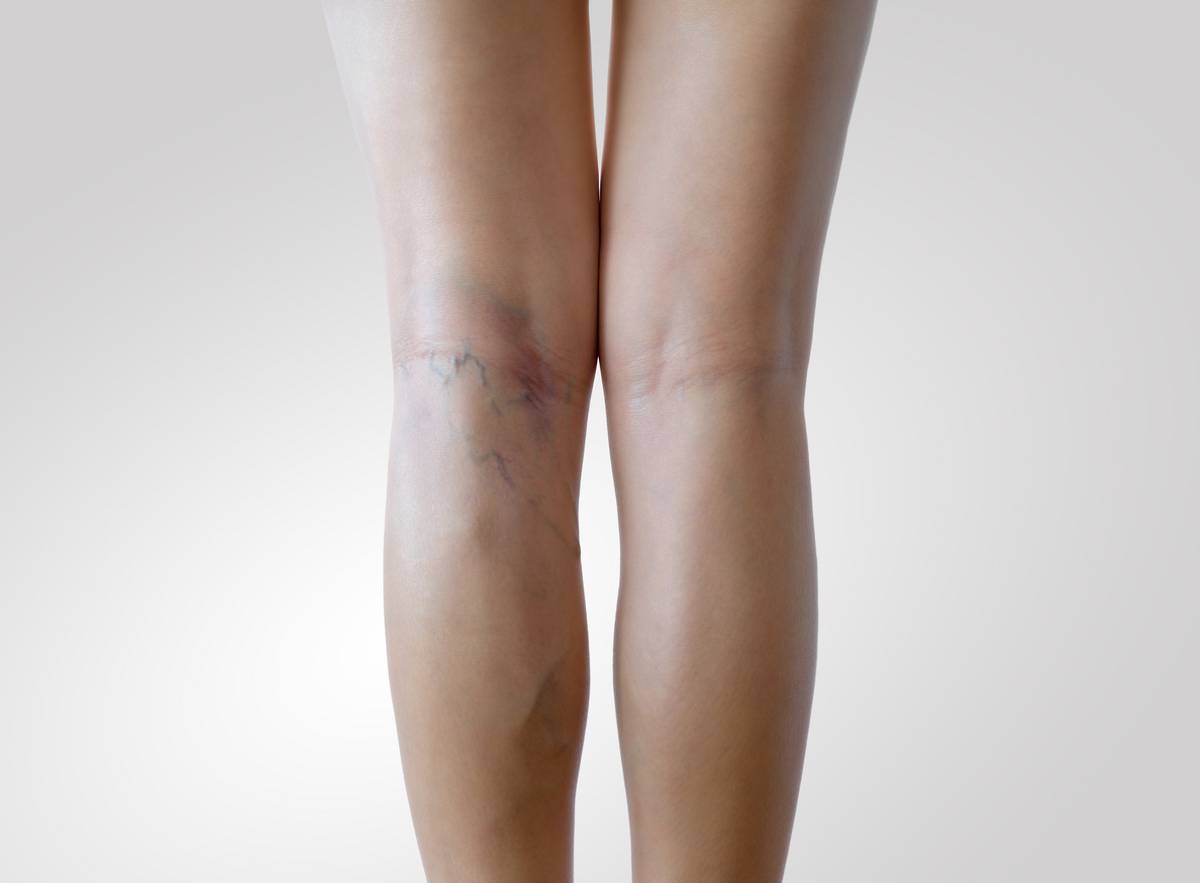
- Varicose veins
- Obesity
- Heart failure
- High blood pressure
- Deep vein thrombosis
- Injuries or trauma
- Pregnancy
Arterial ulcers develop when blood flow to your lower extremities is impaired. This is commonly caused by peripheral artery disease. Passages narrow, restricting oxygen-rich blood from reaching leg tissues as fatty plaque builds inside arterial walls. Without oxygen-rich blood properly circulating to your lower extremities, fluid is secreted that drains into the surrounding tissues, triggering skin breakdown. Common risk factors of arterial ulcers:
- Smoking
- Diabetes
- High cholesterol
- High blood pressure
- Age
- Vasculitis thickening of the arteries
- Kidney failure
Arterial and venous arteries may seem like they are the same, and in a lot of ways, they share great similarities. The difference lies in the direction of bloodflow. Arterial ulcers involve difficulties with blood delivery, while venous complications arise from issues with blood return.
Lowering Your Risk
Your greatest advantage in reducing your risk of developing both ulcer types is to be proactive with preventive measures. Attention to circulation and overall health is a good first step to achieving better outcomes. Regular exercise, such as walking, builds strength and supports healthy blood flow. Quitting tobacco use is beneficial to your health in every way, including protecting your arteries from damage that can restrict blood flow.
If you have conditions like diabetes, blood pressure issues, or high cholesterol levels, effective management will go a long way in reducing your risk and preventing leg ulcers. Keeping a healthy weight reduces strain on both arteries and veins. Always be mindful of prevention and daily inspection of high-risk areas to spot early warning signs.
Protect Your Vascular Health
Arterial and venous ulcers cause significant pain and complications, but in most cases, they are preventable with the right steps. You can protect your vascular health by staying active, managing any underlying conditions, maintaining a healthy weight, and quitting tobacco use. Taking small steps leads to reaching significant milestones when you are consistent and sets you up for the best possible prevention.