Tag uterine fibroids

What Vitamins Shrink Fibroids?

Fibroids are a common type of noncancerous tumor. In fact, they are the most common type of noncancerous tumors that impact women. The tumors can grow in and on the uterus. In many cases, they are not a cause for medical concern. Some women do not even experience symptoms. However, they can persist for many women. Irregular vaginal bleeding, heavy menstrual cycles, painful menstrual cycles, and abdominal bloating. These are just some of the symptoms many women experience. Many women are desperate to find solutions to their fibrous symptoms. So, what vitamins shrink fibroids?

What Vitamins Shrink Fibroids?

Fibroids can make daily life extremely difficult for many women. Seeking alternative treatment options is common. Treatment for the condition should be done in conjunction with a skilled fibroid specialist. One promising vitamin shown to shrink fibroids is vitamin D. Women with low vitamin D levels are at increased risk of fibroids. As a result, taking vitamin D has been shown to prevent fibroids from growing. It has also been shown to shrink small fibroids. While taking the vitamin has shown promising results, it is important to consult a fibroid specialist to determine the right treatment plan for you.

Lifestyle Habits and Managing Your Fibroids

Working with a fibroid specialist is the most effective way to ensure you get on the right treatment plan. A major part of your treatment plan includes lifestyle changes. This can dramatically improve your symptoms and overall quality of life.

Manage Your Weight

Weight management is a key component of managing your fibroids. Higher body fat is associated with higher estrogen levels. This can increase fibroid growth. Maintaining your weight is key, as it improves hormone balance. Even losing just 5-10% of your body weight can help.

Regular Exercise

Managing your weight is key, and regular exercise is an important part of that. This includes moderate-intensity low-impact exercise. Walking, yoga, Pilates, and lightweights are great options. Focus on at least 150 minutes of exercise each week. Strength training should be included at least twice per week due to its positive impact on managing your fibroids.

Healthy Sleep

Getting enough quality sleep is essential as it supports the body’s natural healing process. It also helps regulate your hormones. Consistency is key when it comes to sleep. This includes going to sleep and waking up at the same time every day. If the time varies, it should not exceed one hour. A calming nighttime routine can ensure quality sleep. Aim for seven to nine hours of sleep each night.

Nutrient-Dense Diet

Eating a balanced diet rich in nutrient-dense foods is important. It has been proven to help manage fibroids. This includes fruits, vegetables, healthy fats, lean protein, and whole grains. Foods high in fiber are excellent at regulating your digestion. This is important for balancing your hormones. Reduce processed foods and foods high in sugar. These can have a detrimental impact on your health by causing inflammation.

When to Seek Treatment for Fibroids

Seeking treatment for fibroids is important if your symptoms interfere with your daily life. Early intervention ensures an adequate treatment plan. This is essential for your mental and physical health. If you have heavy or prolonged periods, severe cramping, or bleeding in between cycles, consult with a fibroid specialist. They can assess your symptoms and determine the best course of action.

Leading Fibroid Specialist

Untreated fibroids can impact your daily life in so many ways. If you need treatment from a fibroid specialist, contact the team at ProFibroid MD today to schedule your appointment!

Female doctor smiling and shaking hands with her patient after a consultation in her office.

Why Some Fibroids Cause Pain While Others Don’t

Uterine fibroids are a common condition among women during their reproductive years. Fibroids are noncancerous growths. They can cause unwanted symptoms, including heavy periods, painful cycles, and frequent urination. They can also cause constipation, lower back pain, pain during intercourse, and pelvic pressure. Each person experiences fibroids differently. Below you will find more information on why some fibroids cause pain while others don’t.

Why Some Fibroids Cause Pain While Others Don’t

Some women with fibroids experience pain and discomfort. However, others do not experience the same symptoms. Understanding why some fibroids cause pain and others do not is important. It can help you recognize when to seek evaluation and treatment for the issue.

Pain-Free Fibroids

Not all fibroids are the same, as they can vary in size, number, and location within the uterus. Factors such as genetics, hormone levels, and individual sensitivity can also impact pain levels. This is why some people experience pain, and others do not.

Small fibroids that remain within the uterine wall are often painless. Patients who do not experience painful fibroids do not even know they have them. It is often only revealed during a routine exam. This is true even if they experience other symptoms. This is because they can only be detected with a pelvic exam or imaging.

Fibroids that Cause Pain

On the other hand, some women experience severe pain and discomfort. Pain and pressure are more likely when fibroids are large. They can also cause these symptoms if they are pressing on nearby nerves, tissues, or organs. Certain types of fibroids can press against the bladder, the pelvic wall, or the rectum. This leads to discomfort and pressure. Other types expand within the uterine wall. This increases muscle tension, leading to cramps and aches.

Fibroids can also outgrow their blood supply. The process, known as degeneration, triggers inflammation and pain. The pain can be sudden and sharp, which is extremely difficult to manage on a daily basis. Fibroids can also twist and cut off circulation to the area. This can lead to acute pain that is also difficult to manage without treatment.

When to Seek Medical Care

Fibroid symptoms can impact your overall quality of life. If this is the case, it is time to seek treatment from a fibroid specialist. Symptoms that indicate you need an evaluation include persistent or worsening pelvic pain. This is especially significant if it interferes with your daily activities. Work, school, and your social commitments should not be impacted by the pain or discomfort caused by fibroids. Other concerning symptoms include heavy or long menstrual cycles. When this leads to fatigue or anemia, prompt evaluation and treatment are necessary.

A skilled and experienced fibroid specialist can evaluate your symptoms. When you meet with the specialist, describe the symptoms you experience. Include when, how often, and how severe they are to provide a full picture of your condition. A customized treatment plan based on your unique symptoms will be created. This may include lifestyle modifications, medication, or minimally invasive procedures. More severe cases may require surgical intervention.

Getting treatment from a professional is the best way to manage your symptoms and your health. Ongoing care may be necessary due to the nature of fibroids. Stay consistent with your fibroid specialist to effectively manage the condition. This can dramatically improve your overall quality of life.

Top Fibroid Specialist

Fibroids can make daily life difficult due to the pain and other unwanted symptoms. If you need treatment, contact the team at ProFibroidMD today to schedule your appointment!
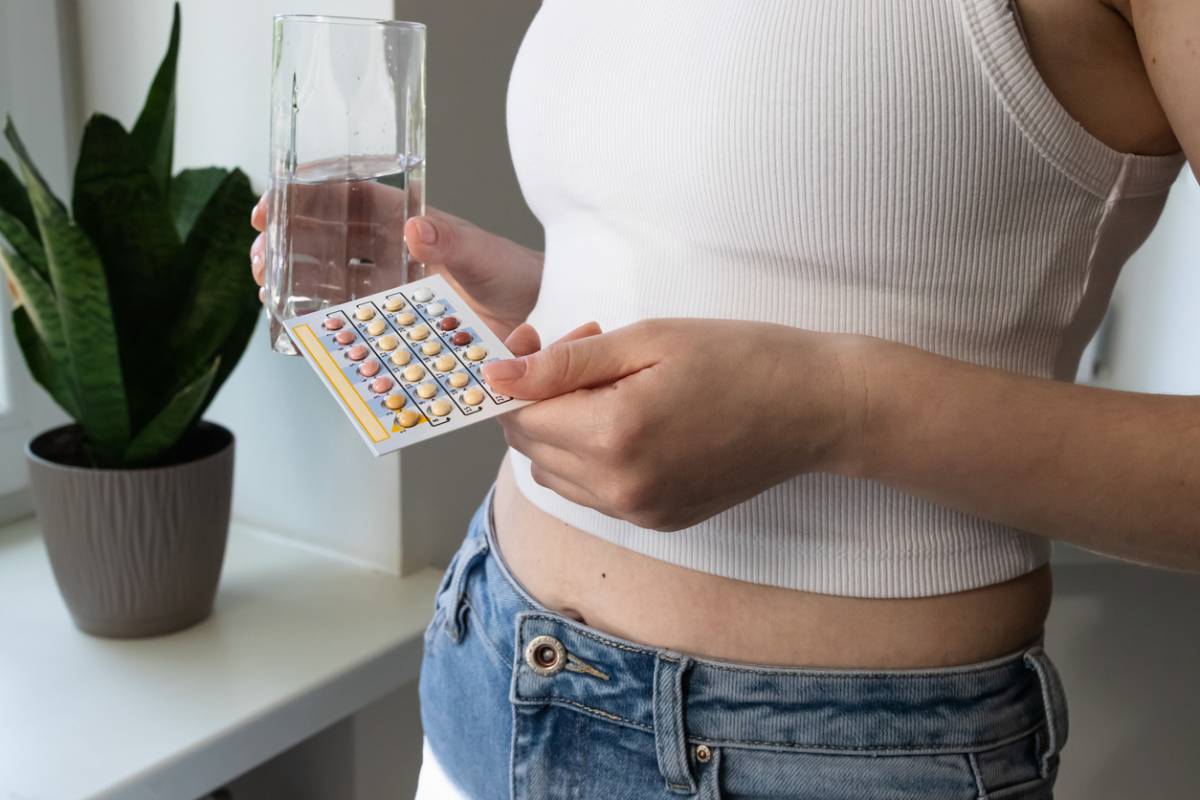
Woman taking oral contraceptive, holding birth control pills and glass of water.

Non-Surgical Fibroid Treatment Options

Uterine fibroids are extremely common, but many women are unaware of the range of effective treatments available—especially those that don’t involve surgery. For individuals seeking symptom relief without long recovery times or invasive procedures, non-surgical options can be a safe and highly effective alternative.

Below, we break down the most widely used non-surgical fibroid treatment options and what to expect from each.

Why Consider Non-Surgical Fibroid Treatment?

Uterine fibroids can cause heavy bleeding, frequent urination, and fertility challenges, among other symptoms. Although surgeries like myomectomy or hysterectomy are standard options, especially for more extreme symptoms, they are not the only options available.

Many patients today opt for non-surgical treatments because they:

  • Avoid general anesthesia
  • Require little to no downtime
  • Preserve the uterus
  • Offer relief from symptoms without incisions
  • Reduce the risks associated with major surgery

Uterine Fibroid Embolization (UFE)

Uterine Fibroid Embolization is one of the most effective non-surgical treatments and is recommended for individuals who want to avoid invasive procedures. This procedure cuts off the blood supply to fibroids, causing them to shrink over time, and is minimally invasive.

How UFE Works

During UFE, a specialist inserts a small catheter into the radial (wrist) or femoral (leg) artery and guides it to the uterine arteries. Tiny particles are released to block blood flow to the fibroids, leading them to shrink and die.

Benefits of UFE

  • Minimally invasive
  • Outpatient procedure
  • Preserves the uterus
  • Effective for multiple fibroids of varying sizes
  • Fast recovery (usually a few days)

Most patients experience an improvement in symptoms after a UFE, making it one of the most successful non-surgical options.

Medication-Based Treatments

Medications alone will not eliminate fibroids, but they are able to help manage symptoms or temporarily shrink fibroids in some instances. These treatments are often used for symptom reduction, short-term relief, or pre-surgical planning.

Hormonal Therapies

Hormonal medications work by adjusting estrogen and progesterone levels – two hormones that play a role in fibroid growth.
Common options include:

  • Gonadotropin-releasing hormone (GnRH) agonists: temporarily shrinks the size of fibroids by stimulating menopausal-like state that is reversible.
  • Progestin-releasing IUD: used to contro heavy menstrual bleeding and cramps, does not reduce fibroid size
  • Birth control pills or hormonal patches: regulates menstrual flow and reduce painful periods, does not reduce fibroid size

Non-Hormonal Medications

  • Tranexamic acid: Reduces heavy menstrual bleeding without altering hormone levels.
  • NSAIDs (e.g., ibuprofen): Pain medication for mild symptoms
  • Medication-based treatment is most useful for those with mild symptoms or those seeking temporary relief.

MRI-Guided Focused Ultrasound (MRgFUS)

MRI-guided focused ultrasound is a targeted non-invasive treatment that uses high-intensity ultrasound waves to heat and destroy fibroid tissue. This helps relieve heavy bleeding and pain.

Treatment Overview

  • Performed inside an MRI machine
  • Uses focused soundwaves to target fibroids precisely
  • No incisions or hospital stay
  • Suitable for certain fibroid types and sizes

Who Is a Good Candidate?

MRgFUS is typically recommended for individuals with a limited number of accessible fibroids who want a non-invasive option with a quick recovery. It may not be suitable for deep, large, or numerous fibroids.

Radiofrequency Ablation (Minimally Invasive, But Still Non-Surgical)

Radiofrequency ablation uses heat energy to shrink fibroids and is performed through a small needle-like device inserted through the abdomen or through the vagina (depending on the technique).

Advantages

  • Minimally invasive
  • Quick recovery
  • Preserves uterus
  • Can reduce fibroid volume significantly over time

Although it’s minimally invasive rather than completely non-invasive, many patients choose RFA as an alternative to traditional surgery.

Choosing the Right Non-Surgical Treatment

Selecting a treatment depends on several factors:

  • Symptoms (bleeding, pain, pressure, fertility issues)
  • Fibroid size, number, and location
  • Desire to preserve fertility
  • Personal health history
  • Recovery time preferences

A fibroid specialist can help determine which option is most effective based on your unique needs. In many cases, non-surgical options like UFE offer long-lasting relief with less downtime and fewer risks than traditional surgeries.

Knowing Your Options

Non-surgical fibroid treatments have helped countless people feel more comfortable, energized, and confident—without needing major surgery.

Schedule a consultation with ProFibroid MD to learn more about non-surgical fibroid treatment options and find the right care plan for your needs.

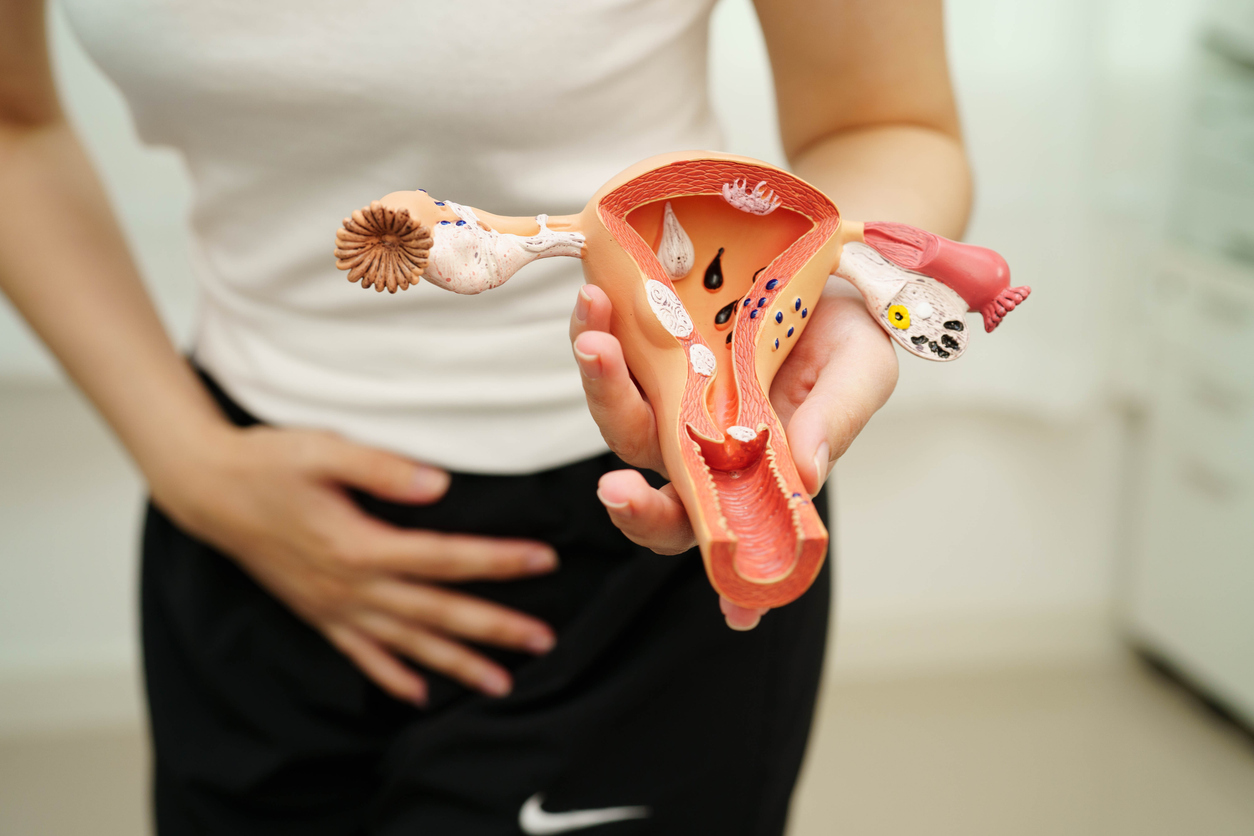
Woman holding human anatomy model.

Types of Fibroids and Why Location Matters

Uterine fibroids affect roughly 20-50% of women, 77% of these tumors develop during a woman’s reproductive years. While some people may have fibroids without any symptoms, others experience significant health impacts depending on the type and location of their fibroids.

Understanding how fibroids differ by location is key to recognizing symptoms, choosing proper treatment, and planning for future fertility or quality of life.

What Are Uterine Fibroids?

Uterine fibroids are benign muscle tumors that grow in or around the uterus. The size of fibroids ranges from as small as 1 millimeter to more than 20 centimeters (8 inches). Most uterine fibroids are small and usually asymptomatic, but larger fibroids can distort the uterus, causing painful symptoms.

Fibroids don’t lead to cancer, but they often impact menstrual bleeding, pelvic comfort, bladder and bowel function, and fertility, depending on where they grow.

Fibroid Types by Location

Medical classification of fibroids centers on where the growth occurs relative to the uterine wall and cavity. Location is important because it often determines the symptoms someone experiences and the most effective treatment approach.

Intramural Fibroids – Within the Uterine Wall

Intramural fibroids are the most common type. They develop within the muscular wall (myometrium) of the uterus. As these get bigger, they can expand outward and distort the uterine shape, potentially leading to:

  • Heavy menstrual bleeding
  • Longer periods
  • Pelvic pressure
  • Pain or fullness in the lower abdomen

Because they reside deep in the uterine wall, intramural fibroids can mimic symptoms of other types and sometimes complicate surgical removal.

Submucosal Fibroids – Inside the Uterine Cavity

Submucosal fibroids grow just beneath the uterine lining and protrude into the uterine cavity. Though less common, these fibroids are particularly impactful because they lie where the menstrual blood collects and where embryos implant.

Submucosal fibroids are associated with:

  • Very heavy or prolonged bleeding
  • Spotting between periods
  • Anemia (from blood loss)
  • Fertility challenges

Their position can distort the uterine cavity, making conception or implantation more difficult, and often leading to symptoms that significantly affect quality of life.

Subserosal Fibroids – On the Outer Uterine Surface

Subserosal fibroids form on the outside of the uterus, growing toward the pelvic cavity. They are less likely to affect menstrual bleeding directly, but can cause symptoms related to pressure on nearby organs, such as:

  • Frequent urination (bladder pressure)
  • Constipation (rectal pressure)
  • Pelvic discomfort or fullness
  • Bloating

Because they expand outward rather than into the uterine cavity, subserosal fibroids often go unnoticed until they become quite large.

Pedunculated Fibroids – Fibroids With a “Stalk”

Some submucosal or subserosal fibroids grow on a narrow stem, called a peduncle. These pedunculated fibroids can twist on their stalk and cause acute pelvic pain, even when they are relatively small. Their unique attachment can complicate diagnosis and treatment, depending on symptoms and location.

Why Fibroid Location Matters

The location of a fibroid is more than a label—it directly affects:

  • Symptom Profile
  • Submucosal fibroids often cause the heaviest bleeding and most disruption to menstrual flow.
  • Subserosal fibroids can produce organ compression symptoms without affecting menstruation.
  • Intramural fibroids sit somewhere in between, potentially causing both bleeding and pressure symptoms.
  • Diagnostic Strategy

Imaging—such as ultrasound or MRI—is used to determine the location, size, and number of fibroids. Accurate diagnosis helps practitioners personalize care, from medication to minimally invasive procedures.

Treatment Choices

Treatment options are influenced by fibroid location. For example:

  • Submucosal fibroids might be approached with hysteroscopic removal.
  • Subserosal and larger intramural fibroids may be better suited for embolization or other targeted therapies.
  • Location also plays a role in planning fertility-preserving interventions versus surgical options.

Learn More with ProFibroid MD

Understanding the types of fibroids and why their location matters empowers patients to ask informed questions and seek tailored care.

Schedule a consultation with ProFibroid MD to learn more about how fibroid location may be affecting your health and to explore individualized treatment options.