Archives January 2026

Autoimmune Diseases That Affect Vascular Health

Autoimmune diseases occur when the immune system mistakenly attacks the body’s own tissues, and when blood vessels are targeted, serious complications can develop. If you are experiencing these complications, you should often seek care at a vascular treatment center, where specialists focus exclusively on preserving vascular health and preventing organ damage. These conditions can cause symptoms such as inflammation of arteries, veins, and capillaries throughout your body. This can lead to reduced blood flow, clot formation, and tissue trauma. You can be proactive about your vascular health by recognizing early warning signs and staying up to date on the latest treatment options.

Autoimmune Diseases and Vascular Health

When your immune system attacks blood vessels, it triggers inflammation that damages vessel walls and disrupts circulation. This inflammation can affect arteries, veins, and capillaries throughout the body, compromising vascular health and often going unnoticed until damage occurs. Timely intervention of specialized vascular treatment when autoimmune diseases and vascular health collide can prevent irreversible damage and preserve quality of life and longevity.

Long-term Complications of Chronic Vascular Inflammation

Persistent inflammation progressively weakens blood vessel walls, leading to a variety of complications. When left untreated, reduced blood flow can create organ damage. Chronic inflammation can also accelerate the progression of several life-threatening conditions. Many complications are cumulative and often irreversible once established. Early aggressive treatment is essential. Regular monitoring at a vascular treatment center helps detect the silent progression before catastrophic events occur.

Symptoms and Warning Signs

Autoimmune vascular disease presents with symptoms that are both localized and systemic. Persistent fatigue, unexplained fever, weight loss, and night sweats may be indicators that something needs further attention. Vascular-specific warning signs vary depending on the affected vessels. Talk to your specialist if you experience:

  • Discoloration of the fingers
  • Painful skin ulcers that won’t heal
  • Sudden numbness or weakness in limbs
  • Visual disturbances
  • Abdominal pain
  • Chest pain, headaches, jaw pain, or shoulder tenderness

Any combination of these symptoms should prompt immediate medical attention for professional evaluation to prevent permanent damage.

Specific Autoimmune Diseases that Affect Vascular Health

It is important to monitor symptoms and take the steps necessary to reduce your risk of vascular complications related to autoimmune diseases. Autoimmune diseases that particularly affect vascular health include:

  • Systemic Lupus Erythematosus
  • Rheumatoid Arthritis
  • Systemic Scleroderma
  • Antiphospholipid Syndrome
  • Giant Cell Arteries
  • Behcet’s Disease
  • ANCA-associated vasculitides
  • Sjogren’s Syndrome
  • Polyarteritis Nodosa

Lifestyle Management and Risk Reduction

Managing autoimmune vascular disease requires conscientious lifestyle modifications. Quitting smoking is essential, and following a diet rich in omega-3s, fruits, and vegetables while limiting processed foods is a good start in reducing the risk of complications. Moderate exercise improves circulation, and stress management is beneficial as well. Most importantly, maintain strict adherence to medication instructions and attend all follow-up appointments to catch complications early.

Diagnosis and Treatment

Blood tests indicating elevated inflammatory markers and autoantibodies are the initial step in diagnosis. Imaging studies are used to visualize vascular inflammation and track blood flow. When imaging proves inconclusive, a biopsy of the affected tissue is taken and tested to confirm the diagnosis. Coordinated care among medical professionals ensures that both the autoimmune disease and any other conditions that may complicate it receive targeted, effective management for optimal outcomes.

Protecting Vascular Health from Autoimmune Diseases

Autoimmune diseases that target vascular health demand extra vigilance and specialized care to effectively prevent devastating complications. The connection between immune system dysfunction and vessel damage can have devastating, sometimes fatal consequences when not adequately addressed. These conditions are serious,s and modern diagnostics and targeted therapies offer excellent control when managed by experienced specialists. Regular monitoring of vascular health, combined with diligent self-care and careful adherence to all instructions provided by your experienced care team, can significantly improve long-term outcomes. By prioritizing early intervention and maintaining consistent follow-up, you can effectively manage your condition, preserve organ function, and maintain quality of life despite autoimmune-driven vascular challenges.

Don’t Wait

Schedule your consultation at our vascular treatment center today to discuss your symptoms and develop a personalized treatment plan.
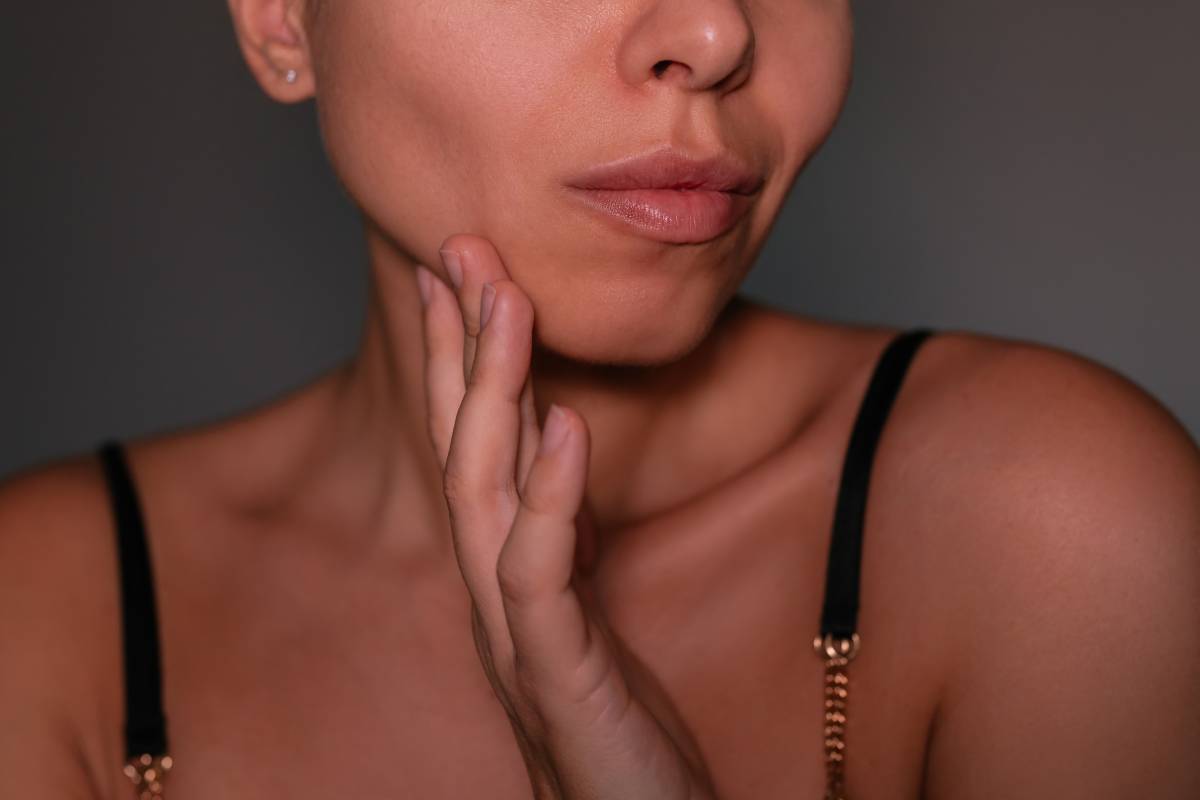

Young woman touching her cheek, showing defined jawline and buccal area. Concept of buccal fat removal, face contouring

How to Maintain Jawline Contouring Results Longer

For individuals concerned with the look of their jawline, consider jawline contouring. A non-surgical procedure to improve symmetry, reduce jowls, and increase definition, jawline contouring can offer transformative results in a quick, practical approach.

To help maintain jawline contouring results longer, non-surgical jawline contouring is encouraged. This non-surgical procedure, compared to jawline surgery, is a gentler treatment that still provides the results patients seek. There is no lengthy recovery period, and results are immediate.

How to Maintain Jawline Contouring Longer

To further maintain jawline contouring, continued treatment is needed. While non-surgical treatment is fast, surgical jawline reshaping may take hours and require a longer recovery period. This is why non-surgical jawline contouring is preferred. You will not need to worry about scarring or incisions.

Non-surgical jawline contouring may cause redness, swelling, or bruising of the skin. However, these side effects are only temporary, and many individuals see full results within a few days. Compared to the downtime needed for surgery, non-surgical contouring can provide results for several months in between routine treatments.

Advantages of Jawline Contouring

There are many advantages to jawline contouring. Whether you are seeking to enhance your jawline for the first time or beginning another treatment, discover the many advantages of jawline contouring.

Some of the advantages you can look forward to include the following:

  • Achieving facial harmony
  • Reducing an aged appearance
  • Enhancing jawline definition
  • Enjoying a short recovery period
  • Seeing immediate results
  • Customizing results as you choose, such as temporary or permanent
  • Reducing the appearance of a double chin
  • Experiencing a fast and convenient treatment (often under 20 minutes)
  • Improving jawline symmetry
  • Achieving the aesthetic you want

The benefits of a jawline contouring treatment include the following. Receiving regular treatments helps you maintain jawline contouring results longer.

Jawline Contouring Treatment Sessions

Although there are ways to treat your jawline, such as jaw exercises, the National Library of Medicine reports that jaw exercises may not have a meaningful effect. However, non-surgical procedures, including fillers or Botox, have been shown to improve facial esthetics. Additionally, non-invasive facial contouring offers an alternative that can be more effective than treatments that require cuts or incisions.

During a non-surgical jawline contouring treatment session, you will experience a fast, non-surgical treatment that provides jawline enhancement. The treatment process is simple and consists of the following steps:

  • The treatment site is numbed before the filler is injected into areas of the jawline.
  • Your doctor will use a specially curated set of dermal fillers to inject at the site.
  • Within 30 minutes, the process is completed, allowing you to see immediate results.
  • If bruising or redness appears, the swelling will go away within a few days.
  • Many individuals can return to daily life almost immediately after a treatment session.

As you can see, non-surgical jawline contouring can give you a glowing, refreshed look. This is due, in part, to routine treatment sessions recommended by your doctor. Simply visiting a cosmetic dermatology expert can help you learn more about the treatment process and how it can benefit you and your personal appearance goals.

Receive Jawline Contouring Treatment Today

At Epione, we offer a comprehensive suite of fully adaptable treatments tailored to your unique goals, style, and beauty. Not only can we provide expert service to help you maintain longer-lasting jawline contouring results, but we also offer various cosmetic aesthetics.

Contact us today to schedule a consultation and learn more about our many treatment options, including jawline contouring. Speak with Dr. Simon Ourian, the most sought-after A-list cosmetic dermatology expert, to discover tailored treatments that can provide you with the ideal jawline.

What is Diastasis Recti?

Diastasis recti is a common condition that impacts the abdomen. The separation of the abdominal muscles characterizes it. This can occur after pregnancy, weight loss, or core strain. Many people do not even notice they have it initially. However, it can lead to a bulge in the abdomen, a weak core, and discomfort during everyday activities. There are effective treatment options that fully address the issue. You may wonder, what is diastasis recti? Below, you will find additional information about the condition and its treatment.

What is Diastasis Recti?

Diastasis recti is the separation of the abdominal muscles. These muscles normally sit close together along the midline of the abdomen. There is connective tissue between the muscles that keeps them close. When the connective tissue stretches or weakens, a gap forms. This can cause the belly to appear rounded or bulging. This can even impact very fit people.

The condition occurs when the abdominal walls stretch. This happens when room needs to be made for internal pressure. This is often during pregnancy, as the growing uterus pushes outward. This weakens the connective tissue. Pregnancy is not the only cause of the condition. Heavy lifting, improper exercise, or sudden weight changes can also strain the core. This can lead to separation, similar to what occurs during pregnancy.

Common Symptoms of Diastasis Recti

Many people notice a soft bulge at the center of the abdomen. However, it is often mistaken for weight gain. Sometimes the condition goes entirely unnoticed. This is why it is important to understand the common symptoms of diastasis recti.

  • Weak core strength
  • Poor posture
  • Lower back pain

Diastasis recti is often seen as merely a cosmetic concern. However, it can impact your daily life in so many ways. The condition can affect stability, breathing, and overall comfort. This can negatively impact your overall quality of life. Treating the condition can restore strength in your abdomen. It can also improve its shape and appearance. This can restore self-confidence, given the real impact the condition can have on your life.

Treatment Options for Diastasis Recti

Treatment for diastasis recti depends on your symptoms and their severity. Symptoms that significantly impact your daily life often require more aggressive treatment. However, conservative treatment options are available for mild cases.

Non-Surgical Treatment Options for Diastasis Recti

In some cases, symptoms may not impact your daily life. Some people benefit from physical therapy. Exercises that target and strengthen your deep core muscles can help. The exercise focuses on supporting the abdominal wall. This can reduce the gap between your abdominal muscles. However, physical therapy has serious limitations. It cannot fully repair severe separation. This is because the stretched tissue cannot tighten on its own. It must be surgically tightened to fully address the issue.

Surgical Treatment for Diastasis Recti

For the vast majority of patients with the condition, surgical intervention is necessary. It is the most effective treatment option for those with weakened tissue or a large gap in their abdominal muscles. The procedure involves tightening the abdominal muscles. It also repairs the stretched connective tissues in the abdomen. This restores the muscles’ natural position. Patients notice a stronger and flatter core. Some patients also opt for a tummy tuck. Combining procedures at the plastic surgery center maximizes your results. It improves the overall contour and appearance of the abdomen.

How to Maintain Your Results After Diastasis Recti Surgery

Maintaining your results is the top priority for patients. Investing in yourself comes with major rewards. Weight changes place excess pressure on the abdominal wall. This is even worse if you gain too much weight too fast. Stay within a healthy weight range to ensure your results last. This includes engaging in regular exercise. Aim for at least 150 minutes of moderate-intensity activity each week.

Focus on eating a diet filled with nutrient-dense foods. This includes lean proteins, healthy fats, and whole grains. If you struggle to maintain your weight, consult with your medical provider right away. They can provide you with the support you need to keep the weight off.

It is also important to exercise safely. Avoid exercises that push the abdomen outward excessively. They can weaken the core again, causing the same issue. Use proper lifting technique when lifting weights. Work with a physical therapist or other health professional on which exercises are best for you after surgery.

Top Plastic Surgery Center for Diastasis Recti Surgery

Changes to the abdomen can occur after pregnancy. If you want to repair your abdominal muscles, contact Dr. Brent and his team today to schedule your consultation!

Female doctor smiling and shaking hands with her patient after a consultation in her office.

Why Some Fibroids Cause Pain While Others Don’t

Uterine fibroids are a common condition among women during their reproductive years. Fibroids are noncancerous growths. They can cause unwanted symptoms, including heavy periods, painful cycles, and frequent urination. They can also cause constipation, lower back pain, pain during intercourse, and pelvic pressure. Each person experiences fibroids differently. Below you will find more information on why some fibroids cause pain while others don’t.

Why Some Fibroids Cause Pain While Others Don’t

Some women with fibroids experience pain and discomfort. However, others do not experience the same symptoms. Understanding why some fibroids cause pain and others do not is important. It can help you recognize when to seek evaluation and treatment for the issue.

Pain-Free Fibroids

Not all fibroids are the same, as they can vary in size, number, and location within the uterus. Factors such as genetics, hormone levels, and individual sensitivity can also impact pain levels. This is why some people experience pain, and others do not.

Small fibroids that remain within the uterine wall are often painless. Patients who do not experience painful fibroids do not even know they have them. It is often only revealed during a routine exam. This is true even if they experience other symptoms. This is because they can only be detected with a pelvic exam or imaging.

Fibroids that Cause Pain

On the other hand, some women experience severe pain and discomfort. Pain and pressure are more likely when fibroids are large. They can also cause these symptoms if they are pressing on nearby nerves, tissues, or organs. Certain types of fibroids can press against the bladder, the pelvic wall, or the rectum. This leads to discomfort and pressure. Other types expand within the uterine wall. This increases muscle tension, leading to cramps and aches.

Fibroids can also outgrow their blood supply. The process, known as degeneration, triggers inflammation and pain. The pain can be sudden and sharp, which is extremely difficult to manage on a daily basis. Fibroids can also twist and cut off circulation to the area. This can lead to acute pain that is also difficult to manage without treatment.

When to Seek Medical Care

Fibroid symptoms can impact your overall quality of life. If this is the case, it is time to seek treatment from a fibroid specialist. Symptoms that indicate you need an evaluation include persistent or worsening pelvic pain. This is especially significant if it interferes with your daily activities. Work, school, and your social commitments should not be impacted by the pain or discomfort caused by fibroids. Other concerning symptoms include heavy or long menstrual cycles. When this leads to fatigue or anemia, prompt evaluation and treatment are necessary.

A skilled and experienced fibroid specialist can evaluate your symptoms. When you meet with the specialist, describe the symptoms you experience. Include when, how often, and how severe they are to provide a full picture of your condition. A customized treatment plan based on your unique symptoms will be created. This may include lifestyle modifications, medication, or minimally invasive procedures. More severe cases may require surgical intervention.

Getting treatment from a professional is the best way to manage your symptoms and your health. Ongoing care may be necessary due to the nature of fibroids. Stay consistent with your fibroid specialist to effectively manage the condition. This can dramatically improve your overall quality of life.

Top Fibroid Specialist

Fibroids can make daily life difficult due to the pain and other unwanted symptoms. If you need treatment, contact the team at ProFibroidMD today to schedule your appointment!

What to Expect During a Nuclear Cardiology Test

A nuclear cardiology test is a type of stress test that uses nuclear cardiac imaging in conjunction with stress testing to improve the detection of coronary artery blockages. This type of test uses radioactive material to show how well blood flows into the heart muscle during physical activity and when at rest.

Nuclear cardiology is also known as a stress cardiolite study or a nuclear stress test. The test is safe, captures images of your heart, and can produce images that provide doctors with health information.

An Overview of a Nuclear Cardiology Test

A nuclear cardiology test involves an injection of a short-acting radioactive substance before and during treadmill exercise. Afterward, the patient lies beneath a “gamma” camera while a computer collects data. A detailed image of the heart is then created, allowing cardiologists to detect any coronary artery blockages by recognizing past and potential future heart muscle damage.

The small amount of radioactive tracing material is injected into the patient’s veins and filtered through the heart. A minuscule camera captures images and videos of the heart to detect any spots or signs of coronary heart disease. Imaging may also detect any potential issues with heart function.

How Nuclear Cardiology Tests Are Performed

Nuclear cardiology tests are performed in stages, according to the National Library of Medicine. The stages consist of:

  1. An intravenous (IV) line is started.
  2. A radioactive substance is injected into one of your veins.
  3. You lie down and rest for 15 to 45 minutes while a special camera scans your body.
  4. The camera scans your heart and creates pictures for doctors to dissect.
  5. Afterward, you will be asked to walk on a treadmill or stationary bicycle.
  6. You will walk slowly at first, but your doctor will ask you to walk faster and at an incline.
  7. Blood pressure and heart rhythm are monitored during this process.
  8. After 15 to 45 minutes, a radioactive substance is once again injected into one of your veins.
  9. A camera will monitor the substance again, scanning the heart and creating pictures.

Doctors will then compare the two images to determine whether there are differences between a slowed and a fast heartbeat. This allows doctors to examine heart rate, blood pressure, and other cardiovascular issues.

More importantly, the results of a nuclear stress test can do the following:

  • Determine the proper treatment for coronary heart disease
  • Examine whether your heart is too large or small
  • Diagnose coronary artery disease
  • Determine how well your heart pumps blood

Doctors perform the test to see if your heart receives enough oxygen and blood flow when it pumps harder. A treadmill or stationary bike can help force the heart to pump harder through increased exercise.

How a Nuclear Cardiology Test Feels

Before your test, you should prepare by wearing comfortable clothes and refraining from eating or drinking after midnight. Caffeine should be avoided for 24 hours before the test.

During the test, patients may feel the following:

  • Shortness of breath
  • Fatigue
  • Chest pain
  • Muscle cramps in the feet or legs
  • Nausea
  • Headache

In addition, your heart may beat much faster, giving you the feeling that it is racing. In rare instances, patients can experience palpitations, chest discomfort, and dizziness.

Take Part in a Nuclear Cardiology Test Today

For those of you experiencing unwanted cardiovascular issues, consider taking part in a nuclear cardiology test. With this test, cardiologists can assess your heart’s function and identify any health concerns.

At Apex Cardiology, we’re dedicated to improving our patients’ lives. Not only do we place importance on your individual needs, but we also use safe, efficient technology to better understand and identify cardiovascular health issues.