Archives 2026

What Causes a Sagging Neck?

The neck is one of the first places the body shows its age. The skin there is thinner than almost anywhere else on the face and body. The neck is often in motion, which can cause fine lines, wrinkles, banding, and skin sagging. Compared to the face, the neck also tends to get far less attention when it comes to sun protection and skincare. Many people forget to moisturize and protect their necks. You may wonder, what causes skin sagging? Below you will find helpful information on the causes and treatment options for the signs of aging on the neck.

What Causes a Sagging Neck?

The signs of aging on the neck can make you look much older than you are. This is true even if your face looks much younger. It is a telltale area that gives away your age. This is because a thin, sheet-like muscle supports the neck. It is referred to as the platysma. This runs from the chest to the jawline. Directly above the platysma is a layer of fat.
On top of that is the skin itself. When these layers function properly, the neck appears smooth, firm, and youthful. However, changes to just one of them can impact your entire neck. Several factors can change the appearance of the neck. In many cases, a neck lift is the most effective way to address the issue.

Loss of Collagen and Elastin

Collagen and elastin are important proteins that keep your skin firm and youthful-looking. As early as your 20s, the production of both proteins begins to decline. This continues as you get older. Collagen provides structure and support to the skin. Elastin allows the skin to bounce back after being stretched. The loss of collagen and elastin impacts the neck, as the skin in the area is naturally thinner. It also has fewer oil glands than facial skin. As a result, the neck loses elasticity and moisture much more quickly. You may notice that the skin becomes loose, creased, or crepey as you get older.

Loosened Muscles

Over time, the platysma muscle weakens. This can begin to separate along the midline of the neck. When this happens, the muscle’s edges become visible. You may notice vertical bands down the front of the neck. These can become really noticeable when you smile or talk. These cannot be addressed with topical skincare products; they are a muscle issue. Cosmetic surgery is the most effective way to address the signs of aging.

Fat Accumulation

A double chin can weigh down the neck, leading to sagging. Fat can accumulate due to weight gain. However, it can also develop in people who are at a healthy weight. This is often due to genetics. No matter the cause, excess fat can affect the skin on the neck. Once present, it is often difficult to get rid of. Double chin fat is often resistant to diet and exercise. Cosmetic surgery is the most effective way to improve the neck area.

Sun Exposure and UV Damage

Sun damage is one of the most harmful things for your skin. Prolonged exposure to ultraviolet rays accelerates skin aging. UV damage breaks down the collagen and elastin fibers in the skin. This leads to premature skin laxity and uneven texture. Many people often forget to apply sunscreen to their neck, even if they apply it to their face. Over time, this can affect how the neck looks. Sagging skin on the neck is one of the most common problems caused by this.

Treatment for a Sagging Neck

The type of treatment that is right for you depends on how significant the neck changes are. Additionally, the cause can play a factor in which treatment option is best. Working with a skilled surgeon at the top plastic surgery center is a must. The first step in addressing your sagging neck is scheduling a consultation. Mild cases may benefit from neurotoxin injections, which relax the neck muscles. Energy-based treatments that stimulate collagen production can also be beneficial. However, moderate to severe skin sagging requires surgical intervention. A neck lift is the most effective treatment option for permanent results. A skilled surgeon can assess your neck and determine the best course of action.

Leading Plastic Surgery Center

Natural aging and poor lifestyle habits can impact the appearance of the neck. If you want to rejuvenate your look, contact Dr. Brent Moelleken and his team today to schedule your consultation!

Will Aging or Weight Changes Affect My Breast Implant Results?

Many women consider breast implants after pregnancy or weight fluctuations. Some women also consider implants if they are born with a naturally small chest. Moving forward with a breast augmentation procedure involves scheduling a consultation with a skilled plastic surgeon. At the appointment, you will discuss the size and shape you want. During this appointment, many people have questions about the results and how long they last. You may wonder, will aging or weight changes affect my breast implant results? Below you will find helpful information on how to maintain your results after breast implant surgery.

Will Aging or Weight Changes Affect My Breast Implant Results?

A breast augmentation can enhance the look of your chest. It improves the size, shape, and symmetry. Many people wonder if aging or weight changes can impact their appearance after surgery. Changes to the surrounding structure can affect the results in several ways.

Changes Due to Natural Aging

Over time, skin changes occur. This is due to the natural loss of collagen and elastin. These are important proteins that keep your skin supple and youthful-looking. The production of these proteins begins to slow down as early as your twenties. The reduction continues as you get older. This results in the skin being less able to support the weight of your breast tissue and implant. This can lead to sagging, which can impact the appearance of your implants.

Natural skin changes occur due to the loss of collagen and elastin. However, certain lifestyle habits can accelerate the natural aging process. Sun exposure, smoking, poor diet, and a sedentary lifestyle can impact skin quality. Living an unhealthy lifestyle can impact the results of your implant. This is why it is important to live a balanced, healthy lifestyle after the procedure.

Weight Changes

Weight changes after breast implants can impact the results. This includes both weight gain and weight loss. When you gain weight, the fat is distributed around the body. Adding weight to the breasts naturally increases the overall cup size. While the appearance changes, the implant itself remains the same. You may notice asymmetry, depending on how the fat accumulates around the breasts.

Weight loss often has a more obvious effect on breast implant results. When the natural breast tissue loses volume, the skin can become loose. The implant can change in several ways. It can appear higher, lower, or less full in its upper portion. This can make the breasts look less full, which many patients do not like. Maintaining your weight after surgery is integral to ensuring your results last.

How to Maintain Your Results After Breast Implants

Protecting your investment after breast implants is important. There are several steps you can take to maintain your results after surgery.

Follow Your Surgeon’s Instructions

After surgery at the top plastic surgery center, you will receive postoperative instructions. It is important to follow these as closely as possible. This includes how to care for your incisions and what to avoid. Attend all of your post-surgical follow-up appointments to ensure optimal recovery.

Avoid Smoking

Smoking can have a serious impact on your skin and breast augmentation results. This is because it breaks down collagen and restricts blood flow to the skin. This accelerates skin aging after surgery. It also increases the risk for post-surgical complications. You will be required to stop smoking before and after surgery. It is best to avoid smoking entirely to protect your results.

Sun Protection

Sun exposure can break down the skin and accelerate skin aging. UV rays break down the collagen and elastin in the skin. These are essential proteins that keep your skin firm and youthful-looking. Use SPF 30 or higher daily, even if you do not go outdoors. If you do go outside, avoid the sun during peak hours. Use sunglasses and a wide-brimmed hat for added protection.

Wear Supportive Bras

Gravity can take a toll on your breast tissue and skin. Wear a well-fitted, supportive bra as much as possible. If you exercise or do any high-impact activities, wear a supportive sports bra. Doing this can reduce your risk of stretching and gravitational strain on the breast tissue and skin. Staying consistent is the key to maintaining the results of your breast augmentation.

Top Plastic Surgery Center

Breast implants can change over time due to weight gain or loss or aging. If you want to refresh your implants, contact Dr. Brent and his team today to schedule your consultation!

Older woman pulling her face up.

Facelift Surgery at 40s, 50s, or 60s: Is There a Best Age?

Timing is a major aspect of deciding whether plastic surgery is right for you. If you get it too early, the results may not last as long as you expected. Getting it later on can make recovery feel time-consuming and overwhelming. When you should get cosmetic surgery depends on the signs of aging, your aesthetic goals, and what type of procedure you want. So, getting facelift surgery at 40s, 50s, or 60s: Is there a best age? Below you will find helpful information to help you navigate when to get your facelift.

Facelift Surgery at 40s, 50s, or 60s: Is There a Best Age?

Facial aging is different for everyone. Your genetics and lifestyle factors can play a major part in how your skin ages. However, some trends occur during each decade of life. Below you will find helpful information about aging in your 40s, 50s, and 60s. This can help you determine if you are on track and the best age for a facelift based on your unique needs.

Facial Aging in Your 40s

When you reach your 40s, the signs of aging can begin to really show. The face begins to lose its natural volume. What fat remains often deflates, affecting the under-eyes, lower face, and neck. Skin changes are also apparent during this decade. Collagen and elastin have declined over the last two decades. This often comes with skin sagging, fine lines, and wrinkles. This can also deepen nasolabial folds.

Significant jowls are hit or miss during this decade. Some people have significant jowls, while others do not. The most common cosmetic concerns are in the midface. This leaves your under-eyes hollow and your cheeks sagging. For some people, a facelift may be beneficial. However, for most people, targeted procedures and treatments are still enough. Working with a skilled plastic surgeon is essential to determine the right treatment plan for you.

Facial Aging in Your 50s

Your 50s often bring more noticeable changes to your face. The jawline begins to soften, and jowls are often present. The neck is a common area where the signs of aging are present during this period. Your youthful facial contours may be compromised, leaving your face looking less defined. Volume loss continues as you age. This, combined with skin laxity, can leave you looking older. This is especially true if poor lifestyle habits have impacted your skin texture and quality.

Most people consider a facelift in their 50s. Changes to the face are often significant enough to warrant surgical intervention. In rare cases, cosmetic treatments may still improve your look. However, if you want results that look natural and last, surgery is often the best option. Patients in their 50s often have a smooth recovery process and a refreshed look that takes more than a decade off their faces.

Facial Aging in Your 60s

When you reach your 60s, the signs of aging are often prominent across the face. Jowls, neck laxity, fine lines, wrinkles, and volume loss are very common. Skin changes are also visible. Collagen and elastin have declined for nearly four decades. This makes it thinner, more elastic, and the signs of aging are more pronounced.

A facelift in your 60s is possible and can improve your entire look. Candidates should be in good overall health, not smoke, and have realistic expectations about the procedure. With the right surgeon, the results can take years off your face and boost your confidence.  Candidates in good overall health have a smoother recovery. They also benefit from long-lasting results that give you a youthful glow for years to come.

Recovering from a Facelift

Every patient heals differently so that the recovery timeline can vary. Most people are back to their normal routine within a few weeks.

Right After Surgery

The first few days should be solely focused on recovery and rest. You will notice swelling, bruising, and mild discomfort. This is completely normal and will gradually subside as you heal. To manage these symptoms, focus on rest, use cold compresses, and take your prescribed medication. Follow your surgeon’s instructions exactly to ensure your results. Doing so can also keep you on track with your recovery.

Weeks Two and Three After Surgery

Most patients are back to their normal routine within two weeks after surgery. Swelling continues to improve, but this can take months. It is important to be patient as you heal. You should still limit physical activity and bending over. This can impact your results and put too much pressure on your face. Your surgeon will advise you on when you can resume your fitness routine. This is why it is essential to attend all of your follow-up appointments. Your surgeon can assess your recovery and make any necessary modifications.

Final Results

You will notice your results right away as the improvements are clear. However, it can take several months to see your final results. Swelling can take months to resolve, even when you follow your post-surgical instructions exactly. As long as you take care of your incisions, they should become nearly invisible. This can also take 1 to 2 years. Patience is key to your final results.

Maintaining Your Results After a Facelift

A facelift offers long-lasting results that keep you looking youthful and refreshed. There are several ways to ensure your results last. The most important factor is protecting your skin from sun exposure. This requires using SPF 30 or higher daily, even if you do not go outdoors. You should also maintain a consistent skincare routine. Hydration is key to healing and keeping your skin youthful. Continue maintaining a healthy lifestyle, including a balanced diet, regular exercise, and hydration.

Leading Plastic Surgeon

A facelift can take years off your face and boost your confidence. If you want to restore your appearance, contact the team at Elise Min Plastic Surgery today to schedule a consultation!

How to Choose the Right Scar Treatment Plan for Your Skin

Depending on the scars you have, there are countless options to consider for removal. Removing or minimizing scars can be delicate, especially if the scarring is on a sensitive area of the skin or body. While some may want scars removed to improve appearance, others may find scars irritating or bothersome, especially when acne scars are close to the eyes and other sensitive areas of the face.

Acne scar removal treatments are available to help achieve a smoother, less bumpy appearance. Because each individual may have specific wants and needs, treatment can be tailored to the patient’s unique scarring. Thankfully, there are plenty of treatment options for scarred skin.

Reasons for Scar Treatment

Those struggling with severe acne and scarring may develop negative thoughts about their looks. However, there are non-surgical treatment methods designed to help you regain control over your appearance, including clearer, smoother skin.

Patients may seek scar revision for both physical and emotional reasons. If the scar is located on a prominent portion of the face, individuals may feel self-conscious. Additionally, scars may be constant reminders of a traumatic experience a person has suffered from. Facial scars can also cause functional limitations, particularly for the eyes. Acne scars near the eyes or mouth can make it difficult to see or eat, depending on their severity.

Scar Treatment Options

There are surgical and non-surgical options for treating scars. Certain procedures can help minimize scarring.

Two non-surgical options consist of:

  • Coolaser – This modern laser system fights acne and can address scarring from prior acne. This A-list cosmetic procedure is a unique laser treatment that can reduce the appearance of scars without involving an invasive treatment plan. Advantages of Coolaser include no invasive elements, longer-lasting results, and its best use for uneven or raised scarring.
  • Neustem – Neustem injections help to smooth scars while boosting collagen production. With this process, scar visibility is reduced. Neustem’s advantages include no recovery time, a faster treatment option, less pain, and instant improvements.

When determining which treatment option is right for you, consult your provider. Your doctor will examine the scarring and help you develop a treatment plan tailored to your individual needs.

Reasons for Scarring and Benefits of Treatment

Scars can occur on any part of the body. If a scar is located in an uncomfortable area of the skin or on a highly noticeable part of the body, such as the face, some individuals may decide to undergo treatment to have the scarring removed.

Some of the common reasons for scarring include the following:

  • Cosmetic or reconstructive surgery
  • Piercings
  • Acne
  • Skin infections
  • Burns
  • Cleft lip repair surgery
  • Traumatic injuries
  • Cesarean birth

For those with acne scars, there are many benefits. Some of the benefits consist of:

  • Quick treatment sessions, typically under an hour
  • Adaptive treatments to match your needs
  • Long-lasting scar reduction or removal
  • Procedures performed by an experienced provider
  • Achieving skin you can feel proud of
  • No downtime required
  • Minimally invasive techniques

When acne scars are removed or minimized, individuals can expect to see a refreshed, smoother face in the mirror.

Find Scar Treatment Today

At Epione, Dr. Ourian has the extensive experience needed to treat those struggling with a variety of dermatology issues. From severe acne to scarring, treatments are available at Epione. Additionally, our professionals have years of experience participating in cosmetic practices.

Reach out to us today to schedule a consultation. Speak with Dr. Ourian, our cosmetic dermatology expert, to learn more about your personalized treatment plan. Learn more about your options today by choosing Epione.

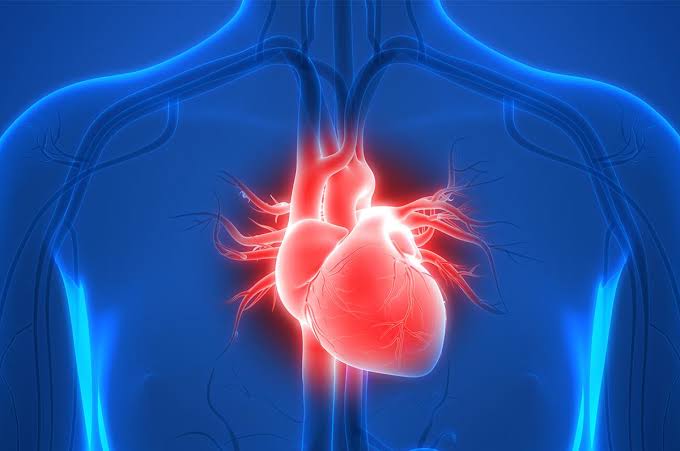
When Does Chest Pain Become a Cardiac Emergency?

If a person experiences chest pain, urgency may set in quickly. However, people must be able to adapt, listen to their bodies, and acknowledge signs of a cardiac emergency, such as a heart attack. Since many symptoms of a cardiac emergency overlap, such as anxiety, weakness, and fainting, it can be difficult to determine if the symptoms are caused by a cardiac emergency or chalked up to bad indigestion.

Thankfully, individuals can consider preventative cardiology and treatment options. There are preventative measures that can decrease the risk of a cardiovascular event. In addition, treatment options can provide information on the heart’s health and the health of surrounding organs.

What Happens When a Cardiac Emergency Occurs?

When a blood clot blocks one of the coronary arteries that supply blood and oxygen to the heart, a heart attack can occur. When blood flow is blocked, the heart is starved of oxygen, and its cells die. For instance, when plaque causes an acute blood clot, the heart cannot pump blood correctly.

The build-up of plaque causes heart attacks. Plaque builds up in the walls of the coronary arteries. Cholesterol and other substances make up the plaque, disrupting blood flow. The most common cause of a heart attack is the rupture of plaque. When this happens, blood platelets and other substances are triggered to form a blood clot at the site, blocking most of the oxygen-carrying blood flow to the heart muscle.

When Can a Heart Attack Take Place?

A heart attack can take place at any time. However, there are certain conditions under which a cardiovascular event may occur.  For example, a heart attack can occur:

  • After sudden, severe emotional or physical stress, including an illness
  • When you are resting or asleep
  • When you are active outside in cold weather
  • After a sudden increase in physical activity

Additionally, there are risk factors for a cardiac event. Some of the risk factors that can help decrease the chances of developing heart disease include:

  • Quitting smoking
  • Exercising at least 30 minutes a day
  • Limiting alcohol intake
  • Maintaining a healthy weight
  • Selecting healthy food options
  • Controlling high blood pressure, cholesterol, or diabetes

A heart attack is an extreme medical emergency. If symptoms are suspected, contact emergency services immediately.

What Are the Symptoms of a Heart Attack?

To better understand what occurs during a heart attack, the symptoms must be acknowledged. Cardiovascular events can lead to a number of symptoms that can be life-threatening if left untreated. Some may feel pain in one part of the body, such as the shoulder, arm, jaw, or neck. These are strong indicators of a heart attack.

While not all individuals will experience the same symptoms when a heart attack takes place, those experiencing a cardiovascular event will likely experience a range of symptoms consisting of:

  • Cough
  • Sweating
  • Heart palpitations
  • Dizziness
  • Fainting
  • Anxiety
  • Shortness of breath
  • Nausea
  • Lightheadedness
  • Vomiting

More specifically, a cardiovascular event may cause pain ranging from mild to severe. Pain may feel similar to:

  • Something heavy is sitting only on your chest
  • Bad indigestion
  • A tight band around the chest
  • Squeezing or heavy pressure

Some symptoms and pain may come and go. While many individuals experience a form of pain or discomfort, some people only suffer from what is labeled as a “silent heart attack.” A silent heart attack may present with no symptoms. However, common symptoms may include fatigue, weakness, or shortness of breath.

Find a Cardiologist

If you experience chest pain, contact 911 immediately. By understanding the signs of a cardiovascular event, patients can better recognize when a heart attack is taking place. Thankfully, Apex Cardiology has the industry’s fastest and highest resolution scanner.

Contact Apex Cardiology today to learn more about our treatment options and latest technology.

Can a Normal Mole Turn Into Melanoma?

Moles are extremely common, as nearly everyone has them. They often show up in early childhood and multiply as you get older. They can come in several shapes and sizes. They are not a cause for medical concern in the vast majority of cases. However, any moles that change should be monitored and evaluated immediately. A professional should look at color changes, border changes, itching, or bleeding. Can a normal mole turn into melanoma? Below, you will find helpful information on when to seek help.

Can a Normal Mole Turn Into Melanoma?

In most cases, moles are completely benign and a normal part of the skin. They are a cluster of pigmented skin cells. They are not harmful and do not require any treatment. However, certain conditions can change a mole from benign to a cause for medical concern. When they change and grow abnormally, mole reconstruction and treatment may be necessary.

When is a Mole Dangerous?

Not every mole is dangerous or requires evaluation. Common moles that have remained the same for years are nothing to worry about. The moment you should be concerned about a mold is when it changes. Sun damage is one of the most common reasons moles change. UV radiation damages the skin’s DNA over time. When the cells in the mole are damaged, they can begin to multiply uncontrollably. This requires evaluation from a medical professional.

Genetics also plays a role in your risk for melanoma. If you have a family history of the condition, you are at a higher risk. Those with a significant number of moles and a history of severe sunburns are also at increased risk of melanoma. Regardless of your risk level, it is important to monitor your skin. It is better to be safe, so a professional should look at any changes.

When to Seek Treatment

Many people wait too long to get treatment for their moles. Early intervention is key for skin issues. Dermatologists have created a helpful guide to help you know when to seek help. Below are the details on the ABCDE warning signs.

Asymmetry

Asymmetry is the first thing to check on your skin. A normal mole looks roughly the same on both sides. However, a mole that is irregular or lopsided is a cause for concern.

Border

The border of the mole should have smooth, well-defined edges. An irregular or concerning mold may have ragged, blurred, or notched borders. This deserves attention from a professional.

Color

The color of the mole matters for your skin health. A uniform brown or tan mole is normal. However, multiple shades of brown, black, red, white, or blue are not.

Diameter

The size of the mole can indicate if there are issues. The diameter should be smaller. Anything above six millimeters should be looked at. That is roughly the size of a standard pencil eraser.

Evolution

Any mole that has changed in size, shape, color, or texture is a cause for concern. Seek evaluation right away if you notice any changes.

Treatment and Mole Reconstruction Options

Removing a mole or melanoma may be necessary. Getting treatment early on can prevent further harm to your skin and health. There are several treatment options depending on the specific skin issues.

Mole Removal

Removal is one of the most common treatment options if your mole is suspicious. The method used to remove the mole depends on its size, location, and whether it appears benign or potentially cancerous. A skilled surgeon at the top plastic surgery center can determine the best course of action for removal.

Skin Cancer Removal

If the issue is melanoma, removal of the cancerous cells is a top priority. There are several ways to effectively remove skin cancer. This includes laser-based treatments or surgical excision. The primary goal is to remove the cancer entirely. However, preserving as much healthy skin as possible is a close second.

Mole Reconstructions

Sometimes mole removal can leave behind a skin defect that requires reconstruction. A skilled reconstructive surgeon can improve the appearance of the skin. Restoring the skin can be achieved with local tissue flaps or skin grafts. Their main goal is to improve the appearance as much as possible after removal.

Top Plastic Surgery Center

Early intervention is key for melanoma. If you are concerned about a mole, contact Dr. Brent and his team today to schedule your consultation!

How Blood Pressure and Cholesterol Affect Your Heart Over Time

High blood pressure occurs when blood pushes against the walls of arteries while your heart pumps blood. When pressure rises for prolonged periods, blood vessels are damaged and become clogged with plaque. This damages the heart over time and can lead to hazardous cardiovascular conditions.

Cholesterol is a substance found in certain foods that, when eaten over time, can lead to large amounts of cholesterol in the body. Cholesterol builds up in the walls of the arteries, reducing blood flow to the heart. You can take care of your heart health by periodically seeing a doctor to check whether your blood pressure and cholesterol levels are normal and within the recommended range.

High Blood Pressure and Cholesterol Levels

To determine blood pressure levels, an individual’s blood pressure is measured by a systolic reading. If the reading is a consistent systolic pressure of 140 millimeters of mercury (mm Hg) or higher, the blood pressure is considered too high. High blood pressure can lead to stroke, heart attacks, or other serious conditions.

High cholesterol levels can lead to obesity. Unhealthy eating patterns and a lack of physical activity are just two ways cholesterol may develop in an individual. Those wishing to manage cholesterol levels should incorporate healthier food choices, exercise, and other lifestyle changes into their daily routine. When healthier habits are introduced, blood pressure and cholesterol levels can be reduced.

Damage Caused by Blood Pressure and Cholesterol

In addition to causing damage to the heart, other organs in the body can be severely injured due to high blood pressure and cholesterol levels. According to the National Heart, Lung, and Blood Institute, damage from high blood pressure and cholesterol levels can cause:

  • A stroke
  • Vascular dementia
  • An enlarged left heart
  • Chronic kidney disease
  • Heart attack
  • Heart failure
  • An aneurysm
  • Coronary artery disease
  • Cognitive impairment
  • Nerve damage
  • Chest pain
  • Blood vessel damage
  • Kidney failure
  • Metabolic syndrome

To help prevent high blood pressure and unhealthy cholesterol levels, consider:

  • Eating a healthy diet
  • Taking prescribed medication
  • Taking part in physical activity
  • Quitting smoking
  • Limiting alcohol intake

If individuals do their part by making healthy decisions, they can reduce their blood pressure and cholesterol levels. Reducing cholesterol and maintaining a healthy blood pressure can positively affect the heart by reducing stress on it.

Services to Determine Heart Health

While over-the-counter options may help assess heart health, it is important to see a professional. A doctor trained in cardiovascular health can provide a wide range of services to determine if an individual has unhealthy blood pressure and cholesterol levels.

Thankfully, numerous services can help determine whether a person has high blood pressure or high cholesterol. The services doctors use can help patients better understand the overall health of the heart.

Services offered by doctors consist of:

  • Cardiac CT Imaging
  • Stress Testing
  • Nuclear Cardiology, also known as the “Nuclear Stress Test”
  • Echocardiography
  • Cardiac catheterization
  • Coronary balloon angioplasty or stenting
  • CT peripheral angiography
  • Cardiac rhythm management, also known as electrophysiology testing
  • Laboratory blood test evaluation

Even if you have recently been diagnosed with high blood pressure or high cholesterol levels, there are plenty of ways to stay healthy and receive the medical care needed. Imaging and other tools can help patients learn the severity of their heart problems.

Help Your Heart

For those concerned about heart health, consider finding answers at Apex Cardiology. Not only do we have the industry’s fastest and highest-resolution scanner to provide patients with accurate results, but our physicians are highly trained in cardiovascular care.

Contact us today to schedule an appointment and learn more about your heart health.

How Does a Non-Surgical Nose Job Work?

A non-surgical nose job, also referred to as non-surgical rhinoplasty, is an advanced cosmetic procedure. This procedure can enhance the appearance of the nose without surgery. Shaping contours and lines with an in-office procedure offers minimal discomfort and little downtime.

In a traditional nose job, invasive medical techniques are used. These techniques range from shaving off cartilage or bone to reshape the nose. Thankfully, a non-surgical nose job is minimally invasive. A non-surgical nose job requires the use of dermal fillers that provide excellent nose enhancements.

Non-Surgical Nose Job Treatment

If an individual chooses a non-surgical nose job, the process is relatively simple. First, doctors will review your medical history and discuss the areas of improvement you would like for your nose. Treatment will begin in the office and take less than 30 minutes.

Doctors will likely use numbing agents to help prevent pain or discomfort during the procedure. A non-surgical nose job requires a doctor to use dermal fillers to fill in depressions on both sides of the nose bridge. Alternatively, the injection of fillers can reduce the size or create specific definitions for the patient. When the treatment session ends, most patients can return to work the same day.

Non-Surgical Nose Job Results

Rhinoplasties are a highly challenging surgical procedure. However, non-surgical rhinoplasty is a more relaxed procedure that does not require surgery. Those who receive a non-surgical nose job may need periodic treatments to maintain the results.

Some of the results of a non-surgical nose job:

  • Improved size of the nose
  • Straightened or more symmetrical nose bridge
  • Improved shape of the nose
  • Reduced acne or bumps on the nose
  • Defined nasal contours
  • Camouflaged bumps or dark spots
  • Straightened lumps and crooks
  • Smoothed lines
  • Added volume to the nose
  • Filled concave areas

These positive results can enhance the symmetry, size, and shape of your nose without surgery. Non-surgical nose jobs allow patients to see instant results without the days or weeks of downtime associated with traditional surgery. Results last months to years, requiring only periodic treatments. A non-surgical nose job is an excellent choice for those seeking minor changes initially to determine the final look post-procedure.

Advantages of a Non-Surgical Nose Job

When a person must choose between surgery and a non-surgical procedure, the less invasive option is likely chosen. After all, no one wants to have months of downtime, the potential of scarring, or constantly going under the knife. With a non-surgical nose job, patients save time yet still achieve the desired, healthy look.

In addition to minimal downtime, a non-surgical nose job offers plenty of other advantages. Some of the other advantages of a non-surgical nose job include:

  • Seeing immediate results
  • Receiving minimally invasive surgery with no scarring
  • Requiring no commitment to surgery
  • Achieving lasting results from 6 to 12 months
  • Lessens the strain on the body and the need for general anesthesia

Each patient is different, requiring tailored options to meet their wants and needs. Thankfully, contouring and line reduction can improve an individual’s appearance, providing a satisfying look.

Receive a Non-Surgical Nose Job

Non-surgical nose jobs are useful tools in a variety of primary and revision rhinoplasty cases. With the advancement of fillers and techniques, there are countless opportunities for patients to achieve the desired results without undergoing surgery.

At Epione Beverly Hills, we offer a wide range of treatment options. For those interested in a non-surgical nose job, our professionals work with you during a consultation to determine the least invasive method. Contact us today to learn more.

What Vitamins Shrink Fibroids?

Fibroids are a common type of noncancerous tumor. In fact, they are the most common type of noncancerous tumors that impact women. The tumors can grow in and on the uterus. In many cases, they are not a cause for medical concern. Some women do not even experience symptoms. However, they can persist for many women. Irregular vaginal bleeding, heavy menstrual cycles, painful menstrual cycles, and abdominal bloating. These are just some of the symptoms many women experience. Many women are desperate to find solutions to their fibrous symptoms. So, what vitamins shrink fibroids?

What Vitamins Shrink Fibroids?

Fibroids can make daily life extremely difficult for many women. Seeking alternative treatment options is common. Treatment for the condition should be done in conjunction with a skilled fibroid specialist. One promising vitamin shown to shrink fibroids is vitamin D. Women with low vitamin D levels are at increased risk of fibroids. As a result, taking vitamin D has been shown to prevent fibroids from growing. It has also been shown to shrink small fibroids. While taking the vitamin has shown promising results, it is important to consult a fibroid specialist to determine the right treatment plan for you.

Lifestyle Habits and Managing Your Fibroids

Working with a fibroid specialist is the most effective way to ensure you get on the right treatment plan. A major part of your treatment plan includes lifestyle changes. This can dramatically improve your symptoms and overall quality of life.

Manage Your Weight

Weight management is a key component of managing your fibroids. Higher body fat is associated with higher estrogen levels. This can increase fibroid growth. Maintaining your weight is key, as it improves hormone balance. Even losing just 5-10% of your body weight can help.

Regular Exercise

Managing your weight is key, and regular exercise is an important part of that. This includes moderate-intensity low-impact exercise. Walking, yoga, Pilates, and lightweights are great options. Focus on at least 150 minutes of exercise each week. Strength training should be included at least twice per week due to its positive impact on managing your fibroids.

Healthy Sleep

Getting enough quality sleep is essential as it supports the body’s natural healing process. It also helps regulate your hormones. Consistency is key when it comes to sleep. This includes going to sleep and waking up at the same time every day. If the time varies, it should not exceed one hour. A calming nighttime routine can ensure quality sleep. Aim for seven to nine hours of sleep each night.

Nutrient-Dense Diet

Eating a balanced diet rich in nutrient-dense foods is important. It has been proven to help manage fibroids. This includes fruits, vegetables, healthy fats, lean protein, and whole grains. Foods high in fiber are excellent at regulating your digestion. This is important for balancing your hormones. Reduce processed foods and foods high in sugar. These can have a detrimental impact on your health by causing inflammation.

When to Seek Treatment for Fibroids

Seeking treatment for fibroids is important if your symptoms interfere with your daily life. Early intervention ensures an adequate treatment plan. This is essential for your mental and physical health. If you have heavy or prolonged periods, severe cramping, or bleeding in between cycles, consult with a fibroid specialist. They can assess your symptoms and determine the best course of action.

Leading Fibroid Specialist

Untreated fibroids can impact your daily life in so many ways. If you need treatment from a fibroid specialist, contact the team at ProFibroid MD today to schedule your appointment!

5 Things Every Patient Should Know Before a Breast Reduction

Those with large breasts often experience physical and emotional issues because of it. Overly large breasts can cause back pain, shoulder grooves, and skin irritation. They can also make it exceptionally difficult to find clothes that fit comfortably and look good. This can lead to issues with your self-confidence. In severe cases, women with overly large breasts may experience mental health issues and isolation. A breast reduction is a life-changing procedure that can address so many of the physical and emotional issues. Below are the top 5 things every patient should know before a breast reduction.

5 Things Every Patient Should Know Before a Breast Reduction

Breast procedures can have a major impact on one’s life. The physical and emotional changes can make life so much better. Before getting a breast reduction, consider the following points every patient should know.

1. The Procedure is Customized

A breast reduction does not take a one-size-fits-all approach. In fact, each surgery is tailored to the patient’s unique needs. This begins during the consultation. The surgeon will evaluate your body frame, including your height and shoulder width. Your breast shape and size are also measured. Lastly, the surgeon considers your lifestyle and activity level. From there, a treatment plan based on your unique needs is created. Your personal, functional, and aesthetic goals are also considered.

2. Many Patients Combine Procedures

The reality of a breast reduction is that it reduces breast size. However, a breast lift may be necessary to reshape the breasts and reposition the nipples. Once the tissue is removed, it does not always result in a round, youthful shape. A lift helps tighten the skin, improve firmness, and raise the breasts to a more natural position. Combining the procedures enhances your results. If you need a lift, the surgeon will include this in your customized treatment plan.

3. Scarring is Normal

Scarring is a natural part of the healing process. With that, scarring is also a part of the healing process after a reduction. The incisions are placed in areas that can be hidden under bras, swimsuits, and other clothing. While scars are visible at first, they can fade away with proper care. In some cases, they may no longer be visible. It is important to follow your surgeon’s instructions regarding aftercare. Keeping the incision site clean is critical. Additionally, proper skincare even after the initial recovery period helps reduce the appearance of scarring.

4. Be Patient During Recovery

The recovery process takes time. It is an important part of the process that cannot be rushed. Not taking time off to rest and fully recover can backfire. Not only can it impact your results, but it can also increase your risk for complications. The average recovery period takes roughly two weeks. Most people are back to their routine by this time. However, it is important to avoid heavy lifting and strenuous exercise until your surgeon clears you. This generally occurs around one month after surgery.

5. Life Changes After Surgery

Many people know that their breast reduction will provide relief when it comes to so many physical issues. Back pain, shoulder grooves, and skin irritation can make daily life miserable. A breast reduction will address these issues almost immediately. However, the procedure also comes with aesthetic and emotional benefits. Many women report a boost in self-confidence. They look and feel so much better due to the surgical results. Additionally, finding clothes that fit and look good is a major benefit. You can easily find bras that fit, swimsuits that look great, and tops that enhance your appearance.

Maintaining Your Results After Breast Reduction

A breast reduction from the top plastic surgery center can improve your life in so many ways. To ensure your results last, follow these steps after surgery.

Weight Management

Maintaining your weight is one of the most important factors. Significant weight fluctuations can impact the size of your breasts. Keeping your weight within the same range as before surgery ensures your results last.

Supportive Bras

A breast reduction can take a lot of pressure off your chest. However, it is still important to wear a supportive bra after surgery. This includes throughout the day and during exercise. Too much pressure from bouncing can impact your results. It can stretch the skin and chest tissues.

Leading Plastic Surgery Center

A breast reduction offers several benefits. If you are interested in the procedure, contact Dr. Brent’s team today to schedule your consultation!