Archives July 2026

When Should You See a Cardiologist?

A cardiologist is a doctor who specializes in diagnosing and treating a variety of heart-related health problems. Cardiologists can perform heart imaging, heart rehabilitation, or heart surgery. If an individual experiences cardiovascular symptoms such as chest pain, peripheral artery disease, or heart valve disorders, it is time to see a cardiologist to determine the issue or receive a diagnosis.
The cardiologists you visit will perform tests to determine the cause of any cardiovascular issue. Cardiologists specialize in various practices such as heart valve disorders, coronary artery disease, and arrhythmias. Depending on the symptoms you experience, the cardiologist you see will likely have expertise in the areas needed.

Recognizing Heart Problems

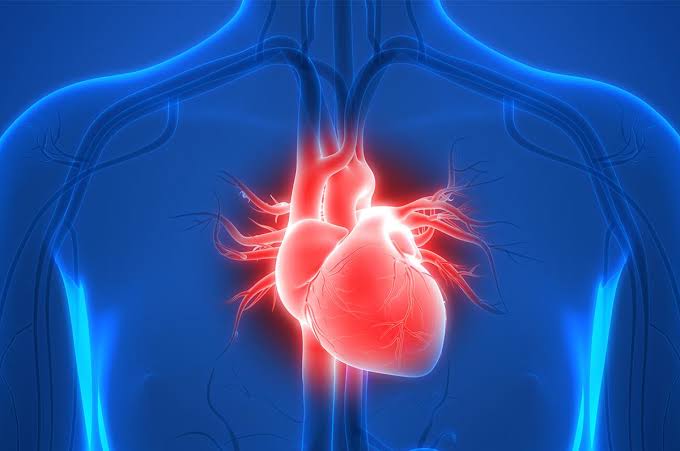
Before you see a cardiologist, make note of any symptoms you experience. A normal, healthy adult heart keeps the body running by helping various parts function. For instance, the right side of the heart pumps blood to the lungs, while the left side receives oxygen from the lungs and pumps it through the body’s arteries.
As we age, our bodies change, and the heart does not beat as fast during physical activity or stressful times. A heartbeat does not significantly change with normal aging. Chambers of the heart can increase in size over time. Valves that control blood flow between the chambers of the heart may become thicker and stiffer, limiting the flow of blood.

Signs You Should See a Cardiologist

According to the National Institute on Aging, there are numerous signs you should see a cardiologist. When you notice that your health is failing or recognize abnormal signs associated with your cardiovascular system, these are signs you should see a cardiologist.
Those with any of the below symptoms should see a cardiologist:
  • Chest pain, tightness, or discomfort
  • Heart rhythm disorders
  • Shoulder, arm, jaw, or neck pain
  • Heart valve disorders
  • Shortness of breath
  • Heart palpitations
  • High blood pressure
  • Fainting
  • Nausea or vomiting
  • High cholesterol
  • Congenital heart conditions
  • Dizziness
  • Heart failure
  • Coronary artery disease
  • Anxiety
  • Blood clots
  • Stroke
  • Weakness
  • Peripheral artery disease
These conditions are serious. In fact, any health issue involving the cardiovascular system should be taken seriously, as it can affect blood flow, pulse, and overall heart health. Signs such as the above can range in severity, which means you should see a cardiologist right away.

Medical Tests

When you see a cardiologist for your heart, they may perform specific medical tests. To determine if you suffer from heart disease, doctors may perform the following:
  • Blood pressure check
  • Cholesterol levels check
  • Electrocardiogram that records the heart’s electrical activity
  • Chest X-ray that can reveal whether a heart is enlarged or if the lungs contain fluid
  • Series of blood tests to check for brain natriuretic peptides (BNP) and levels of protein
  • Echocardiogram that uses sound waves to produce images of the heart while it is in motion to determine how well heart valves are functioning
Heart failure is a serious health concern. Heart failure can also be caused by diabetes, cardiomyopathy, heart inflammation, heart attacks, or the long-term use of alcohol. To keep your heart healthy, consider remaining physically active, refraining from smoking and drinking alcohol, and following a healthy diet.

Find a Cardiologist

At Apex Cardiology, our highly skilled, multi-board-certified physicians are available on-site for patient evaluations and consultations. If you have noticed symptoms associated with your cardiovascular system or you believe the symptoms to be heart-related, consider speaking with a cardiologist who can perform tests to diagnose your condition, if any.
There are a number of Los Angeles cardiologists who offer their skills at Apex Cardiology. Contact us today to speak with one of our professionals. Schedule a consultation to discuss your health issue with your doctor and learn about your treatment options today.
What Happens If Your Stress Test Results Are Abnormal? 

Those with certain health conditions may need a stress test. While some individuals may see positive test results, others may receive abnormal or concerning findings. If you receive abnormal results from a stress test, it may be due to coronary artery blockages, a change in heart rate, hypertension, or other cardiovascular problems. Thankfully, there are multiple stress tests a person can take, offering a variety of imaging for doctors to analyze. 

Those taking part in a cardiac stress test may be asked to lie still, walk on a treadmill, and increase the treadmill pace to determine heart rate and detect an abnormal heart rhythm. In addition, the patient will be asked to lie under a gamma camera. During this process, detailed images of the heart muscle are taken, allowing professionals to examine them and help diagnose your condition, if any. If the stress test is abnormal, your doctor will likely want to make a follow-up appointment. 


The Stress Test Process 

If a patient receives an abnormal stress test result, it likely indicates a change in how the heart responds when it is forced to work harder. This is why walking or running on a treadmill is a crucial aspect of a stress test. By monitoring heart rate throughout the walk or run, doctors can see in real time whether the heart does not respond well to working harder and pumping more blood into veins and arteries.  


Abnormal stress test results do not necessarily mean you have a heart problem. Exercise testing remains a noninvasive option for determining prognosis. During a test, doctors screen for coronary artery disease and other cardiovascular conditions. 


Abnormal Stress Test Results

According to the National Library of Medicine, treadmill stress testing is a form of cardiovascular stress testing that typically uses electrocardiography and blood pressure monitoring during exercise, typically on a bicycle or treadmill.

A treadmill stress test can help doctors determine whether a patient has coronary artery disease. Additionally, treadmill testing can recognize:

  • Valvular heart disease
  • Heart failure
  • Myocardial ischemia
  • Coronary artery disease and its progression 
  • Cardiomyopathy
  • Acute chest pain
  • Cardiac arrhythmias

Thankfully, a stress test helps doctors and patients understand cardiovascular health issues and provides solutions to any problems.


Reasons to Stop a Stress Test 

Individuals taking part in a stress test will be monitored by professionals throughout the entire process, noting heart rate and how well the heart handles walking, jogging, or running. Some tests may need to be abruptly stopped if any of the following occur:

  • Moderate to severe angina
  • The patient’s desire to stop
  • Increasing chest pain
  • Drop in blood pressure
  • Neurologic symptoms such as dizziness or ataxia
  • Technical difficulties in monitoring blood pressure
  • Sustained ventricular tachycardia
  • Arrhythmias such as premature ventricular contractions
  • Fatigue, wheezing, or shortness of breath
  • Spike in blood pressure

Once testing has concluded, your doctor will review the results and guide you on how to relieve your symptoms, as well as provide information about treatment. 


Find Treatment Today

Apex Cardiology understands the importance of providing cardiology services for the community. Not only do we provide a full range of cardiac stress tests, but we also offer interventional procedures and cardiac imaging. Despite the many tests, we tailor treatment options to each individual, as every patient has unique needs. While we provide personal attention for all patients, we maintain professionalism to help you feel more comfortable.  


Contact us today to learn more about our Los Angeles cardiologists and physicians. Our doctors offer noninvasive methods to evaluate the heart and the arteries surrounding it. With computer software, cardiologists can examine the beating heart and receive information about the heart’s structure and whether there are any indications of coronary artery disease. Consider a consultation with one of our experts today.