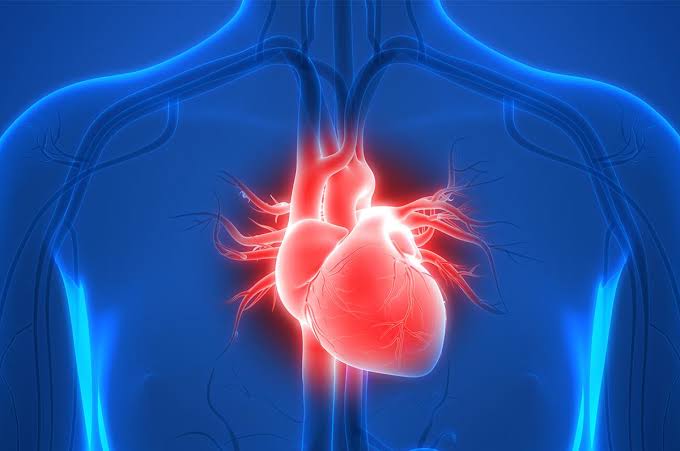
When Does Chest Pain Become a Cardiac Emergency?

If a person experiences chest pain, urgency may set in quickly. However, people must be able to adapt, listen to their bodies, and acknowledge signs of a cardiac emergency, such as a heart attack. Since many symptoms of a cardiac emergency overlap, such as anxiety, weakness, and fainting, it can be difficult to determine if the symptoms are caused by a cardiac emergency or chalked up to bad indigestion.

Thankfully, individuals can consider preventative cardiology and treatment options. There are preventative measures that can decrease the risk of a cardiovascular event. In addition, treatment options can provide information on the heart’s health and the health of surrounding organs.

What Happens When a Cardiac Emergency Occurs?

When a blood clot blocks one of the coronary arteries that supply blood and oxygen to the heart, a heart attack can occur. When blood flow is blocked, the heart is starved of oxygen, and its cells die. For instance, when plaque causes an acute blood clot, the heart cannot pump blood correctly.

The build-up of plaque causes heart attacks. Plaque builds up in the walls of the coronary arteries. Cholesterol and other substances make up the plaque, disrupting blood flow. The most common cause of a heart attack is the rupture of plaque. When this happens, blood platelets and other substances are triggered to form a blood clot at the site, blocking most of the oxygen-carrying blood flow to the heart muscle.

When Can a Heart Attack Take Place?

A heart attack can take place at any time. However, there are certain conditions under which a cardiovascular event may occur.  For example, a heart attack can occur:

  • After sudden, severe emotional or physical stress, including an illness
  • When you are resting or asleep
  • When you are active outside in cold weather
  • After a sudden increase in physical activity

Additionally, there are risk factors for a cardiac event. Some of the risk factors that can help decrease the chances of developing heart disease include:

  • Quitting smoking
  • Exercising at least 30 minutes a day
  • Limiting alcohol intake
  • Maintaining a healthy weight
  • Selecting healthy food options
  • Controlling high blood pressure, cholesterol, or diabetes

A heart attack is an extreme medical emergency. If symptoms are suspected, contact emergency services immediately.

What Are the Symptoms of a Heart Attack?

To better understand what occurs during a heart attack, the symptoms must be acknowledged. Cardiovascular events can lead to a number of symptoms that can be life-threatening if left untreated. Some may feel pain in one part of the body, such as the shoulder, arm, jaw, or neck. These are strong indicators of a heart attack.

While not all individuals will experience the same symptoms when a heart attack takes place, those experiencing a cardiovascular event will likely experience a range of symptoms consisting of:

  • Cough
  • Sweating
  • Heart palpitations
  • Dizziness
  • Fainting
  • Anxiety
  • Shortness of breath
  • Nausea
  • Lightheadedness
  • Vomiting

More specifically, a cardiovascular event may cause pain ranging from mild to severe. Pain may feel similar to:

  • Something heavy is sitting only on your chest
  • Bad indigestion
  • A tight band around the chest
  • Squeezing or heavy pressure

Some symptoms and pain may come and go. While many individuals experience a form of pain or discomfort, some people only suffer from what is labeled as a “silent heart attack.” A silent heart attack may present with no symptoms. However, common symptoms may include fatigue, weakness, or shortness of breath.

Find a Cardiologist

If you experience chest pain, contact 911 immediately. By understanding the signs of a cardiovascular event, patients can better recognize when a heart attack is taking place. Thankfully, Apex Cardiology has the industry’s fastest and highest resolution scanner.

Contact Apex Cardiology today to learn more about our treatment options and latest technology.

How Blood Pressure and Cholesterol Affect Your Heart Over Time

High blood pressure occurs when blood pushes against the walls of arteries while your heart pumps blood. When pressure rises for prolonged periods, blood vessels are damaged and become clogged with plaque. This damages the heart over time and can lead to hazardous cardiovascular conditions.

Cholesterol is a substance found in certain foods that, when eaten over time, can lead to large amounts of cholesterol in the body. Cholesterol builds up in the walls of the arteries, reducing blood flow to the heart. You can take care of your heart health by periodically seeing a doctor to check whether your blood pressure and cholesterol levels are normal and within the recommended range.

High Blood Pressure and Cholesterol Levels

To determine blood pressure levels, an individual’s blood pressure is measured by a systolic reading. If the reading is a consistent systolic pressure of 140 millimeters of mercury (mm Hg) or higher, the blood pressure is considered too high. High blood pressure can lead to stroke, heart attacks, or other serious conditions.

High cholesterol levels can lead to obesity. Unhealthy eating patterns and a lack of physical activity are just two ways cholesterol may develop in an individual. Those wishing to manage cholesterol levels should incorporate healthier food choices, exercise, and other lifestyle changes into their daily routine. When healthier habits are introduced, blood pressure and cholesterol levels can be reduced.

Damage Caused by Blood Pressure and Cholesterol

In addition to causing damage to the heart, other organs in the body can be severely injured due to high blood pressure and cholesterol levels. According to the National Heart, Lung, and Blood Institute, damage from high blood pressure and cholesterol levels can cause:

  • A stroke
  • Vascular dementia
  • An enlarged left heart
  • Chronic kidney disease
  • Heart attack
  • Heart failure
  • An aneurysm
  • Coronary artery disease
  • Cognitive impairment
  • Nerve damage
  • Chest pain
  • Blood vessel damage
  • Kidney failure
  • Metabolic syndrome

To help prevent high blood pressure and unhealthy cholesterol levels, consider:

  • Eating a healthy diet
  • Taking prescribed medication
  • Taking part in physical activity
  • Quitting smoking
  • Limiting alcohol intake

If individuals do their part by making healthy decisions, they can reduce their blood pressure and cholesterol levels. Reducing cholesterol and maintaining a healthy blood pressure can positively affect the heart by reducing stress on it.

Services to Determine Heart Health

While over-the-counter options may help assess heart health, it is important to see a professional. A doctor trained in cardiovascular health can provide a wide range of services to determine if an individual has unhealthy blood pressure and cholesterol levels.

Thankfully, numerous services can help determine whether a person has high blood pressure or high cholesterol. The services doctors use can help patients better understand the overall health of the heart.

Services offered by doctors consist of:

  • Cardiac CT Imaging
  • Stress Testing
  • Nuclear Cardiology, also known as the “Nuclear Stress Test”
  • Echocardiography
  • Cardiac catheterization
  • Coronary balloon angioplasty or stenting
  • CT peripheral angiography
  • Cardiac rhythm management, also known as electrophysiology testing
  • Laboratory blood test evaluation

Even if you have recently been diagnosed with high blood pressure or high cholesterol levels, there are plenty of ways to stay healthy and receive the medical care needed. Imaging and other tools can help patients learn the severity of their heart problems.

Help Your Heart

For those concerned about heart health, consider finding answers at Apex Cardiology. Not only do we have the industry’s fastest and highest-resolution scanner to provide patients with accurate results, but our physicians are highly trained in cardiovascular care.

Contact us today to schedule an appointment and learn more about your heart health.