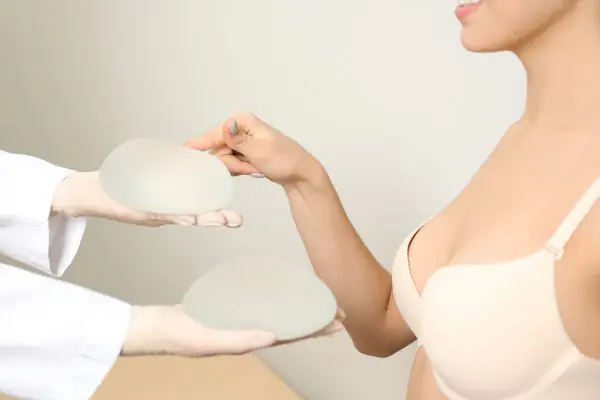
How Painful Is Breast Augmentation Recovery?
Over time, changes to your breasts can occur. This includes changes in the size, shape, and symmetry of your breasts. This is common due to natural aging, pregnancy, breastfeeding, and weight fluctuations. Some women are also unhappy with the natural look of their breasts from a young age. A breast augmentation is a great option to address the issues you have with your breasts. Many patients are concerned about the breast augmentation recovery process when considering surgery. You may wonder, how painful is breast augmentation recovery? Below, you will find helpful information to guide you through the process seamlessly.
How Painful Is Breast Augmentation Recovery?
Breast augmentation is one of the most common cosmetic procedures. It offers effective results with a short recovery period. Discomfort is a common concern among those considering surgery. This is understandable, as it is a surgical procedure that requires incisions and anesthesia. However, there are effective ways to manage your symptoms after surgery.
The First Few Days After Surgery
Breast augmentation follows a predictable pattern of post-surgical discomfort. The first 72 hours after surgery are the most intense. You may notice tightness and pressure across your chest. This is completely normal and not a cause for concern. The symptoms will gradually subside over the next week. Surgeons often prescribe pain medication to ensure your comfort during this period. By the end of the first week, most patients can use over-the-counter pain medication to manage any residual discomfort. There are several other ways to reduce discomfort after surgery.
Factors That Impact Pain Levels After Surgery
Two factors affect your post-surgery pain. The size of your implant and placement have an influence on post-surgical pain levels. Patients who choose submuscular placement tend to experience more soreness. Submuscular placement is where the implant is placed beneath the muscle. Alternatively, subglandular placement is above the muscle. The soreness from submuscular placement is due to the muscle stretching and adapting to accommodate the implant. The tightness fades after the first few days.
The size of the implant also affects post-surgical discomfort. Larger implants place a greater mechanical load on the surrounding tissue and skin as you heal. The larger the implants, the longer the period of pressure and heaviness. However, this gradually subsides as you heal. It is helpful to consider that these two factors also interact. Submuscular placement with larger implants often correlates with greater discomfort. The good news is that the recovery period is short, and you should feel better within 1 to 2 weeks. Your body quickly adapts, and discomfort can be effectively managed after surgery.
How to Manage Post-Surgical Pain
Most patients are back to their routine within two weeks. Managing your pain after surgery can make the process much easier on you. Consider the following ways to reduce your discomfort after a breast augmentation.
Use a Cold Compress
Using a cold compress after surgery can help manage pain. It is effective at managing swelling, which can help alleviate chest tightness. Apply a cold compress for no more than twenty minutes. Too much cold can restrict the necessary blood flow to the area. Use it every few hours for the first few days for the best results.
Stay Elevated at All Times
Keeping yourself elevated can help with swelling and discomfort. Keep your head and upper body elevated to a 45-degree angle at all times. This includes when you are sleeping. Do this for at least four to six weeks after surgery. The position minimizes overnight swelling. It also promotes healthy fluid drainage, which relieves pressure on your surgical incisions. Staying elevated can also improve your long-term results by preventing the implants from shifting right after surgery.
Consume Healthy and Balanced Foods
Hydration supports the body’s natural healing response. Consuming light, healthy foods and drinks after surgery is helpful. Avoid heavy, fried, and highly processed foods. Focus on nutrient-dense foods and drinking at least eight glasses of water each day. This is often overlooked but a necessary part of healing. Many people order out or fail to prioritize what they are consuming after surgery. Prepare meals in advance and freeze them. Or, have a friend or family member with you after surgery, so they can help you prepare food.
Wear Your Support Garments
You will be provided with support garments after a breast augmentation. The surgical compression bra is a medical-grade, wire-free bra. It is designed to support optimal recovery. This includes controlling swelling and protecting your incisions. It also holds your implants in place, so they do not shift right after surgery. Wearing your surgical compression bra as prescribed has a significant impact on your recovery and comfort.
Prioritize Rest
The most important thing you can do after surgery to manage your symptoms is rest. The first few days should be focused solely on taking it easy. Have a trusted friend or family member stay with you. They can administer your medication, prepare your food, and monitor your symptoms. Once you begin to feel more energized, incorporate light walking in short bursts throughout the day. This can assist in circulation and promote optimal healing. It is necessary to take it slowly and avoid doing too much too soon.
Follow Your Surgeon’s Instructions
One of the most important steps in your recovery process is following your surgeon’s post-surgical instructions. They know your medical history and any modifications necessary for your unique case. Adhering to those instructions as closely as possible can streamline the recovery. It can also reduce your risk for post-surgical complications and optimize your results. Attend all of your follow-up appointments. Your plastic surgeon can assess your progress and make any necessary modifications.
Top Plastic Surgeon for Breast Augmentation
Changes to your breasts can impact your confidence and self-esteem. If you want to address breast changes, contact the team at Elise Min Plastic Surgery today to schedule your consultation!