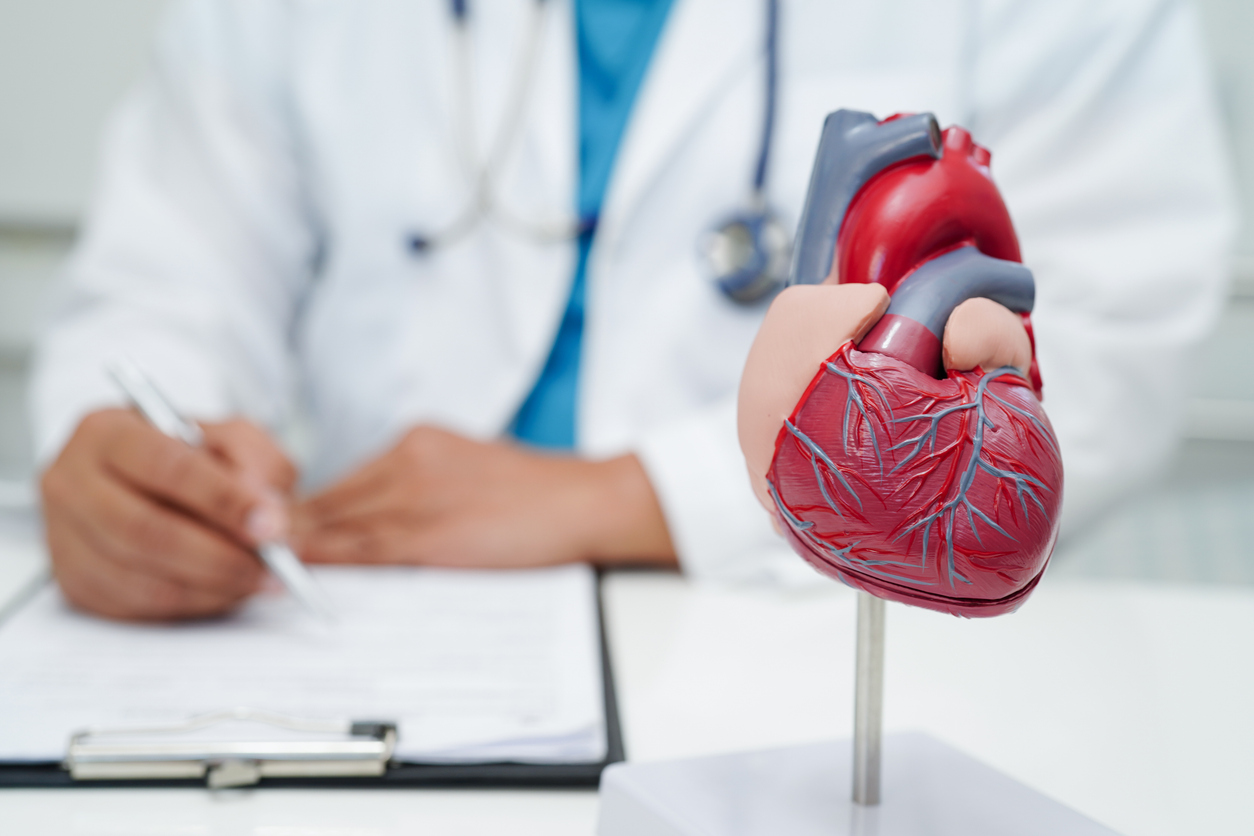
How Blood Pressure and Cholesterol Affect Your Heart Over Time

High blood pressure occurs when blood pushes against the walls of arteries while your heart pumps blood. When pressure rises for prolonged periods, blood vessels are damaged and become clogged with plaque. This damages the heart over time and can lead to hazardous cardiovascular conditions.

Cholesterol is a substance found in certain foods that, when eaten over time, can lead to large amounts of cholesterol in the body. Cholesterol builds up in the walls of the arteries, reducing blood flow to the heart. You can take care of your heart health by periodically seeing a doctor to check whether your blood pressure and cholesterol levels are normal and within the recommended range.

High Blood Pressure and Cholesterol Levels

To determine blood pressure levels, an individual’s blood pressure is measured by a systolic reading. If the reading is a consistent systolic pressure of 140 millimeters of mercury (mm Hg) or higher, the blood pressure is considered too high. High blood pressure can lead to stroke, heart attacks, or other serious conditions.

High cholesterol levels can lead to obesity. Unhealthy eating patterns and a lack of physical activity are just two ways cholesterol may develop in an individual. Those wishing to manage cholesterol levels should incorporate healthier food choices, exercise, and other lifestyle changes into their daily routine. When healthier habits are introduced, blood pressure and cholesterol levels can be reduced.

Damage Caused by Blood Pressure and Cholesterol

In addition to causing damage to the heart, other organs in the body can be severely injured due to high blood pressure and cholesterol levels. According to the National Heart, Lung, and Blood Institute, damage from high blood pressure and cholesterol levels can cause:

  • A stroke
  • Vascular dementia
  • An enlarged left heart
  • Chronic kidney disease
  • Heart attack
  • Heart failure
  • An aneurysm
  • Coronary artery disease
  • Cognitive impairment
  • Nerve damage
  • Chest pain
  • Blood vessel damage
  • Kidney failure
  • Metabolic syndrome

To help prevent high blood pressure and unhealthy cholesterol levels, consider:

  • Eating a healthy diet
  • Taking prescribed medication
  • Taking part in physical activity
  • Quitting smoking
  • Limiting alcohol intake

If individuals do their part by making healthy decisions, they can reduce their blood pressure and cholesterol levels. Reducing cholesterol and maintaining a healthy blood pressure can positively affect the heart by reducing stress on it.

Services to Determine Heart Health

While over-the-counter options may help assess heart health, it is important to see a professional. A doctor trained in cardiovascular health can provide a wide range of services to determine if an individual has unhealthy blood pressure and cholesterol levels.

Thankfully, numerous services can help determine whether a person has high blood pressure or high cholesterol. The services doctors use can help patients better understand the overall health of the heart.

Services offered by doctors consist of:

  • Cardiac CT Imaging
  • Stress Testing
  • Nuclear Cardiology, also known as the “Nuclear Stress Test”
  • Echocardiography
  • Cardiac catheterization
  • Coronary balloon angioplasty or stenting
  • CT peripheral angiography
  • Cardiac rhythm management, also known as electrophysiology testing
  • Laboratory blood test evaluation

Even if you have recently been diagnosed with high blood pressure or high cholesterol levels, there are plenty of ways to stay healthy and receive the medical care needed. Imaging and other tools can help patients learn the severity of their heart problems.

Help Your Heart

For those concerned about heart health, consider finding answers at Apex Cardiology. Not only do we have the industry’s fastest and highest-resolution scanner to provide patients with accurate results, but our physicians are highly trained in cardiovascular care.

Contact us today to schedule an appointment and learn more about your heart health.
What to Expect During a Nuclear Cardiology Test

A nuclear cardiology test is a type of stress test that uses nuclear cardiac imaging in conjunction with stress testing to improve the detection of coronary artery blockages. This type of test uses radioactive material to show how well blood flows into the heart muscle during physical activity and when at rest.

Nuclear cardiology is also known as a stress cardiolite study or a nuclear stress test. The test is safe, captures images of your heart, and can produce images that provide doctors with health information.

An Overview of a Nuclear Cardiology Test

A nuclear cardiology test involves an injection of a short-acting radioactive substance before and during treadmill exercise. Afterward, the patient lies beneath a “gamma” camera while a computer collects data. A detailed image of the heart is then created, allowing cardiologists to detect any coronary artery blockages by recognizing past and potential future heart muscle damage.

The small amount of radioactive tracing material is injected into the patient’s veins and filtered through the heart. A minuscule camera captures images and videos of the heart to detect any spots or signs of coronary heart disease. Imaging may also detect any potential issues with heart function.

How Nuclear Cardiology Tests Are Performed

Nuclear cardiology tests are performed in stages, according to the National Library of Medicine. The stages consist of:

  1. An intravenous (IV) line is started.
  2. A radioactive substance is injected into one of your veins.
  3. You lie down and rest for 15 to 45 minutes while a special camera scans your body.
  4. The camera scans your heart and creates pictures for doctors to dissect.
  5. Afterward, you will be asked to walk on a treadmill or stationary bicycle.
  6. You will walk slowly at first, but your doctor will ask you to walk faster and at an incline.
  7. Blood pressure and heart rhythm are monitored during this process.
  8. After 15 to 45 minutes, a radioactive substance is once again injected into one of your veins.
  9. A camera will monitor the substance again, scanning the heart and creating pictures.

Doctors will then compare the two images to determine whether there are differences between a slowed and a fast heartbeat. This allows doctors to examine heart rate, blood pressure, and other cardiovascular issues.

More importantly, the results of a nuclear stress test can do the following:

  • Determine the proper treatment for coronary heart disease
  • Examine whether your heart is too large or small
  • Diagnose coronary artery disease
  • Determine how well your heart pumps blood

Doctors perform the test to see if your heart receives enough oxygen and blood flow when it pumps harder. A treadmill or stationary bike can help force the heart to pump harder through increased exercise.

How a Nuclear Cardiology Test Feels

Before your test, you should prepare by wearing comfortable clothes and refraining from eating or drinking after midnight. Caffeine should be avoided for 24 hours before the test.

During the test, patients may feel the following:

  • Shortness of breath
  • Fatigue
  • Chest pain
  • Muscle cramps in the feet or legs
  • Nausea
  • Headache

In addition, your heart may beat much faster, giving you the feeling that it is racing. In rare instances, patients can experience palpitations, chest discomfort, and dizziness.

Take Part in a Nuclear Cardiology Test Today

For those of you experiencing unwanted cardiovascular issues, consider taking part in a nuclear cardiology test. With this test, cardiologists can assess your heart’s function and identify any health concerns.

At Apex Cardiology, we’re dedicated to improving our patients’ lives. Not only do we place importance on your individual needs, but we also use safe, efficient technology to better understand and identify cardiovascular health issues.

Older couple working out together.

What’s the Safest Way to Lose Weight With a Heart Condition?

Losing unnecessary weight is vital to a person’s well-being. It can improve overall health, boost confidence, and reduce the strain on vital organs. But if you have a heart condition, you need a plan tailored to your unique needs and situation. Many cardiologists emphasize that the answer to “What is the safest way to lose weight with a heart condition?” is a medically supervised and gradual approach that both protects cardiac function and supports sustainable change.

What Is the Safest Way to Lose Weight with a Heart Condition?

Start with a Medical Assessment

A visit to your cardiologist is important before starting anything or making any changes. There are varied heart conditions, and unfortunately, what is safe for one person may be dangerous to another. Your doctor will review medications, current vital signs, exercise limits, and whether it will be safe for you to enroll in cardiac rehabilitation or to seek the help of a registered dietitian.

Aim for Slow, Steady Weight Loss

Stay away from rapid weight-loss methods, such as extreme calorie restriction, unmonitored fasting, or products containing stimulants. These can alter electrolyte levels, blood pressure, and heart rhythm, which can be dangerous for people with heart problems. A more sustainable and safer goal is .5-1kg per week, adjusted to the patient’s circumstances. Slow loss is gentler on the metabolism and is easier to maintain.

Follow a Heart-Healthy Eating Pattern

Avoid fad diets. Opt for eating patterns known to support heart health:

  • Mediterranean-Style Eating
  • Vegetables, fruits, whole grains, fish, nuts, and olive oil may reduce inflammation and support healthier lipids.
  • DASH (Dietary Approaches to Stop Hypertension): DASH is designed to lower blood pressure by emphasizing lean proteins, whole grains, low-fat dairy, and abundant produce.

General Guidelines

  • Choose whole foods over processed ones
  • Limit your intake of sodium
  • Reduce added sugars and refined carbohydrates
  • Choose unsaturated fats and avoid saturated and trans fats
  • Eat plenty of vegetables and drink plenty of water

Choose Safe, Low-Impact Activity with Clearance

Physical activity is essential, but it must be tailored to your particular needs and condition. It is also important that you get a medical clearance from your doctor before starting anything. Then you may start low-impact, steady exercises that would boost your cardiovascular fitness without undue strain.

  • Brisk walking guided by a doctor-recommended exertion scale
  • Stationery cycling
  • Swimming
  • Light resistance work with bands
  • Low-impact yoga or flexibility routines

Ask your cardiologist how to properly monitor intensity if you are taking medications for heart rate or if you have a pacemaker. If you experience chest pain, fainting, severe breathlessness, or new dizziness, stop and seek immediate medical attention.

Manage Sleep and Stress

Sleep and stress influence weight and cardiovascular health. Ensure that you are getting 7-9 hours of quality sleep each night. Stress-reduction techniques like deep breathing, meditation, counseling, and other activities that help you slow down may be beneficial. Chronic stress may cause an increase in blood pressure and may make you gain even more weight.

Monitor Progress Closely

Track weight, blood pressure, resting heart rate, and any symptoms during activity. Regular follow-ups with your cardiologist will ensure that a professional monitors your progress. They can track your lipid and glucose levels or adjust your medications as you lose weight.

Avoid Unproven Supplements and Stimulants

Many fat burners are available over the counter, and certain supplements have stimulants that may raise your heart rate and blood pressure, and may cause arrhythmias. It is always wise to check with your cardiologist before taking any medications or supplements, including prescription weight-loss drugs, which require medical supervision.

Start Your Medical Weight Management Today

The safest way to lose weight when you have a heart condition is a balance of medical weight management, a nutritious, heart-healthy diet, gentle movement, and quality sleep. Your cardiologist can customize a plan to reduce risks and support long-term success. Work with a heart expert to help you lose weight. Book a consultation with us today.

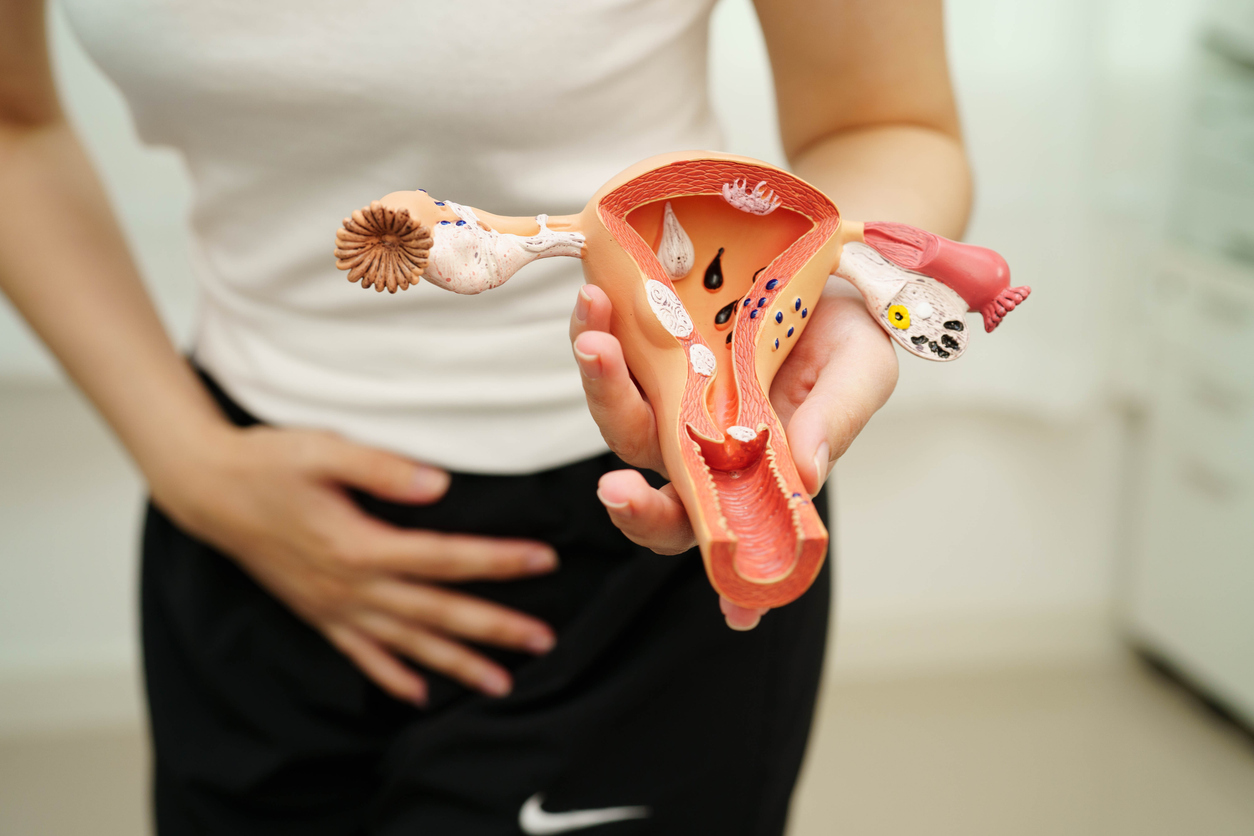
Woman holding human anatomy model.

Types of Fibroids and Why Location Matters

Uterine fibroids affect roughly 20-50% of women, 77% of these tumors develop during a woman’s reproductive years. While some people may have fibroids without any symptoms, others experience significant health impacts depending on the type and location of their fibroids.

Understanding how fibroids differ by location is key to recognizing symptoms, choosing proper treatment, and planning for future fertility or quality of life.

What Are Uterine Fibroids?

Uterine fibroids are benign muscle tumors that grow in or around the uterus. The size of fibroids ranges from as small as 1 millimeter to more than 20 centimeters (8 inches). Most uterine fibroids are small and usually asymptomatic, but larger fibroids can distort the uterus, causing painful symptoms.

Fibroids don’t lead to cancer, but they often impact menstrual bleeding, pelvic comfort, bladder and bowel function, and fertility, depending on where they grow.

Fibroid Types by Location

Medical classification of fibroids centers on where the growth occurs relative to the uterine wall and cavity. Location is important because it often determines the symptoms someone experiences and the most effective treatment approach.

Intramural Fibroids – Within the Uterine Wall

Intramural fibroids are the most common type. They develop within the muscular wall (myometrium) of the uterus. As these get bigger, they can expand outward and distort the uterine shape, potentially leading to:

  • Heavy menstrual bleeding
  • Longer periods
  • Pelvic pressure
  • Pain or fullness in the lower abdomen

Because they reside deep in the uterine wall, intramural fibroids can mimic symptoms of other types and sometimes complicate surgical removal.

Submucosal Fibroids – Inside the Uterine Cavity

Submucosal fibroids grow just beneath the uterine lining and protrude into the uterine cavity. Though less common, these fibroids are particularly impactful because they lie where the menstrual blood collects and where embryos implant.

Submucosal fibroids are associated with:

  • Very heavy or prolonged bleeding
  • Spotting between periods
  • Anemia (from blood loss)
  • Fertility challenges

Their position can distort the uterine cavity, making conception or implantation more difficult, and often leading to symptoms that significantly affect quality of life.

Subserosal Fibroids – On the Outer Uterine Surface

Subserosal fibroids form on the outside of the uterus, growing toward the pelvic cavity. They are less likely to affect menstrual bleeding directly, but can cause symptoms related to pressure on nearby organs, such as:

  • Frequent urination (bladder pressure)
  • Constipation (rectal pressure)
  • Pelvic discomfort or fullness
  • Bloating

Because they expand outward rather than into the uterine cavity, subserosal fibroids often go unnoticed until they become quite large.

Pedunculated Fibroids – Fibroids With a “Stalk”

Some submucosal or subserosal fibroids grow on a narrow stem, called a peduncle. These pedunculated fibroids can twist on their stalk and cause acute pelvic pain, even when they are relatively small. Their unique attachment can complicate diagnosis and treatment, depending on symptoms and location.

Why Fibroid Location Matters

The location of a fibroid is more than a label—it directly affects:

  • Symptom Profile
  • Submucosal fibroids often cause the heaviest bleeding and most disruption to menstrual flow.
  • Subserosal fibroids can produce organ compression symptoms without affecting menstruation.
  • Intramural fibroids sit somewhere in between, potentially causing both bleeding and pressure symptoms.
  • Diagnostic Strategy

Imaging—such as ultrasound or MRI—is used to determine the location, size, and number of fibroids. Accurate diagnosis helps practitioners personalize care, from medication to minimally invasive procedures.

Treatment Choices

Treatment options are influenced by fibroid location. For example:

  • Submucosal fibroids might be approached with hysteroscopic removal.
  • Subserosal and larger intramural fibroids may be better suited for embolization or other targeted therapies.
  • Location also plays a role in planning fertility-preserving interventions versus surgical options.

Learn More with ProFibroid MD

Understanding the types of fibroids and why their location matters empowers patients to ask informed questions and seek tailored care.

Schedule a consultation with ProFibroid MD to learn more about how fibroid location may be affecting your health and to explore individualized treatment options.