Archives April 2026

Will Aging or Weight Changes Affect My Breast Implant Results?

Many women consider breast implants after pregnancy or weight fluctuations. Some women also consider implants if they are born with a naturally small chest. Moving forward with a breast augmentation procedure involves scheduling a consultation with a skilled plastic surgeon. At the appointment, you will discuss the size and shape you want. During this appointment, many people have questions about the results and how long they last. You may wonder, will aging or weight changes affect my breast implant results? Below you will find helpful information on how to maintain your results after breast implant surgery.

Will Aging or Weight Changes Affect My Breast Implant Results?

A breast augmentation can enhance the look of your chest. It improves the size, shape, and symmetry. Many people wonder if aging or weight changes can impact their appearance after surgery. Changes to the surrounding structure can affect the results in several ways.

Changes Due to Natural Aging

Over time, skin changes occur. This is due to the natural loss of collagen and elastin. These are important proteins that keep your skin supple and youthful-looking. The production of these proteins begins to slow down as early as your twenties. The reduction continues as you get older. This results in the skin being less able to support the weight of your breast tissue and implant. This can lead to sagging, which can impact the appearance of your implants.

Natural skin changes occur due to the loss of collagen and elastin. However, certain lifestyle habits can accelerate the natural aging process. Sun exposure, smoking, poor diet, and a sedentary lifestyle can impact skin quality. Living an unhealthy lifestyle can impact the results of your implant. This is why it is important to live a balanced, healthy lifestyle after the procedure.

Weight Changes

Weight changes after breast implants can impact the results. This includes both weight gain and weight loss. When you gain weight, the fat is distributed around the body. Adding weight to the breasts naturally increases the overall cup size. While the appearance changes, the implant itself remains the same. You may notice asymmetry, depending on how the fat accumulates around the breasts.

Weight loss often has a more obvious effect on breast implant results. When the natural breast tissue loses volume, the skin can become loose. The implant can change in several ways. It can appear higher, lower, or less full in its upper portion. This can make the breasts look less full, which many patients do not like. Maintaining your weight after surgery is integral to ensuring your results last.

How to Maintain Your Results After Breast Implants

Protecting your investment after breast implants is important. There are several steps you can take to maintain your results after surgery.

Follow Your Surgeon’s Instructions

After surgery at the top plastic surgery center, you will receive postoperative instructions. It is important to follow these as closely as possible. This includes how to care for your incisions and what to avoid. Attend all of your post-surgical follow-up appointments to ensure optimal recovery.

Avoid Smoking

Smoking can have a serious impact on your skin and breast augmentation results. This is because it breaks down collagen and restricts blood flow to the skin. This accelerates skin aging after surgery. It also increases the risk for post-surgical complications. You will be required to stop smoking before and after surgery. It is best to avoid smoking entirely to protect your results.

Sun Protection

Sun exposure can break down the skin and accelerate skin aging. UV rays break down the collagen and elastin in the skin. These are essential proteins that keep your skin firm and youthful-looking. Use SPF 30 or higher daily, even if you do not go outdoors. If you do go outside, avoid the sun during peak hours. Use sunglasses and a wide-brimmed hat for added protection.

Wear Supportive Bras

Gravity can take a toll on your breast tissue and skin. Wear a well-fitted, supportive bra as much as possible. If you exercise or do any high-impact activities, wear a supportive sports bra. Doing this can reduce your risk of stretching and gravitational strain on the breast tissue and skin. Staying consistent is the key to maintaining the results of your breast augmentation.

Top Plastic Surgery Center

Breast implants can change over time due to weight gain or loss or aging. If you want to refresh your implants, contact Dr. Brent and his team today to schedule your consultation!
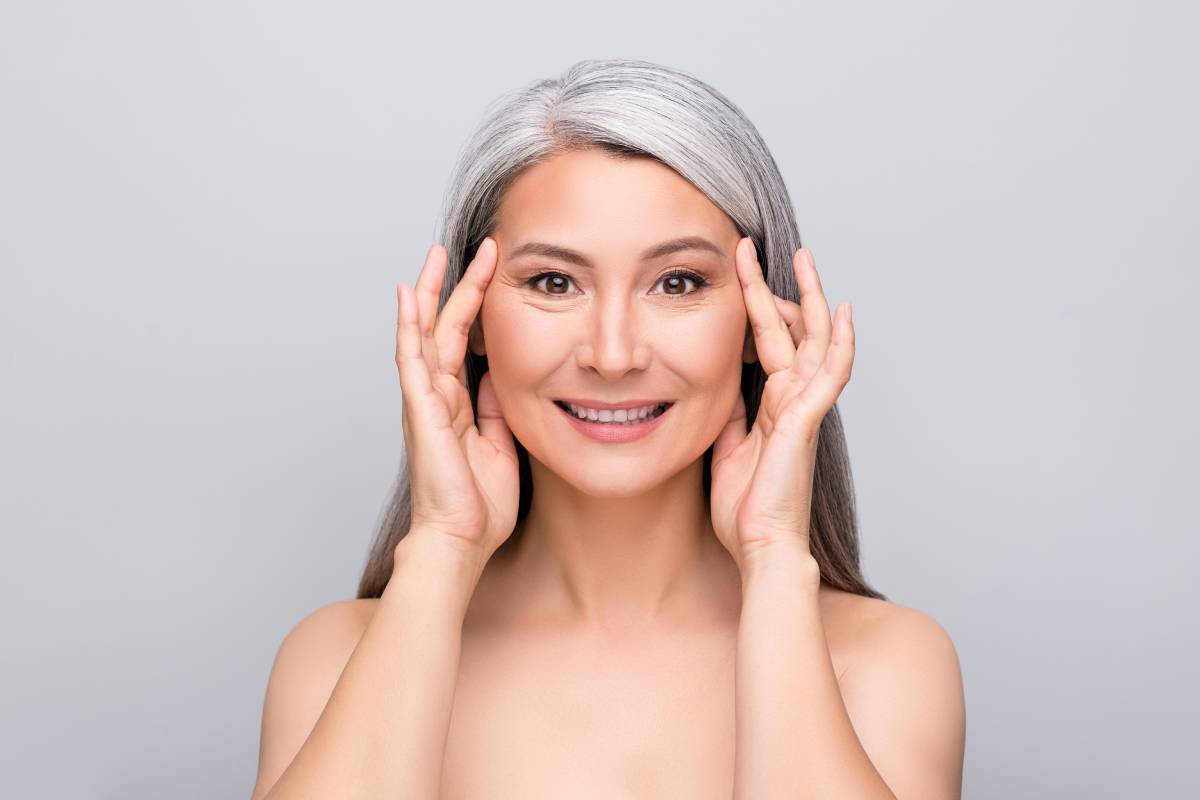
Older woman pulling her face up.

Facelift Surgery at 40s, 50s, or 60s: Is There a Best Age?

Timing is a major aspect of deciding whether plastic surgery is right for you. If you get it too early, the results may not last as long as you expected. Getting it later on can make recovery feel time-consuming and overwhelming. When you should get cosmetic surgery depends on the signs of aging, your aesthetic goals, and what type of procedure you want. So, getting facelift surgery at 40s, 50s, or 60s: Is there a best age? Below you will find helpful information to help you navigate when to get your facelift.

Facelift Surgery at 40s, 50s, or 60s: Is There a Best Age?

Facial aging is different for everyone. Your genetics and lifestyle factors can play a major part in how your skin ages. However, some trends occur during each decade of life. Below you will find helpful information about aging in your 40s, 50s, and 60s. This can help you determine if you are on track and the best age for a facelift based on your unique needs.

Facial Aging in Your 40s

When you reach your 40s, the signs of aging can begin to really show. The face begins to lose its natural volume. What fat remains often deflates, affecting the under-eyes, lower face, and neck. Skin changes are also apparent during this decade. Collagen and elastin have declined over the last two decades. This often comes with skin sagging, fine lines, and wrinkles. This can also deepen nasolabial folds.

Significant jowls are hit or miss during this decade. Some people have significant jowls, while others do not. The most common cosmetic concerns are in the midface. This leaves your under-eyes hollow and your cheeks sagging. For some people, a facelift may be beneficial. However, for most people, targeted procedures and treatments are still enough. Working with a skilled plastic surgeon is essential to determine the right treatment plan for you.

Facial Aging in Your 50s

Your 50s often bring more noticeable changes to your face. The jawline begins to soften, and jowls are often present. The neck is a common area where the signs of aging are present during this period. Your youthful facial contours may be compromised, leaving your face looking less defined. Volume loss continues as you age. This, combined with skin laxity, can leave you looking older. This is especially true if poor lifestyle habits have impacted your skin texture and quality.

Most people consider a facelift in their 50s. Changes to the face are often significant enough to warrant surgical intervention. In rare cases, cosmetic treatments may still improve your look. However, if you want results that look natural and last, surgery is often the best option. Patients in their 50s often have a smooth recovery process and a refreshed look that takes more than a decade off their faces.

Facial Aging in Your 60s

When you reach your 60s, the signs of aging are often prominent across the face. Jowls, neck laxity, fine lines, wrinkles, and volume loss are very common. Skin changes are also visible. Collagen and elastin have declined for nearly four decades. This makes it thinner, more elastic, and the signs of aging are more pronounced.

A facelift in your 60s is possible and can improve your entire look. Candidates should be in good overall health, not smoke, and have realistic expectations about the procedure. With the right surgeon, the results can take years off your face and boost your confidence.  Candidates in good overall health have a smoother recovery. They also benefit from long-lasting results that give you a youthful glow for years to come.

Recovering from a Facelift

Every patient heals differently so that the recovery timeline can vary. Most people are back to their normal routine within a few weeks.

Right After Surgery

The first few days should be solely focused on recovery and rest. You will notice swelling, bruising, and mild discomfort. This is completely normal and will gradually subside as you heal. To manage these symptoms, focus on rest, use cold compresses, and take your prescribed medication. Follow your surgeon’s instructions exactly to ensure your results. Doing so can also keep you on track with your recovery.

Weeks Two and Three After Surgery

Most patients are back to their normal routine within two weeks after surgery. Swelling continues to improve, but this can take months. It is important to be patient as you heal. You should still limit physical activity and bending over. This can impact your results and put too much pressure on your face. Your surgeon will advise you on when you can resume your fitness routine. This is why it is essential to attend all of your follow-up appointments. Your surgeon can assess your recovery and make any necessary modifications.

Final Results

You will notice your results right away as the improvements are clear. However, it can take several months to see your final results. Swelling can take months to resolve, even when you follow your post-surgical instructions exactly. As long as you take care of your incisions, they should become nearly invisible. This can also take 1 to 2 years. Patience is key to your final results.

Maintaining Your Results After a Facelift

A facelift offers long-lasting results that keep you looking youthful and refreshed. There are several ways to ensure your results last. The most important factor is protecting your skin from sun exposure. This requires using SPF 30 or higher daily, even if you do not go outdoors. You should also maintain a consistent skincare routine. Hydration is key to healing and keeping your skin youthful. Continue maintaining a healthy lifestyle, including a balanced diet, regular exercise, and hydration.

Leading Plastic Surgeon

A facelift can take years off your face and boost your confidence. If you want to restore your appearance, contact the team at Elise Min Plastic Surgery today to schedule a consultation!